News & Insights
Psychology, neuroscience and mental health.
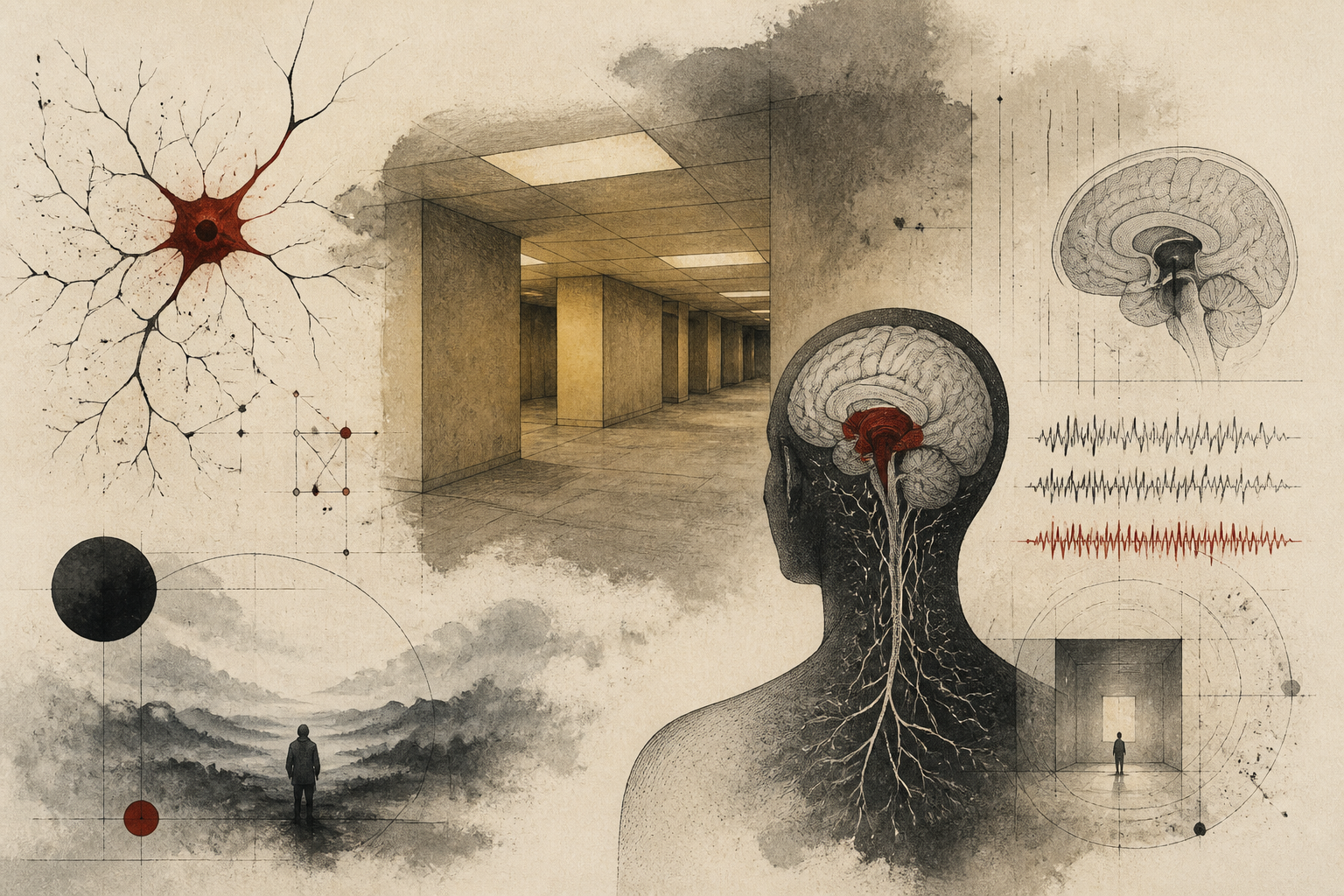 Digital Psychology
Digital Tourism and the Psychological Appeal of 'The Backrooms'
Researchers explore how collaborative internet horror narratives are evolving into immersive digital landmarks.
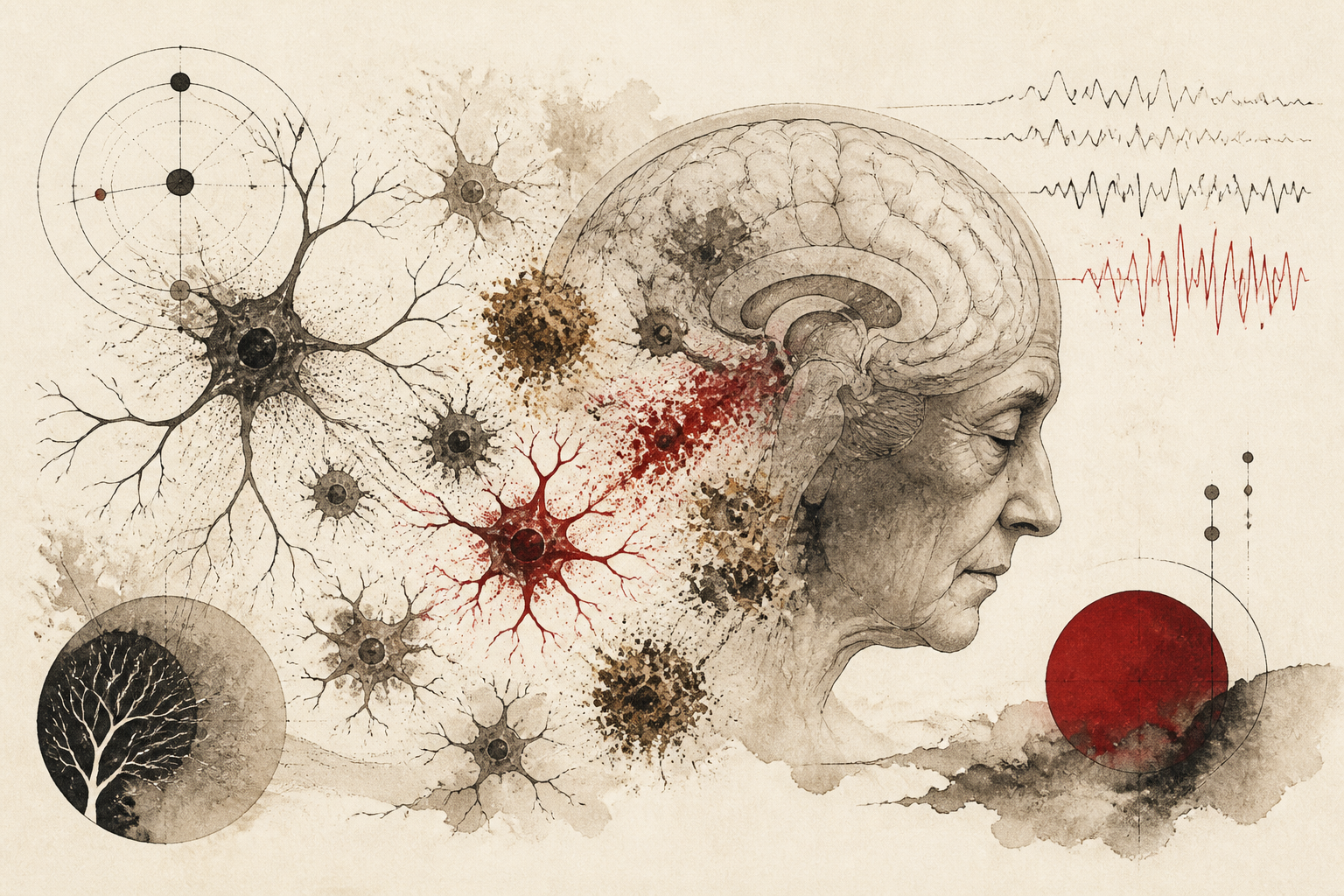 Neuroimmunology
Neuro-Immune Response Linked to Alzheimer’s Tipping Point
Recent findings suggest that the specific reaction of brain immune cells to protein buildup determines the transition from cellular changes to clinical dementia.
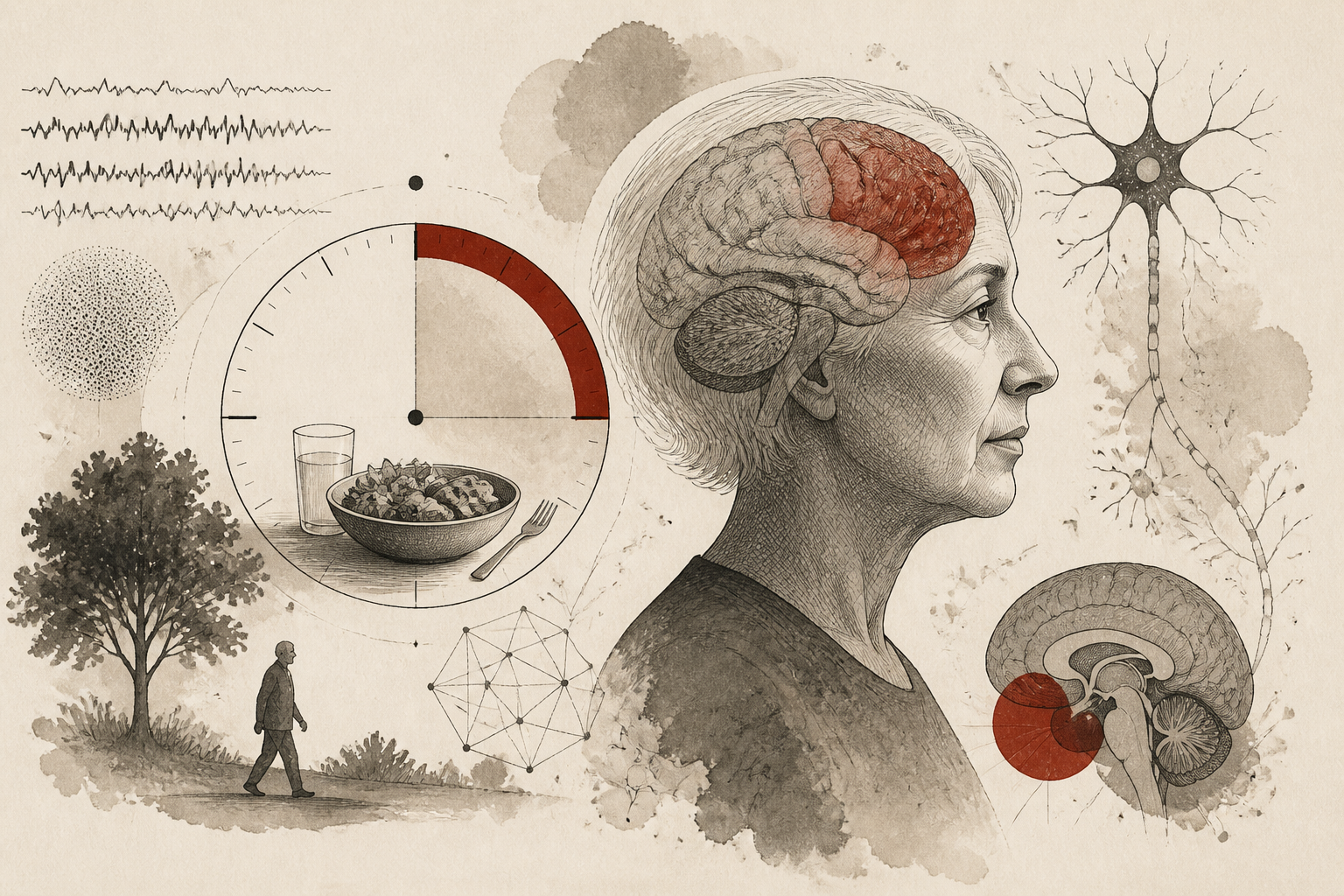 Cognitive Health
Time-Restricted Feeding May Enhance Cognitive Function in Older Adults
New research suggests that limiting daily food intake to an eight-hour window may bolster executive function and brain health in aging populations.
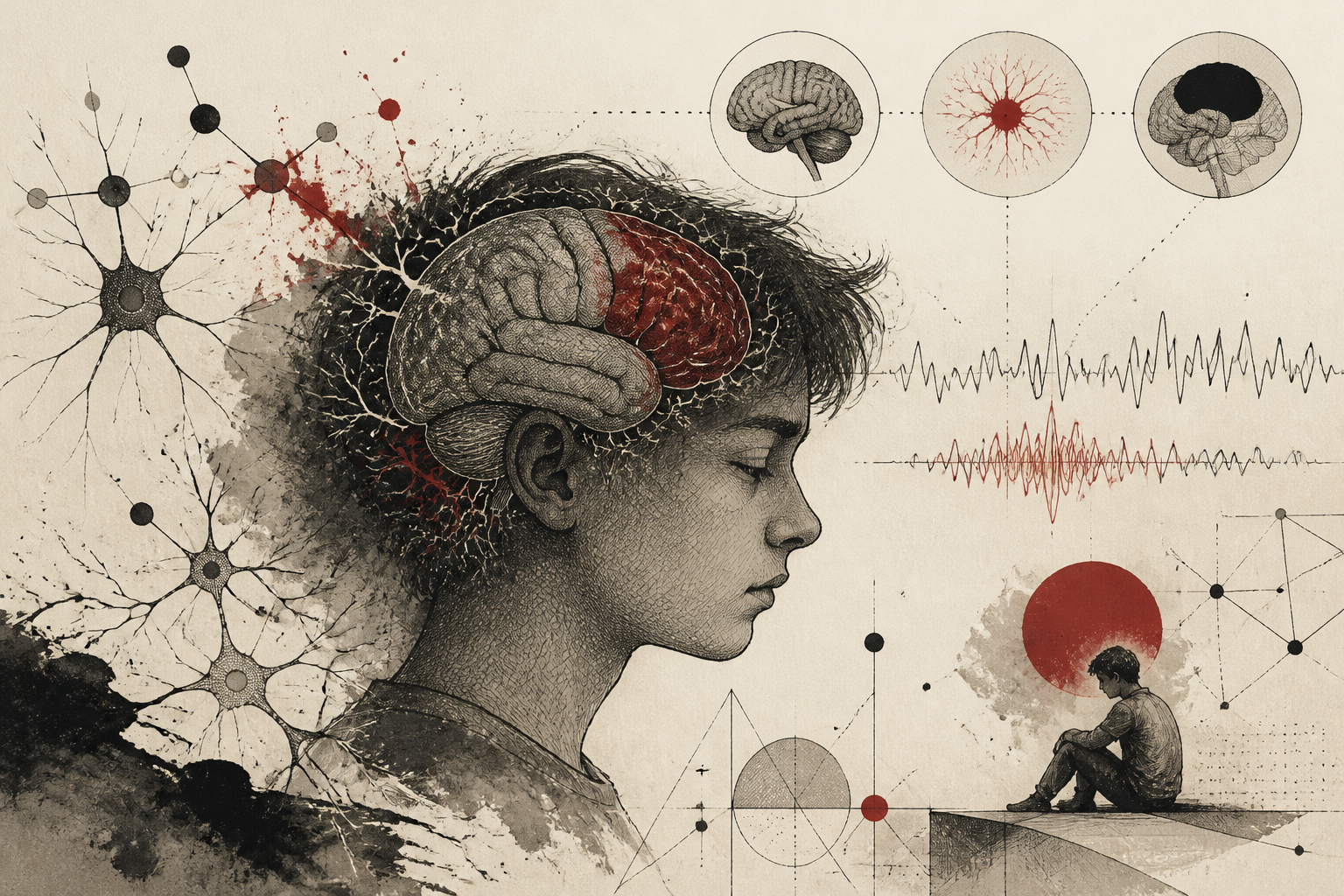 neuroplasticity
Adolescent Psychedelic Exposure Linked to Lasting Neurocognitive Deficits
Recent research indicates that early exposure to certain synthetic psychedelics may permanently disrupt the neural synchrony required for effective decision-making.
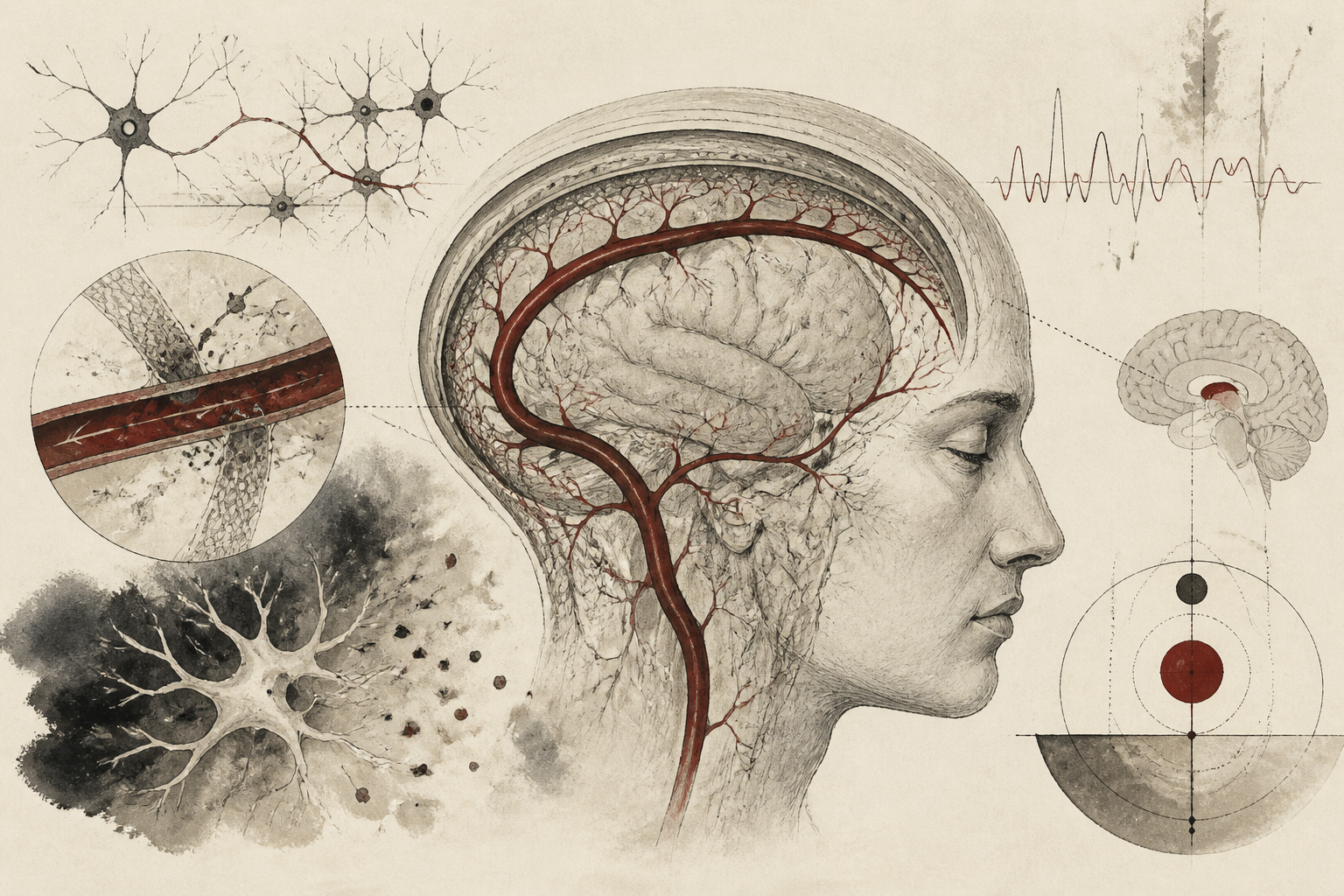 neurovascular biology
Cerebral Venous Flow Identified as Key Regulator of Brain Waste Clearance
New research published in Nature Neuroscience clarifies how cerebral venous blood flow manages intracranial pressure and the lymphatic evacuation of metabolic debris.
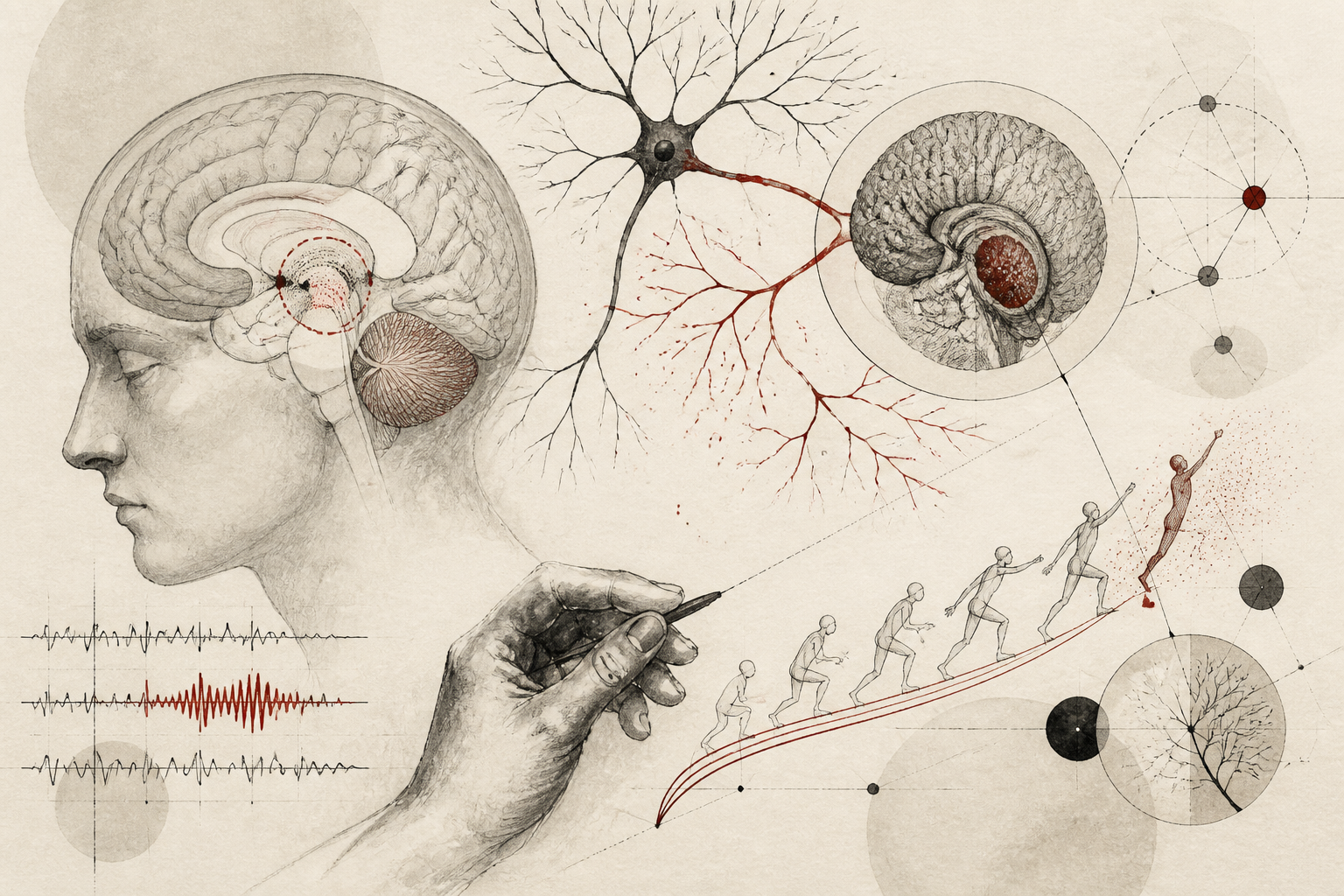 neuroscience
New Research Identifies Non-Hippocampal Mechanisms in Motor Memory Replay
A Nature Neuroscience study reveals that procedural memory consolidation occurs independently of the hippocampal structures traditionally associated with cognitive mapping.
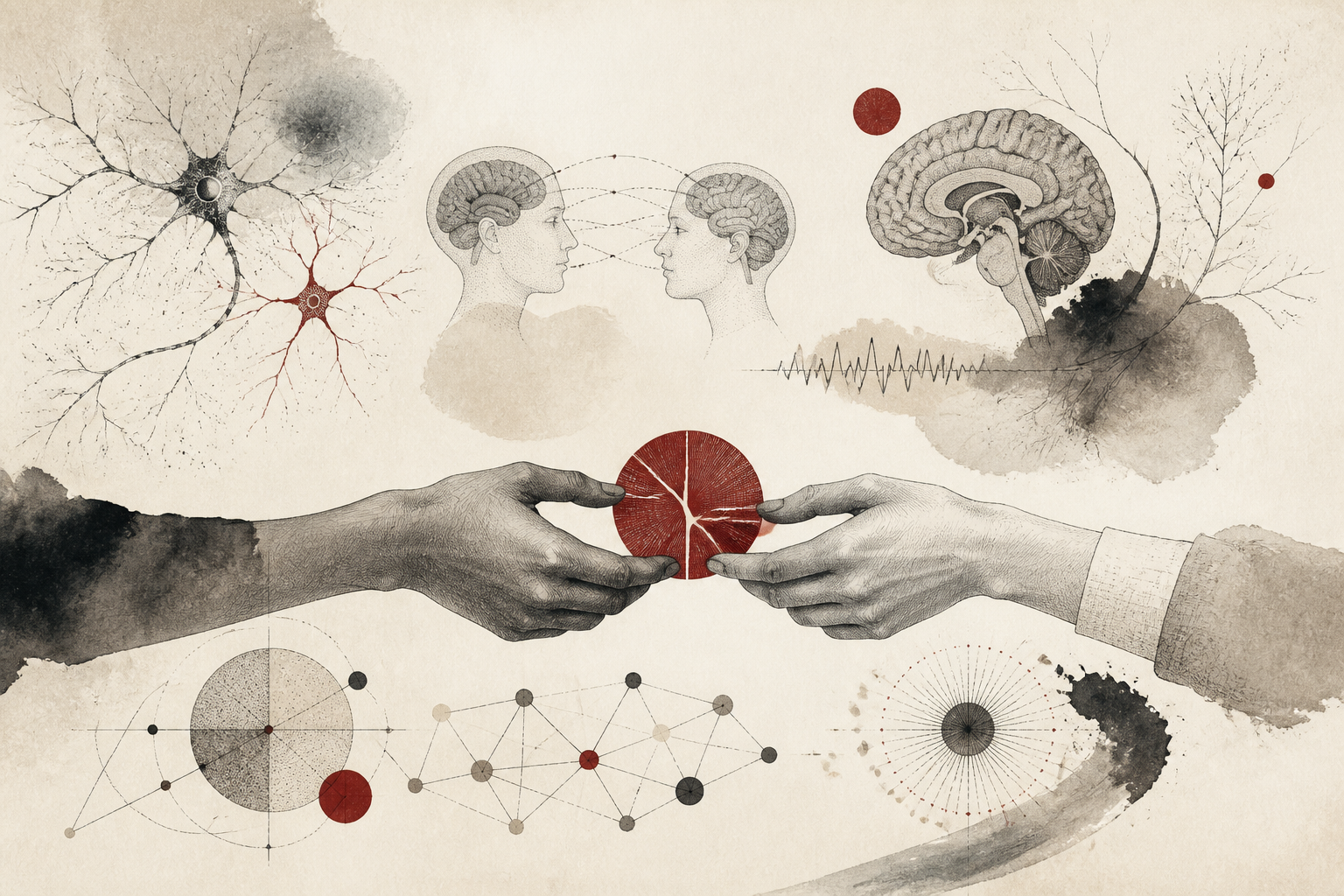 Game Theory
Mechanisms of Mutualism: How Spontaneous Cooperation Emerges in Humans
Recent findings suggest that human cooperation can flourish through simple psychological adaptations rather than complex social systems.
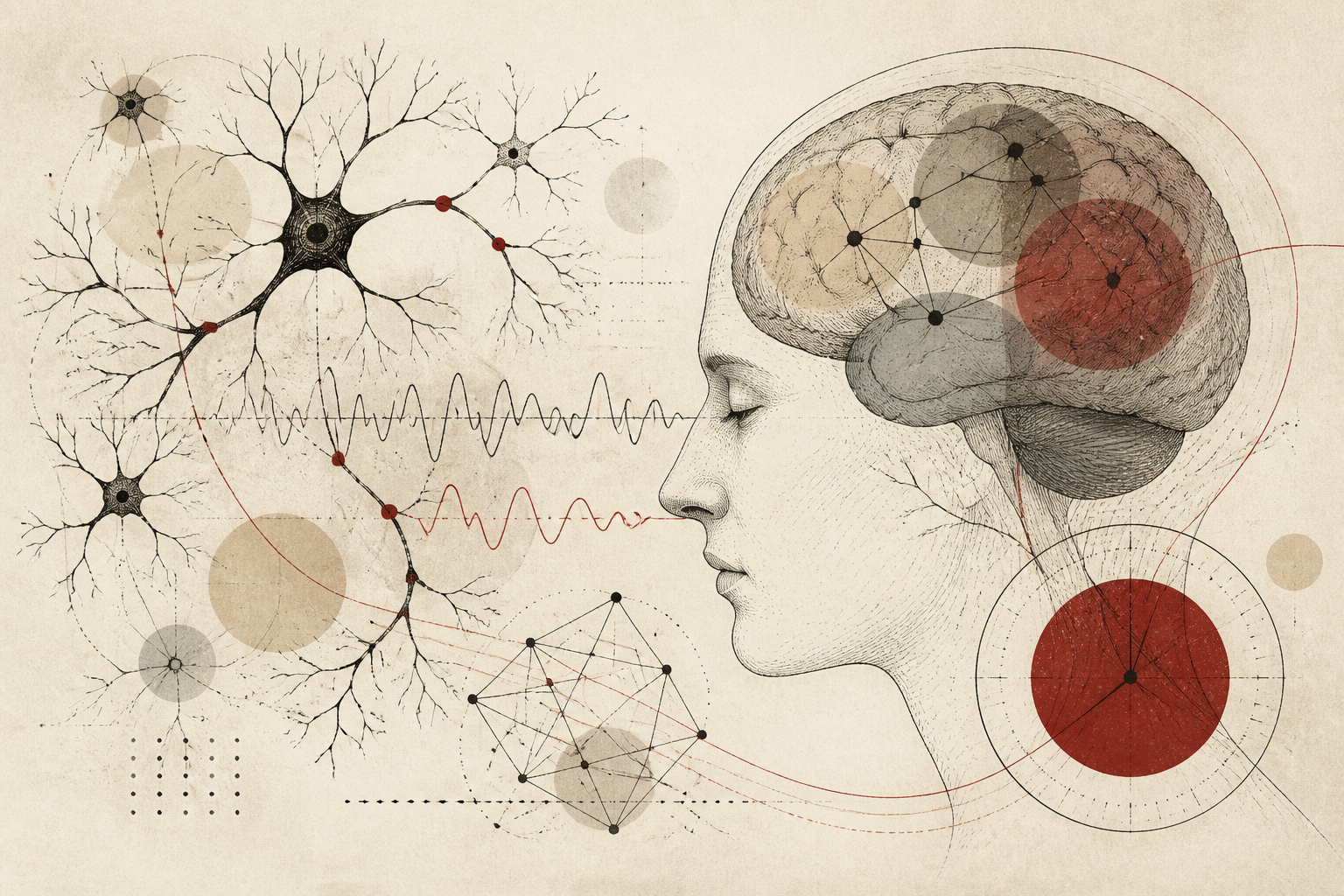 computational neuroscience
Sparse Neural Architecture Facilitates Regional Autonomy and Clock Synchronization
Researchers identify a delicate balance between local processing and global timing in the human cortex.
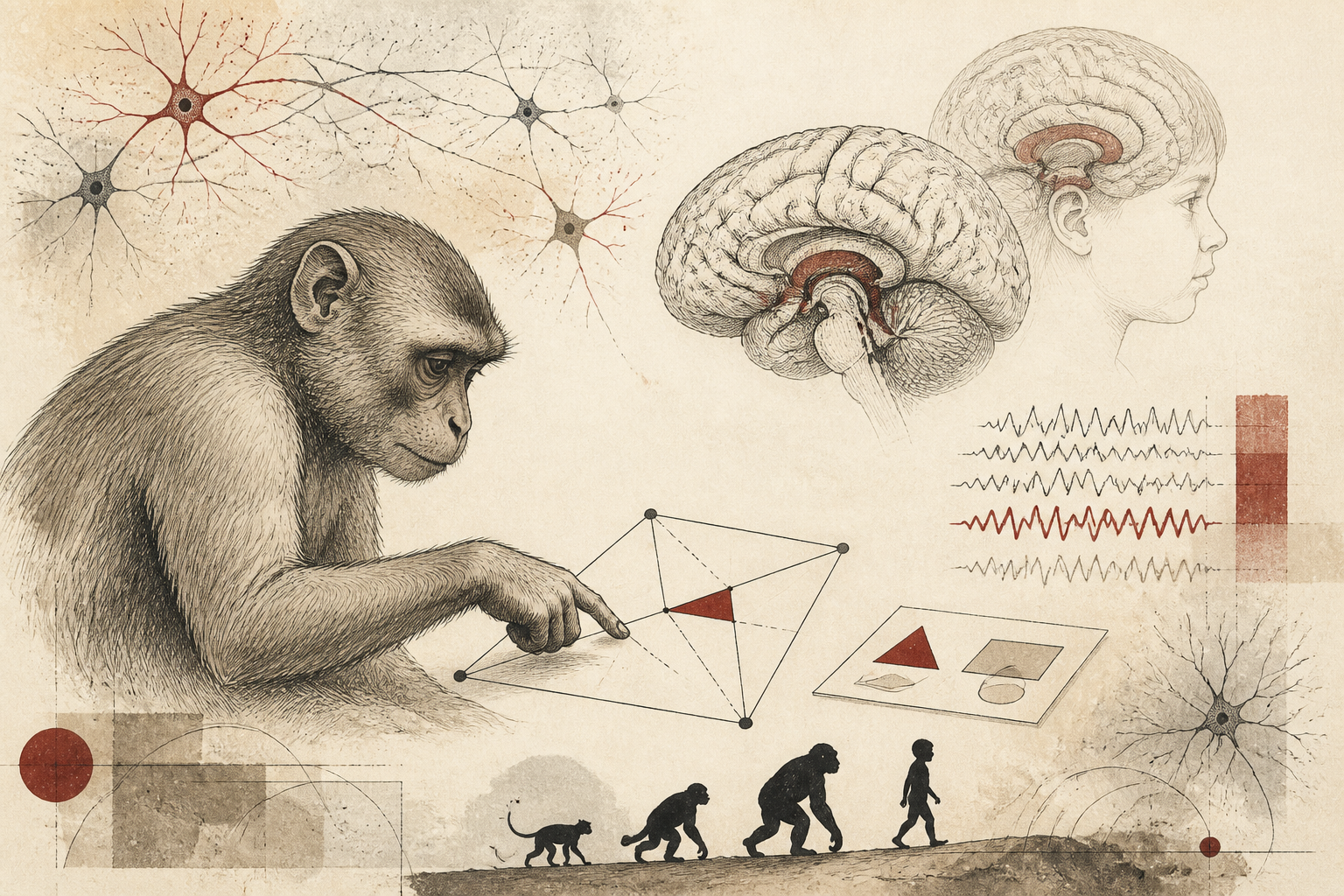 Comparative Psychology
Evolutionary Origins: Non-Human Primates Demonstrate Intuitive Geometric Sense
Recent research reveals that Rhesus macaques share a fundamental grasp of Euclidean geometry with human children, suggesting an ancient evolutionary origin for spatial logic.