News & Insights
Psychology, neuroscience and mental health.
- Neuroimaging
Mapping the Secondary Motor Cortex: A New Paradigm for Complex Coordination
Columbia University researchers have identified a hidden full-body map in the M2 region that orchestrates multi-limb movements through spontaneous neural activity.
 neuroenergetics
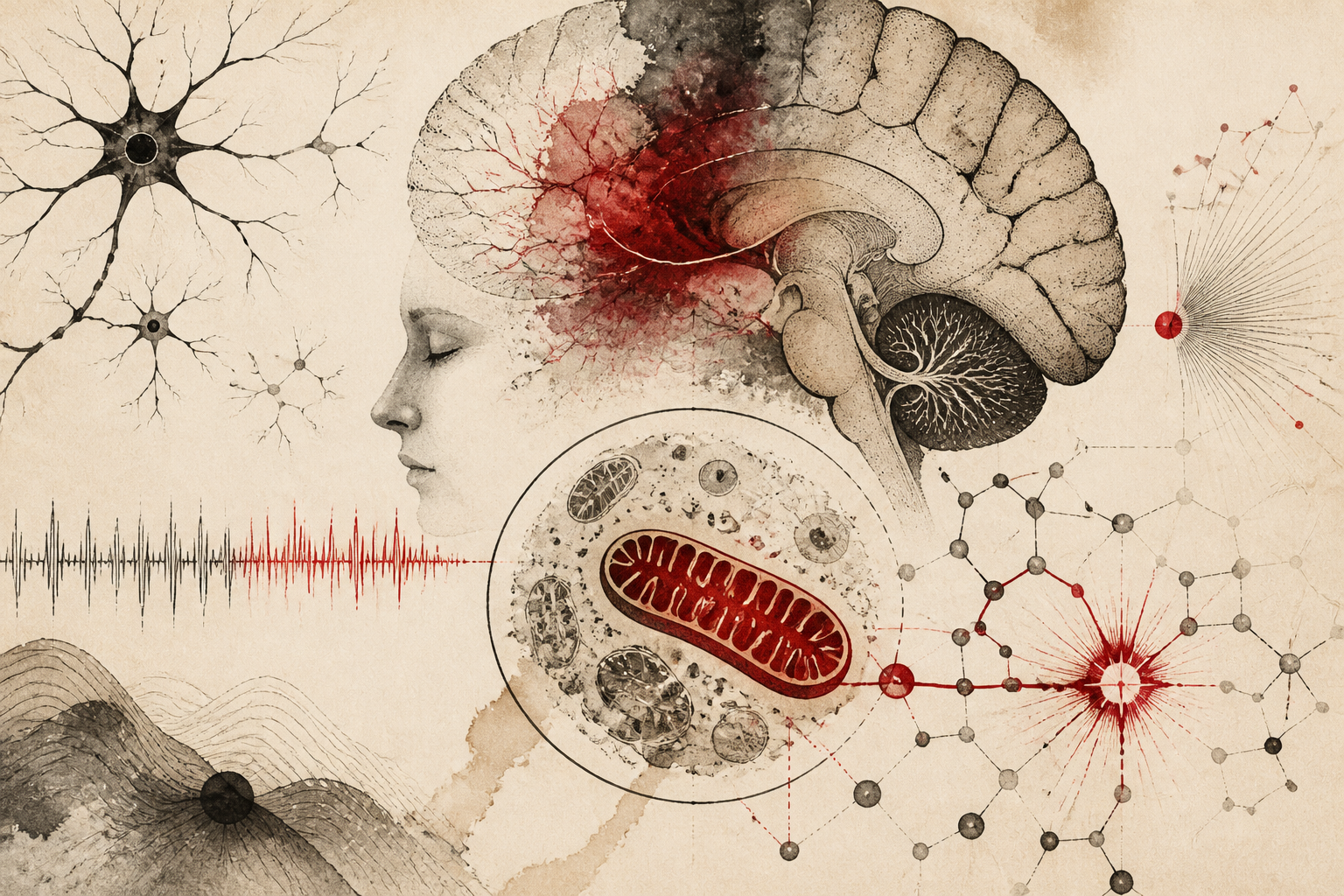
Mapping the Cerebral Metabolic Landscape: The Bioenergetics of Cognitive Processing
A comprehensive analysis of how the brain manages its metabolic budget, investigating the conversion of glucose to ATP and the energetic cost of neural computation.
 neurogenetics
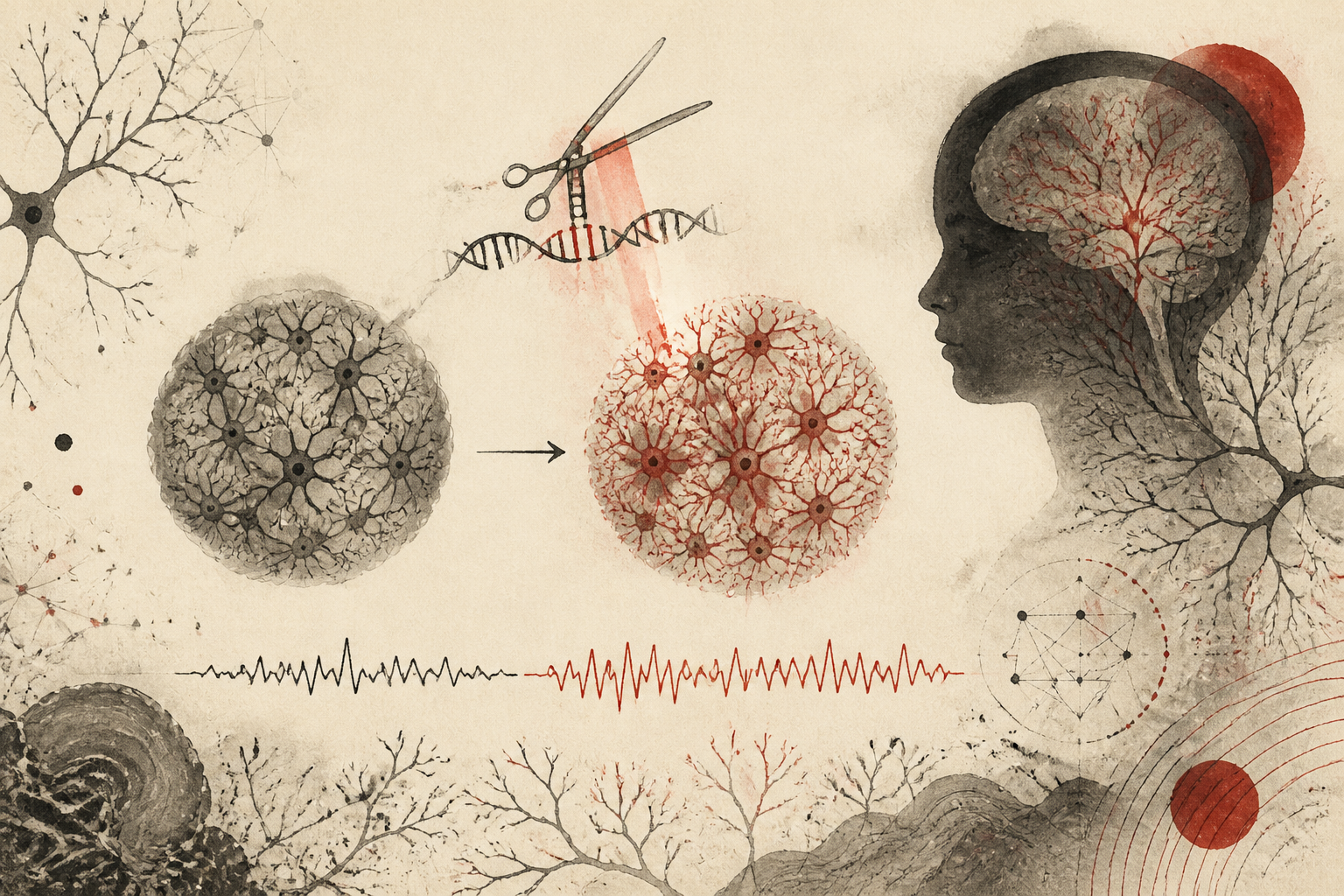
Precision CRISPR Activation Rescues Function in Autism-Linked Brain Organoids
Researchers have successfully used CRISPR-mediated gene enhancement to restore normal neural growth and activity in human organoid models of autism spectrum disorder.
 neurogenetics
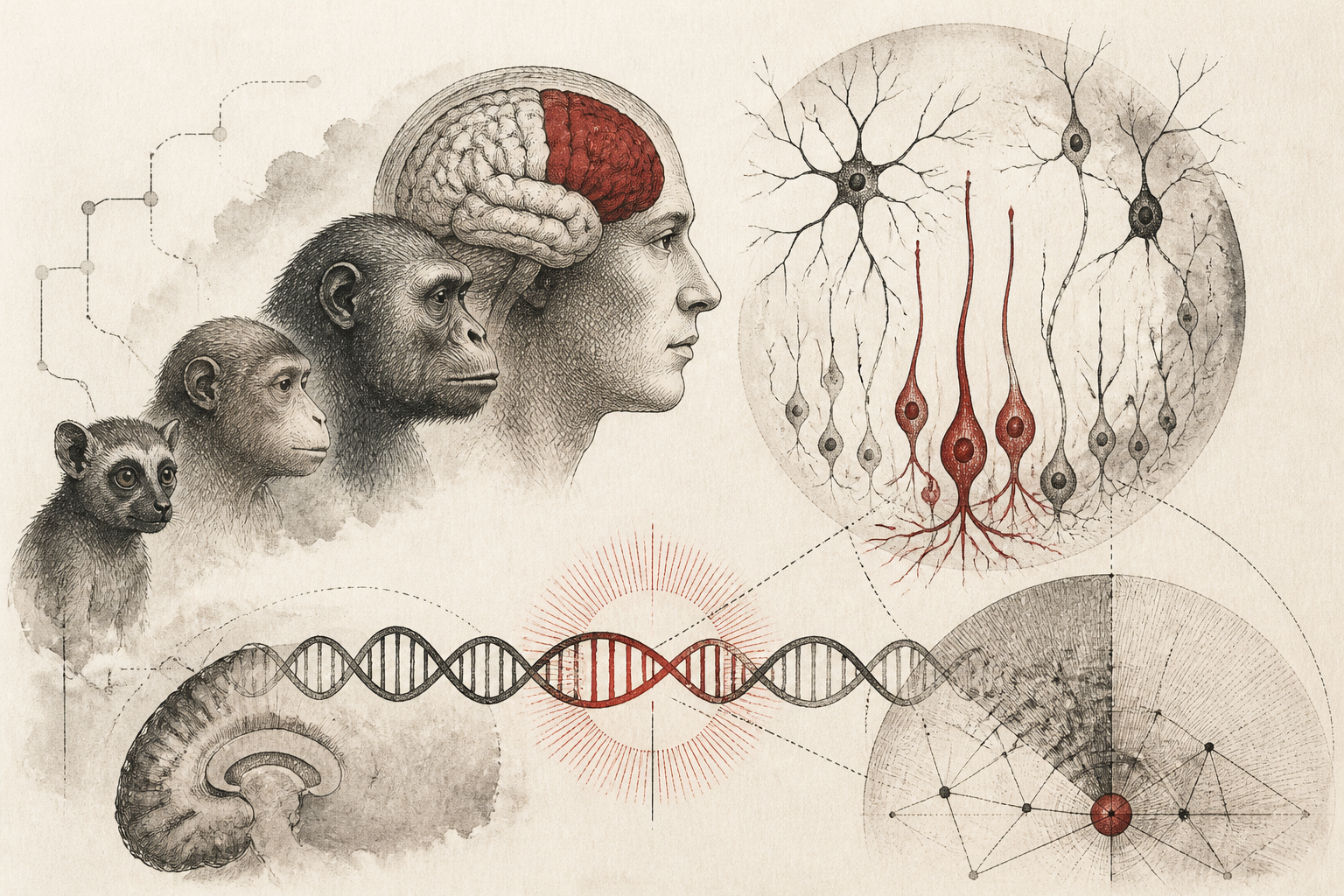
Unlocking Complexity: The Primate-Specific Genetic Switch Driving Cortical Expansion
Researchers identify a unique DNA regulatory element in primates that modifies the DACH1 gene to significantly increase the production of specialized neural stem cells.
 neurobiology
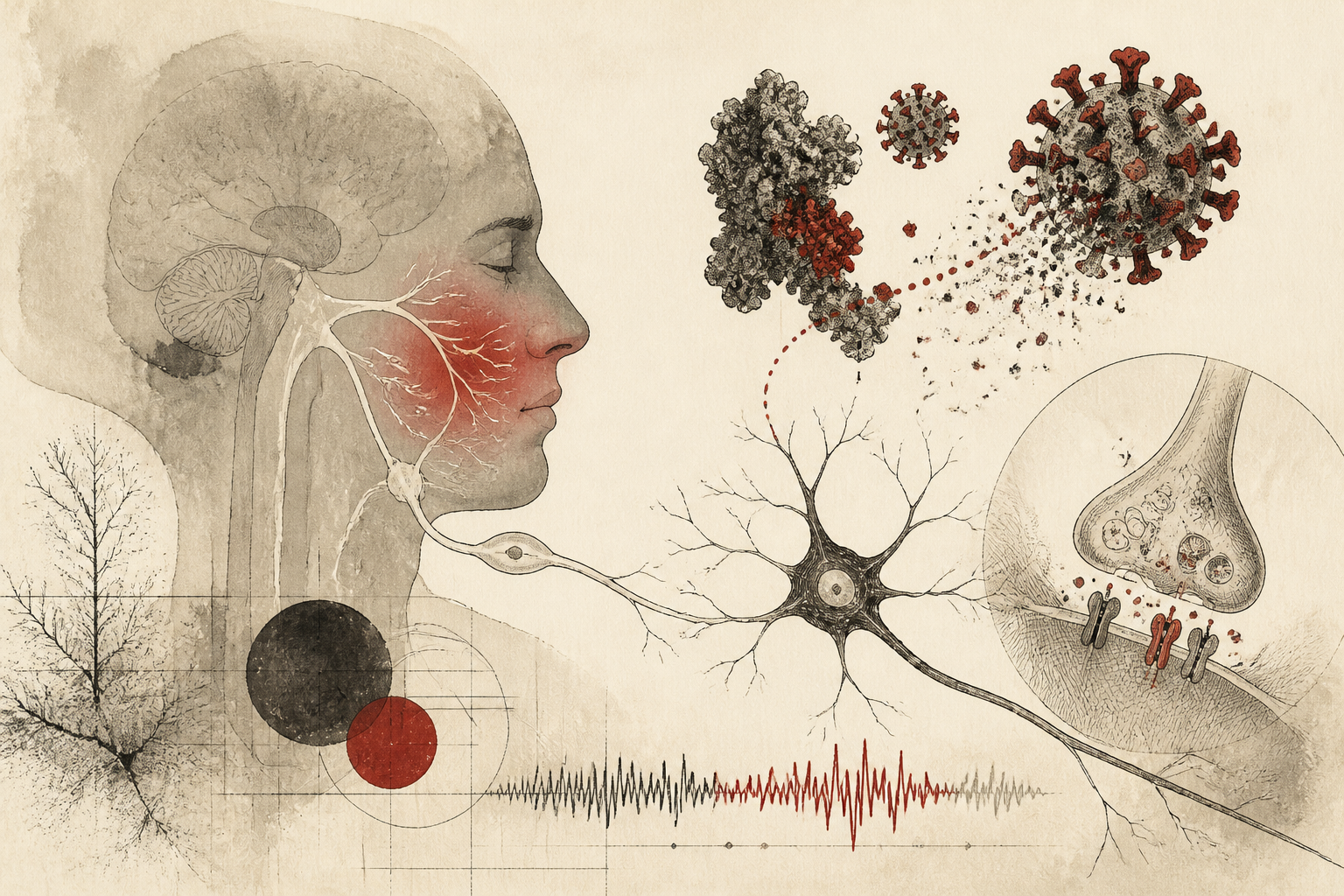
Viral Hijacking: How SARS-CoV-2 Proteins Directly Stimulate Sensory Nerves
Researchers have discovered that viral enzymes bypass the immune system to trigger respiratory symptoms by directly activating the TRPA1 'wasabi receptor' in sensory neurons.
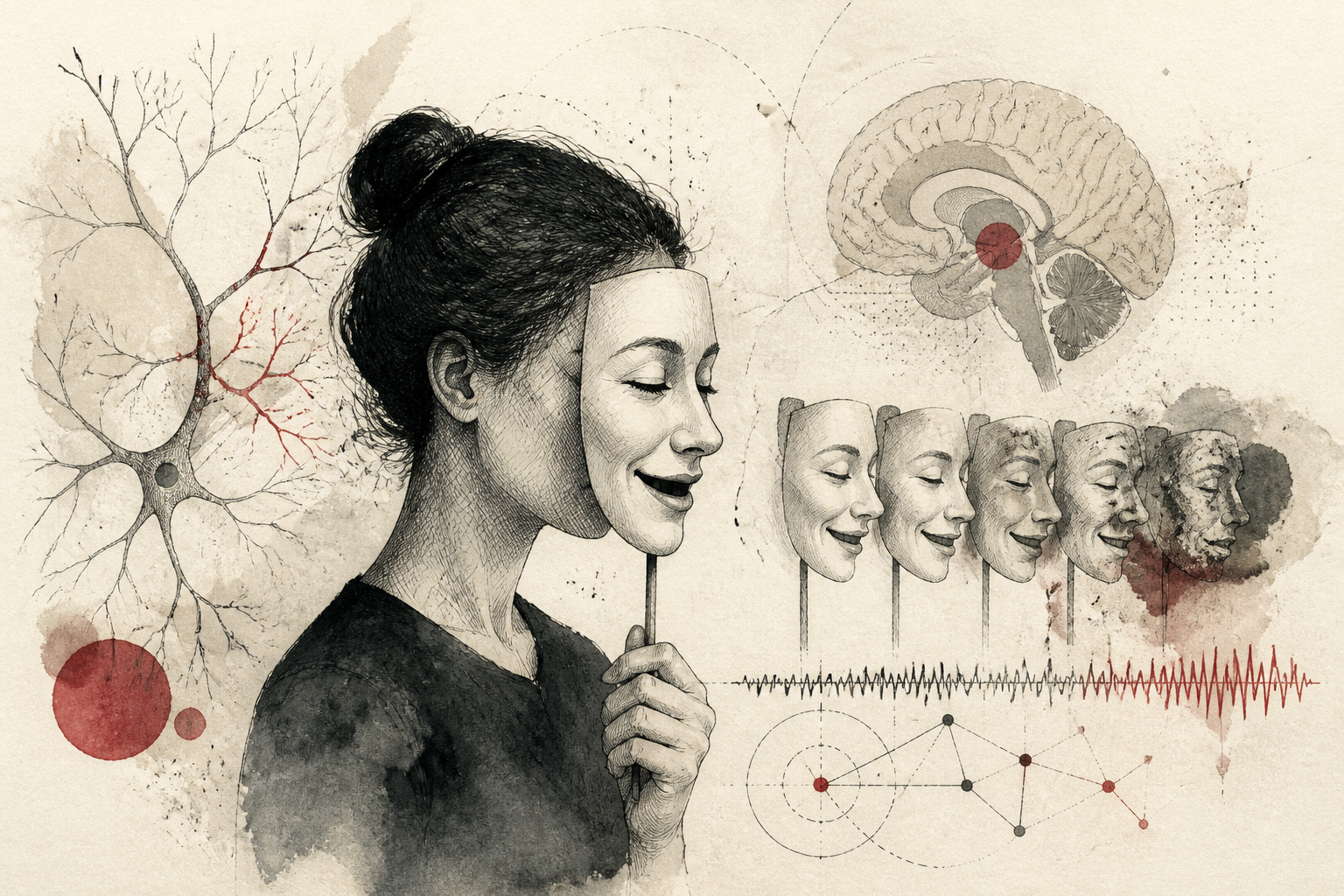 facial feedback hypothesis
The Limits of Facial Feedback: Why Repeated Forced Smiling May Diminish Emotional Well-Being
University of Florida researchers find that while a single forced smile offers a brief mood boost, repetitive artificial expressions may eventually exacerbate negative emotional states.
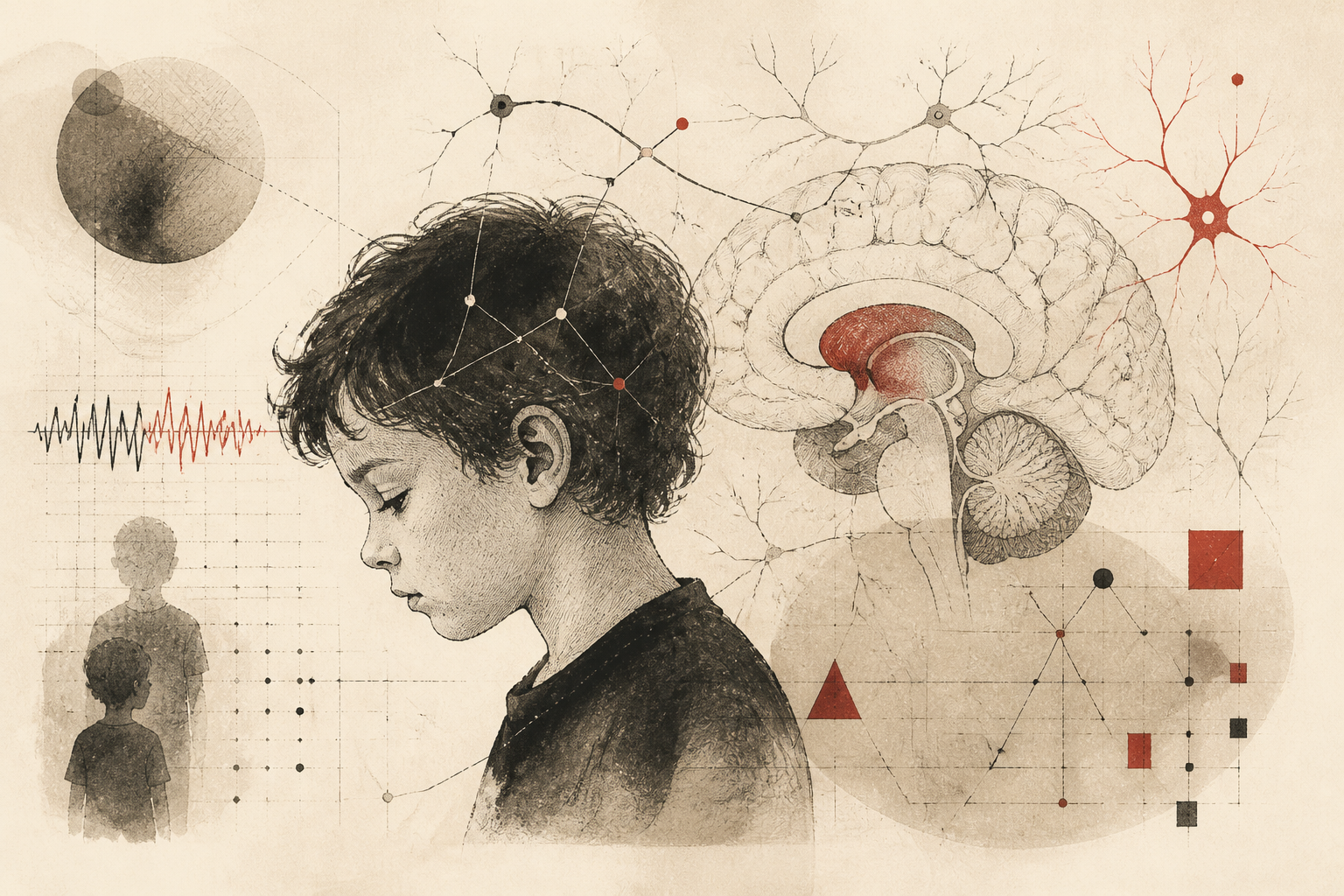 neuroimaging
Neurobiological Basis of Mathematical Learning Challenges Identified in Stanford Study
Stanford researchers reveal that persistent math difficulties in children stem from neural differences in strategy adaptation and cognitive flexibility rather than simple rote memorization.
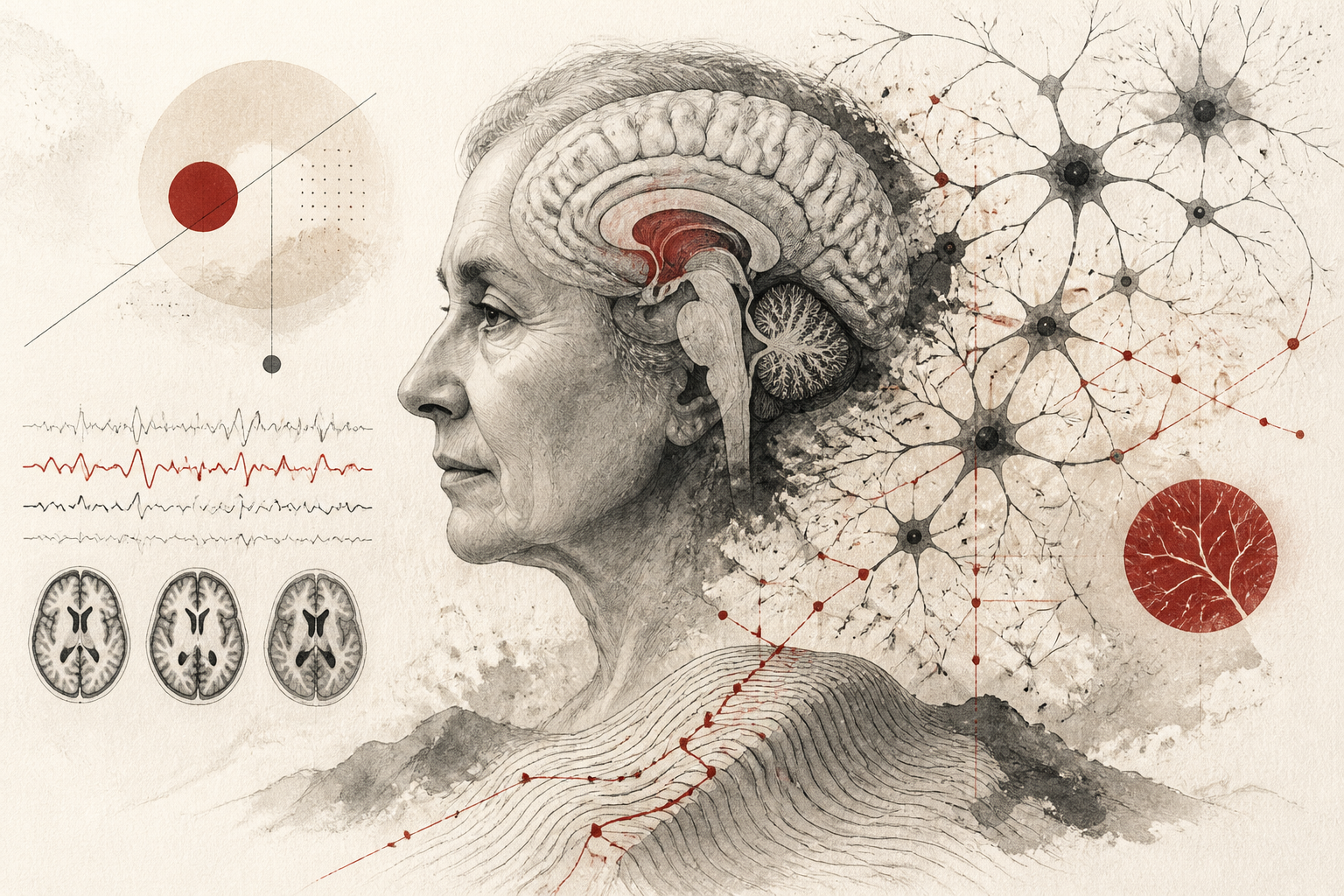 neuroimaging
Predictive Neural Patterns Offer Early Detection of Alzheimer’s Disease Progression
Stanford University researchers identify hidden brain signals that forecast Alzheimer’s risk years before clinical symptoms manifest, highlighting new avenues for cognitive resilience.
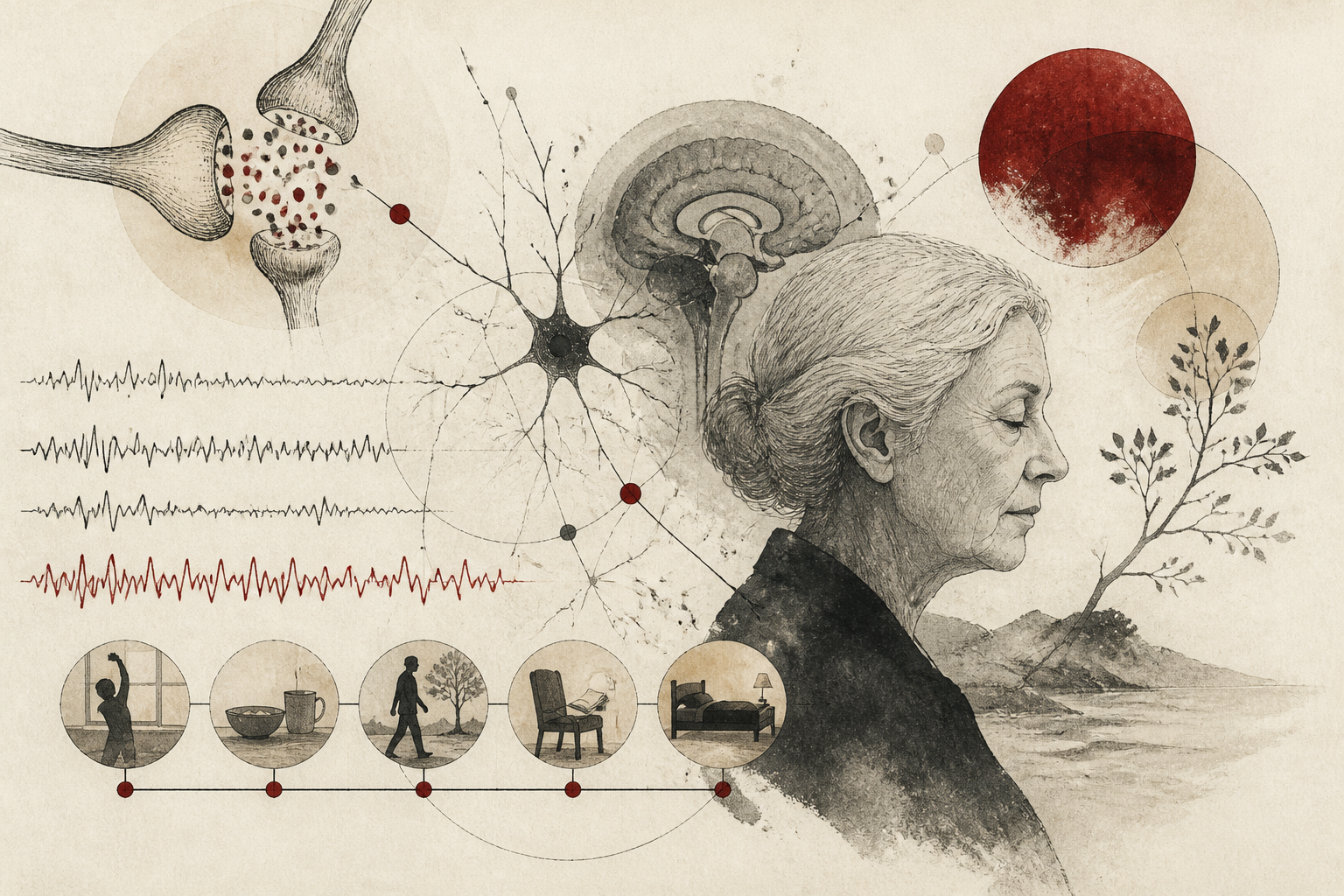 Gerontology
Daily Routine Consistency Linked to Reduced Pain and Depression in Older Adults
University of Missouri researchers discover that maintaining regular schedules for daily activities may mitigate physical and psychological distress, even amidst sleep disturbances.