Viral Hijacking: How SARS-CoV-2 Proteins Directly Stimulate Sensory Nerves
Researchers have discovered that viral enzymes bypass the immune system to trigger respiratory symptoms by directly activating the TRPA1 'wasabi receptor' in sensory neurons.
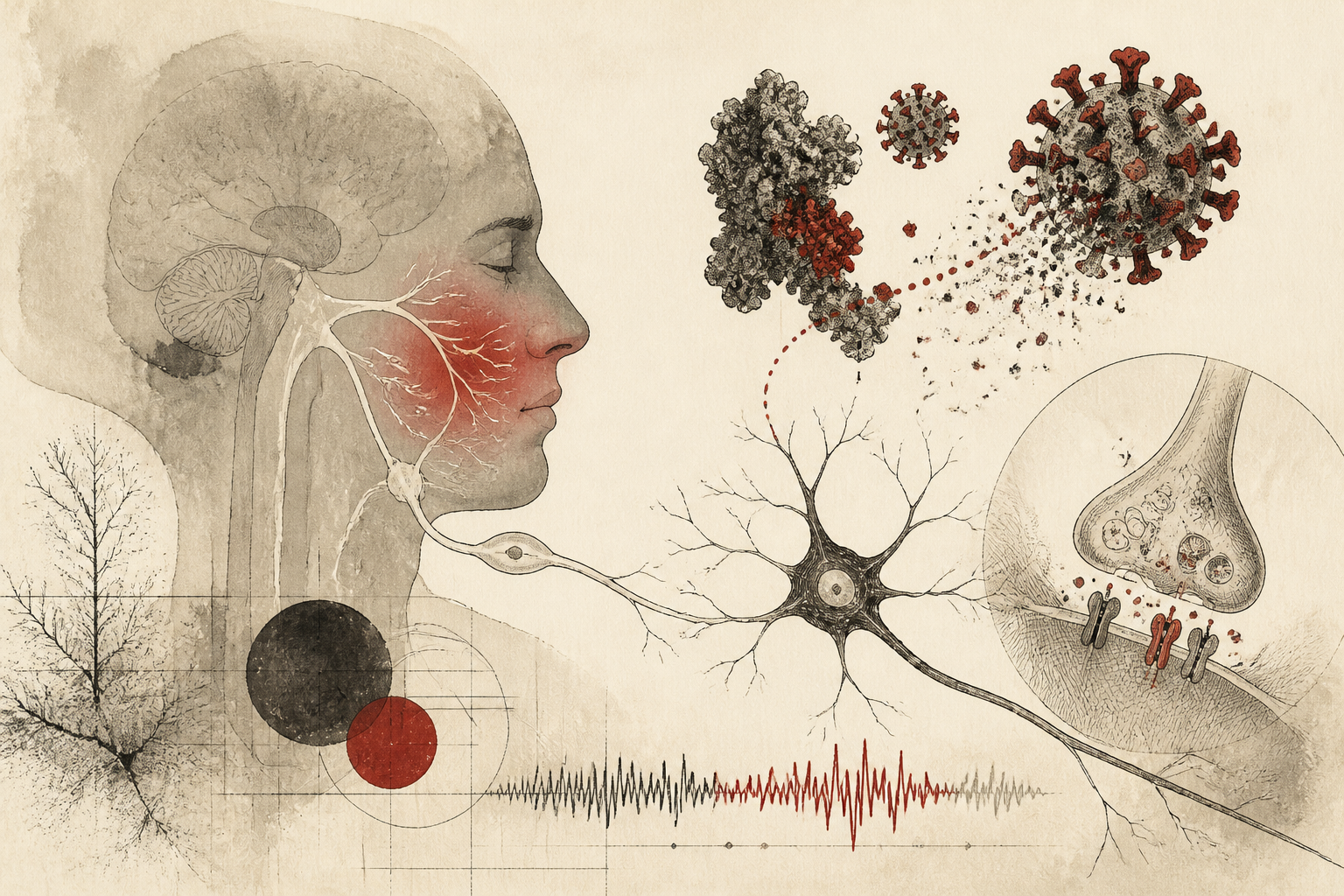
In the early phases of the COVID-19 pandemic, the global medical community largely attributed the hallmark symptoms of the virus—persistent coughing, sneezing, and generalized physical discomfort—to the body’s innate inflammatory response. The prevailing logic suggested that the immune system, upon detecting a viral invader, releases a cascade of cytokines that indirectly irritate the respiratory tract. However, recent findings published via NeuroscienceNews.com reveal a far more direct and insidious mechanism. Researchers have determined that SARS-CoV-2 does not merely wait for an immune response to cause irritation; instead, it utilizes specific viral enzymes to directly hijack pain-sensing nerves within the airway. This discovery shifts our understanding of viral pathology from a purely immunological perspective to one that integrates neurobiology, suggesting that the virus purposefully manipulates the nervous system to facilitate its own transmission.
The Mechanism of Neuro-Viral Interaction
The study centers on the interaction between viral proteins and a specific ion channel known as TRPA1, colloquially referred to as the "wasabi receptor." This receptor is located on the surface of nociceptors, which are sensory neurons responsible for detecting environmental irritants, extreme temperatures, and chemical threats. When TRPA1 is activated, it triggers a rapid electrical signal to the brain, resulting in protective reflexes such as coughing or sneezing. While these reflexes are intended to expel harmful substances, they also serve as a primary vector for viral spread. The research indicates that the SARS-CoV-2 papain-like protease, an enzyme essential for viral replication, acts as a direct agonist for these receptors. By bypassing the slower process of immune-mediated inflammation, the virus can induce respiratory symptoms almost immediately upon infection, ensuring that the host begins shedding viral particles through droplets as early as possible.
Rethinking the Inflammatory Paradigm
Historically, the discomfort associated with the common cold or influenza was viewed as "collateral damage" from the immune system’s warfare against the pathogen. Under this traditional model, inflammation causes tissue swelling and the release of chemicals like histamine, which then stimulate nearby nerve endings. While this process certainly occurs, the new research highlights that SARS-CoV-2 employs a parallel, faster pathway. By directly stimulating the TRPA1 receptors, the virus induces pain and respiratory reflexes even in the absence of significant inflammation. This helps explain why some patients experience debilitating coughs or body aches even when their inflammatory markers remain relatively low. It also suggests that the virus has evolved specific molecular tools to converse directly with the human nervous system, a strategy that likely provides an evolutionary advantage by maximizing the window of contagion.
Experimental Findings and the Role of Proteases
The investigative team focused on the specific role of viral proteases—enzymes that cleave proteins to facilitate viral assembly. They found that these proteases possess a unique chemical signature that fits into the TRPA1 receptor like a key into a lock. In laboratory settings, when sensory nerves were exposed to these viral enzymes, the nerves exhibited immediate electrical firing. This reaction was observed independently of any white blood cells or inflammatory signaling molecules, confirming that the nerve stimulation was a primary event rather than a secondary effect of infection. Furthermore, the study explored how this mechanism contributes to the "aching" sensation reported by COVID-19 patients. Because these sensory nerves are distributed throughout the respiratory tract and connected to broader neural networks, their sustained activation can lead to a systemic perception of pain and malaise, often before the patient is even aware they are sick.
Limitations and Future Academic Inquiry
While these findings represent a significant leap in our understanding of neuro-immunology, several questions remain for the academic community to address. First, the study primarily utilizes molecular models and cellular assays to demonstrate the direct activation of TRPA1; further longitudinal studies in human subjects are required to determine exactly how much this pathway contributes to total symptom severity compared to traditional inflammation. Additionally, it is unclear if this "hijacking" mechanism is unique to SARS-CoV-2 or if other respiratory viruses, such as the rhinovirus or RSV, utilize similar protease-driven pathways. There is also the question of long-term effects: if viral proteins are directly interacting with sensory neurons, could this contribute to the persistent neurological symptoms seen in "Long COVID"? Understanding whether these receptors can be permanently sensitized or damaged by viral proteases will be a critical area of future research.
Clinical Implications and Therapeutic Potential
The recognition that viral symptoms are driven by direct neural stimulation opens new doors for pharmacological intervention. Current treatments for viral symptoms often rely on anti-inflammatory drugs like ibuprofen or corticosteroids, which may not effectively target the direct neurogenic irritation caused by the virus. If the TRPA1 receptor is the primary gateway for viral-induced coughing and pain, then TRPA1 antagonists—drugs that block the receptor—could potentially provide more targeted relief. Such treatments would not only improve patient comfort but could also theoretically reduce the transmission rate of the virus by suppressing the cough reflex that aerosolizes viral particles. For Zeit Psychology Online University students and practitioners, this research underscores the necessity of a multidisciplinary approach to health, where the boundaries between neurology, virology, and psychology are increasingly blurred in the face of complex infectious diseases.
Quick answers
- Why does COVID-19 make you sneeze and cough?
- Beyond immune inflammation, the virus uses enzymes to directly activate 'wasabi receptors' (TRPA1) on sensory nerves in the airway, triggering the cough reflex.
- What is the wasabi receptor or TRPA1?
- TRPA1 is an ion channel on pain-sensing neurons that detects irritants. SARS-CoV-2 proteases hijack this receptor to signal the brain to cough or sneeze.
- Can blocking the TRPA1 receptor help treat COVID symptoms?
- Research suggests TRPA1 antagonists could potentially block the direct neural irritation caused by the virus, providing a new target for treating cough and pain.
Editorial Team