
Psychology and Neuroscience University
We study the mind and the brain across every scale — synapses and circuits, cognition and behaviour, clinical intervention and population mental health — and we teach it entirely online, with the rigour of a research faculty.
- Study mode
- 100% online
- Degree levels
- BSc · MSc · PhD
- BSc credits
- 180 ECTS
- Intakes / year
- Sept & Feb

Live seminars and recorded lectures from a research faculty.
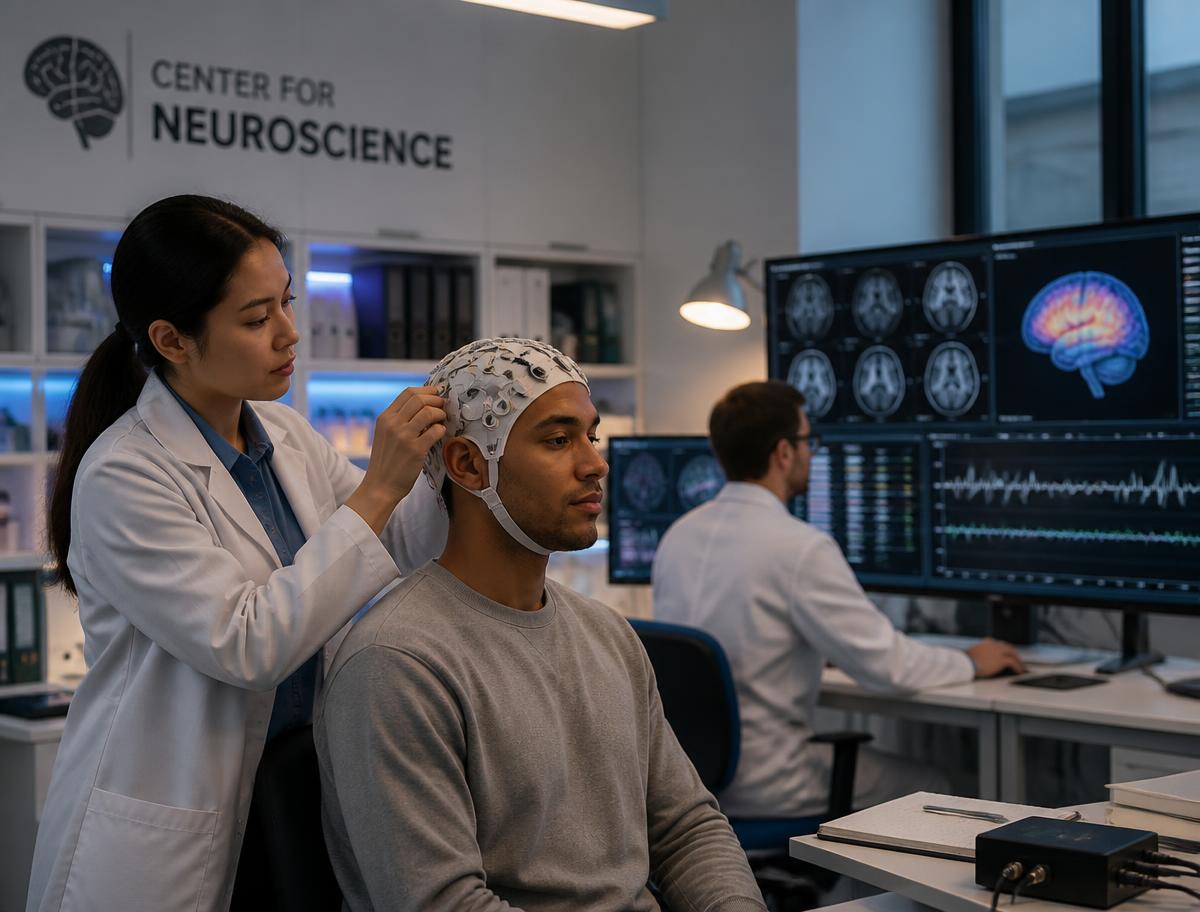
EEG, neuroimaging and clinical trials run by our own teams.

Full digital library access and peer-reviewed publishing support.
Study with us
All programmes →BSc in Psychology
Foundational program covering cognitive, developmental, clinical, and social psychology with a research-methods core.
BSc in Neuroscience
Interdisciplinary program spanning cellular, systems, and cognitive neuroscience with hands-on lab rotations.
MSc in Cognitive Neuroscience
Advanced training in neuroimaging, computational modeling, and experimental design.
MSc in Clinical Psychology
Evidence-based clinical training with supervised practicum in Zeit-affiliated clinics.
PhD in Clinical Neuroscience
A Level 8 doctoral research degree in clinical neuroscience: 197 academic credits across advanced coursework, eight research seminars and an original doctoral dissertation defended publicly before an academic committee.
Research from our faculty
All papers →- 01
Prefrontal dynamics of sustained attention in high-load tasks
Haddad, A., Rostova, E., Watanabe, K. · Mar 14, 2025
We report evidence for a distributed prefrontal-parietal network that scales activity with cognitive load, using 7T fMRI in 128 participants performing a modified n-back task.
- 02
Passive smartphone signals as early indicators of depressive relapse
Marquez, S., Haddad, A. · Jan 22, 2025
A 12-month prospective cohort study of 412 individuals shows that changes in typing dynamics and mobility patterns precede clinical relapse by an average of 9 days.
Zeit News
On psychology, neuroscience, and the Neurolab
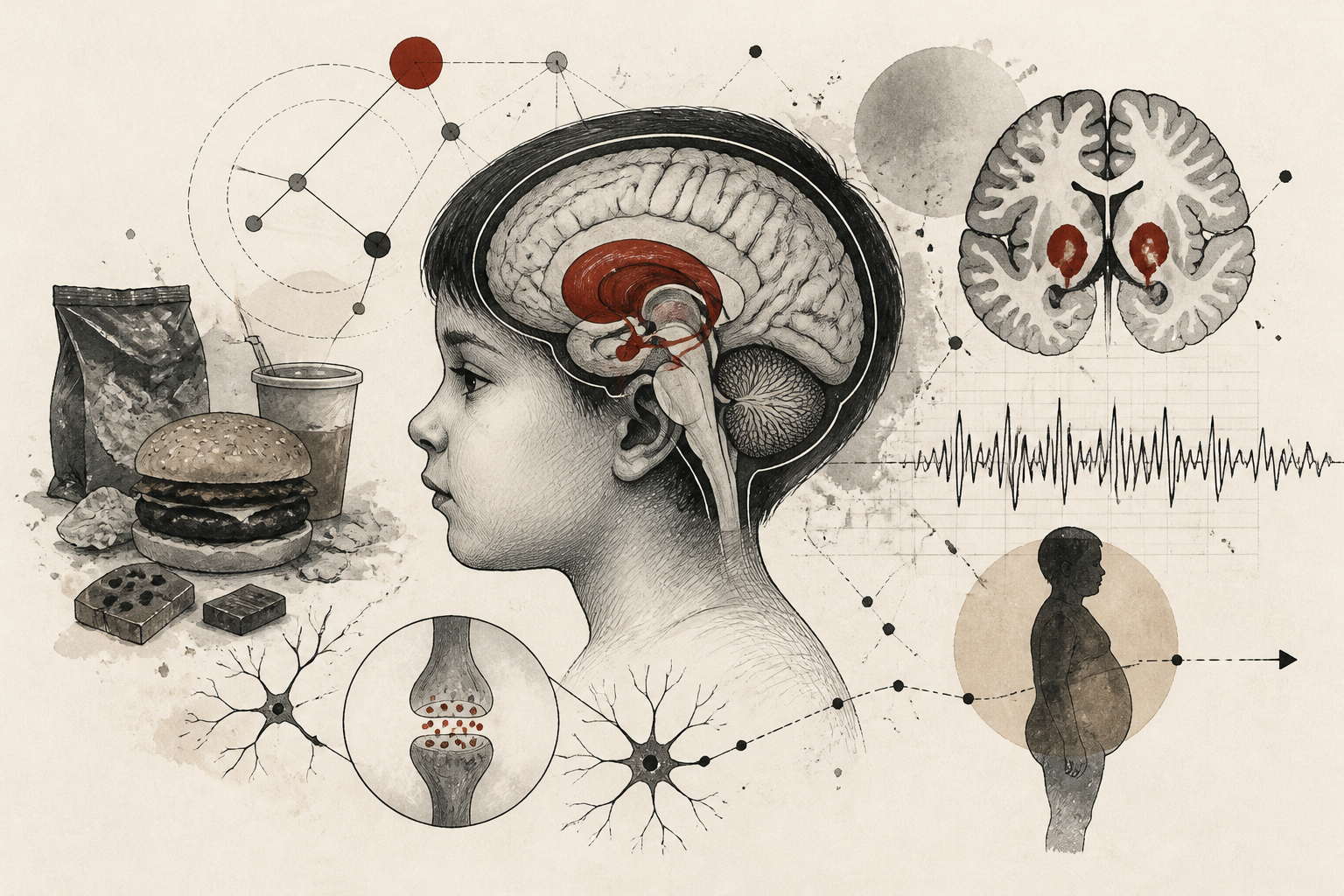
Ultra-Processed Foods Alter Reward Circuitry in the Developing Brain
A longitudinal study identifies how high intake of ultra-processed foods sensitizes the dorsal striatum in children, predicting weight gain and increased body fat over time.
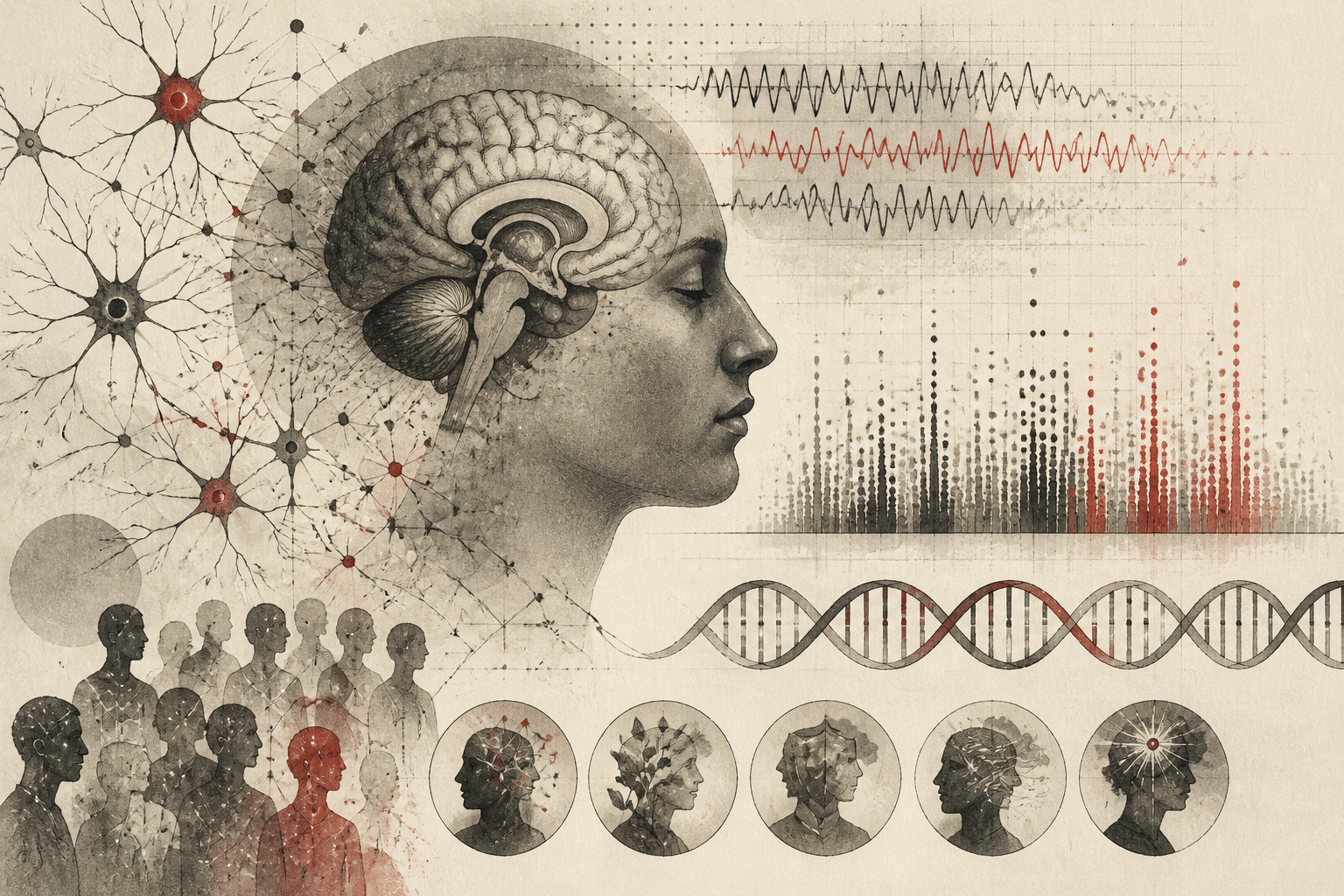
Mapping the Genomic Landscape: How Polygenic Variants Shape the Five Factors of Personality
A massive genome-wide association study identifies 1,260 genetic loci influencing personality, demonstrating that human character emerges from thousands of minor molecular variations.
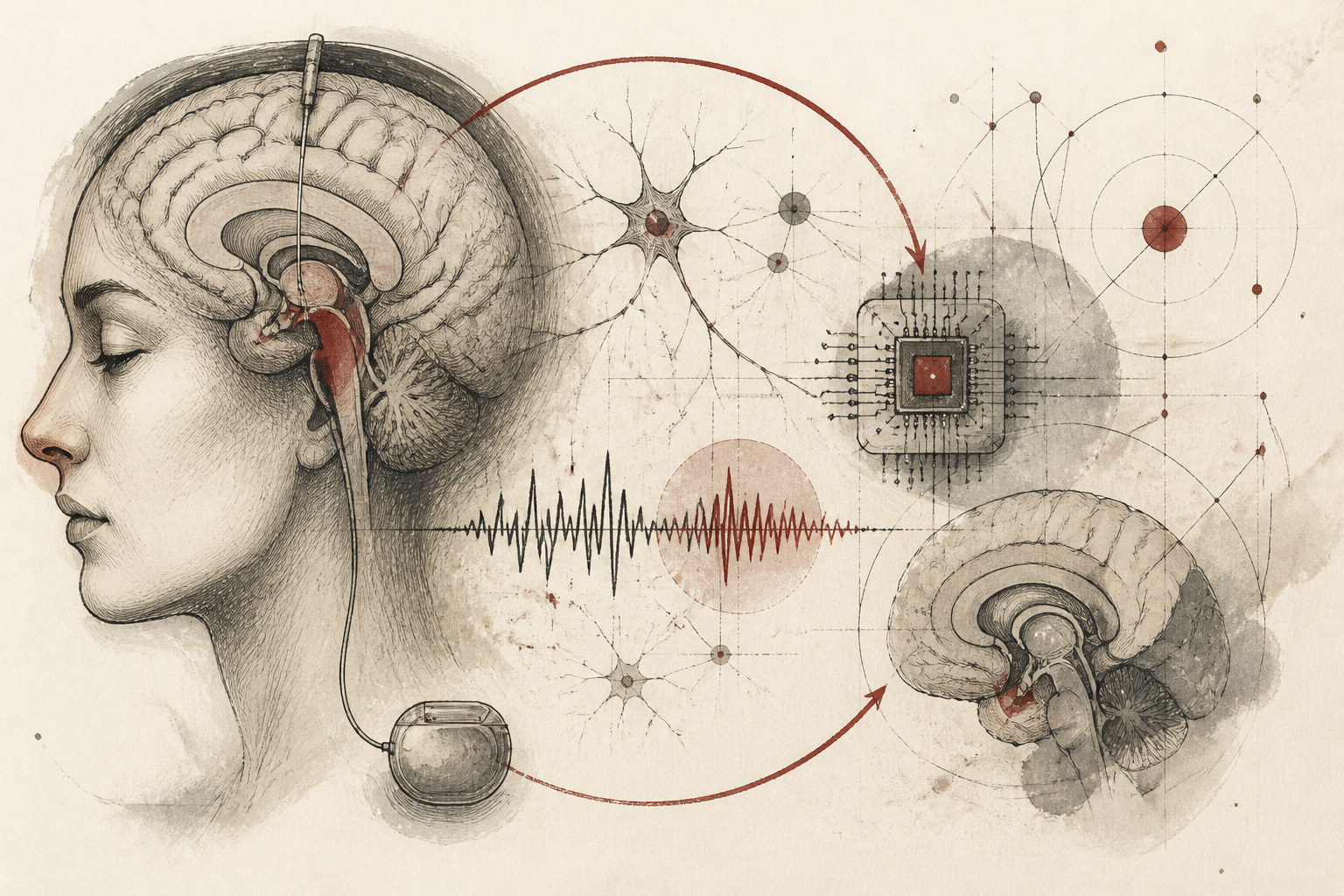
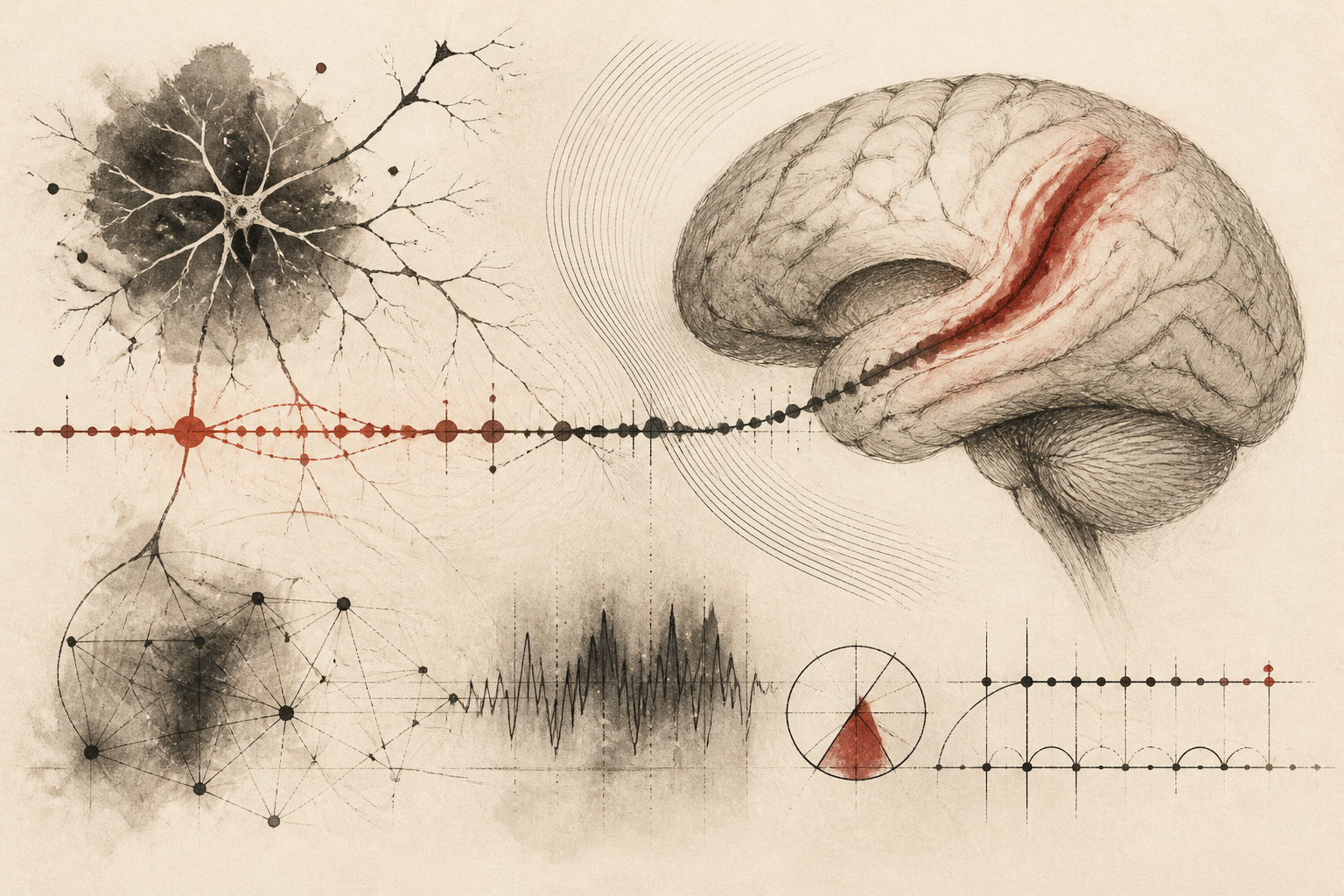
Closing the Loop: A Low-Power Breakthrough in Adaptive Neuromodulation for Depression
EPFL researchers have developed LogSync, a neural chip that enables real-time, responsive deep brain stimulation by monitoring complex network oscillations with minimal power consumption.
Applications are open for the next intake
Speak with admissions, review entry requirements, or request the full programme handbook. Our admissions assistant answers questions on any page, at any hour.