Cerebral Venous Flow Identified as Key Regulator of Brain Waste Clearance
New research published in Nature Neuroscience clarifies how cerebral venous blood flow manages intracranial pressure and the lymphatic evacuation of metabolic debris.
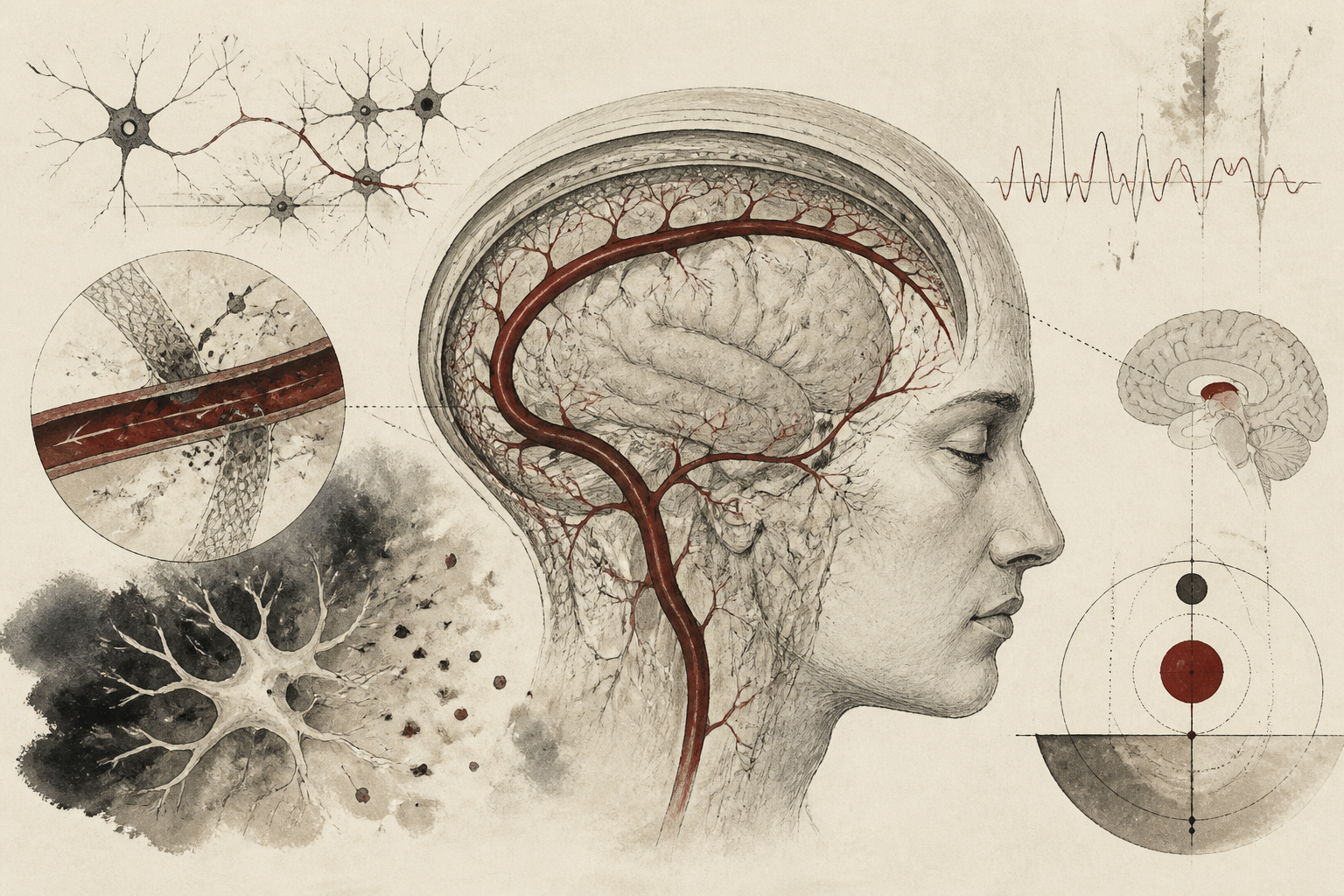
A recent study published in *Nature Neuroscience* has provided critical insights into the physiological mechanisms governing brain health, specifically focusing on how cerebral venous blood flow influences intracranial pressure and the clearance of metabolic waste. While previous research has emphasized the role of arterial pulsations and the glymphatic system in brain health, this new data suggests that the venous system plays an equally vital role in maintaining the brain's internal environment.
According to the findings, the regulation of blood flow through the cerebral veins is fundamentally linked to the function of meningeal lymphatic vessels. These vessels serve as the primary drainage routes for the brain, carrying fluids and waste products out of the skull. The researchers demonstrated that fluctuations in venous pressure directly modulate the rate at which these lymphatic channels transport fluid. When venous flow is optimized, the brain is more efficient at clearing potentially harmful proteins, which are often associated with neurodegenerative conditions.
Furthermore, the study highlights a sophisticated feedback loop between intracerebral pressure and drainage efficiency. By regulating the volume of blood within the venous compartments, the body can stabilize the pressure exerted on neural tissues. This discovery challenges traditional models that prioritized arterial input as the primary driver of fluid dynamics. For the academic community at Zeit Psychology Online University, these findings offer a deeper understanding of the vascular-lymphatic interface and its implications for long-term cognitive health.
The authors conclude that impaired venous circulation could be a significant contributor to the buildup of metabolic debris, suggesting new avenues for clinical research into vascular-related cognitive decline. The integration of venous hemodynamics into our understanding of the 'waste-clearance' model marks a significant shift in neurovascular biology.
Source: *Nature Neuroscience*
Quick answers
- What is the primary role of meningeal lymphatic vessels mentioned in the study?
- They act as drainage routes for cerebrospinal fluid and metabolic waste, helping maintain brain health.
- How does venous blood flow affect intracranial pressure?
- Venous flow regulates the volume of blood in the brain, which directly influences the stability of internal pressure.
- Why is this research significant for neurodegenerative diseases?
- It identifies venous circulation as a key factor in clearing proteins that, when accumulated, contribute to cognitive decline.
Rewritten by Zeit editorial AI. Based on original reporting at Nature Neuroscience.