Neuro-Immune Response Linked to Alzheimer’s Tipping Point
Recent findings suggest that the specific reaction of brain immune cells to protein buildup determines the transition from cellular changes to clinical dementia.
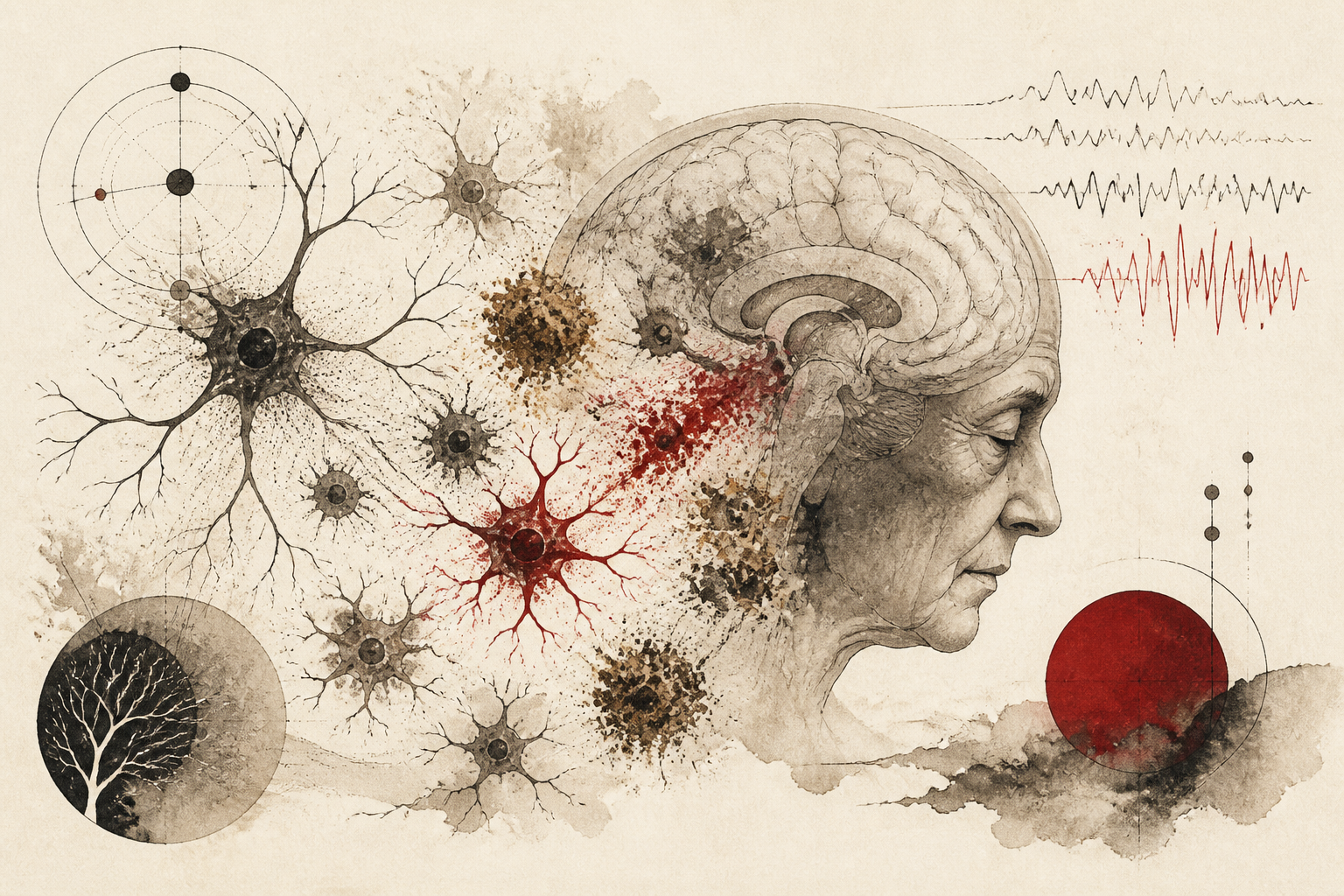
Researchers have identified a critical biological marker that may explain why some individuals remain cognitively intact despite exhibiting the physiological hallmarks of Alzheimer’s disease. In a report originally published via ScienceDaily, scientists describe a 'tipping point' involving the brain’s innate immune system, which appears to govern the progression from asymptomatic brain changes to clinical dementia.
The study focuses on the interaction between amyloid-beta plaques, tau tangles, and the brain's specialized immune cells, known as microglia. While the accumulation of these proteins has long been recognized as a primary characteristic of Alzheimer’s, the presence of plaques alone does not always result in cognitive decline. The researchers found that the specific manner in which immune cells respond to these proteins may be the decisive factor.
In individuals who demonstrate cognitive resilience, immune cells appear to manage these protein deposits effectively, preventing widespread neuronal damage. Conversely, when the immune response crosses a specific threshold—referred to as the tipping point—it triggers a cascade of neuroinflammation that leads to significant cognitive impairment. This paradigm shift suggests that dementia is not solely a result of protein toxicity but is heavily influenced by the brain’s secondary inflammatory response.
These findings suggest a new direction for therapeutic interventions. Rather than focusing exclusively on the removal of amyloid-beta, future treatments might target the modulation of the immune response to maintain the brain in a resilient state. By stabilizing this immunological tipping point, medical professionals may be able to delay or prevent the onset of dementia symptoms in at-risk populations. This research highlights the complex intersection of neurology and immunology in understanding neurodegenerative conditions.
Quick answers
- What is the Alzheimer's tipping point described in recent research?
- It is a threshold where the brain’s immune cells switch from a protective state to a harmful inflammatory response in the presence of Alzheimer's proteins.
- Can you have brain plaques without developing dementia?
- Yes, research indicates that some individuals exhibit cognitive resilience, where their immune systems manage plaques and tau without causing significant cognitive decline.
- How might this discovery change Alzheimer's treatments?
- Therapies may move beyond protein removal to focus on modulating immune cell reactions, aiming to maintain the brain’s resilience against protein-induced damage.
Rewritten by Zeit editorial AI. Based on original reporting at ScienceDaily — Mind & Brain.