Time-Restricted Feeding May Enhance Cognitive Function in Older Adults
New research suggests that limiting daily food intake to an eight-hour window may bolster executive function and brain health in aging populations.
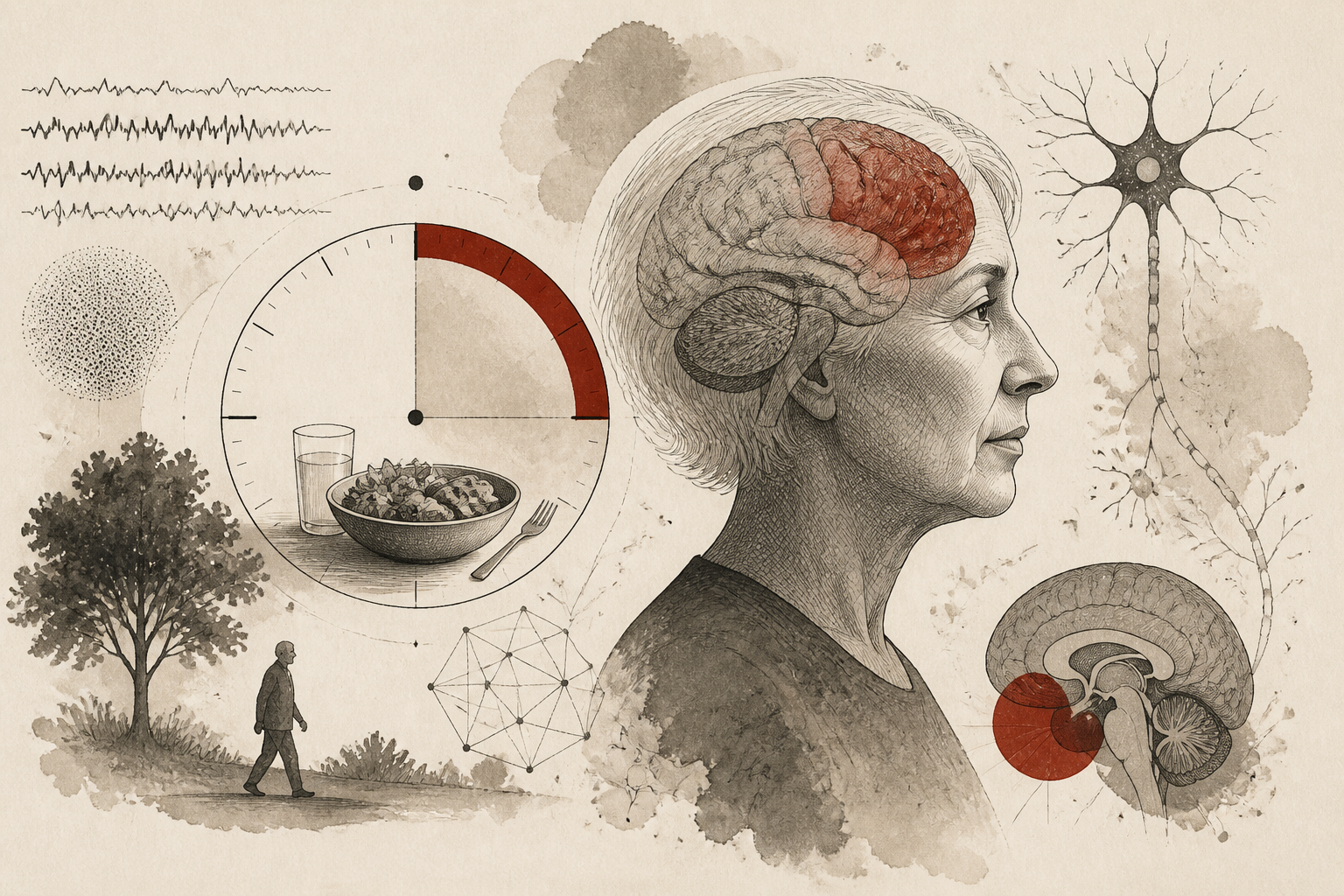
A recent clinical trial has highlighted a potential link between the timing of food consumption and the preservation of cognitive abilities in older adults. As reported by ScienceDaily, researchers investigated whether a six-month regimen of time-restricted feeding could influence neurological performance in women during the aging process. The study compared participants who limited their daily caloric intake to a window of eight to nine hours against a control group that consumed meals over a standard twelve-hour period.
The findings indicated that the group following the shorter eating window demonstrated superior performance on assessments measuring planning abilities and problem-solving skills, which are core components of executive function. Notably, while both the experimental and control groups experienced comparable levels of weight loss during the six-month period, the cognitive benefits were uniquely associated with the time-restricted group. This suggests that the physiological benefits of fasting periods may extend beyond metabolic weight management to include neuroprotective effects.
From a psychological and neurological perspective, these results contribute to a growing body of evidence regarding the gut-brain axis and the impact of circadian rhythms on mental acuity. The researchers hypothesize that the timing of nutrient intake—rather than just the caloric volume—may play a significant role in maintaining cognitive sharpness as the brain ages. While the trial was small in scale, focusing specifically on older women, it provides a foundation for further longitudinal studies into how dietary scheduling can be utilized as a non-pharmacological intervention against age-related cognitive decline.
Direct attribution for this study is credited to ScienceDaily — Mind & Brain, which first reported on the trial's implications for geriatric health and neurobiology.
Quick answers
- What were the primary cognitive benefits observed in the study?
- Participants showed improved performance in executive functions, specifically in planning and problem-solving tasks.
- Did weight loss account for the improvement in brain function?
- No, both groups lost similar amounts of weight, suggesting the cognitive gains were due to the timing of eating rather than the weight loss itself.
- How long was the daily eating window in the experimental group?
- The experimental group restricted their food intake to a period of approximately eight to nine hours per day.
Rewritten by Zeit editorial AI. Based on original reporting at ScienceDaily — Mind & Brain.