Adolescent Psychedelic Exposure Linked to Lasting Neurocognitive Deficits
Recent research indicates that early exposure to certain synthetic psychedelics may permanently disrupt the neural synchrony required for effective decision-making.
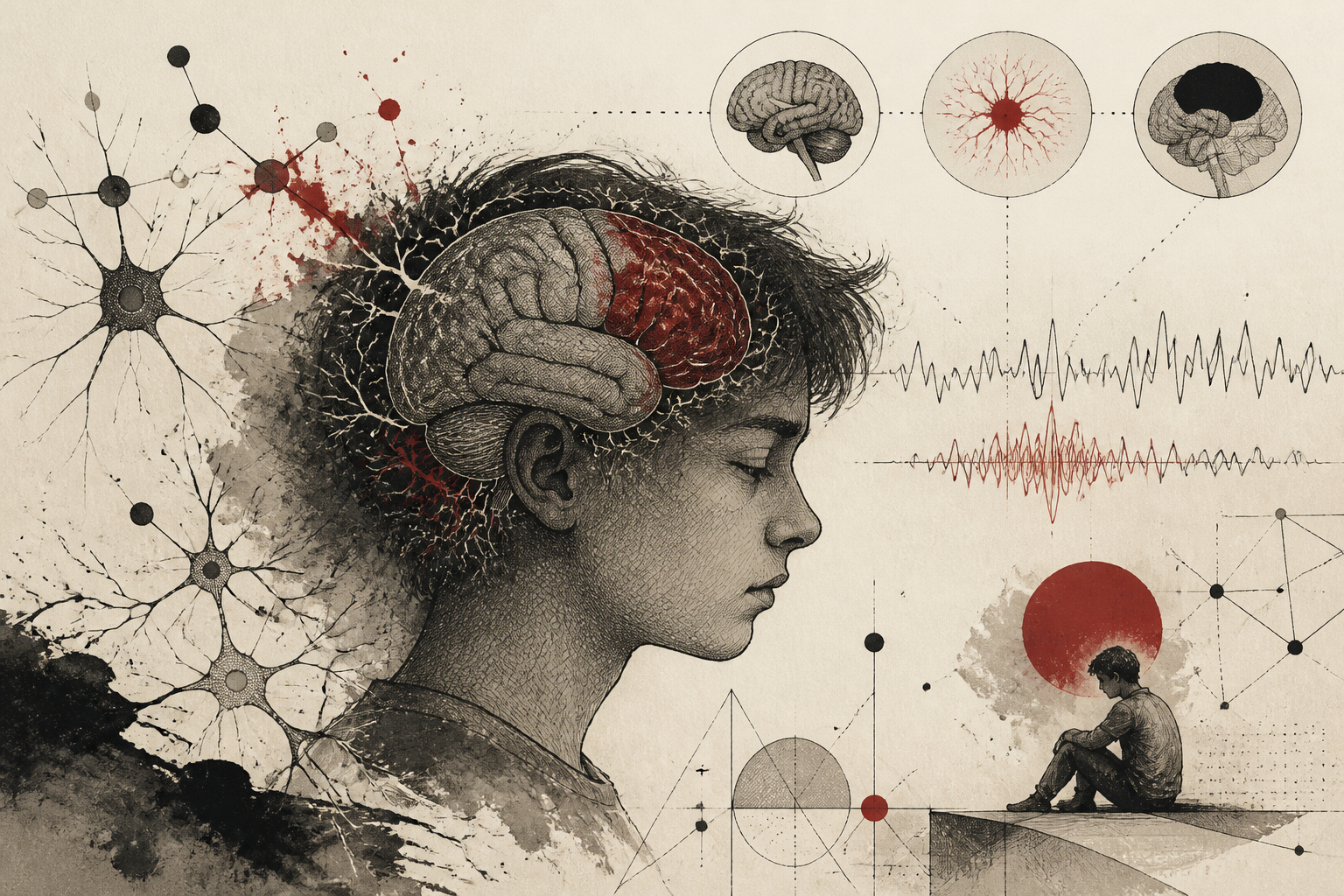
A new preclinical study published in *Nature Neuroscience* has highlighted significant long-term cognitive and neurological risks associated with the consumption of the synthetic psychedelic 25C-NBOMe during adolescence. By utilizing a rat model, researchers identified that exposure during this critical developmental window leads to enduring behavioral changes, specifically characterized by enhanced competitive avoidance and social dysfunction in adulthood.
The core of the findings centers on the disruption of communication between the hippocampus and the medial prefrontal cortex (mPFC). Under normal conditions, these two brain regions synchronize their activity to facilitate social navigation and decision-making. However, the study observed that rats exposed to the psychedelic compound exhibited a marked reduction in this neural synchrony. This breakdown in connectivity appears to impair the animal's ability to process social cues and compete for resources effectively, even long after the substance has left the system.
These results are particularly concerning given the known plasticity of the adolescent brain. The researchers noted that while typical adult neural pathways can often demonstrate resilience, the developmental timing of the exposure causes the deficit to become 'hard-coded' into the mature brain's architecture. The research suggests that 25C-NBOMe—a potent serotonin 2A receptor agonist—interferes with the maturation of GABAergic interneurons, which are essential for maintaining rhythmic neural coordination.
While the study was conducted on animal subjects, the implications for human neurobiology are notable. The findings add to a growing body of evidence cautioning against the recreational use of synthetic hallucinogens among young populations. According to the original study published in *Nature Neuroscience*, understanding these specific disruptions in the hippocampal-prefrontal circuit may eventually lead to targeted therapeutic interventions for sensory and cognitive impairments resulting from early-life substance exposure.
Quick answers
- What is 25C-NBOMe?
- 25C-NBOMe is a potent synthetic psychedelic and a serotonin 2A receptor agonist often used in preclinical research to study hallucinogenic effects on the brain.
- How does early psychedelic exposure affect social behavior according to this study?
- Exposure during adolescence leads to increased competitive avoidance, making individuals less effective at navigating social hierarchies and resource competition in adulthood.
- Which brain areas are most affected by this disruption?
- The primary disruption occurs in the synchrony between the hippocampus and the medial prefrontal cortex (mPFC), regions vital for memory and executive function.
Rewritten by Zeit editorial AI. Based on original reporting at Nature Neuroscience.