News & Insights
Psychology, neuroscience and mental health.
 Neurobiology
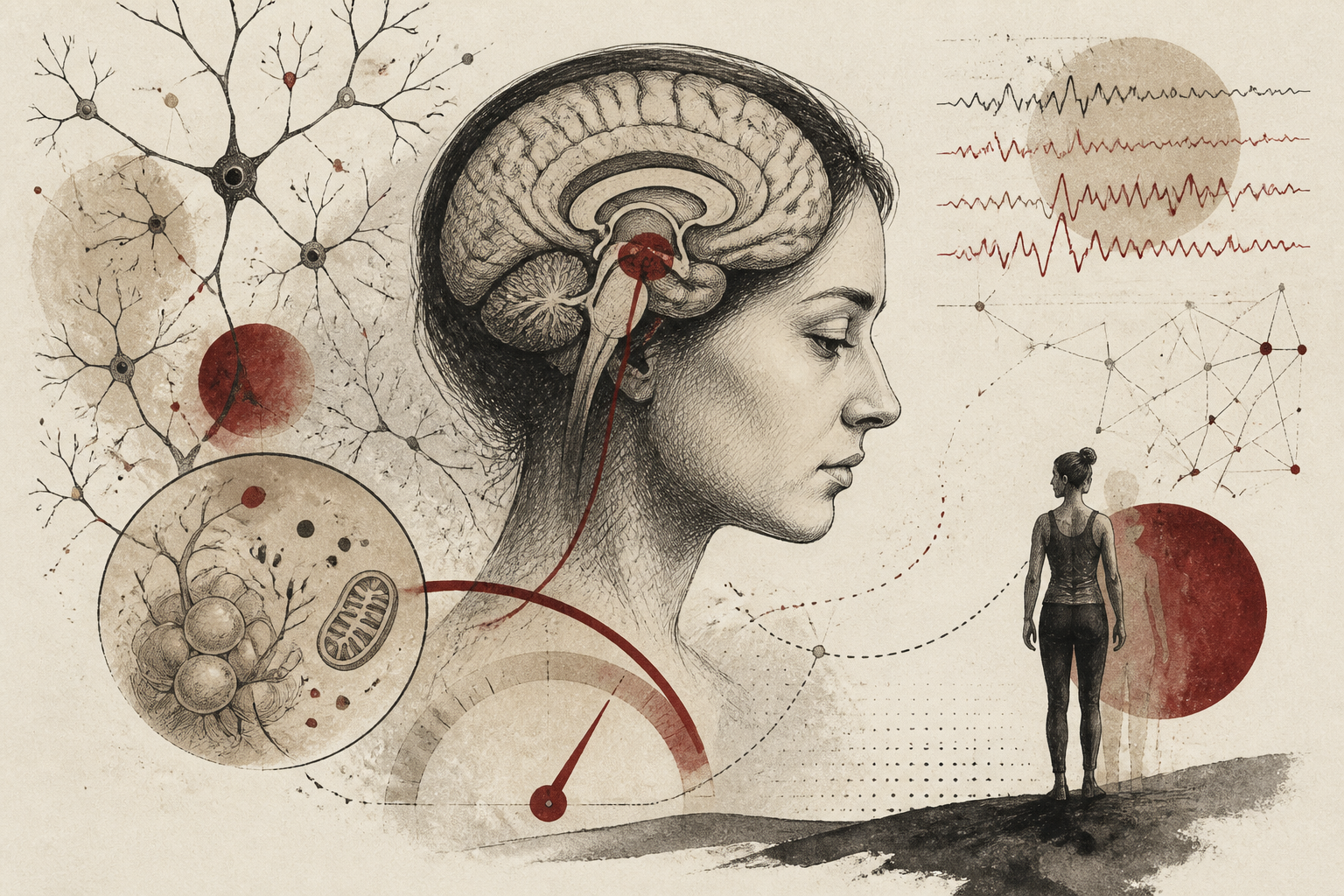
Biological Mechanisms Behind Weight Regain Identified in Recent Research
Recent neuroscientific findings suggest that the human brain possesses a biological memory of peak body weight, complicating long-term weight maintenance.
 Neurobiology
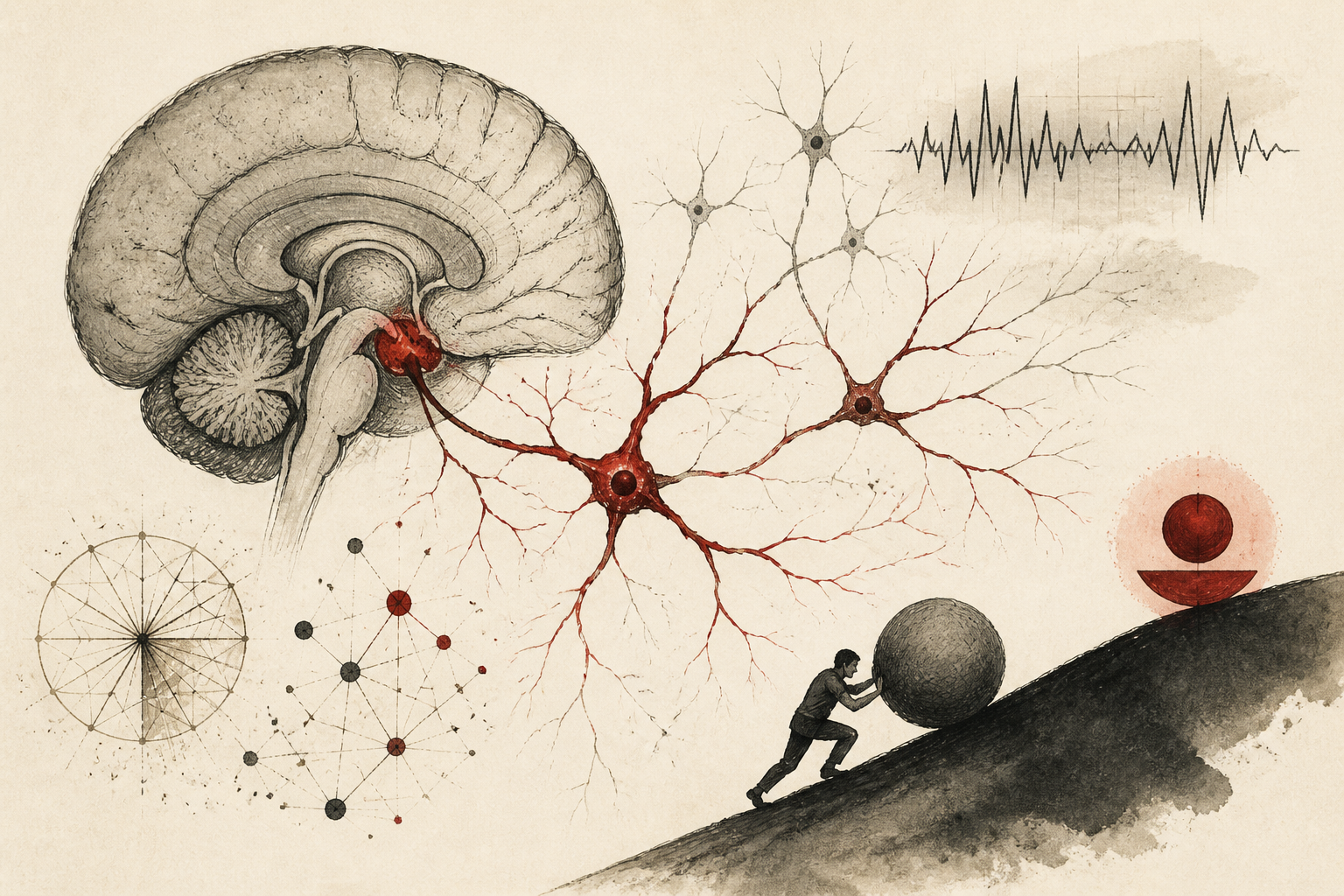
Orexin Neurons Identified as Key Modulators of Sustained Motivation
Research suggests that a specific cluster of brain cells plays a critical role in maintaining effort when pursuing challenging rewards.
 embodied cognition
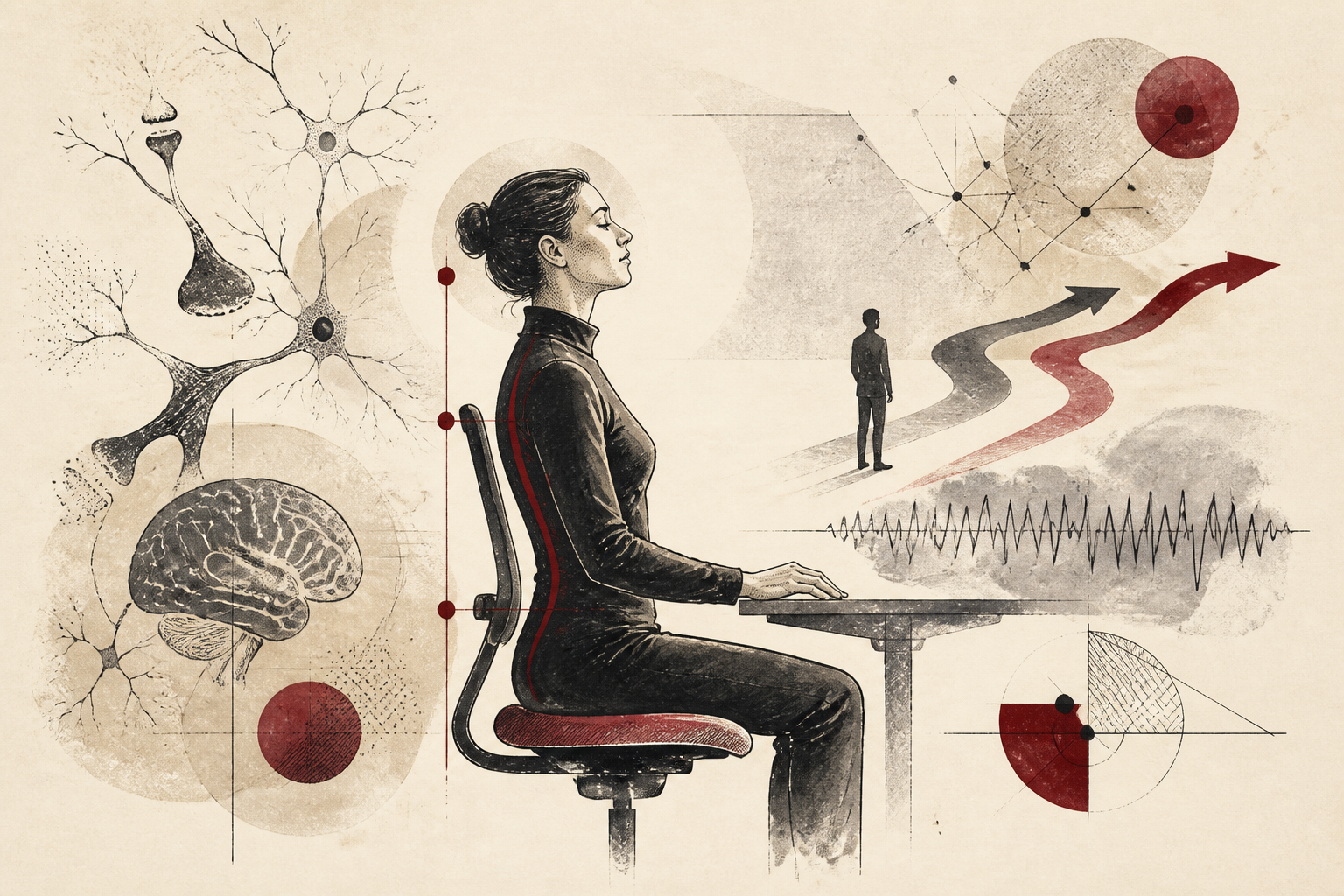
Postural Alignment Linked to Enhanced Mood and Strategic Risk-Taking
Recent findings suggest that maintaining an upright seated position significantly influences psychological states and decision-making performance.
 circadian rhythms
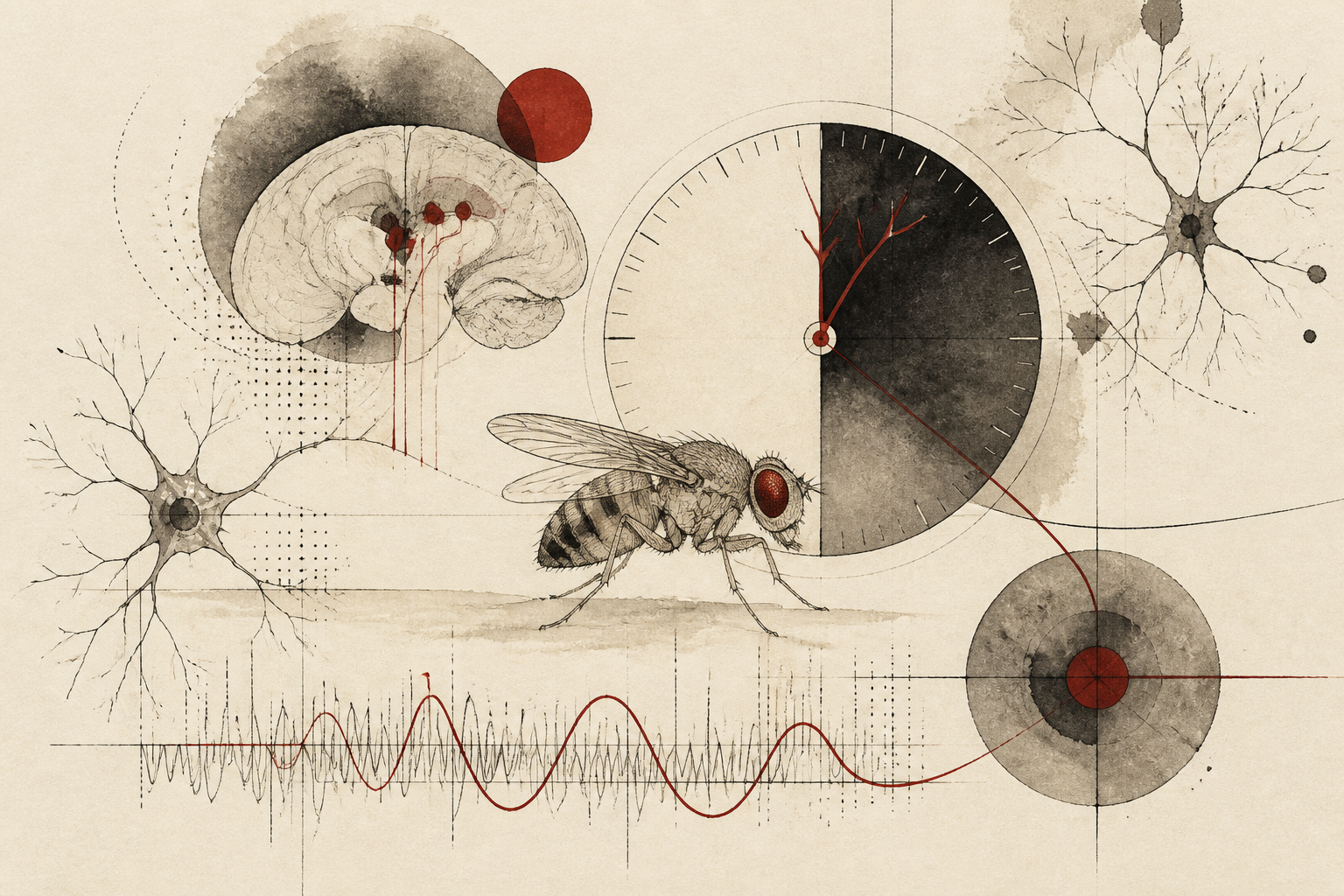
Restoring Circadian Rhythms: Novel Study Reanimates Biological Clocks in Drosophila
Researchers have identified mechanisms to restart internal biological clocks in arrhythmic fruit flies, offering new insights into circadian stability.
 Neuroscience
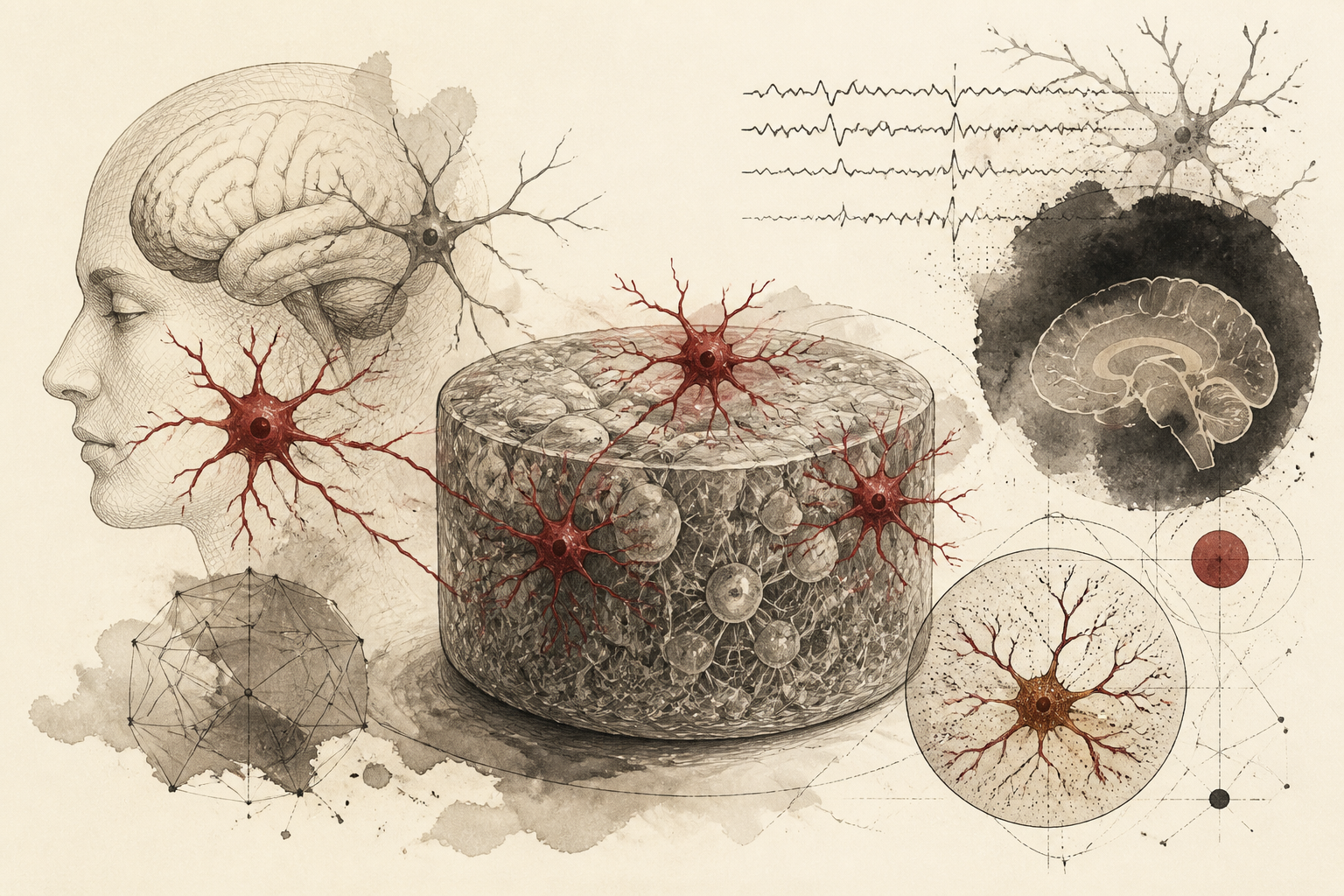
Novel 3D Brain Tissue Model Enhances Research into Microglial Dynamics
Researchers have developed a reproducible three-dimensional human brain model to better study how microglia influence both healthy neurological function and disease progression.
 Cognitive Neuroscience
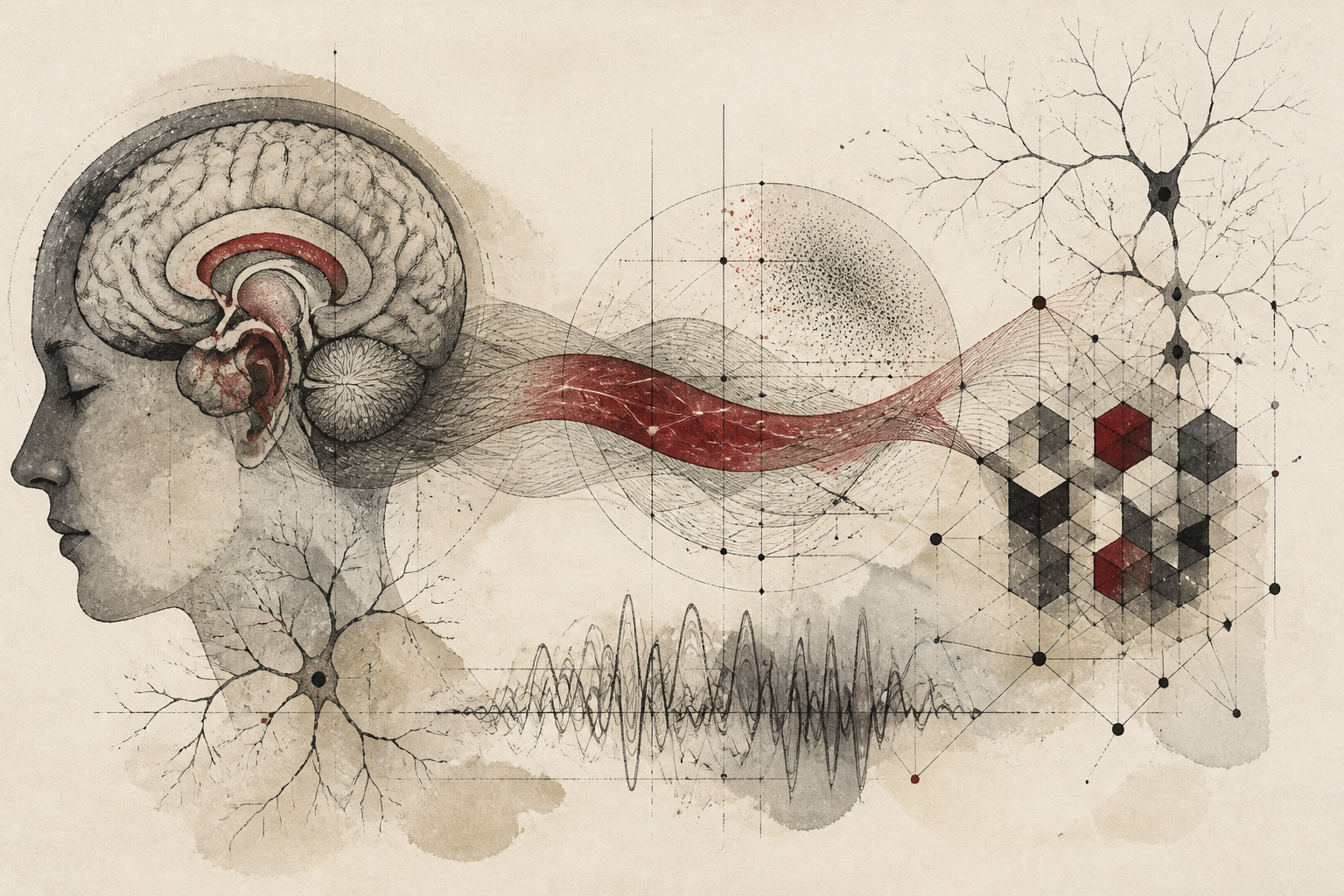
Mapping the Continuum: A New Framework for Neural Compositionality and Intelligence
Recent research in Nature Neuroscience proposes a 'compositionality continuum' as a unifying principle for understanding how the brain organizes complex information.
 neuroscience
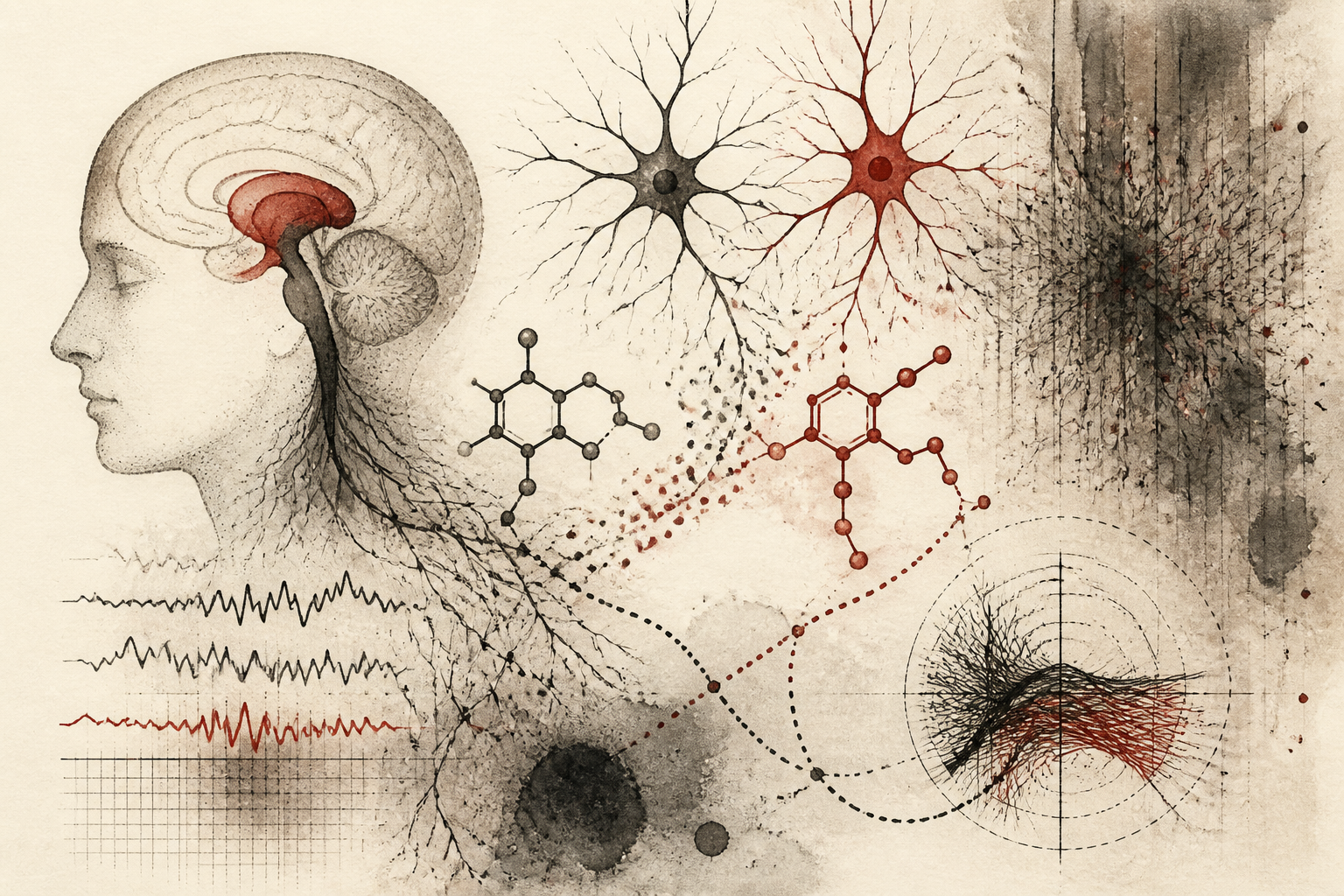
Mapping Neurotransmitter Interactions: The Impact of Fiber Density on Sensor Accuracy
Recent findings in Nature Neuroscience highlight how local innervation density influences the crosstalk between dopamine and norepinephrine sensors.
 Neuropharmacology
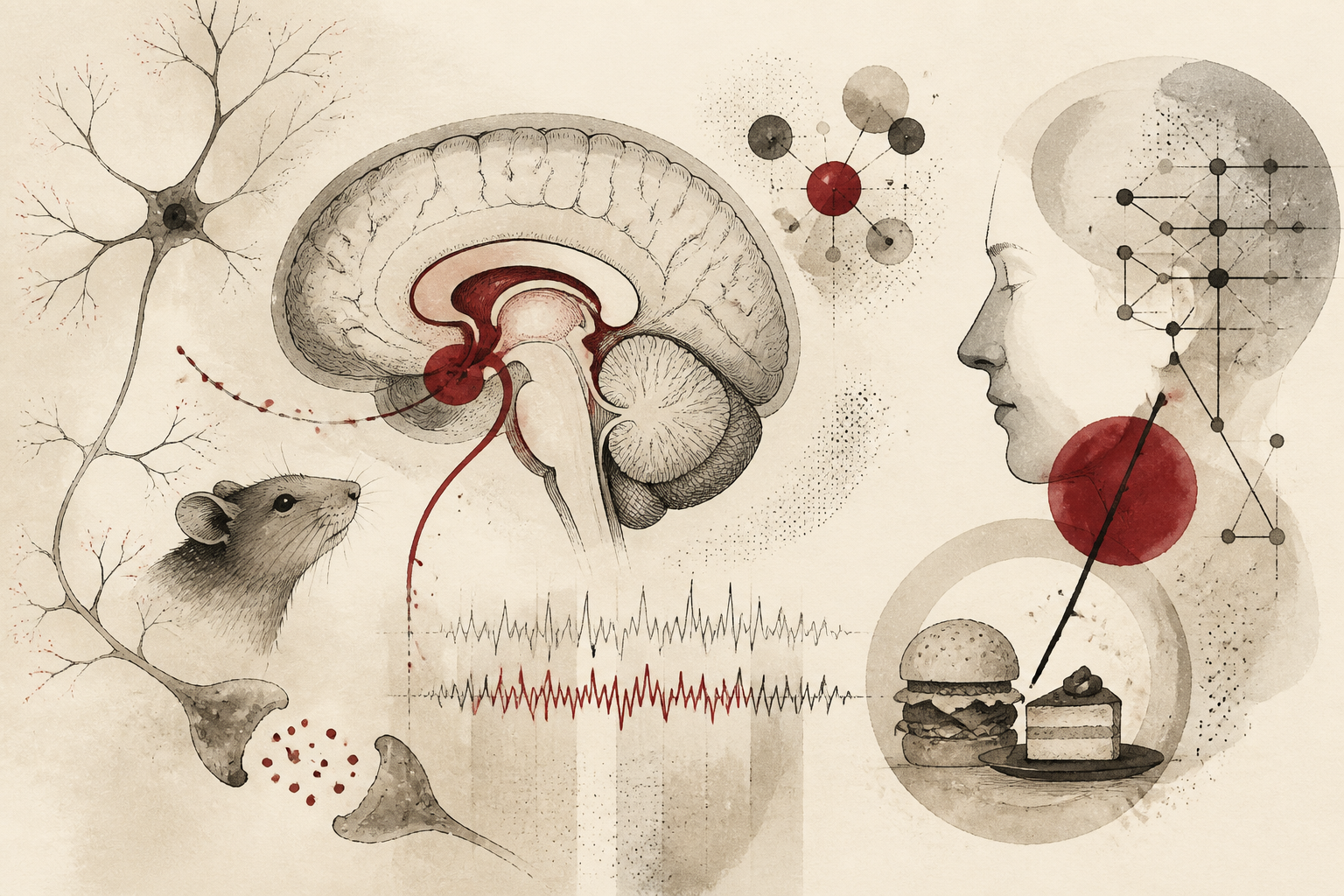
Oral GLP-1 Analogs Modulate Neural Reward Circuits Linked to Cravings
Researchers have identified that oral GLP-1 receptor agonists reduce hedonic eating by suppressing specific deep brain reward pathways in animal models.
 Cognitive Psychology
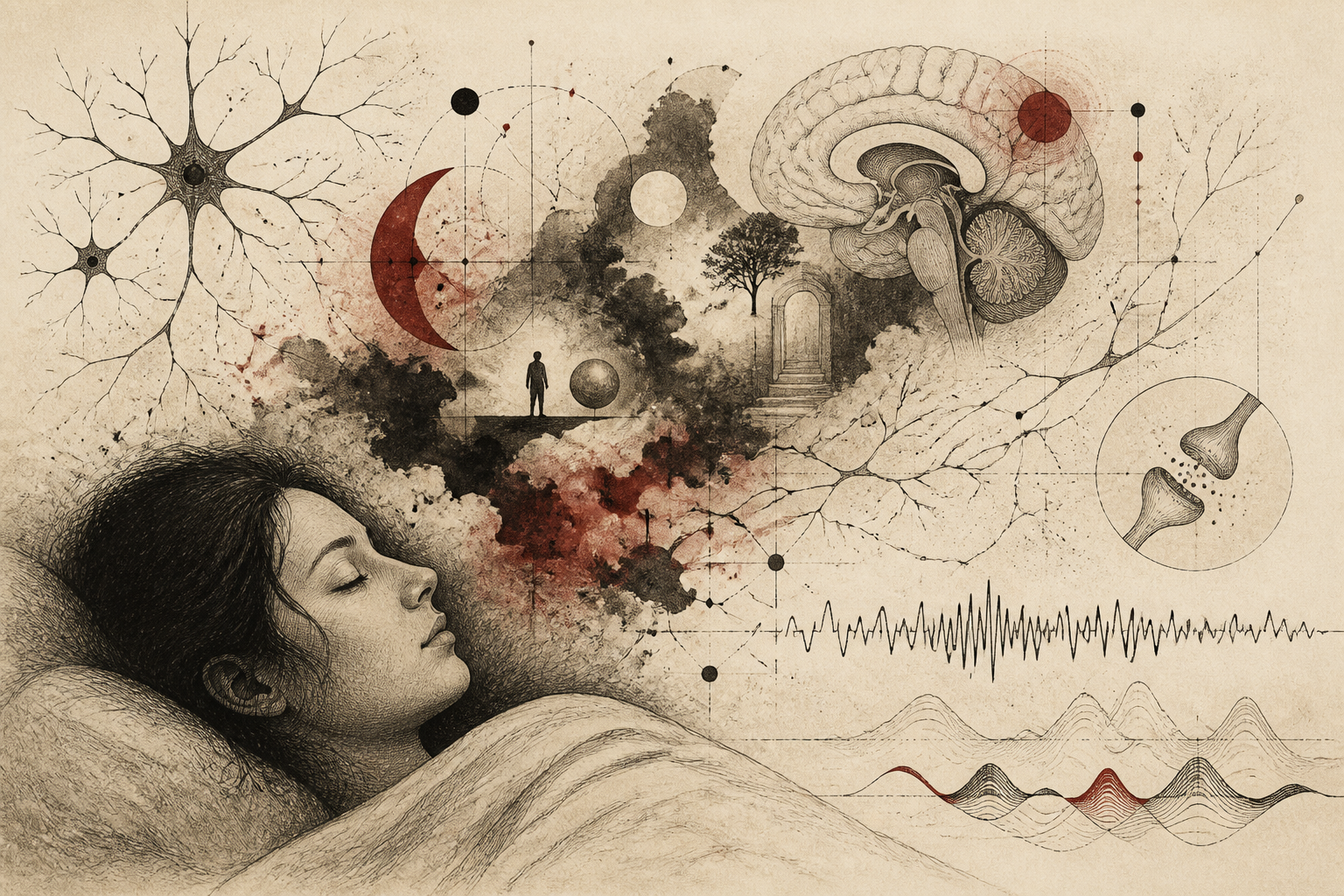
Sleep as Synthesis: New Study Deciphers the Mechanisms of Dream Architecture
Researchers have identified that dreaming is a structured cognitive process that synthesizes personality traits and external stimuli into original scenarios rather than mere data replays.