Orexin Neurons Identified as Key Modulators of Sustained Motivation
Research suggests that a specific cluster of brain cells plays a critical role in maintaining effort when pursuing challenging rewards.
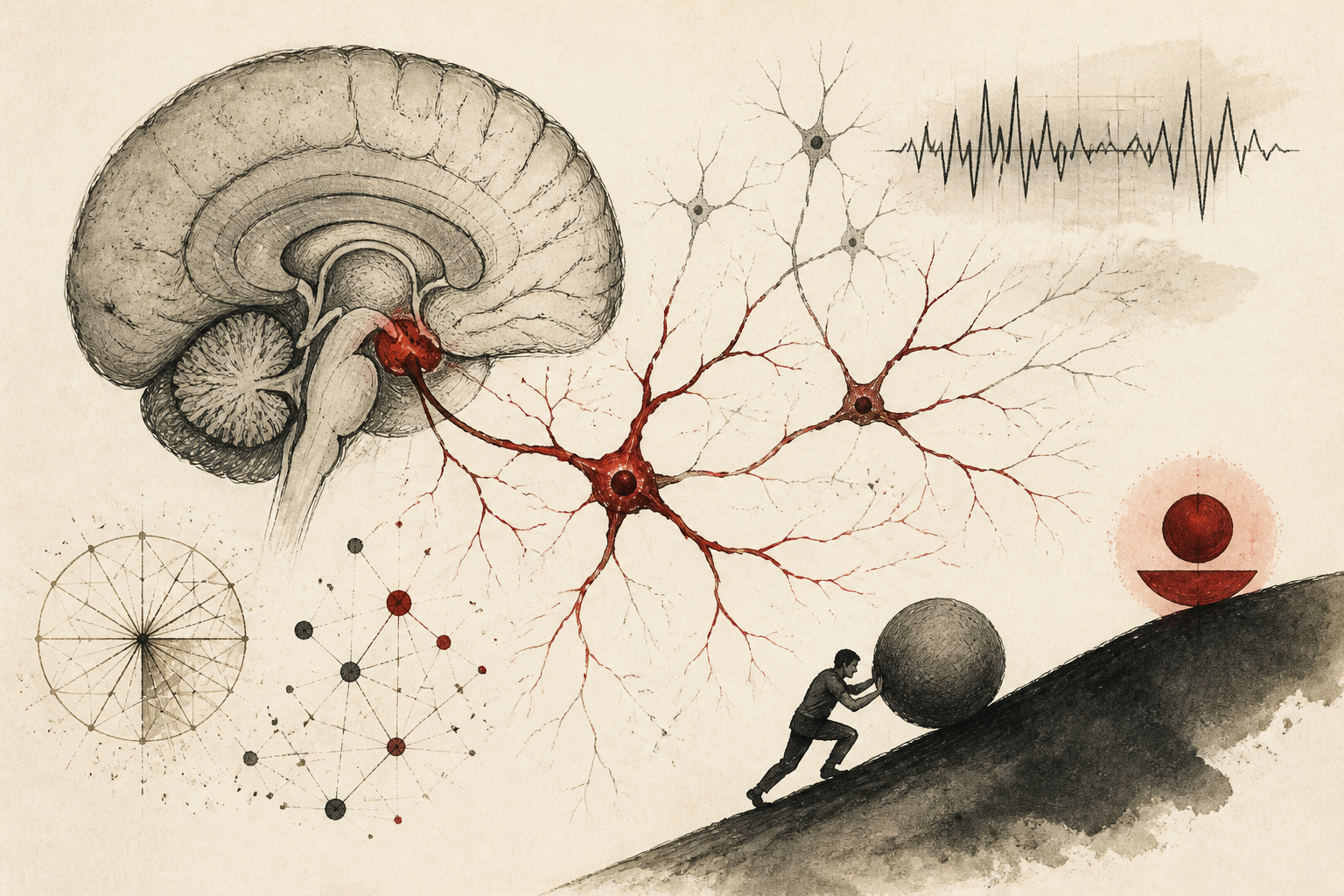
A recent study, reported by ScienceDaily, has shed new light on the intricate neurobiological underpinnings of sustained motivation, identifying a specific population of brain cells, orexin neurons, as critical modulators of persistence in the face of increasing challenge. This research provides a deeper understanding of how the brain enables individuals to maintain effort toward a goal, even when the path to reward becomes arduous. The implications extend beyond fundamental neuroscience, offering potential avenues for addressing motivational deficits observed in various clinical conditions.
The Orexin System: Beyond Sleep and Appetite
Orexin neurons, primarily situated in the hypothalamus, have been recognized for their foundational roles in regulating sleep-wake cycles and appetite. Their involvement in maintaining wakefulness and promoting food-seeking behaviors has been well-documented. However, the current investigation significantly expands our understanding of their functional repertoire, underscoring their crucial contribution to the psychological construct of motivation, particularly the capacity for sustained effort. This discovery recontextualizes the orexin system as a multifaceted neural network, integral not just to basic physiological drives but also to complex behavioral regulation.
The research, conducted using animal models, specifically rats, focused on evaluating the role of these neurons in goal-directed behaviors that require increasing effort. The experimental design involved manipulating the activity of orexin neurons while observing the subjects' willingness to work for a reward under escalating difficulty. This approach allowed researchers to directly link the functional state of these neurons to an observable behavioral outcome—persistence.
Unpacking the Mechanism of Persistence
The core finding of the study reveals a direct relationship between orexin neuron activity and sustained motivation. When the activity of these neurons was selectively inhibited, either pharmacologically or genetically, the subject rats demonstrated a pronounced reduction in their willingness to exert effort for a reward. This inhibition led to a premature disengagement from the task, suggesting a diminished capacity to overcome obstacles. Conversely, when these neurons functioned without interference, the rats consistently displayed high levels of motivation, persisting in their efforts despite the escalating difficulty of the tasks presented. This robust correlation indicates that orexin neurons are not merely involved in motivation but appear to be fundamental drivers of the *persistence* aspect of goal-directed behavior.
This observed mechanism suggests that the orexin system functions as a biological 'cost-benefit' analyzer within the brain. It appears to continuously evaluate the perceived value of a reward against the physical or cognitive energy required to attain it. When the orexin neurons are fully active, they seemingly bias this analysis towards persistence, signaling that the reward remains worthy of effort, even as costs rise. When their activity is dampened, the cost-benefit analysis shifts, leading to a quicker abandonment of the goal. This dynamic interplay highlights a sophisticated neural computation that underpins our ability to stay focused on long-term objectives.
Interpretations, Limitations, and Future Directions
The isolation of these cellular triggers for persistence marks a significant advancement in behavioral neuroscience. This research provides a more granular understanding of the neurological foundations of motivation, moving beyond broad neural circuits to identify specific neuronal populations responsible for a critical motivational component. For individuals studying psychology and neuroscience, this work deepens the appreciation for the intricate biological mechanisms that govern complex behaviors. It offers a tangible neural substrate for abstract psychological concepts like willpower and tenacity.
While the findings are compelling, it is crucial to acknowledge that the study was conducted on animal models. While the orexin system is evolutionarily conserved across species, suggesting potential parallels in human neurobiology, direct extrapolation to human behavior requires careful consideration. The complexity of human motivation, influenced by cognitive factors, social contexts, and individual experiences, introduces layers not fully replicable in animal studies. Therefore, further research in human populations, perhaps utilizing advanced neuroimaging techniques or studying patient populations with motivational deficits, would be necessary to confirm and expand upon these findings.
Open questions remain regarding the precise molecular and cellular pathways through which orexin neurons exert their influence. How do these neurons integrate information about reward value and effort cost? What are the specific downstream targets of orexin projections that mediate persistent behavior? Furthermore, the interaction between orexin neurons and other reward-related neural systems, particularly dopamine-rich areas, warrants detailed investigation. The brain's reward system is a highly interconnected network, and understanding how orexin integrates with these established pathways will provide a more comprehensive picture of motivational control.
Implications for Clinical Practice and Future Research
This discovery holds substantial promise for therapeutic interventions aimed at addressing motivational deficits. Conditions such as depression, chronic apathy, and certain neurodegenerative disorders often present with a significant reduction in the capacity for sustained effort and goal pursuit. By identifying orexin neurons as a key modulating factor, this research opens the door to developing novel pharmacological or neuromodulatory strategies that could specifically target this system to enhance persistence. For clinicians, this offers a potential new avenue for intervention in patients struggling with profound motivational issues, potentially improving functional outcomes and quality of life.
Looking forward, future research will likely delve into the specific neural circuits that orexin neurons engage to facilitate long-term persistence and resilience. Investigating how these neurons modulate activity in areas associated with executive function, reward processing, and decision-making will be critical. Understanding the precise timing and context-dependent activity of orexin neurons could also yield insights into how individuals learn to persevere or, conversely, become demotivated. The prospect of manipulating the orexin system to bolster an individual's intrinsic drive to achieve goals represents a frontier in neurobiological research with profound implications for both understanding the human condition and developing targeted interventions.
Quick answers
- What are orexin neurons and where are they located?
- Orexin neurons are a group of brain cells located in the hypothalamus that regulate wakefulness and, as recently discovered, the persistence of motivation.
- How does blocking orexin activity affect behavior?
- Blocking these neurons leads to a decrease in motivation, causing subjects to stop working for rewards when tasks become more difficult.
- What are the clinical implications of this research?
- Understanding orexin neurons could lead to new treatments for conditions like depression and apathy, where patients struggle to maintain goal-directed behavior.
Rewritten by Zeit editorial AI. Based on original reporting at ScienceDaily — Mind & Brain.