Oral GLP-1 Analogs Modulate Neural Reward Circuits Linked to Cravings
Researchers have identified that oral GLP-1 receptor agonists reduce hedonic eating by suppressing specific deep brain reward pathways in animal models.
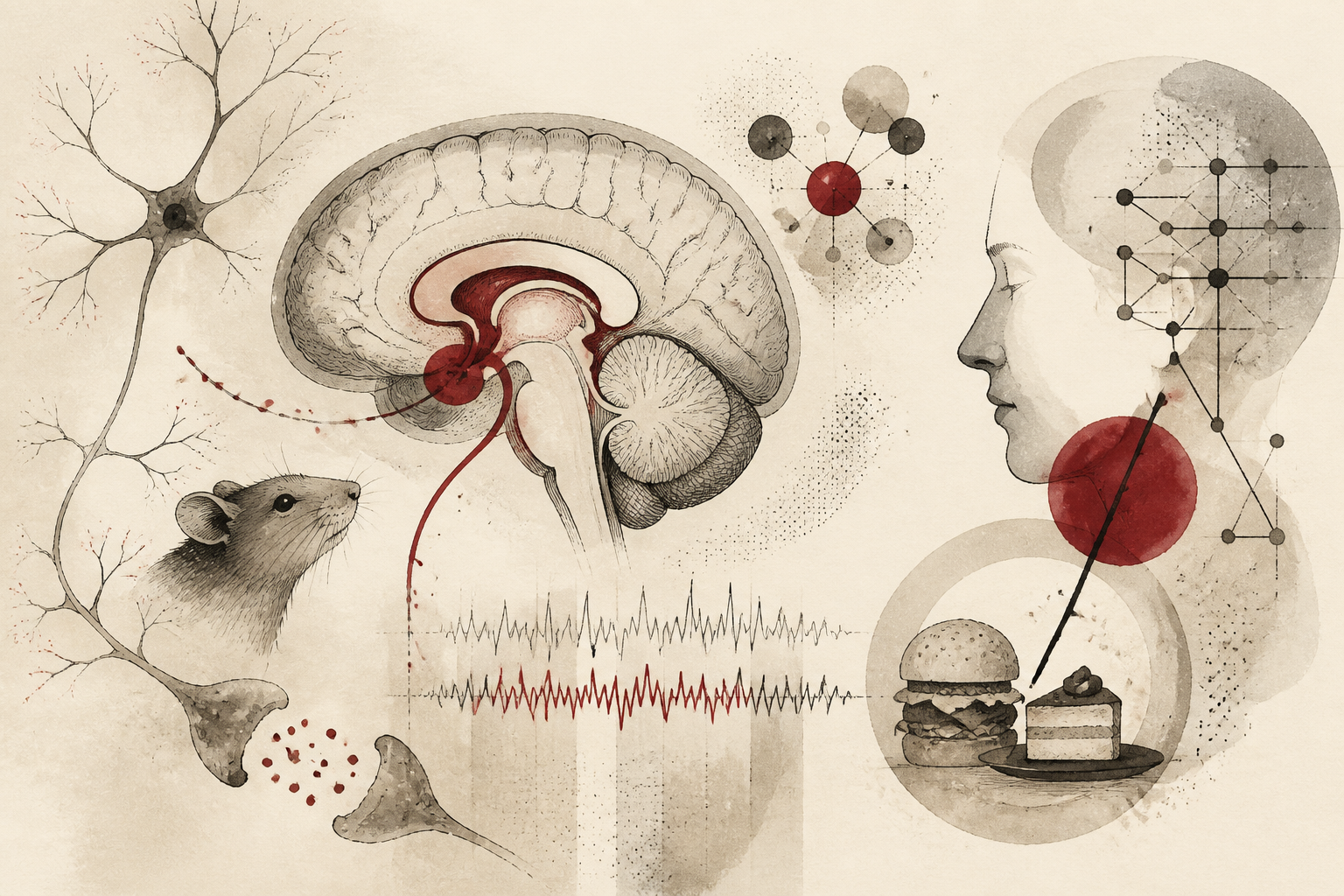
Recent developments in neuropharmacology suggest that oral iterations of glucagon-like peptide-1 (GLP-1) receptor agonists—a class of drugs popularized by injectable treatments like semaglutide—may have significant implications for managing pleasure-driven consumption. According to a study reported by ScienceDaily, these newer oral agents have demonstrated the ability to reduce hyperpalatable food intake by modulating deep-brain reward mechanisms in murine models.
The research focuses on the neural circuitry responsible for hedonic eating, which refers to the consumption of food for pleasure rather than purely for nutritional maintenance. By targeting these specific circuits, the oral medication effectively 'quieted' the signals that typically drive the urge to seek rich or sugary substances. This finding suggests that the therapeutic mechanism of GLP-1 analogs extends beyond peripheral metabolic regulation, impacting central nervous system pathways that govern reward and habituation.
From an academic perspective, this discovery provides a crucial foundation for broadening the clinical utility of GLP-1 drugs. Beyond its current application in weight management and type 2 diabetes, the ability to suppress these underlying neural circuits posits a new avenue for treating psychiatric and behavioral conditions. Specifically, the university’s researchers note that these results may be extrapolated to substance use disorders, where similar reward pathways are implicated in addiction and relapse.
While the current findings are derived from animal studies, they highlight a pivotal shift toward non-invasive delivery methods for metabolic and neuropsychological treatments. Further clinical trials will be necessary to determine if the suppression of these brain circuits translates effectively to human neurobiology. The study underscores the evolving intersection of endocrinology and behavioral neuroscience in addressing chronic cravings.
*Reference: ScienceDaily. 'Oral GLP-1 drugs may quiet the brain’s food craving circuit.' July 2026.*
Quick answers
- How do oral GLP-1 drugs differ from traditional injectables regarding brain function?
- Both forms target GLP-1 receptors, but recent research highlights the oral version's specific impact on quieting deep brain reward circuits linked to hedonic eating.
- What is hedonic eating in the context of this study?
- Hedonic eating refers to the consumption of food for pleasure or reward, rather than biological hunger, driven by the brain's dopamine pathways.
- Could these medications be used for conditions other than weight loss?
- Yes, because the drugs modulate reward circuits, researchers believe they may have therapeutic potential for treating substance use disorders.
Rewritten by Zeit editorial AI. Based on original reporting at ScienceDaily — Mind & Brain.