Biological Mechanisms Behind Weight Regain Identified in Recent Research
Recent neuroscientific findings suggest that the human brain possesses a biological memory of peak body weight, complicating long-term weight maintenance.
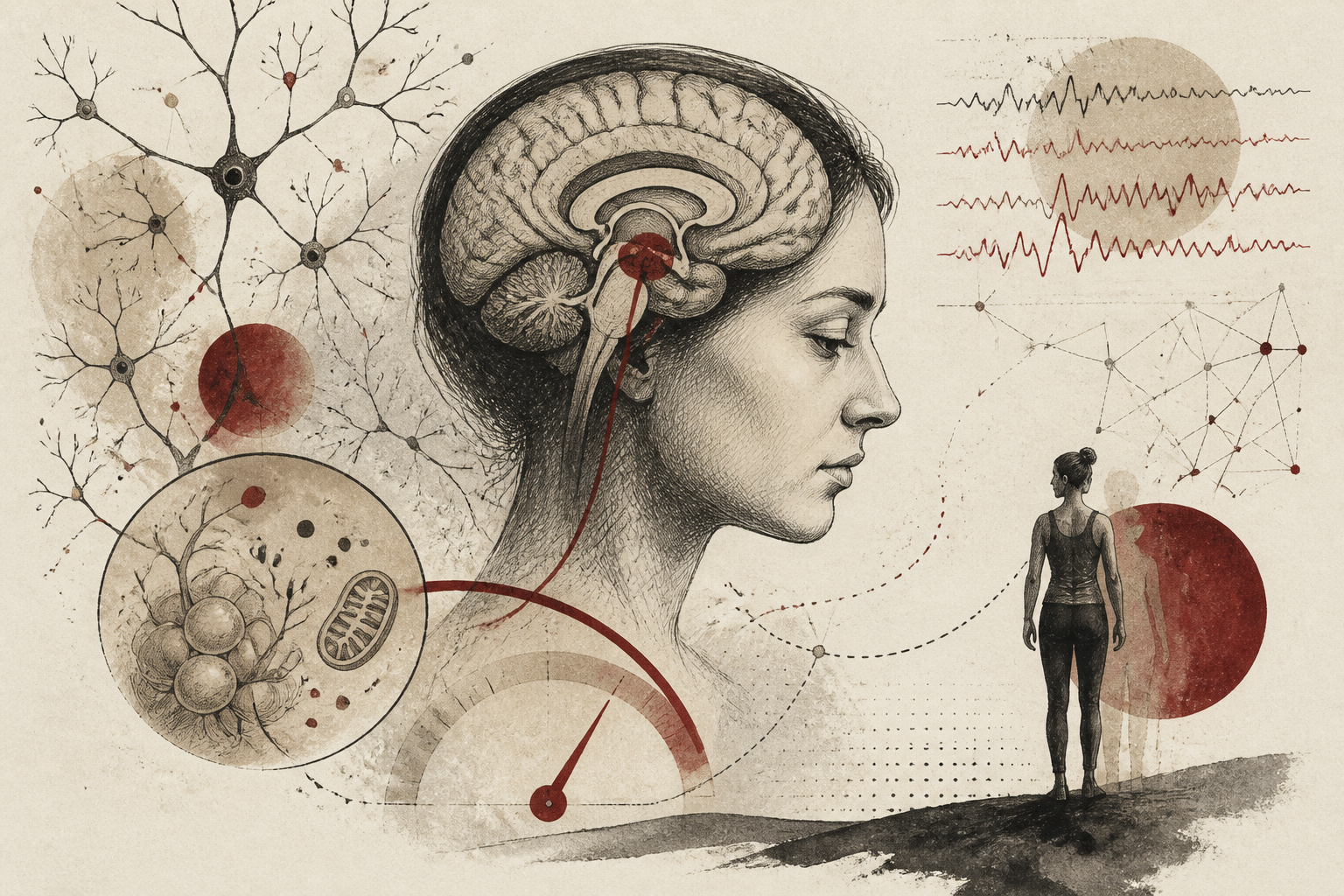
New neuroscientific research illuminates the profound biological underpinnings of weight regulation, offering a compelling explanation for the pervasive challenge of maintaining weight loss. Contrary to the common perception that weight regain after dieting stems from a lack of individual willpower, recent findings suggest that the human brain harbors a sophisticated "biological memory" of peak body weight. This intricate neural programming appears to actively resist efforts to reduce and sustain lower body mass, re-framing weight management as a complex interplay of evolutionary defense mechanisms and metabolic recalibration. This perspective challenges conventional approaches and underscores the imperative for a deeper understanding of the brain's role in governing energy homeostasis.
The Evolutionary Imperative of Fat Storage
The inherent difficulty in long-term weight maintenance is now understood to be deeply rooted in our evolutionary history. For millennia, human survival was inextricably linked to the ability to store energy efficiently in the form of adipose tissue, serving as a critical reserve during periods of food scarcity. The brain, as the central orchestrator of bodily functions, evolved robust mechanisms to defend these fat stores against depletion. This physiological resistance is not a flaw in modern human biology but rather a legacy of ancestral pressures, where the capacity to retain energy reserves was paramount for survival and reproductive success. Consequently, the brain is biologically programmed to interpret significant caloric deficits as a threat to its established energy balance, triggering a cascade of compensatory responses aimed at restoring perceived equilibrium.
The Brain's Metabolic Set Point
A pivotal concept emerging from this research is the idea that the brain establishes and defends a metabolic set point for body weight. Once an individual attains a certain weight, particularly a higher weight, the brain appears to internalize this figure as a new physiological norm. When a person subsequently embarks on a weight loss journey, reducing caloric intake and expending more energy, the brain interprets this as a significant deviation from its established set point. In response to this perceived "threat" of energy depletion, the brain activates a coordinated suite of biological counter-measures. These include a substantial increase in hunger signals, intensifying cravings for energy-dense foods, and a strategic reduction in basal energy expenditure. This adaptive response effectively conserves energy and stimulates intake, acting as a powerful internal "biological memory" designed to restore the lost mass. This intricate system goes a long way in explaining the frequently observed phenomenon of weight regain following successful dietary interventions, illustrating a powerful drive to return to the previously defended body weight.
Pharmacological Insights and Persistent Drives
The advent of novel pharmacological interventions, such as GLP-1 receptor agonists (e.g., Wegovy and Mounjaro), has provided invaluable insights into the neurobiological pathways governing appetite and metabolism. These medications operate by modulating specific satiety signals, effectively suppressing the intense hunger and craving signals that the brain typically elevates during periods of weight loss. Their efficacy demonstrates the critical role of these neurological pathways in weight regulation. However, emerging evidence indicates that while these pharmacological agents can effectively override the brain's immediate hunger responses, they do not necessarily erase the underlying biological drive to return to the established weight set point. When these medical treatments are discontinued, the previously suppressed appetite signals often rebound with significant intensity, frequently leading to a reversal of the weight loss progress. This observation strongly suggests that the brain's 'memory' of its higher weight persists even under pharmacological suppression, highlighting the deeply entrenched nature of these regulatory mechanisms.
Implications for Psychology and Neuroscience
For students and clinicians within the fields of psychology and neuroscience, these findings necessitate a fundamental shift in perspective regarding obesity and weight management. The traditional view, which often attributes weight regain primarily to a lack of personal discipline or behavioral adherence, is increasingly being superseded by a more nuanced, biopsychological understanding. Recognizing that weight regain is often a highly regulated physiological response, rather than merely a failure of willpower, is paramount. This insight compels a re-evaluation of therapeutic strategies, moving beyond solely behavioral interventions to incorporate approaches that acknowledge and address the complex interplay between neurochemistry, metabolic homeostasis, and individual variability. It emphasizes the need for interdisciplinary solutions that integrate psychological support with an understanding of the powerful biological forces at play.
These revelations underscore the critical importance of a biopsychosocial model in understanding and treating weight-related conditions. Future research will undoubtedly focus on deciphering the precise neural circuits and molecular mechanisms underlying this "biological memory" of body weight. Developing interventions that can sustainably recalibrate the brain's metabolic set point, rather than merely overriding its immediate signals, represents a significant frontier in clinical research. This might involve exploring strategies that mimic physiological adaptations associated with sustained weight loss, or even novel pharmacotherapies that target the long-term plasticity of these neural circuits. Ultimately, a deeper scientific understanding of these intricate biological processes will be key to developing more effective, long-term therapeutic strategies for individuals grappling with weight management, moving beyond simplistic blame to embrace a more empathetic and evidence-based approach.
Quick answers
- Why is it difficult to maintain weight loss according to neuroscience?
- The brain interprets weight loss as a survival threat, lowering energy use and increasing hunger to return the body to its previous 'set point' weight.
- How do medications like Wegovy and Mounjaro assist in weight loss?
- These medications help by chemically suppressing the brain's appetite signals, which are typically elevated when a person loses weight.
- What happens when weight loss medication is stopped?
- Studies indicate that because the brain's biological memory of the previous weight persists, appetite signals often return, potentially leading to weight regain.
Rewritten by Zeit editorial AI. Based on original reporting at ScienceDaily — Mind & Brain.