News & Insights
Psychology, neuroscience and mental health.
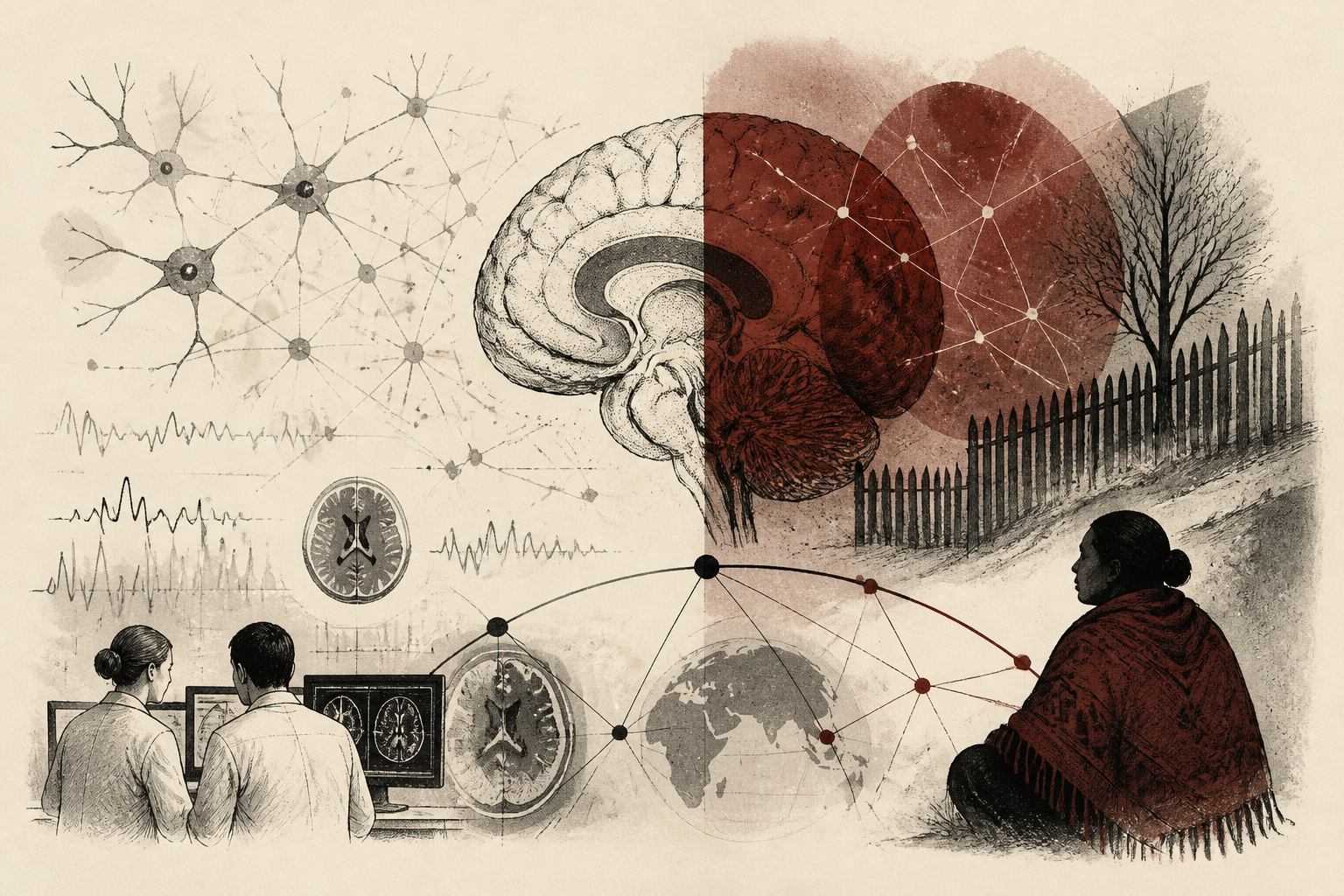 Neuroethics
Balancing Data Sovereignty and Global Collaboration in Modern Neuroscience
Researchers examine the ethical and technical friction between open science mandates and the rising demand for indigenous and national data sovereignty in neuroimaging.
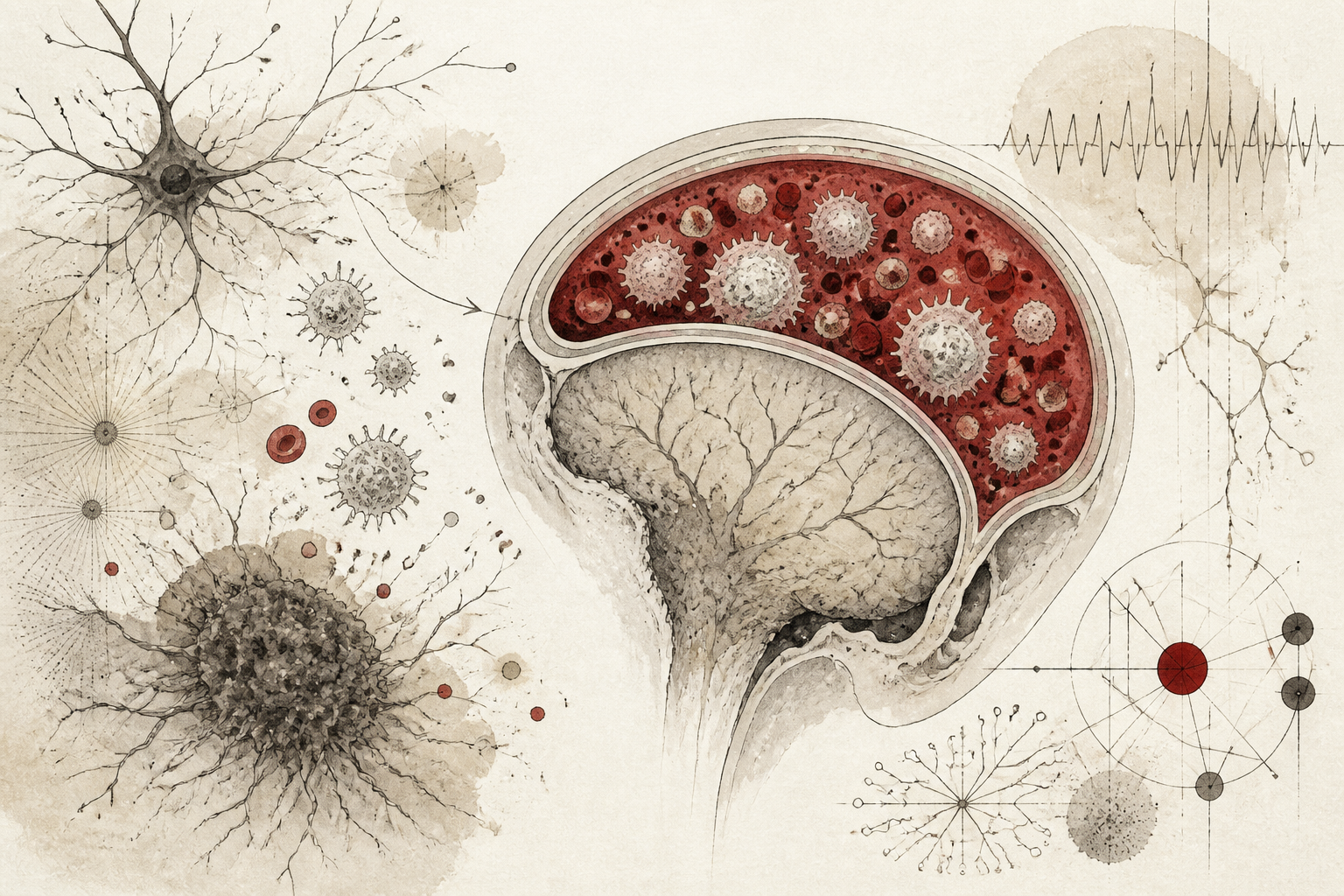 neuro-oncology
Cranial Marrow Identified as Specialized Immune Hub for Glioblastoma Response
Researchers have identified a hidden immune organ within the skull that serves as a rapid first responder against brain tumors, offering a new pathway for oncology.
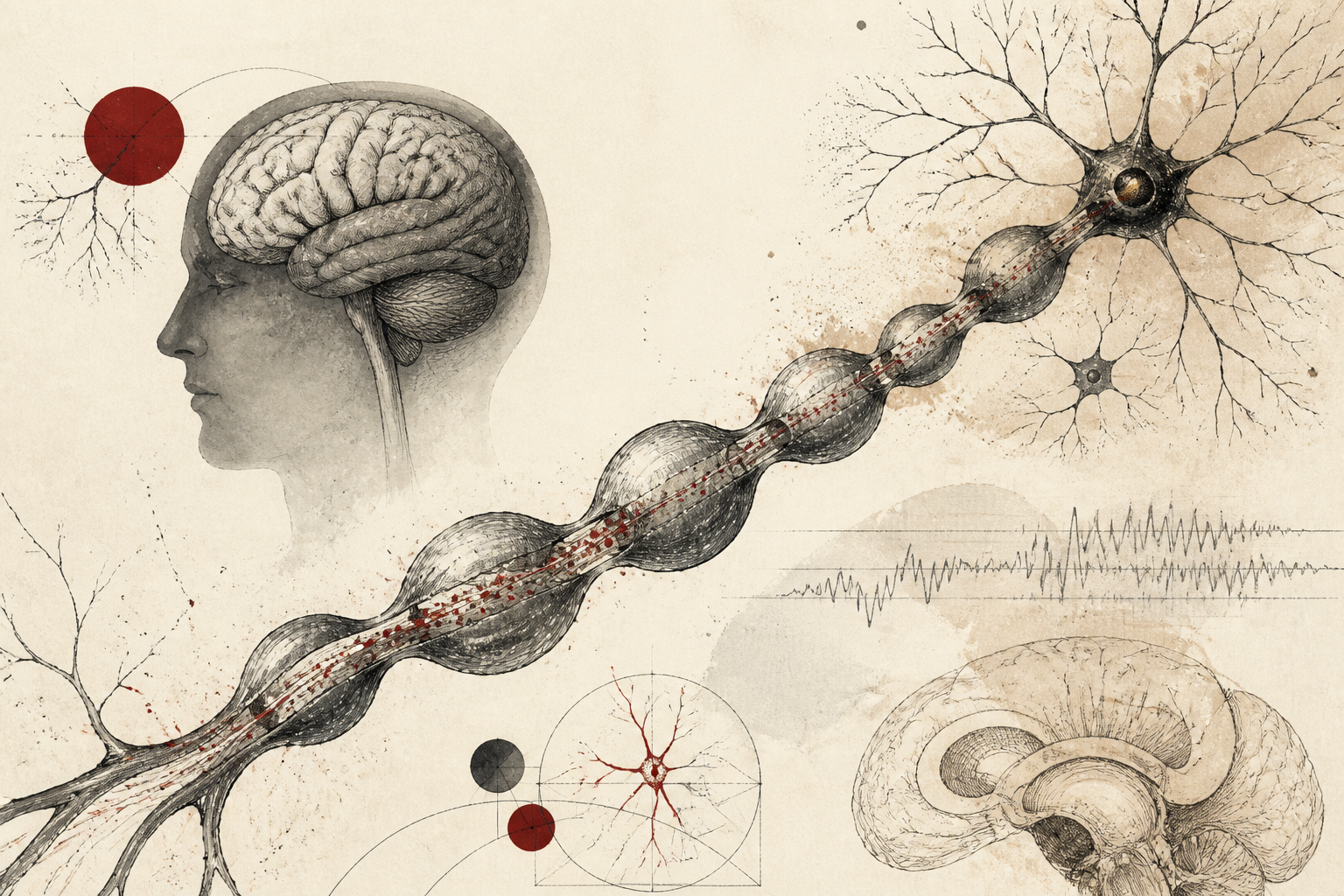 neuroanatomy
Revising Neuroanatomy: The Pearl-Like Architecture of the Neuronal Axon
Recent findings challenge a century of neuroscience by revealing that axons are not smooth tubes but dynamic, beaded structures that regulate signal velocity.
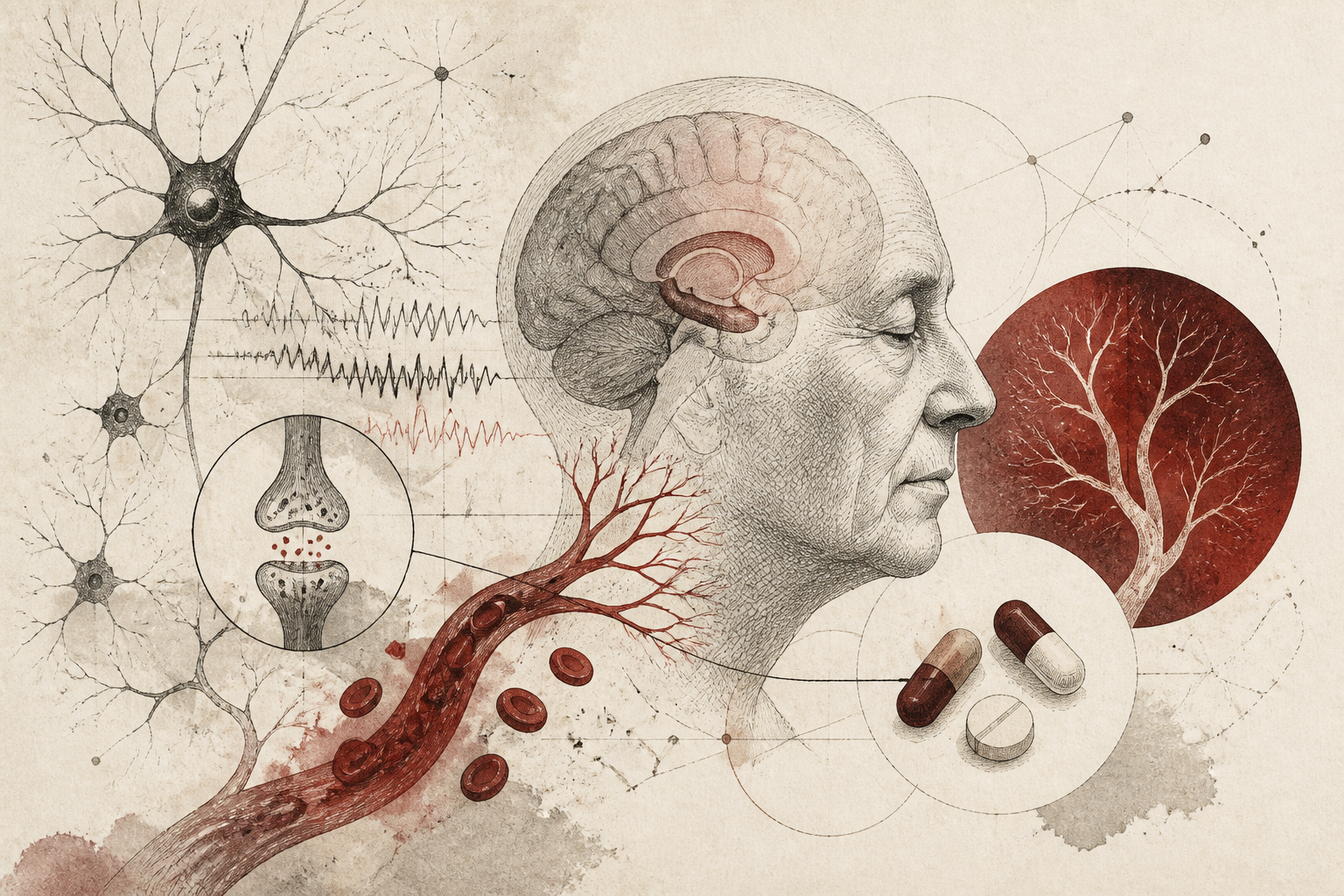 Neuropharmacology
Vascular Intervention and Cognitive Preservation: Assessing the Role of NOACs in Alzheimer’s
New research suggests that Non-vitamin K Antagonist Oral Coagulants (NOACs) may significantly slow the rate of cognitive decline in patients diagnosed with both Alzheimer’s and atrial fibrillation.
 neurobiology
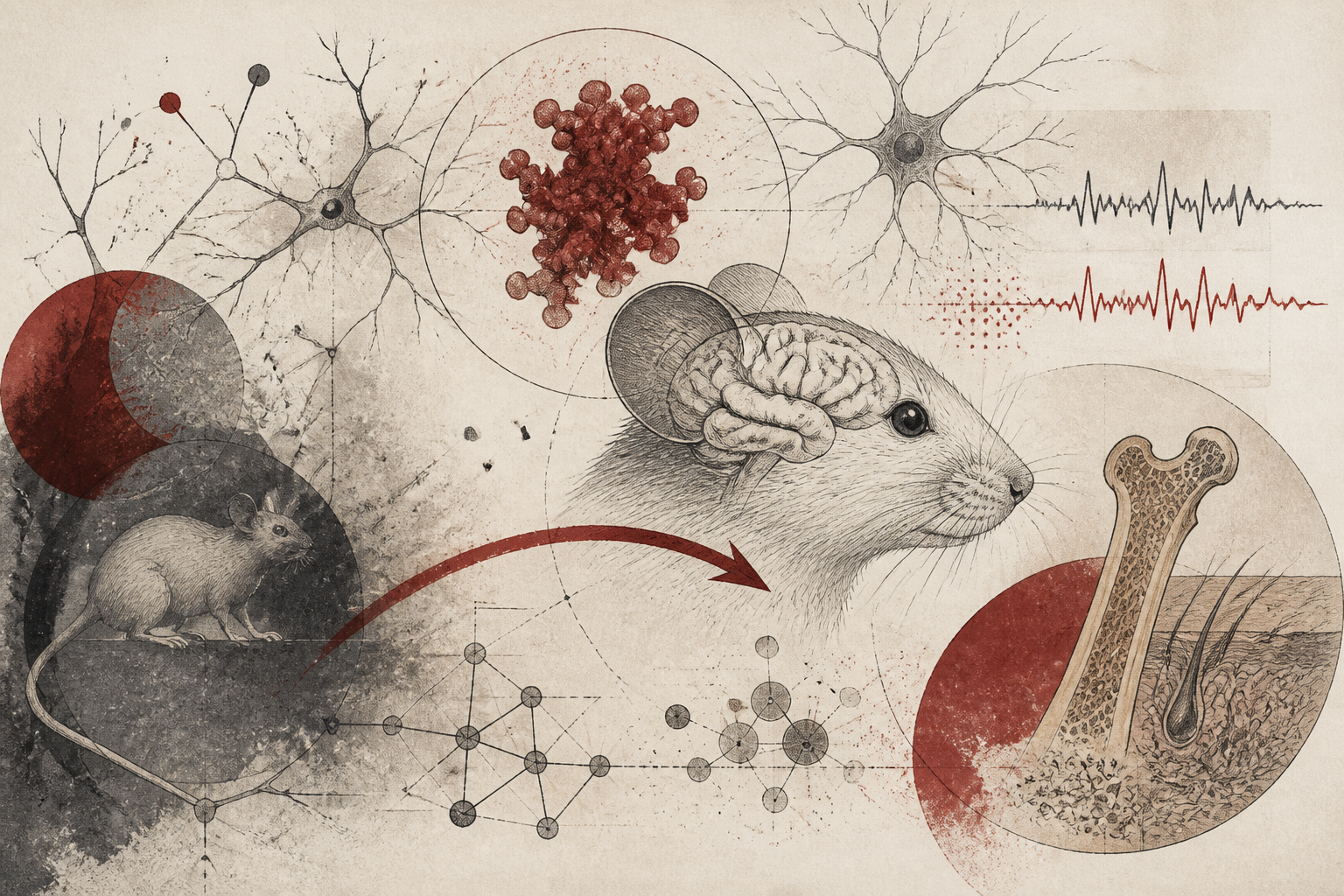
Protein Restoration Reverses Cognitive and Physiological Markers of Aging in Murine Models
Researchers identify the loss of the brain protein Menin as a driver of systemic aging, showing that restoration can improve cognition, bone density, and skin health.
 Complex Systems
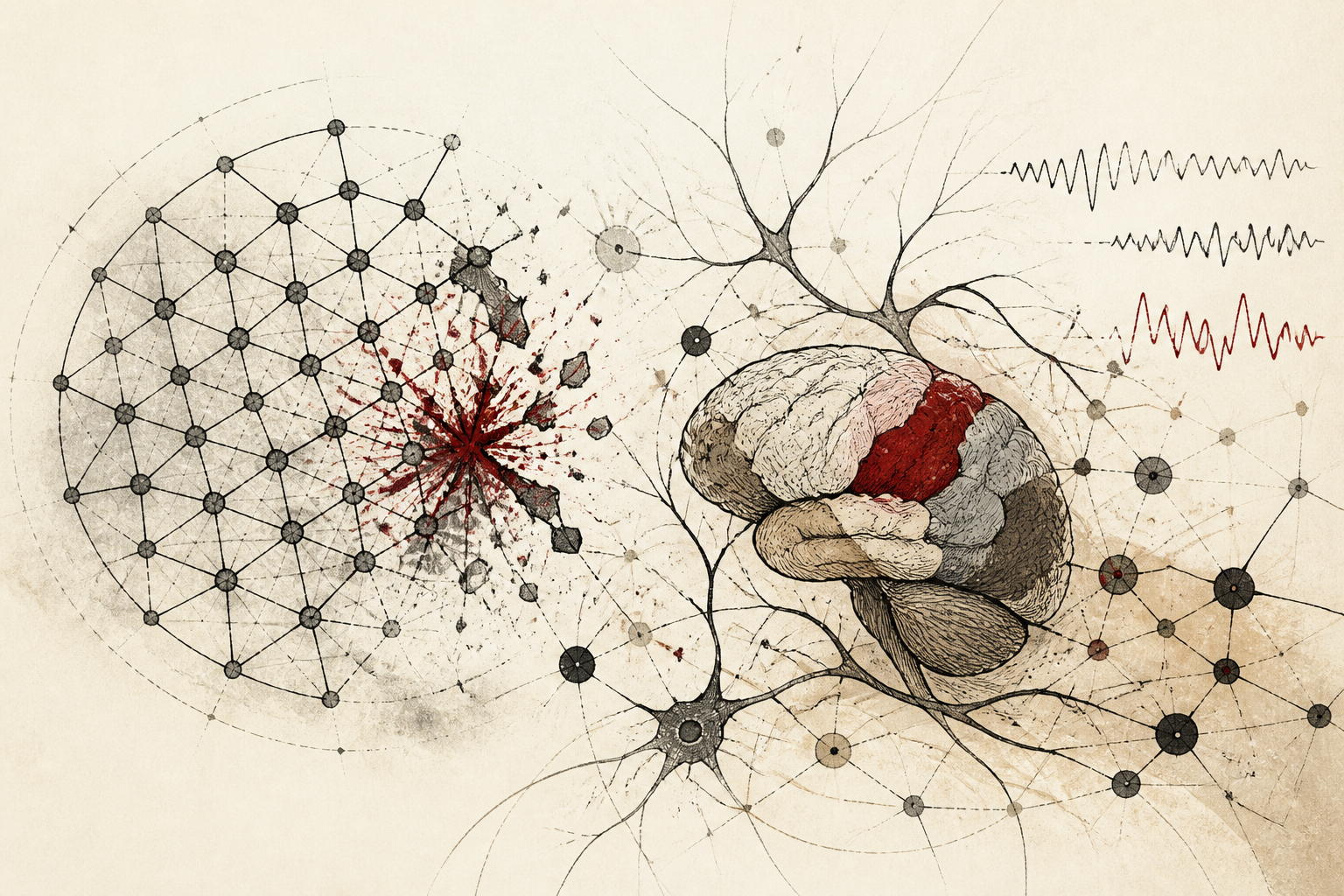
The Stability of Chaos: Why Perfectly Uniform Systems Risk Catastrophic Failure
Physicists at Northwestern University reveal that structural diversity is essential for network resilience, challenging long-held assumptions about symmetry in complex systems.
 Astrocytes
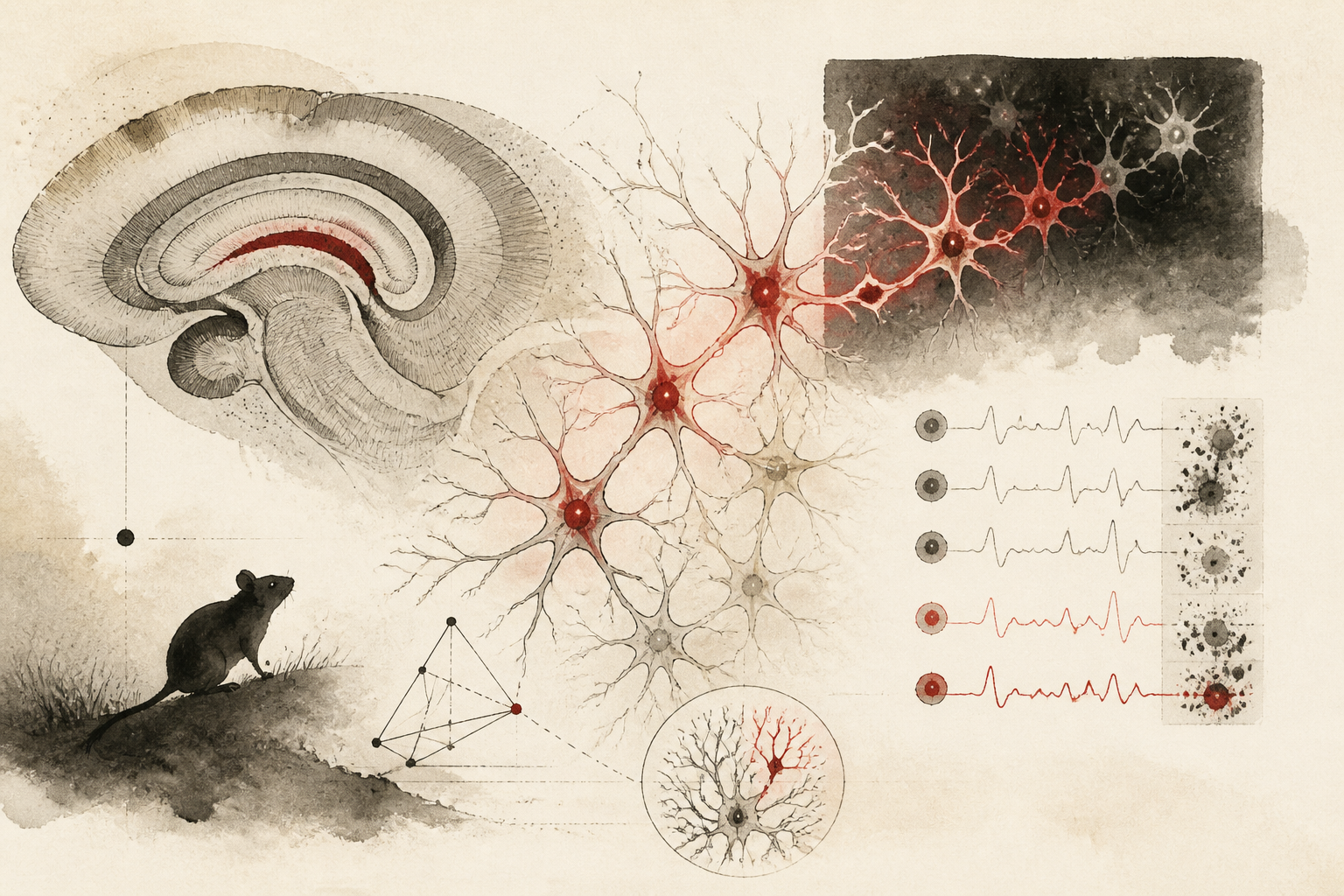
Astrocytic Sequences in the Hippocampus Identified as Drivers of Memory Formation
New research in Nature Neuroscience reveals that astrocytes form organized temporal sequences during learning, challenging the neuron-centric model of memory encoding.
 Neuroscience
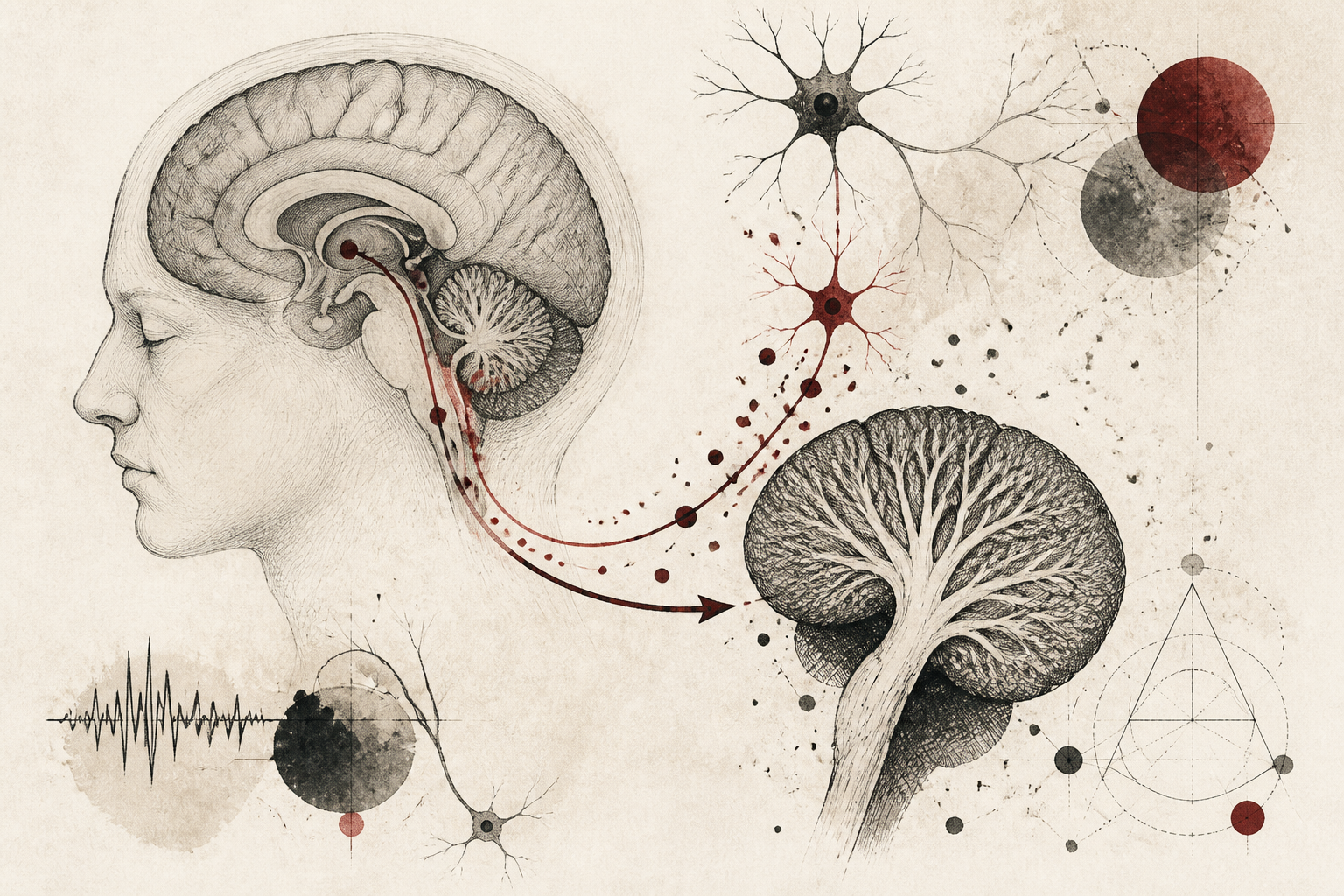
Cerebellar Modulation of Dopaminergic Pathways: A New Paradigm in Reward Processing
Recent neurobiological research reveals the cerebellum plays a direct role in regulating dopamine levels, fundamentally shifting our understanding of how the brain drives motivated behavior.
 neurodevelopment
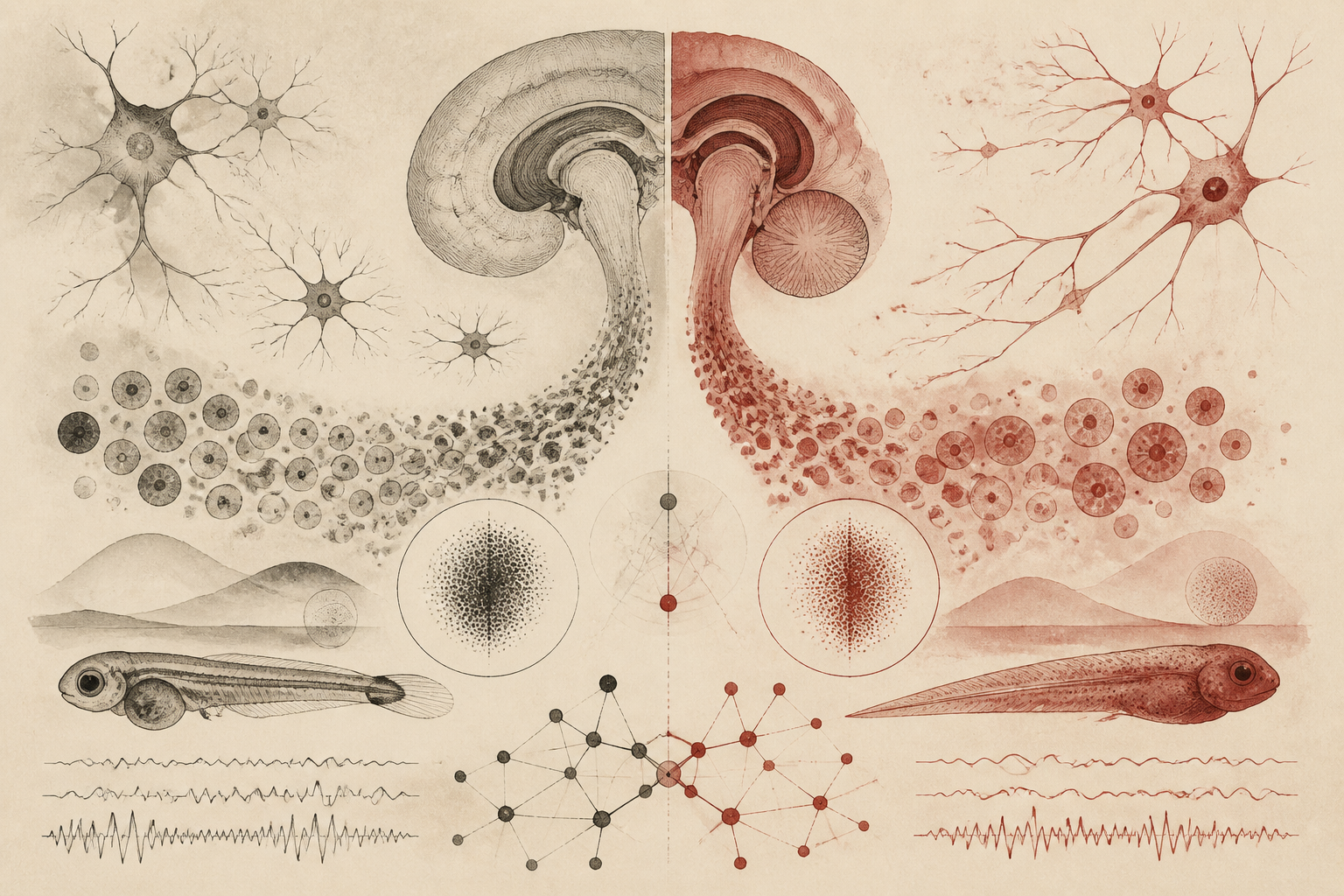
Dual Origins: Mapping the Parallel Progenitors of the Developing Vertebrate Brain
Recent findings in Nature Neuroscience reveal that the vertebrate brain emerges from two distinct neural ectoderm lineages rather than a single progenitor pool.