News & Insights
Psychology, neuroscience and mental health.
 Neurodegeneration
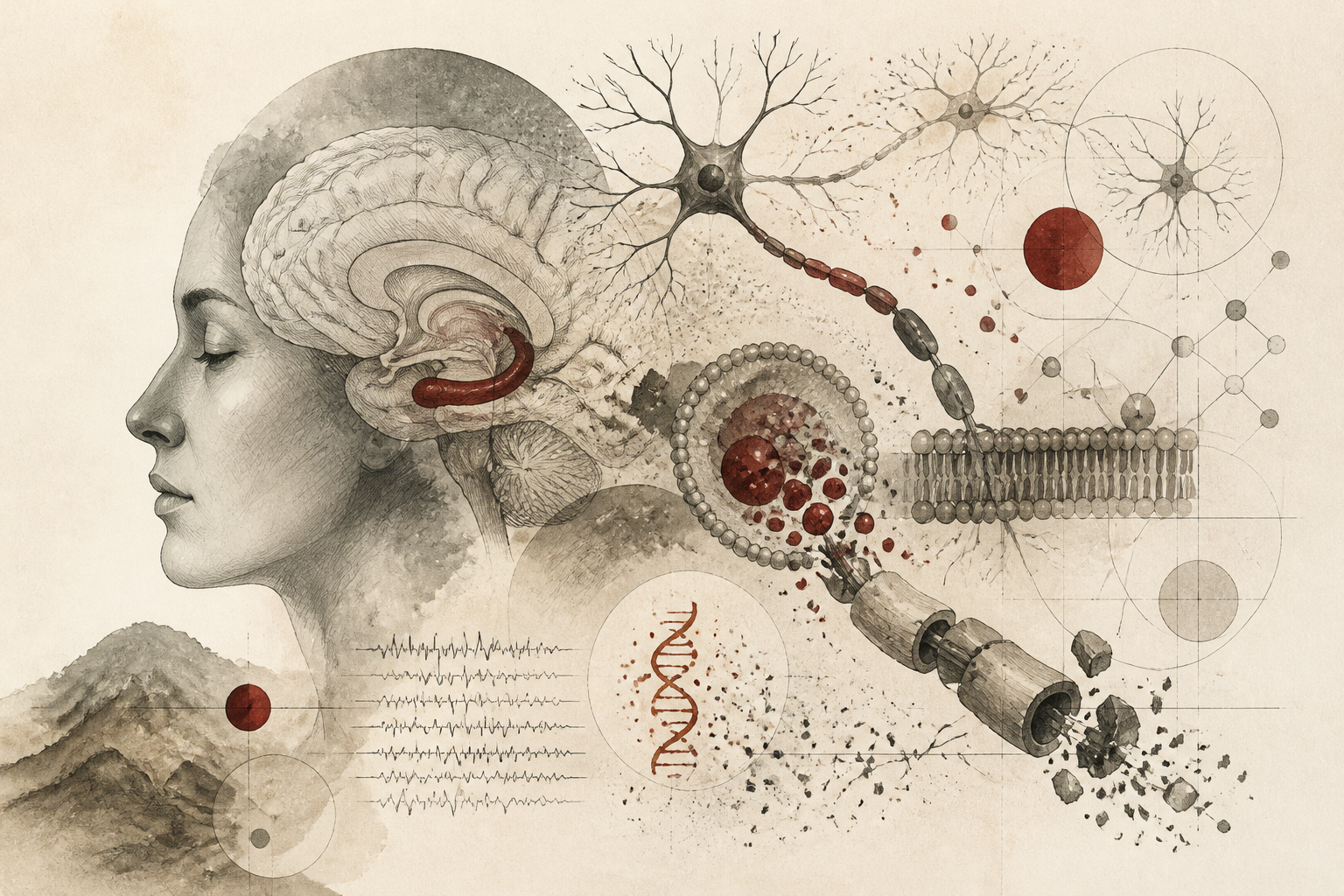
Restoring Wnt Signaling: A New Therapeutic Strategy for APOE4-Related Neurodegeneration
Recent research from NeuroscienceNews reveals that enhancing Wnt signaling can reverse lipid imbalances and myelin degradation caused by the APOE4 genetic variant in Alzheimer’s disease.
 neurodegeneration
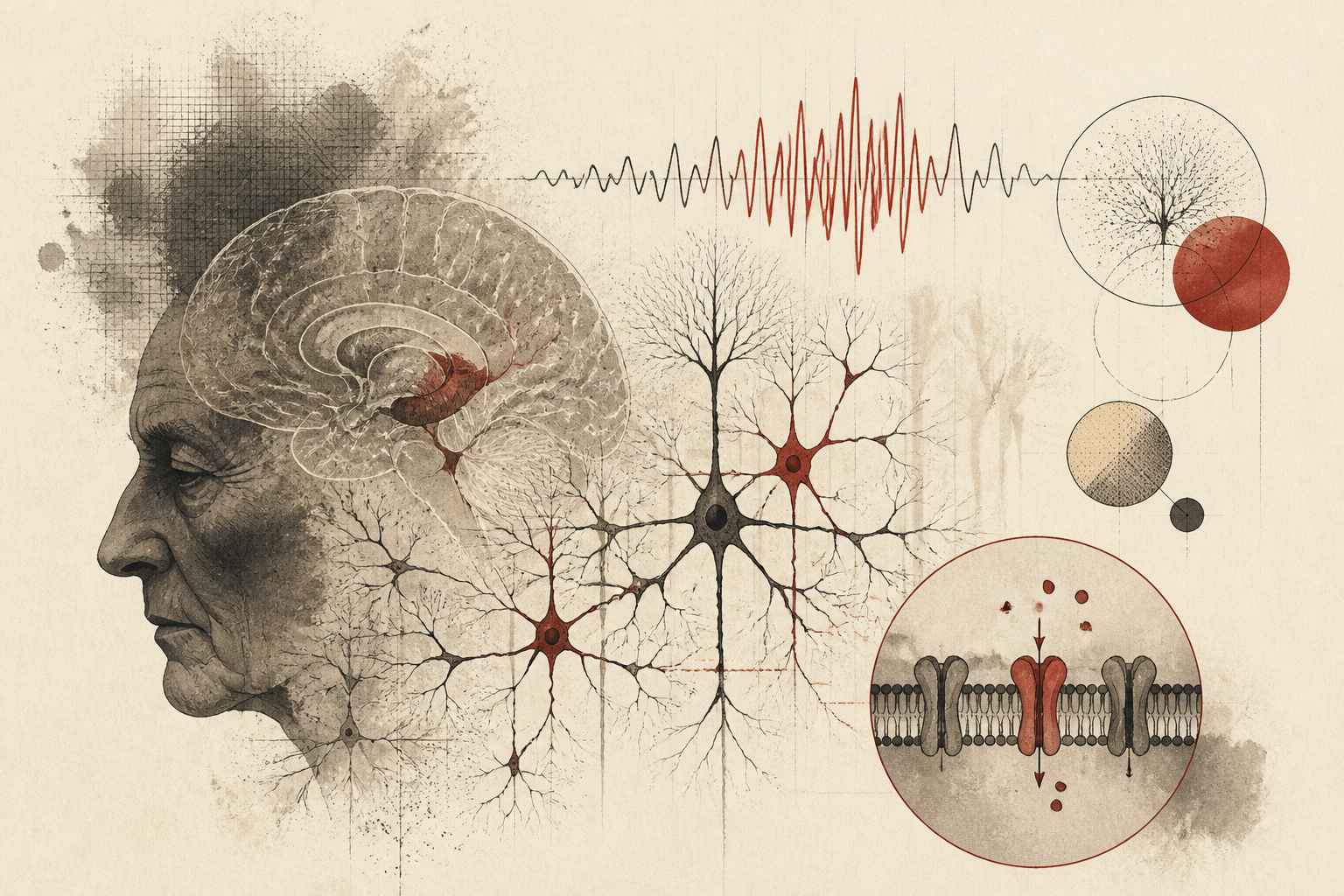
Restoring Interneuron Rhythmicity to Combat Memory Loss in Alzheimer’s Disease
Recent research reveals how stabilizing sodium channel function in interneurons can reset gamma wave timing and reverse cognitive deficits associated with neurodegeneration.
 neuroendocrinology
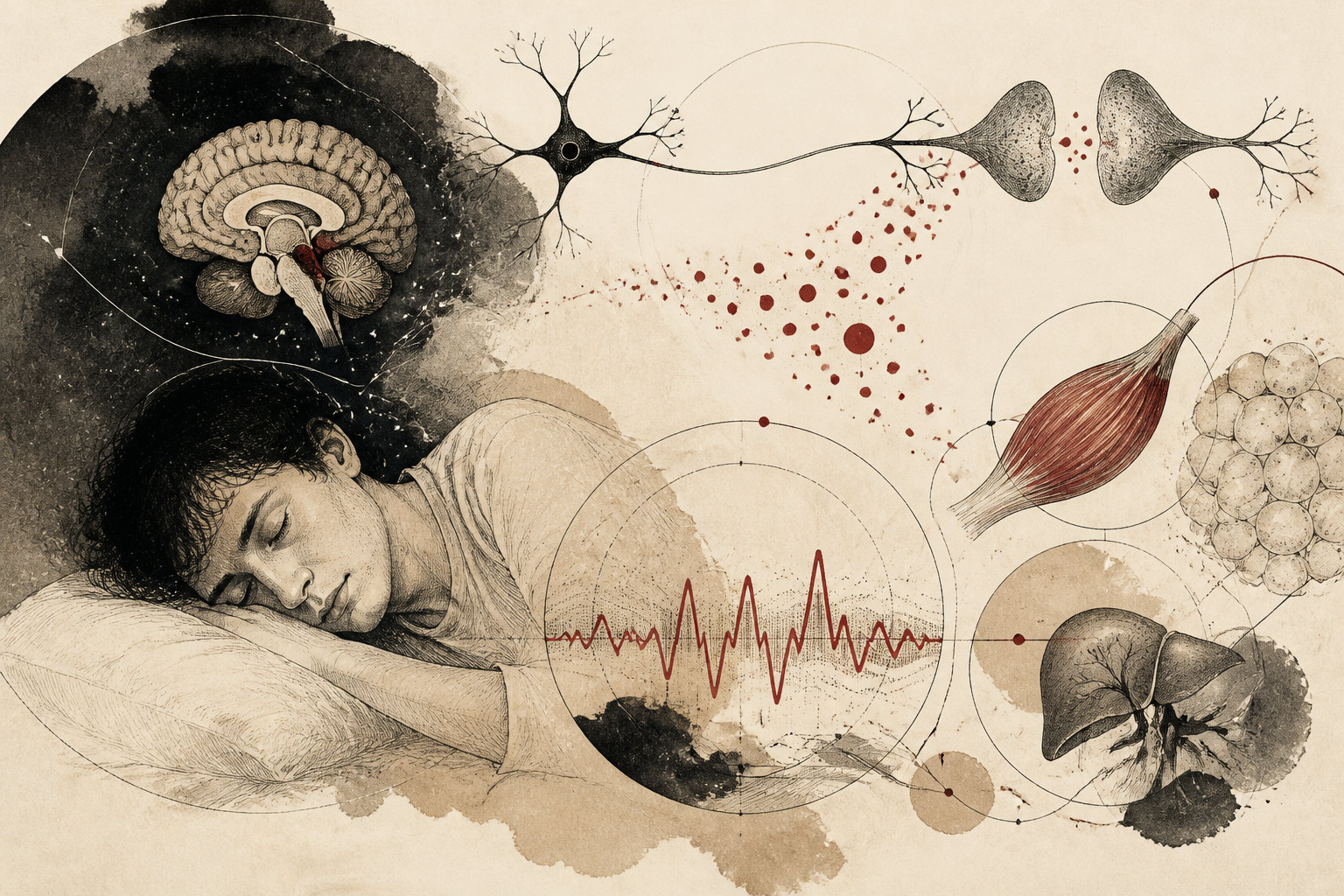
The Growth Hormone Paradox: How Deep Sleep Orchestrates Metabolic and Neural Homeostasis
Recent research reveals the intricate mechanism by which deep sleep regulates growth hormone to optimize muscle synthesis, fat metabolism, and long-term cognitive health.
 neurostimulation
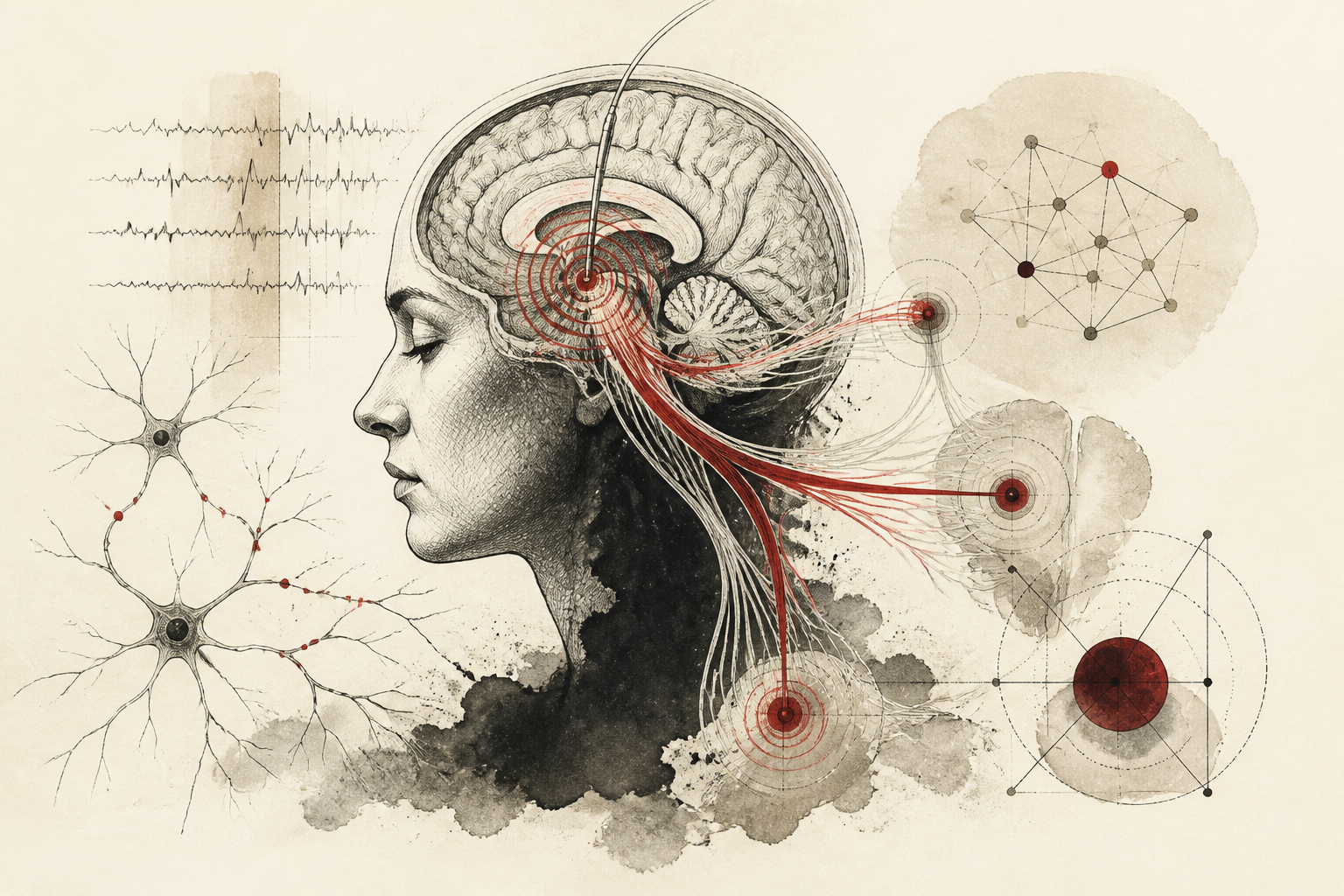
Mapping the Neural Circuitry of Persistent Remission in Treatment-Resistant Depression
Researchers identify three critical brain pathways that dictate the long-term success of deep brain stimulation for patients with intractable depressive disorders.
 Nutritional Psychiatry
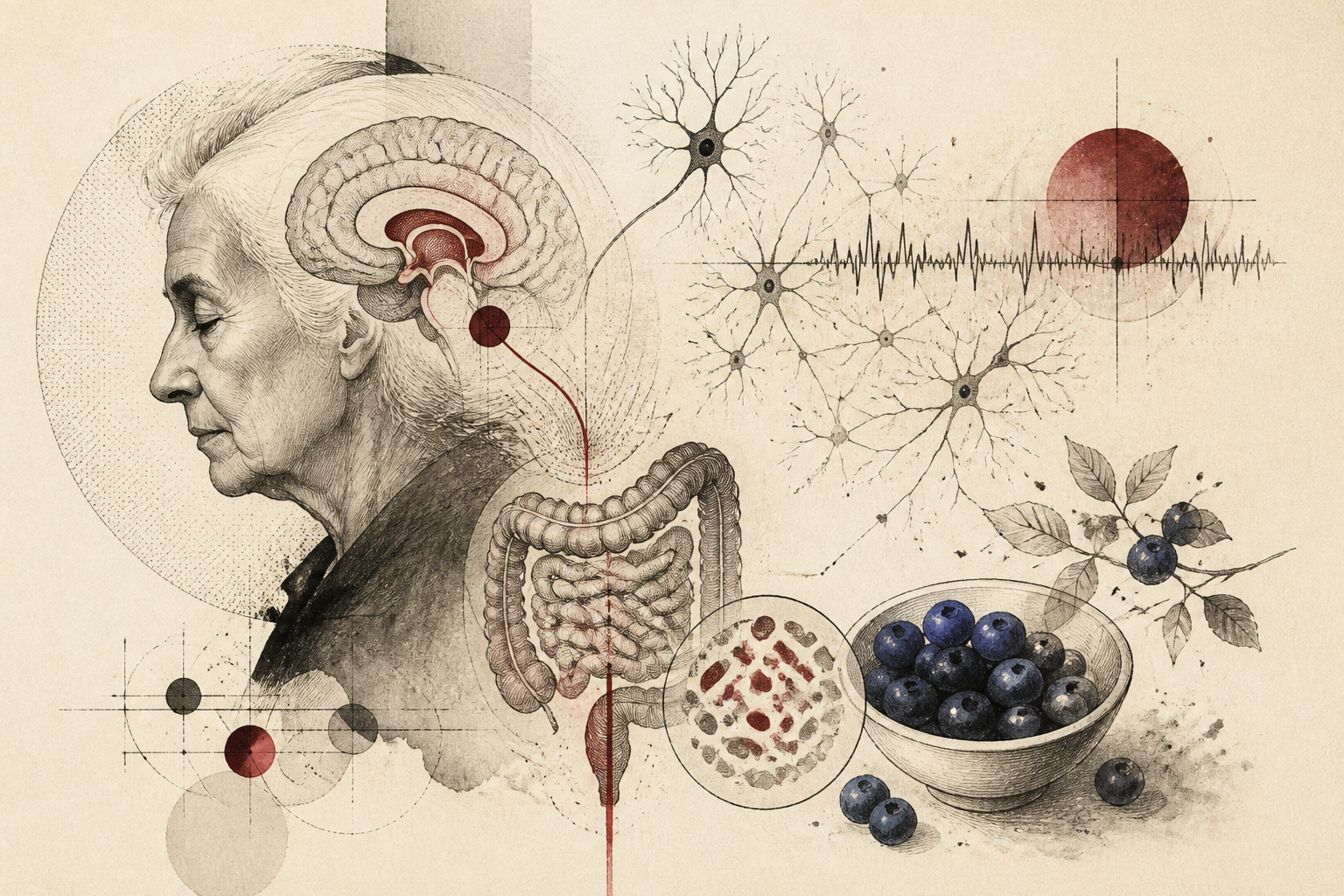
Dietary Intervention and Affective Health: Examining the Impact of Daily Blueberry Intake
Recent research investigates the potential for daily blueberry consumption to mitigate depressive symptoms in older adults through modulation of the gut-brain axis.
 neuroprotection
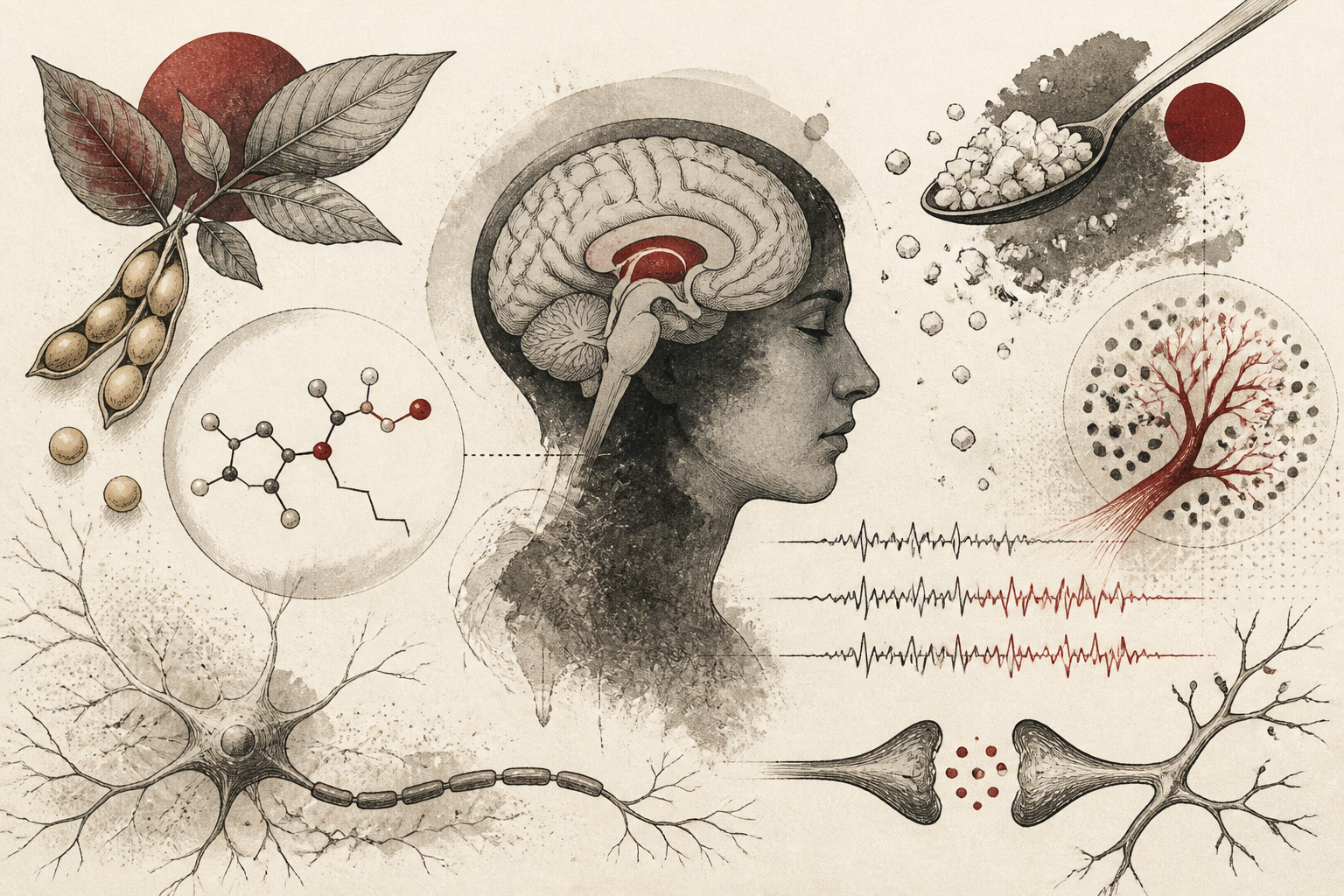
Soy-Derived Compound LPC70 May Mitigate Neurocognitive Impairments from High-Salt Intake
Recent findings from Japanese researchers suggest that the soy-based compound LPC70 could protect against cognitive decline and hypertension associated with excessive sodium consumption.
 behavioral neuroscience
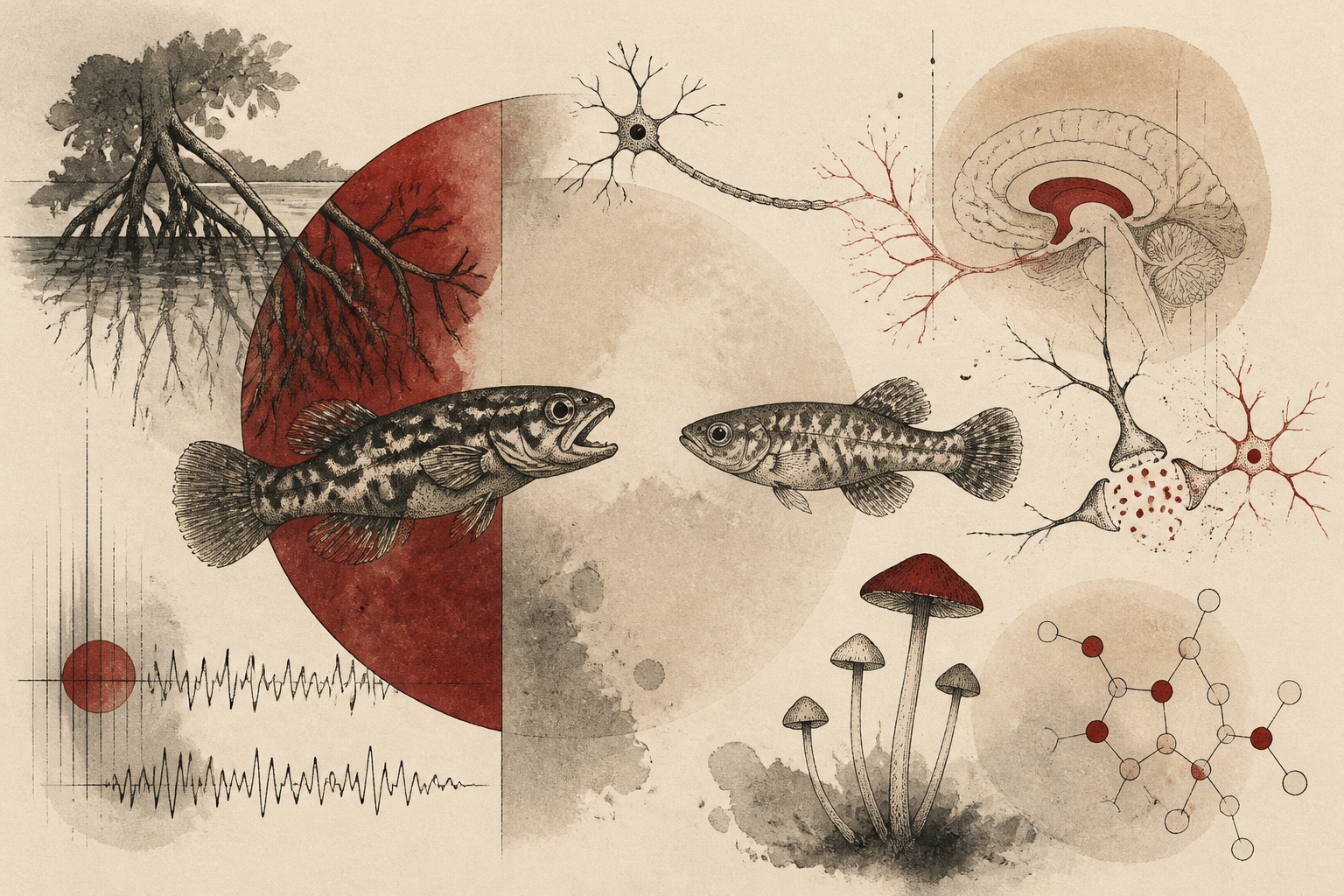
Psilocybin Modulates Escalating Aggression in Kryptolebias marmoratus
Recent research reveals that low doses of psilocybin specifically inhibit aggressive escalation in mangrove rivulus fish, offering new insights into the neurobiology of social behavior.
 Multiple Sclerosis
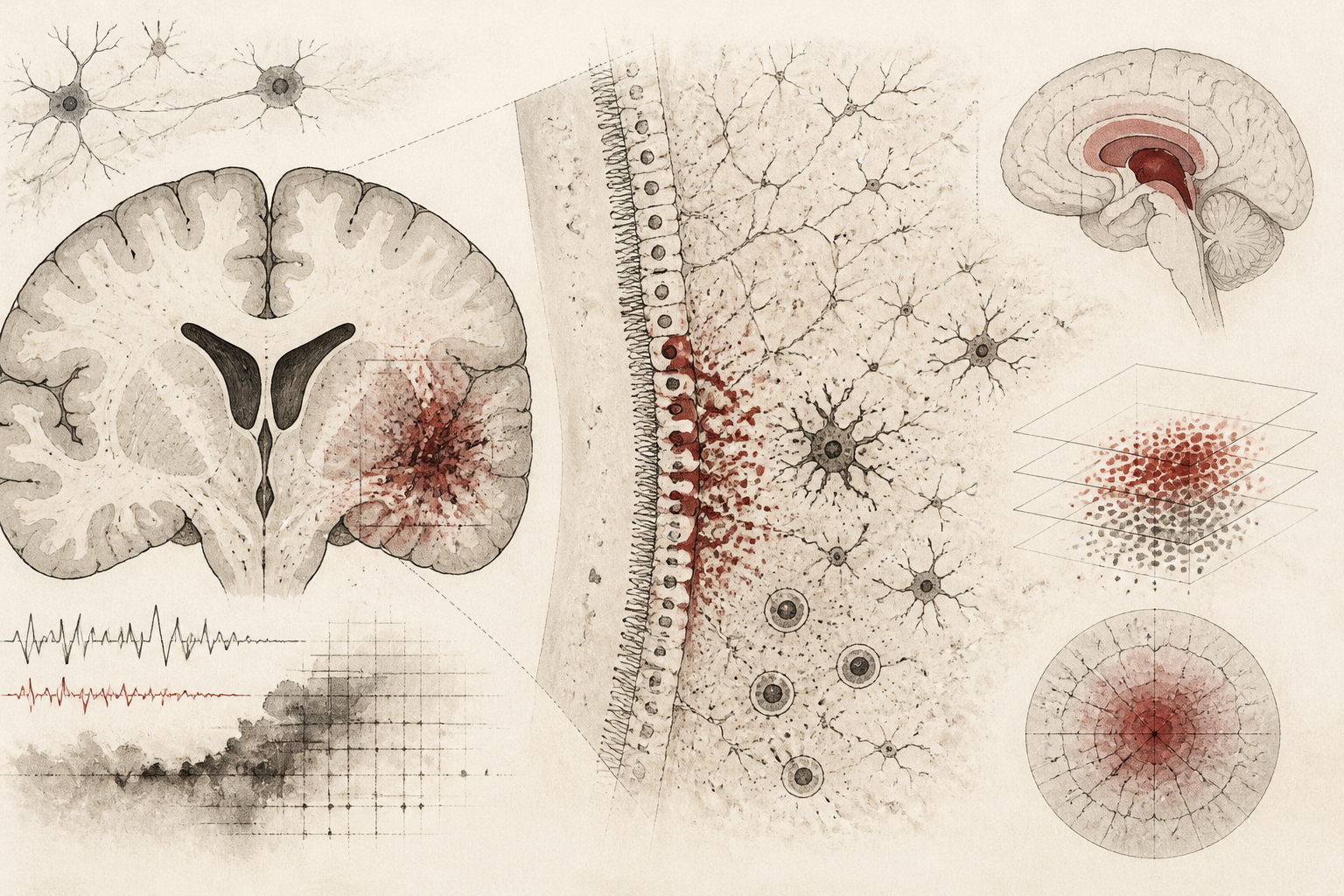
Mapping the Periventricular Gradient: New Insights into Multiple Sclerosis Pathology
Recent findings in Nature Neuroscience reveal how ependymal cell reactivity and adhesion loss drive the characteristic outward progression of brain lesions in Multiple Sclerosis.
 neurogenomics
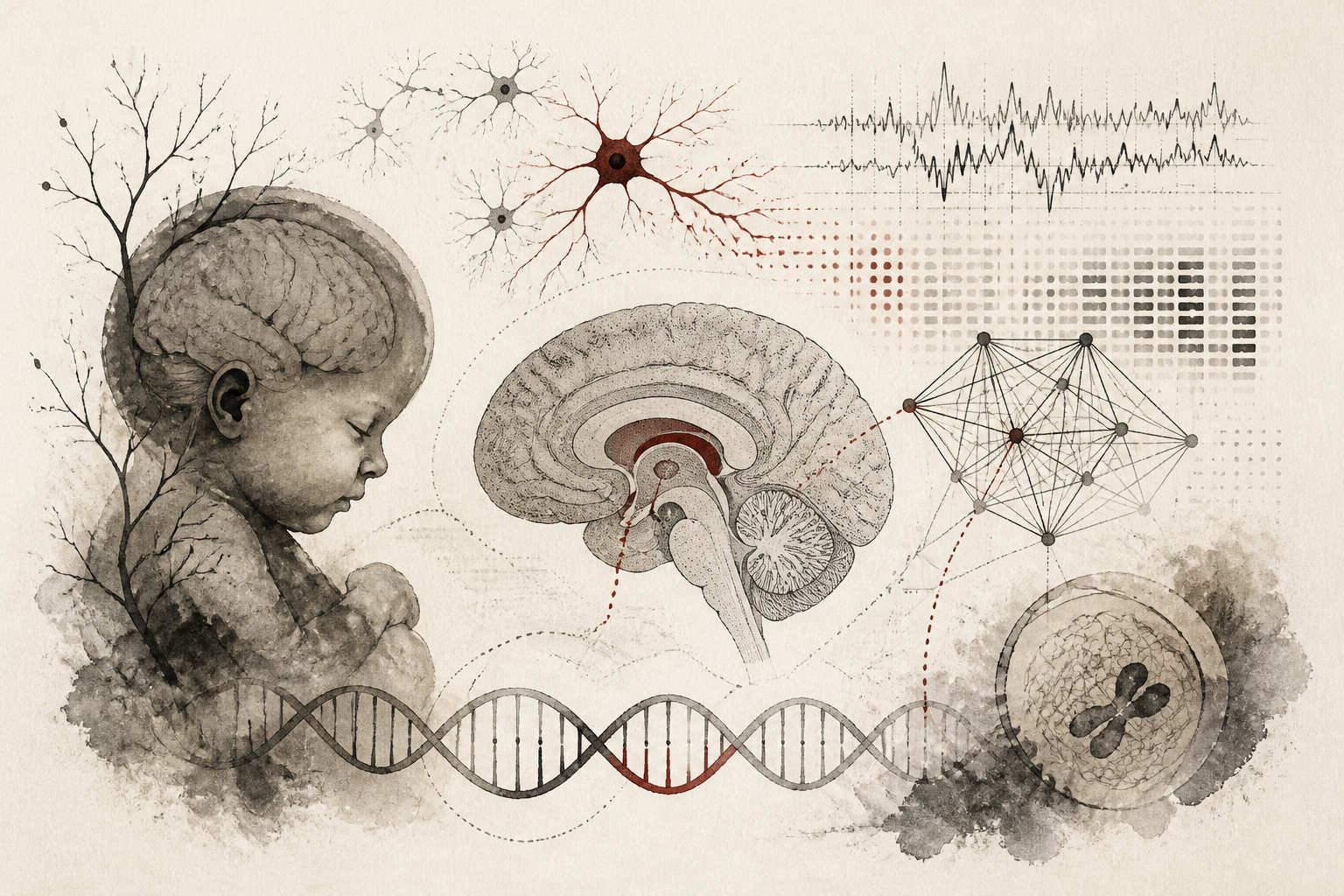
Mapping the Genomic Architecture of the Developing Brain Through AI-Based Modeling
Researchers introduce Seal, a deep-learning framework designed to decode the spatiotemporal complexities of gene regulation and variant effects in the human fetal brain.