Dietary Intervention and Affective Health: Examining the Impact of Daily Blueberry Intake
Recent research investigates the potential for daily blueberry consumption to mitigate depressive symptoms in older adults through modulation of the gut-brain axis.
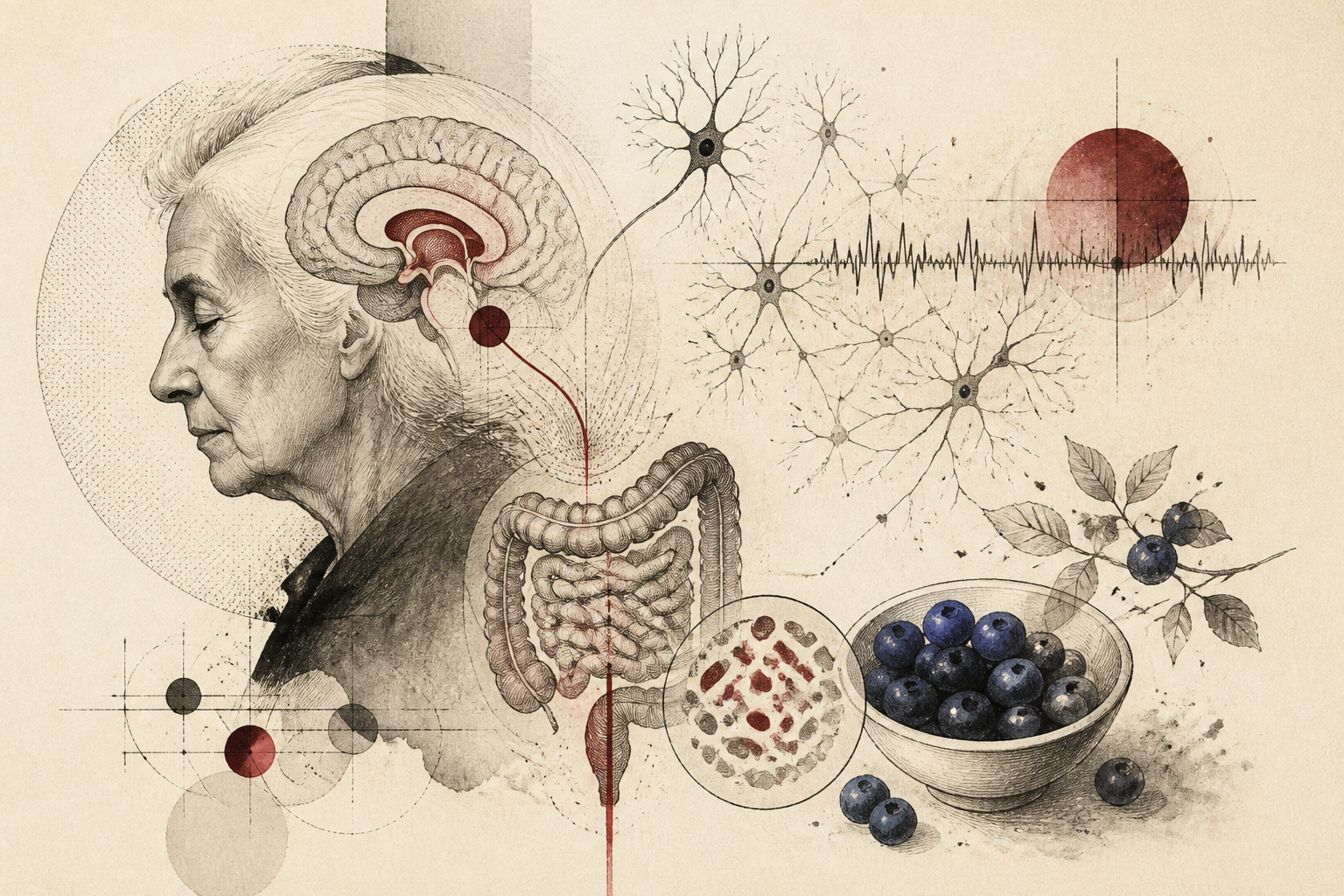
In the burgeoning field of nutritional psychiatry, researchers are increasingly focused on how specific dietary components influence cognitive health and emotional regulation. A recent study, as reported by ScienceDaily, has brought new attention to the potential mental health benefits of the common blueberry. While the fruit has long been celebrated for its antioxidant properties and general cardiovascular benefits, this specific investigation looked deeper into the affective consequences of consistent daily consumption. Specifically, the study explored whether a concentrated dietary intervention involving blueberries could significantly alter mood states in an aging population, a demographic often disproportionately affected by subclinical depressive symptoms and age-related neurological decline. The findings suggest a complex relationship between fruit-derived phytochemicals, the gastrointestinal environment, and mental wellbeing.
The Physiological Basis of Flavonoid Consumption
To understand why blueberries are a primary candidate for mood-related research, one must look at their high concentration of anthocyanins and other flavonoids. These bioactive compounds are known to cross the blood-brain barrier, where they may exert neuroprotective effects by reducing oxidative stress and neuroinflammation. In the context of aging, the brain becomes increasingly susceptible to inflammation, which has been consistently linked in psychiatric literature to the development of depressive symptoms. The study under review sought to determine if these physiological properties could be translated into observable psychological improvements. By providing older adults with a daily portion of blueberries over a three-month period, researchers aimed to establish a longitudinal baseline for how persistent dietary changes might stabilize or improve emotional states compared to a control group receiving a placebo.
Gut-Brain Axis and Microbial Enzyme Modulation
Perhaps the most significant aspect of this research was not just the monitoring of mood, but the concurrent analysis of the gut microbiome. The researchers detected measurable changes in gut microbial enzymes among participants who consumed the fruit daily. This finding strengthens the "gut-brain connection" hypothesis, which posits that the bacterial environment of the digestive tract communicates directly with the central nervous system through various biochemical pathways. Anthocyanins are metabolized by gut bacteria, and the resulting metabolites may be the true agents of change in the brain. The fact that enzyme levels shifted suggests that the blueberries were actively altering the metabolic output of the microbiome. This mechanism provides a potential biological explanation for why certain foods might influence the mind: the fruit acts as a prebiotic or modulator, shifting the microbial balance toward a state that supports better mental health outcomes.
Statistical Significance and Comparative Analysis
While the study reported a greater reduction in depressive symptoms within the blueberry-consuming group, the researchers noted a critical caveat: these improvements were not statistically significant when compared directly with the placebo group. In scientific research, statistical significance is the threshold that determines if an effect is likely due to the intervention rather than random chance. Because both the experimental group and the placebo group showed some level of improvement, the "surprising effect" on mood remains an area of cautious optimism rather than a definitive clinical recommendation. This lack of significance does not necessarily mean the blueberries were ineffective, but rather that the sample size may have been too small or the study duration too short to fully separate the fruit's impact from the psychological placebo effect often seen in nutritional studies where participants know they are being monitored.
Methodological Limitations and Future Directions
As a small-scale study, there are inherent limitations that must be addressed in future research. The duration of three months provides a snapshot of mid-term effects, but nutritional interventions often require longer periods to manifest significant changes in chronic conditions like depression. Furthermore, the reliance on older adults limits the generalizability of the findings to younger populations who may have different metabolic rates and microbiome compositions. The study also opens several questions regarding dosage: would a higher concentration of blueberry extract yield a statistically significant result, or is the whole-food matrix essential for the microbial enzyme changes observed? Researchers are now looking toward larger, multi-center trials that can better control for external variables such as exercise, sleep, and overall diet, all of which significantly influence both the gut microbiome and mood.
Clinical Implications for Nutritional Psychiatry
Despite the lack of statistical significance against the placebo, the study contributes a valuable piece of evidence to the broader conversation on preventative mental health. It reinforces the idea that dietary choices are not merely about physical maintenance but are integral to psychiatric resilience. For older adults, who may be looking for non-pharmacological ways to support their mental health, the inclusion of polyphenol-rich fruits like blueberries offers a low-risk intervention with high potential secondary benefits. The discovery of microbial enzyme shifts provides a concrete biological marker that future studies can target. As we move toward a more personalized approach to nutrition, understanding exactly how different individuals metabolize these fruits based on their unique gut flora will be the next frontier in treating and preventing mood disorders through the diet. The research serves as a reminder that the path to mental wellness may be found in the complex interactions between the food we eat and the microscopic organisms that inhabit our bodies.
Quick answers
- Can eating blueberries cure depression in seniors?
- The study found reductions in depressive symptoms, but the results were not statistically significant compared to a placebo, meaning blueberries should be viewed as a supportive dietary factor rather than a cure.
- How do blueberries affect the gut-brain connection?
- Blueberries contain flavonoids that appear to alter gut microbial enzymes, which may influence the central nervous system and mood through the metabolic pathways of the gut microbiome.
- What were the main findings of the blueberry mood study reported by ScienceDaily?
- The study observed that daily consumption for three months led to changes in gut enzymes and a decrease in depressive symptoms, although the mood benefits did not reach the threshold for statistical significance against the control group.
Rewritten by Zeit editorial AI. Based on original reporting at ScienceDaily — Mind & Brain.