The Growth Hormone Paradox: How Deep Sleep Orchestrates Metabolic and Neural Homeostasis
Recent research reveals the intricate mechanism by which deep sleep regulates growth hormone to optimize muscle synthesis, fat metabolism, and long-term cognitive health.
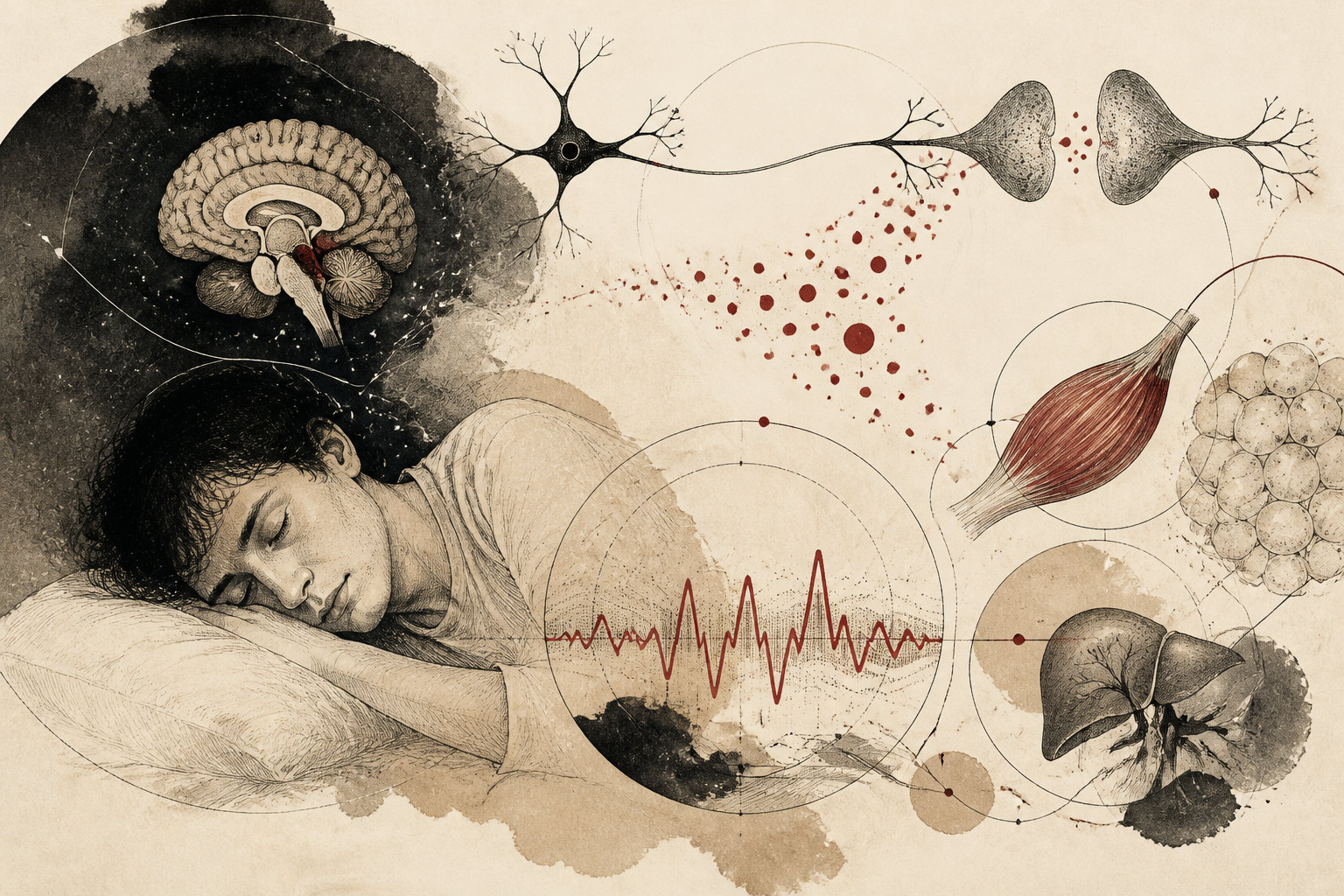
In the complex architecture of human physiology, the transition into deep sleep has long been recognized as a critical period for restoration. While the relationship between nocturnal rest and physical health is well-established in clinical literature, the precise biochemical pathways connecting the unconscious brain to somatic repair have remained partially obscured. A recent investigation, as reported by ScienceDaily, has elucidated a sophisticated two-way signaling pathway between sleep cycles and the production of growth hormone. This discovery provides a mechanistic explanation for how the brain manages the competing demands of physiological recovery and the maintenance of wakeful alertness, suggesting that the quality of one's sleep is not merely a passive state of rest but an active, hormonal regulatory event that dictates metabolic efficiency and neural integrity.
The Neuroendocrine Mechanics of Recovery
At the center of this biological orchestration is the release of growth hormone (GH), a peptide hormone that facilitates cellular reproduction and regeneration. Historically, the surge of GH during slow-wave sleep (SWS) was viewed as a unidirectional byproduct of the circadian rhythm. However, the new findings described by ScienceDaily indicate a much more dynamic reciprocity. The brain does not simply trigger GH release as a timer goes off; rather, there is a constant feedback loop where the presence of the hormone itself influences the depth and duration of sleep stages. This interaction ensures that the body does not over-extend its recovery phase at the expense of necessary alertness during the day, nor does it curtail repair prematurely.
By carefully balancing these signals, the brain optimizes the timing for protein synthesis. This is the primary mechanism behind muscle building; during deep sleep, the elevated levels of GH promote the uptake of amino acids and the synthesis of new proteins, effectively repairing the microscopic damage sustained by muscle tissues during daily activity. Simultaneously, the hormone acts as a potent regulator of lipid metabolism. By facilitating the mobilization of fatty acids for energy, the GH surge during deep sleep allows the body to prioritize fat burning while sparing glucose for the brain’s high energy demands. This metabolic shift is crucial for maintaining a healthy body composition and preventing the accumulation of visceral fat associated with metabolic syndrome.
Methodological Foundations and Neuroplasticity
The research utilized advanced monitoring techniques to observe how fluctuations in growth hormone correlate with specific neural oscillations during non-rapid eye movement (NREM) sleep. By tracking these physiological markers, scientists were able to witness the "two-way relationship" in real-time. This methodology revealed that when sleep is fragmented or the deep stages are shortened, the GH signaling pathway is disrupted. The consequences of this disruption extend far beyond physical fatigue; they strike at the heart of neuroplasticity.
The study underscores that the GH-sleep axis is instrumental in brain health. During the periods of peak hormone activity, the brain undergoes a process of synaptic pruning and waste clearance. Growth hormone plays a facilitative role in ensuring that the neural pathways associated with learning and memory are reinforced while unnecessary connections are eliminated. Without the proper synchronization of GH release and deep sleep, the brain’s ability to consolidate new information is significantly impaired. This finding offers a compelling explanation for why chronic sleep deprivation is so closely linked to cognitive decline and an increased risk of neurodegenerative conditions.
Clinical Interpretations and Metabolic Consequences
Translating these findings into a clinical context reveals why poor sleep quality is often a precursor to systemic health issues. When the two-way relationship between the brain and growth hormone is compromised, the body enters a state of metabolic disharmony. The inability to reach deep sleep stages prevents the GH surge, leading to decreased muscle maintenance and an increased tendency for the body to store fat rather than oxidize it. This creates a feedback loop of poor health: obesity and metabolic dysfunction often lead to sleep apnea and further sleep disturbances, which in turn continue to suppress growth hormone production.
Furthermore, the research highlights the role of this axis in regulating systemic inflammation. Growth hormone possesses anti-inflammatory properties that are most effective when released in tandem with the cooling of the body’s core temperature during deep sleep. By stabilizing the internal environment, the brain ensures that the cardiovascular system and immune functions are refreshed. The absence of this stabilizing force may explain the high correlation between insomnia and chronic inflammatory diseases. The academic community now views these findings as a pivot point for understanding how endocrine disorders and sleep disorders are two sides of the same physiological coin.
Limitations and Future Avenues of Inquiry
Despite the breakthrough nature of these findings, several variables remain to be explored. The original report notes that while the two-way relationship has been identified, the specific genetic markers that dictate individual sensitivity to GH fluctuations are not yet fully understood. Age-related decline in both sleep quality and growth hormone production also presents a complex variable; it is unclear whether the reduction in GH is a cause or a consequence of the fragmented sleep typically seen in older populations.
Additionally, the study focuses primarily on the GH axis, yet the endocrine system involves a multitude of overlapping hormones like cortisol and ghrelin. Future research will need to determine how these other chemical messengers interact with the GH-sleep loop. Scientists are also interested in whether pharmacological interventions can mimic the GH surge in patients who suffer from unavoidable sleep disturbances, such as shift workers or those with chronic insomnia. Whether a synthetic restoration of this hormonal balance can mitigate the neurological and metabolic damage caused by sleep loss remains an open and vital question.
Implications for Public Health and Neurology
The implications of this discovery are vast, particularly for the development of new treatments for sleep and neurological disorders. By targeting the GH signaling pathway, clinicians may eventually be able to offer more than just sedative solutions for sleep issues; they may be able to restore the actual restorative function of sleep. This represents a shift from merely inducing unconsciousness to facilitating biological repair.
For the general population, this research reinforces the necessity of prioritizing sleep hygiene as a fundamental pillar of health, equal in importance to diet and exercise. If the brain uses deep sleep to actively manage the body’s structural and cognitive integrity through growth hormone, then sleep loss is not just a loss of time—it is a loss of the body’s primary mechanism for self-renewal. As the academic community continues to parse the data provided by ScienceDaily, the message is clear: the bridge between the mind and the body is built during the quietest hours of the night, and protecting that bridge is essential for long-term survival and cognitive vitality.
Quick answers
- How does deep sleep help build muscle and burn fat?
- During deep sleep, the brain triggers a surge of growth hormone which promotes protein synthesis for muscle repair and mobilizes fatty acids to be burned for energy.
- What is the two-way relationship between sleep and growth hormone?
- Research shows that sleep stages trigger growth hormone release, but the presence of the hormone also feeds back to the brain to regulate the depth and duration of sleep.
- Why is poor sleep linked to brain health and memory issues?
- Growth hormone released during deep sleep facilitates synaptic pruning and waste clearance in the brain, which are essential for memory consolidation and preventing cognitive decline.
Rewritten by Zeit editorial AI. Based on original reporting at ScienceDaily — Mind & Brain.