Soy-Derived Compound LPC70 May Mitigate Neurocognitive Impairments from High-Salt Intake
Recent findings from Japanese researchers suggest that the soy-based compound LPC70 could protect against cognitive decline and hypertension associated with excessive sodium consumption.
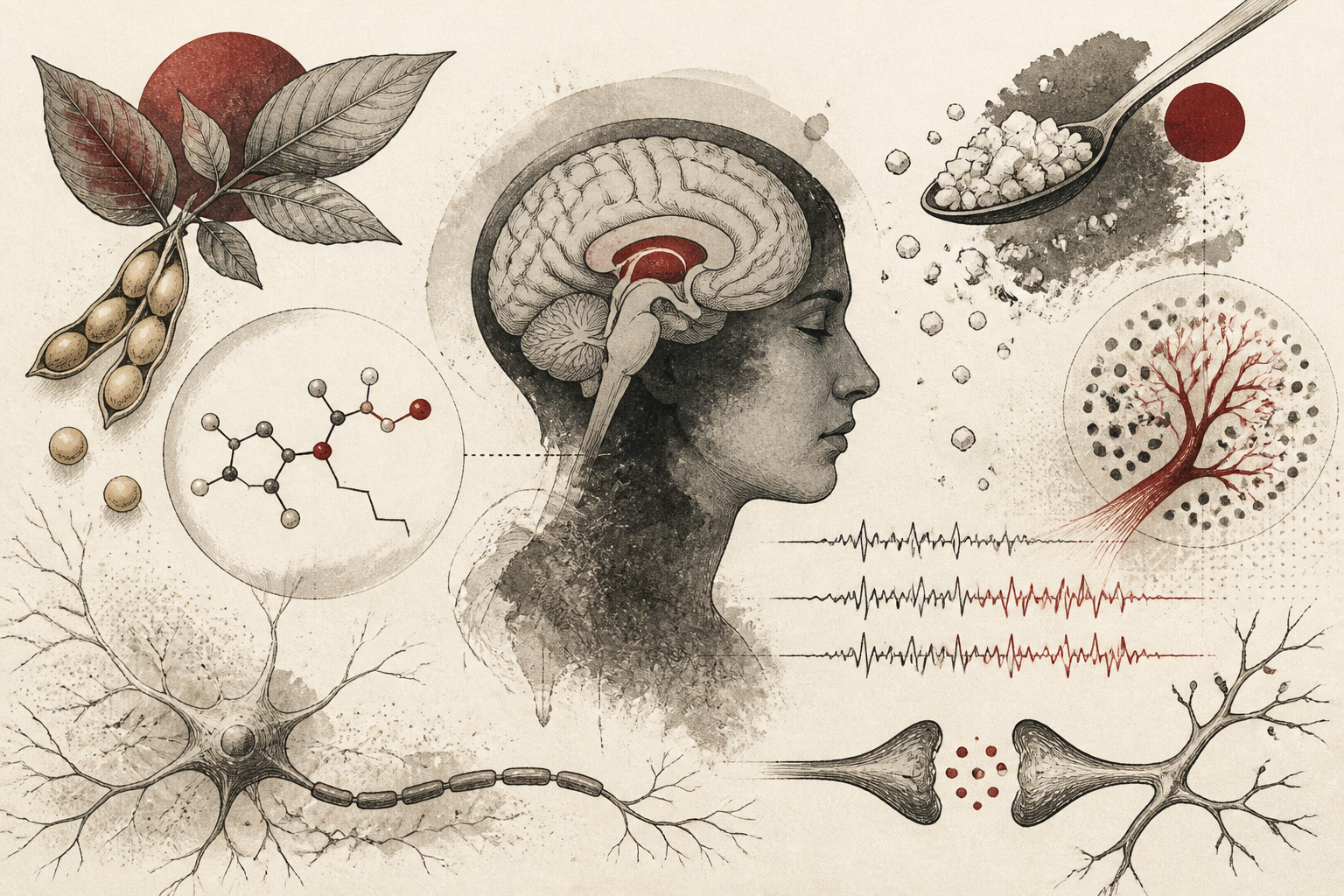
The relationship between dietary sodium and cardiovascular health has long been a pillar of public health messaging, yet emerging research suggests that the implications of high-salt intake extend far beyond the circulatory system into the complex architecture of the brain. A recent investigation by a team of Japanese researchers, as reported by ScienceDaily, has identified a natural soy-derived compound, designated as LPC70, which appears to offer significant neuroprotective benefits. This discovery addresses a critical intersection of nutrition and neuroscience, suggesting that while systemic hypertension is a primary concern of sodium overconsumption, the concurrent risks to memory and social cognition may be equally profound and, potentially, pharmacologically manageable.
For decades, clinicians have warned that excessive salt consumption is a primary driver of hypertension, which in turn acts as a risk factor for stroke and vascular dementia. However, recent longitudinal and experimental studies have begun to tease apart a more direct path of destruction: sodium may impair cognitive function through mechanisms that are independent of, or at least exacerbated by, blood pressure fluctuations. The Japanese study contributes to this growing body of evidence by demonstrating that mice subjected to a high-salt diet exhibited not only expected physiological changes but also marked deficits in social behavior and memory. The introduction of LPC70 into this dietary framework, however, appeared to neutralize these adverse effects, providing a potential template for future nutritional interventions in human populations.
Mechanisms of Protection and Behavioral Outcomes
The core findings of the research emphasize the multi-faceted utility of LPC70. In experimental models, mice that were provided with the supplement alongside an excess of salt maintained physiological and behavioral markers far closer to control groups than those on a high-salt diet alone. Notably, the researchers observed that the compound contributed to a relative lowering of blood pressure, suggesting that LPC70 may possess systemic antihypertensive properties. However, the most striking results were found in the cognitive and behavioral domains, where the supplement appeared to act as a buffer against the typical neurotoxic effects of sodium.
Behavioral assessments revealed that mice on high-salt diets without the supplement showed significant impairment in memory tasks, failing to recognize familiar stimuli or navigate spatial challenges with their usual efficacy. Furthermore, their social interactions became fragmented or diminished, a behavioral change that mimics certain neurodegenerative conditions in humans. When LPC70 was administered, these mice demonstrated a return to standard social engagement levels and superior memory retention. This suggests that the compound may specifically target the pathways through which salt triggers neuro-inflammation or oxidative stress in the hippocampus and prefrontal cortex, the regions of the brain most associated with memory and social cognition.
Experimental Methodology and Neurological Observations
The researchers employed a controlled experimental design to isolate the variables of salt intake and LPC70 supplementation. By monitoring the mice across several weeks, the team could track the gradual onset of sodium-induced decline. The use of a soy-derived compound is particularly significant from a pharmacological perspective, as it represents a naturally occurring phospholipid derivative. Phospholipids are integral to cell membrane integrity, and the specific structure of LPC70 likely facilitates its interaction with the blood-brain barrier, allowing it to exert protective effects directly within the central nervous system.
Data gathered during the study indicated that the protective mechanism is likely not limited to a single pathway. While the reduction in blood pressure is a significant factor in preserving neural health, the distinct improvement in social behavior suggests a more nuanced interaction with neurotransmitter systems or inflammatory cytokines. High-salt diets are known to increase levels of Interleukin-17 in the gut, which can travel to the brain and disrupt the production of nitric oxide—a chemical essential for healthy blood flow and cognitive function. The Japanese team’s findings suggest that LPC70 may intervene in this gut-brain axis, though the precise molecular docking sites for the compound remain a subject for deeper biochemical analysis.
Limitations and Theoretical Interpretations
Despite the promising results, the researchers and the broader scientific community urge a cautious interpretation of the data. Because the study was conducted on murine models, the direct translation of these findings to human physiology is not yet guaranteed. Mice and humans metabolize sodium and phospholipids differently, and the dosage of LPC70 required to achieve similar neuroprotection in a human adult would need to be rigorously established through clinical trials. Furthermore, the study focused on a specific timeframe; the long-term effects of LPC70 supplementation over years or decades, rather than weeks, remains an open question.
Another point of consideration is the source of the compound itself. While LPC70 is soy-derived, this does not necessarily mean that consuming standard soy products provides a therapeutic dose of the specific molecule. The extraction and concentration process used in the laboratory are highly specialized. Therefore, the findings should not be interpreted as a green light for individuals to maintain high-salt diets provided they increase their soy intake. Rather, the study highlights a potential supplement that could one day assist those who struggle with sodium regulation or who are genetically predisposed to salt-sensitive cognitive decline.
Implications for Public Health and Future Research
The significance of this research lies in its potential to redefine how we approach dietary management in an era of processed foods. With salt being a ubiquitous preservative in the global food supply, many populations consume far more than the recommended daily allowance. If a natural compound like LPC70 can be developed into a viable supplement, it may serve as a critical tool in the prevention of age-related cognitive decline and social withdrawal. The Japanese study provides a foundational evidence base for the next phase of research: identifying the specific molecular targets of LPC70 within the brain and determining if the compound can reverse damage already caused by years of high-salt consumption.
Ultimately, this research underscores the vital link between nutrition and mental health. As we continue to uncover the ways in which our dietary choices physically reshape our cognitive capabilities, the discovery of protective compounds like LPC70 offers hope for mitigating the neurological consequences of a high-sodium world. According to the original report from ScienceDaily, this study marks a significant step forward in understanding how to shield the brain from the silent impacts of our modern diet, potentially paving the way for new strategies in both preventative medicine and neuropsychology.
Quick answers
- What is LPC70 and how does it affect the brain?
- LPC70 is a natural compound derived from soy that has been shown in animal studies to protect against memory loss and social behavior impairments caused by high-salt diets.
- Can eating soy prevent the negative effects of too much salt?
- While LPC70 is found in soy, the study used a concentrated form. It is not yet proven that standard soy consumption provides enough LPC70 to counteract high sodium levels in humans.
- What are the neurological risks of a high-salt diet?
- Beyond raising blood pressure, excessive salt intake is linked to impaired memory, reduced social interaction, and potential neuro-inflammation.
Rewritten by Zeit editorial AI. Based on original reporting at ScienceDaily — Mind & Brain.