Vitamin D Intake Linked to 13% Cognitive Score Improvement in Specific Older Adult Groups
Recent findings suggest that high-dose vitamin D supplementation may offer significant cognitive benefits for older adults experiencing both mild impairment and sleep disturbances.
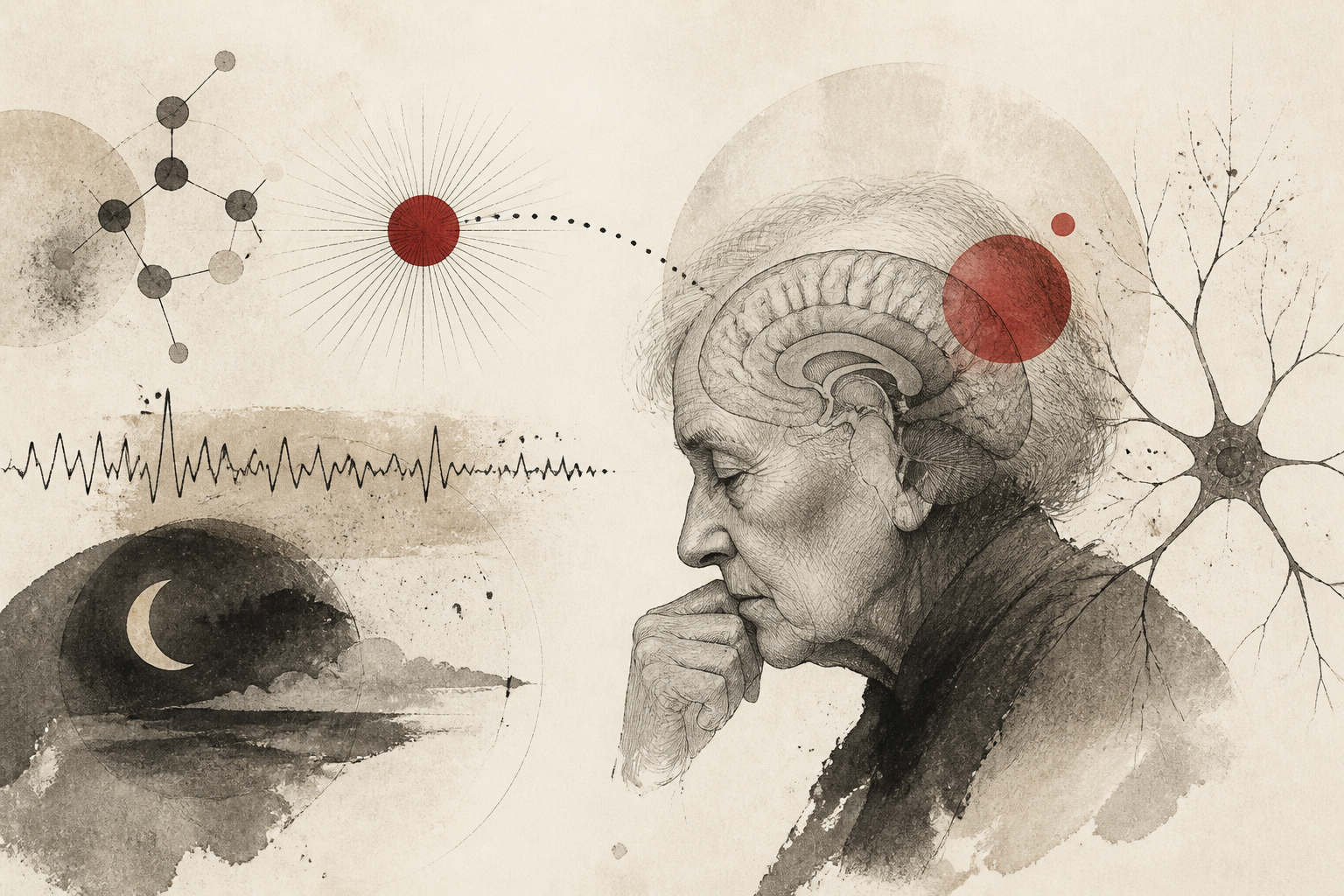
Preliminary research reported by ScienceDaily has highlighted a significant correlation between high-dose vitamin D supplementation and improved cognitive performance among a specific subset of the aging population. The study indicates that older adults suffering from both mild cognitive impairment (MCI) and concurrent sleep disturbances who consumed at least 5,000 IU of vitamin D daily achieved cognitive test scores approximately 13% higher than their counterparts who did not supplement with the vitamin. These findings, while preliminary, suggest that vitamin D could serve as a critical, modifiable factor in the early stages of cognitive decline, potentially offering a low-cost intervention strategy for those at risk of progressing toward more severe forms of dementia.
The context for this research is the growing global concern regarding neurodegenerative diseases and the urgent need to identify lifestyle or nutritional interventions that can be implemented during the 'prodromal' or early phase of decline. Mild cognitive impairment represents a transitional state between the expected cognitive changes of normal aging and the more serious deficits associated with dementia. When coupled with sleep disorders—which are themselves a known risk factor for neuroinflammation and cognitive degradation—the vulnerability of this population increases. This study’s focus on the intersection of these two conditions provides a unique lens through which to view the neuroprotective potential of vitamin D.
Clinical Significance of the 13% Cognitive Delta
The most striking finding of this investigation is the 13% disparity in cognitive assessment scores. In the context of clinical neuropsychology, a double-digit percentage improvement in standardized testing is substantial. The data suggests that for individuals already exhibiting signs of memory loss or executive dysfunction, the presence of vitamin D in the system at higher-than-average dosages (5,000 IU or more) may help stabilize or even slightly enhance neural processing. This specific dosage exceeds the standard Recommended Dietary Allowance (RDA) usually suggested for bone health, pointing toward a specialized neurological requirement that may not be met by conventional multivitamins.
Researchers observed that the benefit was not uniform across all demographics but was particularly pronounced in those who reported poor sleep quality. This suggests a synergistic or perhaps compensatory relationship between vitamin D and the brain's restorative processes. Sleep is the primary period during which the brain clears metabolic waste through the glymphatic system; disruptions in this process are known to accelerate plaque buildup and cognitive slowing. The fact that vitamin D supplementation appears to mitigate some of the deficits associated with sleep loss suggests it may play a role in maintaining the integrity of these restorative pathways or reducing the oxidative stress that accumulates during wakefulness.
Mechanisms of Action and Study Methodology
While the exact physiological pathways remain a subject of intense academic scrutiny, the scientific community has long recognized the presence of vitamin D receptors throughout the brain, particularly in areas like the hippocampus, which is the seat of memory formation. Vitamin D acts less like a simple nutrient and more like a neurosteroid, influencing gene expression and the production of neurotrophic factors that support neuron survival and plasticity. In the methodology described in the ScienceDaily report, the study compared individuals taking at least 5,000 IU daily against a control group taking none. The assessment utilized standardized cognitive testing to measure domains such as short-term recall, attention, and executive function.
The inclusion of sleep quality as a variable is a significant methodological choice. Because vitamin D is involved in the regulation of the circadian rhythm and the synthesis of melatonin, researchers hypothesize that the cognitive boost observed may be mediated by improved sleep architecture. Alternatively, vitamin D may act as a buffer, protecting the brain from the inflammatory cytokines that typically increase when a person is sleep-deprived. By isolating the group that experienced both MCI and sleep issues, the researchers were able to identify a high-risk cohort where the nutritional intervention appeared most effective, providing a roadmap for future targeted clinical trials.
Limitations and Theoretical Open Questions
Despite the promising nature of these results, the research team emphasizes that these are preliminary findings. Several limitations must be addressed before clinical guidelines can be revised. First, the study’s observational nature means that while a strong correlation exists, direct causation has not been definitively established. It remains possible that individuals who are proactive about taking high-dose supplements also engage in other health-conscious behaviors—such as better diet or increased physical activity—that contribute to higher cognitive scores. Furthermore, the reliance on self-reported sleep problems and supplement dosages introduces the potential for recall bias.
There are also significant open questions regarding the safety and long-term effects of high-dose vitamin D. A daily intake of 5,000 IU is near the upper limit of what is generally considered safe without medical supervision, raising concerns about potential toxicity or hypercalcemia in certain individuals. Future research must determine whether these cognitive gains are sustained over several years and if the supplementation can actually delay the conversion from mild cognitive impairment to Alzheimer's disease. Moreover, the specific biological markers of sleep quality—such as REM latency or slow-wave sleep duration—need to be measured objectively to clarify how vitamin D interacts with the sleeping brain.
Implications for Geriatric Psychiatry and Public Health
The broader implications of this research are significant for the fields of geriatric psychiatry and public health. As the global population ages, the burden of cognitive decline on healthcare systems is expected to rise exponentially. If a widely available and inexpensive supplement like vitamin D can reliably improve cognitive outcomes by even a modest margin, it could represent a major breakthrough in preventative medicine. This research highlights the importance of personalized nutrition, suggesting that a 'one size fits all' approach to vitamin intake may be insufficient for protecting the aging brain, especially in those with comorbid sleep issues.
For clinicians, the study provides a compelling reason to screen older patients not only for cognitive symptoms but also for sleep quality and nutritional deficiencies. It suggests that the window of opportunity for intervention is early; by the time cognitive decline reaches a severe stage, the neuroprotective benefits of vitamin D may be less effective. Consequently, the findings advocate for a proactive approach to brain health, where identifying modifiable factors during the early stages of impairment becomes a clinical priority. As we await more rigorous, long-term clinical trials, these results serve as a vital reminder of the complex interplay between nutrition, sleep, and the maintenance of human cognition.
Quick answers
- How much vitamin D was linked to better cognitive scores in the study?
- The study found that a daily intake of at least 5,000 IU of vitamin D was associated with a 13% improvement in cognitive test scores.
- Which group of people benefited most from vitamin D supplementation?
- Older adults who experienced both mild cognitive impairment (MCI) and sleep problems saw the most significant cognitive benefits.
- Is vitamin D a cure for dementia according to this research?
- No, the findings are preliminary and suggest vitamin D is a modifiable factor that might help during the early stages of decline, but more research is needed to establish causation.
Rewritten by Zeit editorial AI. Based on original reporting at ScienceDaily — Mind & Brain.