Unpacking Autophagy: The Cellular Recycling System Maintaining Brain Health
Recent findings in Nature Neuroscience detail how the lysosomal degradation process, known as autophagy, acts as a critical regulator of neurological stability and disease progression.
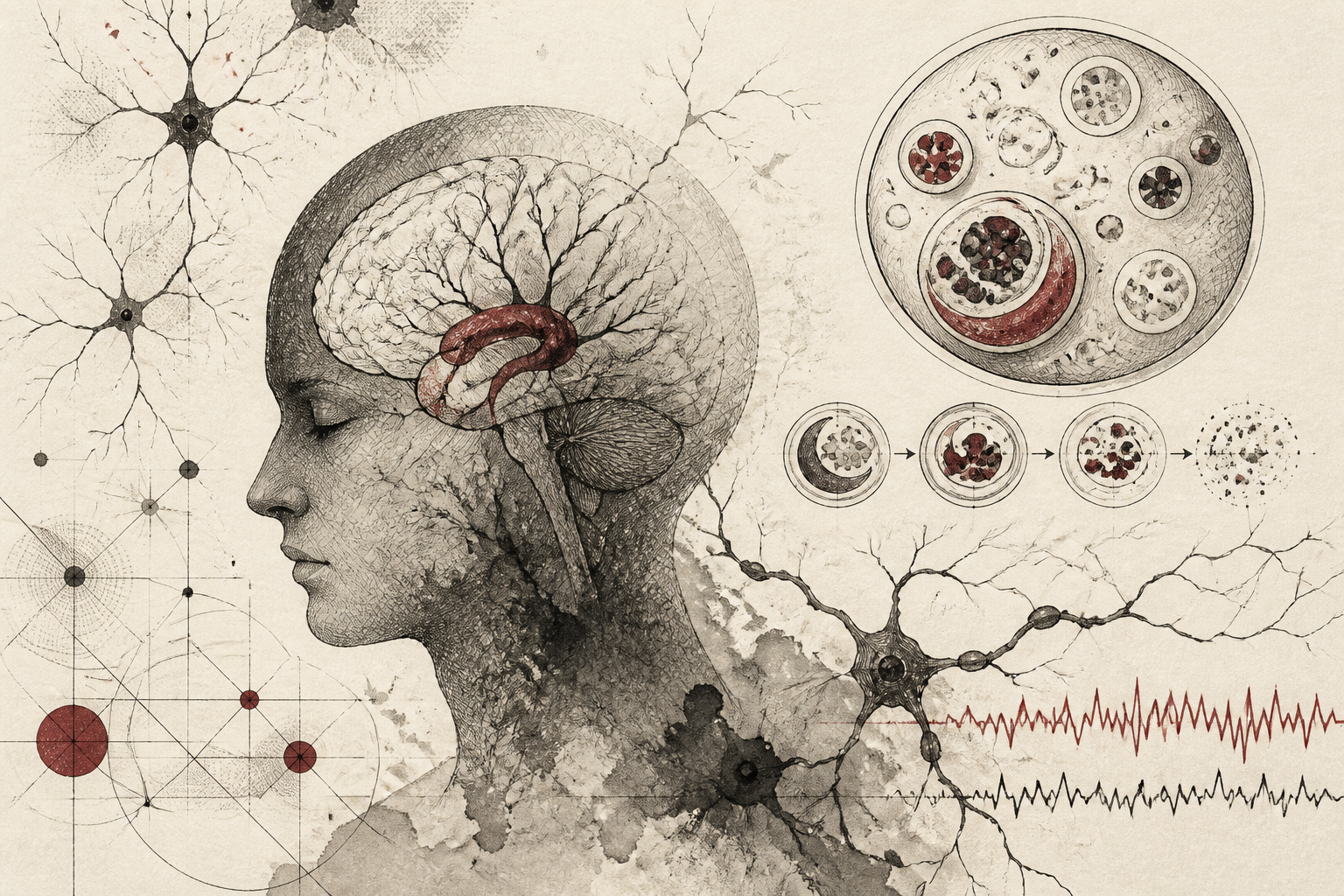
The human brain, an organ of immense metabolic demand and structural complexity, relies on a delicate balance of molecular synthesis and degradation. Central to this equilibrium is the process of macroautophagy—commonly referred to as autophagy—a cellular recycling mechanism that sequesters damaged organelles and misfolded proteins for lysosomal degradation. According to a comprehensive review recently published in Nature Neuroscience, the role of autophagy extends far beyond mere waste management. It is now understood to be a primary driver of neural homeostasis, shaping everything from embryonic neurogenesis to the preservation of cognitive function in the aging brain. As the global burden of neurodegenerative disease grows, researchers are increasingly looking toward these intracellular pathways to understand why the brain's natural self-cleaning mechanisms eventually fail, and how they might be restored to halt the progression of incurable conditions.
Autophagy serves as a fundamental survival mechanism, allowing cells to endure periods of nutrient deprivation by breaking down internal components to generate energy. In the specific context of the central nervous system, however, the process takes on a more specialized role. Neurons are post-mitotic, meaning they do not divide and refresh themselves like skin or liver cells. Consequently, a single neuron must maintain its structural integrity and functional capacity for the duration of an individual's life. The accumulation of metabolic byproducts or damaged mitochondria within these long-lived cells is not merely a nuisance; it is a lethal threat. The Nature Neuroscience analysis underscores that the nervous system has evolved highly sophisticated autophagic protocols to manage this unique biological pressure, ensuring that the neural circuitry remains clear of the toxic debris that characterizes the aging process.
The Architecture of Cellular Cleansing
The mechanics of autophagy involve a series of highly coordinated steps that begin with the formation of the phagophore, a crescent-shaped membrane that expands to engulf cellular material targeted for destruction. Once this membrane closes, it forms a double-membrane vesicle called an autophagosome. This cargo-laden vessel then fuses with a lysosome, an organelle filled with acidic enzymes capable of breaking down proteins, lipids, and carbohydrates into their basic building blocks. These raw materials are subsequently released back into the cytoplasm for reuse. According to the research, this cycle is particularly critical at the synapse—the junction where neurons communicate. Because synaptic transmission requires high levels of energy and protein turnover, any disruption in the autophagic flow at these distal sites can lead to rapid communication failure and eventual neuronal death.
Technological advancements in imaging and genetic sequencing have allowed scientists to observe these processes with unprecedented clarity. The review highlights that autophagy is not a monolithic event but a diverse set of pathways. Selective autophagy, for instance, uses specific adapter proteins to identify and tag only certain types of waste, such as damaged mitochondria (mitophagy) or endoplasmic reticulum fragments (ER-phagy). This precision allows the neuron to fine-tune its internal environment without broad, non-specific degradation. By maintaining this high-resolution control over its internal landscape, the brain can adapt to stressors, ranging from oxidative damage to the physical trauma of injury, ensuring that the overall network remains robust despite the wear and tear of time.
Implications for Neurodegenerative Pathologies
The clinical significance of autophagy is perhaps most evident when the system malfunctions. The Nature Neuroscience report draws direct lines between autophagic dysfunction and the hallmarks of major neurological disorders. In Alzheimer’s disease, for example, the characteristic buildup of amyloid-beta plaques and tau tangles is increasingly viewed not just as a problem of overproduction, but as a failure of clearance. When the autophagic-lysosomal pathway is inhibited, these toxic proteins aggregate, triggering inflammatory responses and cell death. Similarly, in Parkinson’s disease, the failure of mitophagy—the specific removal of defective mitochondria—leads to the accumulation of reactive oxygen species that are particularly damaging to dopaminergic neurons in the substantia nigra.
Furthermore, the research explores how genetic mutations in autophagy-related genes (ATGs) contribute to rare neurodevelopmental disorders and early-onset dementia. These genetic insights suggest that for many patients, the predisposition to brain disease is hard-coded into the very mechanisms meant to protect them. By studying these extreme cases, researchers have been able to map the specific points in the autophagic cycle where bottlenecks occur. Whether it is a failure in the initial recognition of waste, a defect in the transport of autophagosomes along the long axons of neurons, or an inability of the lysosome to achieve the necessary acidity for degradation, each breakdown point represents a potential target for future therapeutic intervention.
Limitations and Theoretical Challenges
Despite the significant progress in mapping these pathways, the scientific community faces substantial hurdles in translating these findings into clinical practice. One of the primary limitations identified in the Nature Neuroscience review is the difficulty of measuring autophagic "flux" in the living human brain. Most current data are derived from animal models or post-mortem human tissue, which provide only a static snapshot of a highly dynamic process. It remains a challenge to determine whether an accumulation of autophagosomes in a diseased brain indicates an induction of the process as a protective response or a block in the degradation phase. Without real-time biomarkers, it is difficult to know exactly when and how to intervene.
There is also the paradox of over-activation. While boosting autophagy is often proposed as a treatment for neurodegeneration, the process must be carefully balanced. Excessive autophagy can lead to "autophagic cell death," where the cell begins to digest its functional components along with the waste. The review emphasizes that therapeutic strategies must be highly nuanced, aiming to restore a healthy baseline rather than simply turning the system to its maximum setting. The diversity of cell types in the brain—including microglia and astrocytes, which have their own distinct autophagic profiles—further complicates this picture, as a drug that benefits neurons might inadvertently harm the supporting glial cells.
The Future of Neurological Maintenance
The fundamental question for the next decade of neuroscience is whether the brain's internal recycling system can be pharmacologically rejuvenated. The Nature Neuroscience synthesis suggests that the answer lies in precision medicine. By identifying the specific molecular signatures of autophagic failure in individual patients, it may be possible to deploy small molecules or gene therapies that target specific nodes of the pathway. Such interventions could potentially delay the onset of symptoms in those at high genetic risk or slow the progression of existing disease by reducing the intracellular burden of toxic proteins.
Beyond disease, the study of autophagy offers profound insights into healthy aging. It suggests that lifestyle factors known to influence brain health—such as exercise, caloric restriction, and sleep—may exert their protective effects through the modulation of autophagic pathways. During sleep, for instance, the brain undergoes a surge in metabolic clearance, a process that appears to be deeply integrated with autophagic activity. As we continue to decode the language of cellular maintenance, the goal is not just to treat pathology but to understand the biological foundations of resilience. By safeguarding the mechanisms that keep our neurons clean, we may find the key to preserving the structural and functional integrity of the human mind well into the later stages of life.
Quick answers
- What is the primary function of autophagy in the brain?
- Autophagy acts as a cellular recycling system that identifies and breaks down damaged proteins and organelles, preventing toxic buildup and maintaining neuronal health.
- How does autophagy dysfunction contribute to Alzheimer's disease?
- Failure in autophagic clearance leads to the accumulation of amyloid-beta and tau proteins, which form toxic aggregates that cause inflammation and neuron death.
- Can autophagy be harmful to the brain?
- Yes, while essential for health, excessive or unregulated autophagy can lead to autophagic cell death, where a cell digests its own functional components.
Rewritten by Zeit editorial AI. Based on original reporting at Nature Neuroscience.