Uncovering Vulnerabilities: Inhibiting the SET Protein to Combat Glioblastoma
Researchers identify a method to restore the tumor-suppressive enzyme PP2A, potentially weakening glioblastoma's resistance to traditional radiation therapy.
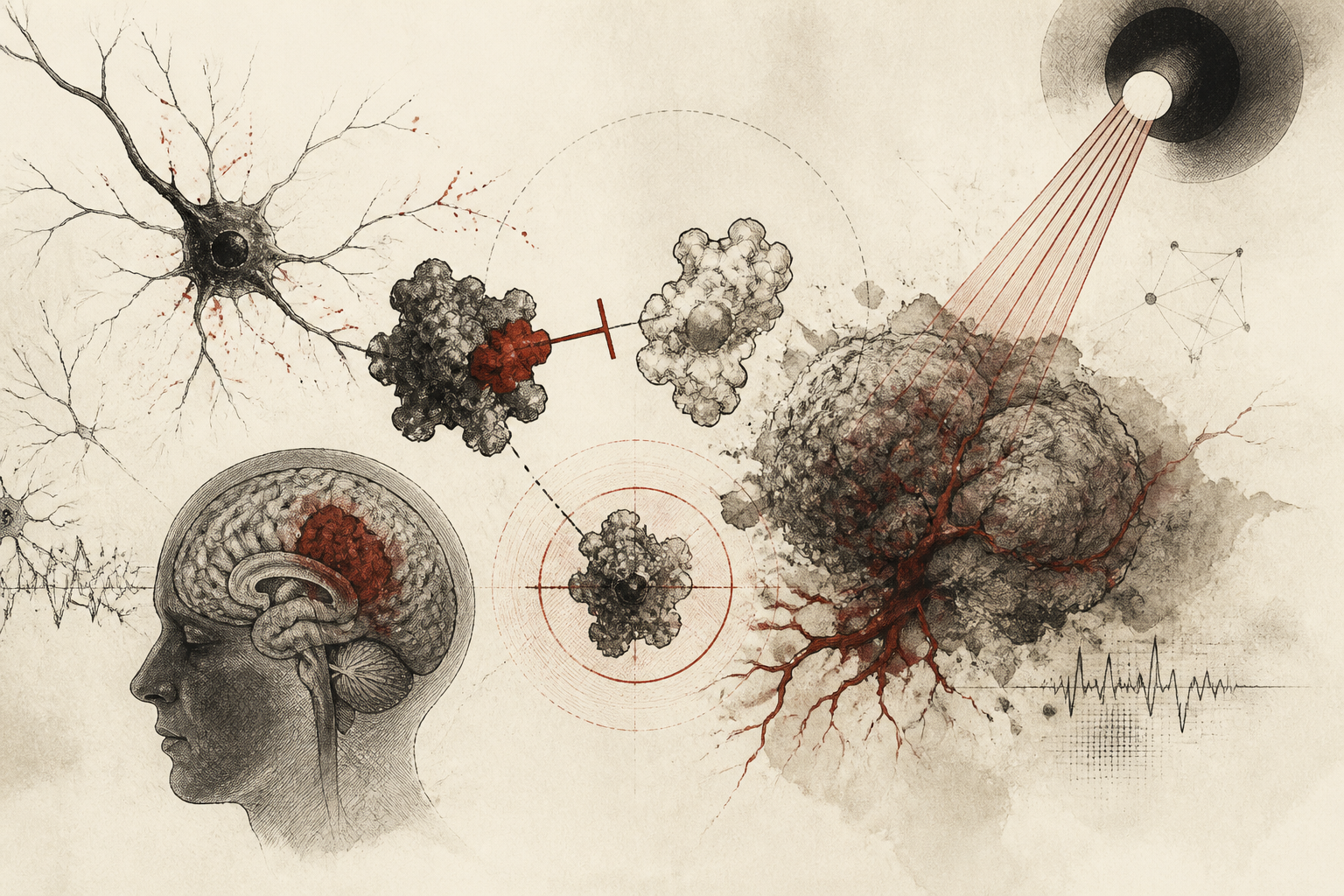
For decades, the field of oncology has identified glioblastoma as one of the most formidable challenges in clinical neurology. Characterized by its aggressive growth patterns and an inherent resistance to standard therapeutic interventions, this form of brain cancer frequently circumvents the efficacy of radiation and chemotherapy. However, recent findings published via ScienceDaily indicate a significant breakthrough in understanding the molecular defenses of these malignant cells. Investigators have pinpointed a specific vulnerability involving the protein SET, the inhibition of which appears to dismantle the biological shields that glioblastoma utilizes to survive and proliferate within the central nervous system. By focusing on the restoration of natural tumor-suppressing mechanisms, this research offers a potential paradigm shift in how clinicians might approach the treatment of high-grade gliomas.
The Molecular Mechanisms of Evasion
The fundamental difficulty in treating glioblastoma lies in the tumor's ability to deactivate the body’s intrinsic anti-cancer pathways. Central to this new area of study is an enzyme known as PP2A. In a healthy biological state, PP2A acts as a critical regulator of cell growth, functioning as a tumor suppressor that prevents the uncontrolled division of cells. However, glioblastoma cells have evolved a sophisticated method to silence this enzyme, thereby removing the biological brakes on tumor progression. The mechanism of this silencing is driven by the overexpression of a protein called SET. By binding to and inhibiting PP2A, the SET protein essentially grants the cancer cells immunity from the regulatory signals that would otherwise trigger cell death or arrest growth. This suppression creates a permissive environment for rapid tumor expansion and contributes to the notorious resilience of glioblastoma against external stressors like medical radiation.
Restoring the Biological Brakes
According to the report from ScienceDaily, researchers utilized preclinical models to test the impact of blocking the SET protein. The results were significant: when the activity of SET was inhibited, the previously suppressed PP2A enzyme was able to resume its function. This restoration led to a dramatic shift in the behavior of the cancer cells. In the absence of functional SET proteins, the tumors were unable to form effectively in these models. Furthermore, the researchers investigated the synergy between SET inhibition and existing treatment modalities. They discovered that by targeting proteins related to the SET-PP2A pathway, they could make the glioblastoma cells significantly more vulnerable to radiation. This suggests that the resistance typically seen in clinical settings is not an immutable characteristic of the cancer, but rather a result of specific protein interactions that can be pharmacologically disrupted. By re-enabling the PP2A enzyme, the strategy effectively forces the cancer cells to face the full impact of therapeutic radiation, which they could previously ignore.
Experimental Findings and Investigative Methods
The methodology employed in this study involved a combination of genomic analysis and preclinical trials to map the relationship between SET and tumor viability. The investigators focused on identifying how the SET protein interacts with the broader cellular environment to facilitate oncogenesis. Through the use of targeted inhibitors, the team was able to demonstrate that the removal of SET did not merely slow tumor growth but fundamentally altered the ability of the cells to organize into a life-threatening mass. The research highlights a specific chemical pathway where the inhibition of SET allows PP2A to dephosphorylate key targets that drive cancer progression. This biochemical intervention represents a sophisticated approach to molecular oncology, moving away from broad-spectrum toxins and toward precision medicine that restores the body’s internal regulatory equilibrium. The data suggests that this strategy could serve as a dual-action therapy: preventing primary tumor development while simultaneously sensitizing remaining cells to conventional treatments.
Limitations and the Path to Clinical Application
While the results from the preclinical models are highly encouraging, the transition from laboratory findings to bedside application involves several significant hurdles. The most prominent limitation at this stage is the lack of human clinical data. As noted in the original ScienceDaily report, human testing is essential to determine both the safety and the long-term efficacy of SET inhibition. The brain is a notoriously difficult environment for drug delivery due to the blood-brain barrier, and ensuring that inhibitors reach the tumor site in therapeutic concentrations without causing neurotoxicity is a major challenge for future research. Additionally, the complexity of the human immune response and the potential for the cancer to develop compensatory mutations in other pathways remain open questions. Researchers must now focus on developing pharmaceutical compounds that can safely and effectively target the SET protein in humans before this can be considered a viable standard of care.
Implications for Future Oncology
The significance of this discovery extends beyond the potential for a new drug. It validates a broader theory in oncology: that the most effective way to treat aggressive cancers may be to reactivate the host's dormant tumor-suppressive systems rather than relying solely on external destruction. If SET inhibition proves successful in human trials, it could revolutionize the prognosis for patients who currently face limited options. This approach provides a blueprint for tackling other forms of treatment-resistant cancers that utilize similar protein-silencing mechanisms. As the scientific community continues to unravel the intricate web of protein interactions that allow glioblastoma to thrive, each new vulnerability discovered brings us closer to turning a terminal diagnosis into a manageable or curable condition. The focus now shifts to the rigorous clinical validation required to bring this biological intervention to the patients who need it most.
Quick answers
- What is the role of the SET protein in brain cancer?
- The SET protein acts as an inhibitor of PP2A, an enzyme that naturally suppresses tumors. In glioblastoma, high levels of SET prevent PP2A from functioning, allowing the cancer to grow unchecked and resist treatment.
- How does restoring the PP2A enzyme help treat glioblastoma?
- Restoring PP2A activity reinstates the 'biological brakes' on cell division and makes cancer cells more susceptible to death when exposed to radiation therapy.
- Is this new glioblastoma treatment available for patients now?
- No, the findings are currently based on preclinical models. Human clinical trials are required to confirm the safety and effectiveness of targeting the SET protein before it can be used in medical practice.
Rewritten by Zeit editorial AI. Based on original reporting at ScienceDaily — Mind & Brain.