Uncovering the Genetic Safeguards Against Neurotoxic Plaque Accumulation in Alzheimer’s
Researchers identify a critical genetic pathway in microglial cells that regulates the containment of beta-amyloid, offering new potential for therapeutic intervention.
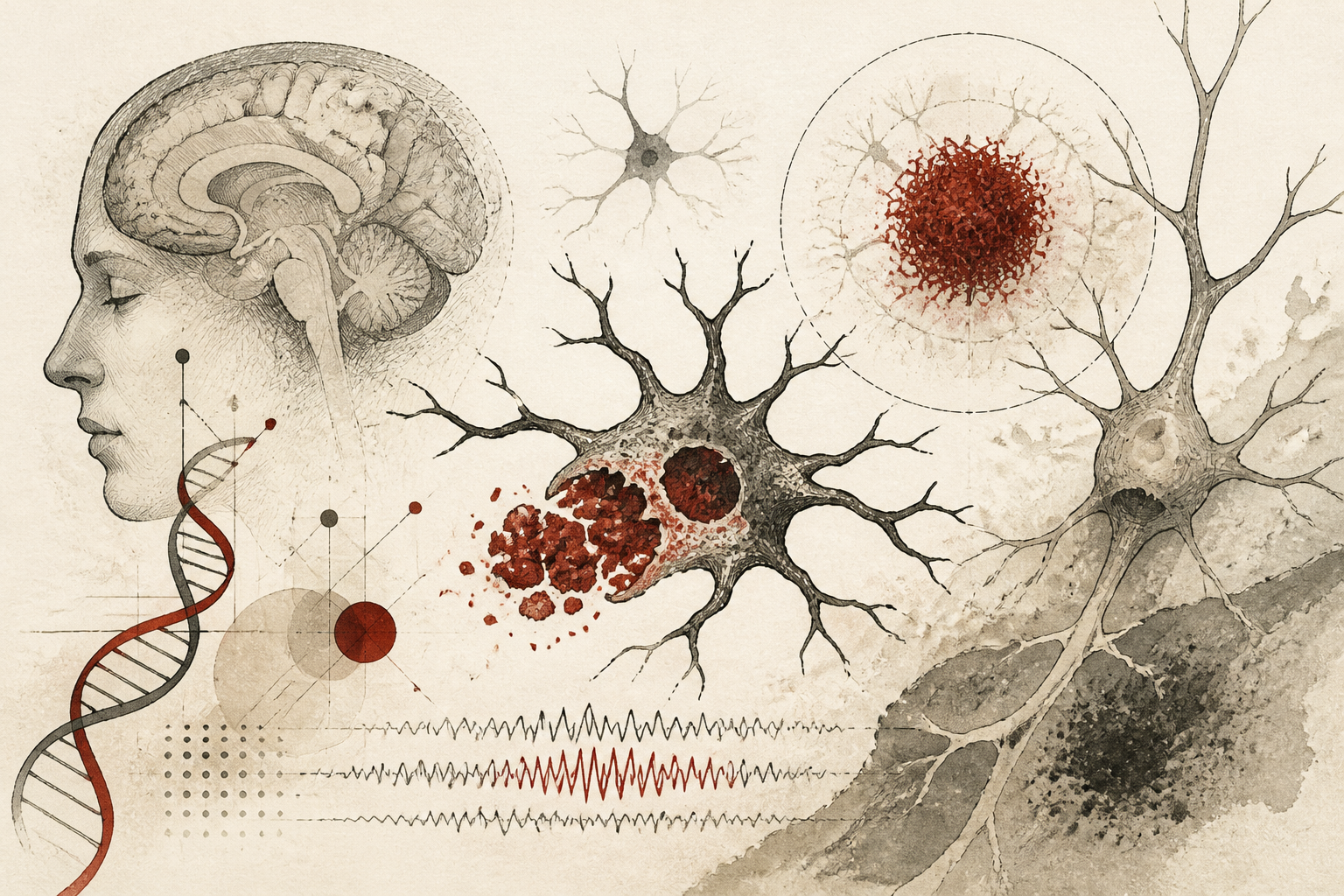
The pursuit of a definitive treatment for Alzheimer’s disease has long focused on the accumulation of beta-amyloid plaques, the protein clusters that disrupt neural communication and trigger the degenerative cascade of cognitive decline. However, a significant gap has remained in our understanding of why the brain's innate defense systems often fail to manage these toxic deposits as the disease progresses. A new study, recently detailed in ScienceDaily, has identified a specific genetic mechanism within the brain’s immune architecture that appears responsible for containing these plaques. By isolating a gene that governs how immune cells respond to early-stage amyloid buildup, scientists have revealed a critical vulnerability in the neural cleanup process, suggesting that the progression of Alzheimer’s may be as much about the failure of protective cells as it is about the presence of the proteins themselves.
The Role of Microglia in Neurodegeneration
Central to this breakthrough are microglia, the specialized immune cells of the central nervous system. In a healthy brain, microglia act as active sentinels, migrating toward sites of injury or infection to engulf debris and maintain synaptic health. In the context of Alzheimer’s disease, microglia are tasked with identifying and sequestering beta-amyloid plaques to prevent them from spreading and causing widespread inflammation. For years, the scientific community has observed that while microglia initially swarm toward these plaques, their efficacy often wanes, leading to a state of chronic neuroinflammation that exacerbates rather than resolves the pathology. The research reported by ScienceDaily highlights that this failure is not merely a byproduct of cellular exhaustion but is instead driven by a specific genetic breakdown. When the identified gene functions correctly, it acts as a molecular instruction set, enabling microglia to effectively encircle and isolate toxic proteins. Without this genetic guidance, the cleanup system falters, allowing the plaques to exert their neurotoxic effects more aggressively on surrounding neurons.
Experimental Evidence and Pathological Acceleration
The evidence for this genetic mechanism was derived from rigorous longitudinal studies involving murine models engineered to exhibit symptoms characteristic of human Alzheimer’s disease. During these experiments, researchers manipulated the expression of the newly identified gene to observe the direct consequences of its malfunction. The findings were stark. In mice where the gene was inactivated or expressed at sub-optimal levels, there was a measurable and rapid acceleration of amyloid-beta deposition. More importantly, the physical structure of the plaques changed; without the containment provided by healthy microglial activity, the plaques became more diffuse and harmful to the neural environment. This accelerated pathological state translated directly into cognitive outcomes, as the mice demonstrated a significant decline in spatial memory and learning capabilities compared to control groups with functional genetic pathways. This correlation between genetic stability and cognitive preservation provides a new benchmark for understanding the transition from early-stage protein accumulation to full-scale clinical dementia.
The Mechanism of Plaque Containment
At the molecular level, the study elucidates how this gene influences the mobility and phagocytic appetite of microglial cells. In the presence of functional genetic signaling, microglia undergo a phenotypic shift, transitioning into a protective state that creates a physical barrier around the plaques. This barrier serves two purposes: it prevents the recruitment of additional amyloid proteins into the existing cluster and shields the nearby synapses from the toxic inflammatory markers emitted by the plaque core. The methodology employed in this study suggests that the gene serves as a master regulator of these protective responses. When the gene malfunctions, the microglia lose their ability to form this barrier. Instead of containing the threat, the immune cells may become paradoxically detrimental, triggering inflammatory pathways that further degrade the blood-brain barrier and permit the systemic spread of neurotoxicity. By defining this specific interaction, the researchers have effectively pinpointed a bottleneck in the brain’s natural defense strategy, providing a target for future pharmacological modulation.
Interpretations, Limitations, and Academic Inquiries
The interpretation of these findings suggests that Alzheimer’s research should move toward therapies that bolster the brain’s existing immune functions rather than simply attempting to clear proteins after the damage has become irreversible. If the function of this gene can be restored or chemically mimicked, it might be possible to slow the progression of the disease even in patients who already show signs of amyloid accumulation. However, academic rigor requires acknowledging the limitations inherent in this study. While the murine models provide an essential blueprint for genetic interaction, the human brain’s immune system is significantly more complex, involving different inflammatory markers and longer durations of disease progression. Furthermore, the study raises open questions regarding the causes of the genetic malfunction itself. Is the gene’s failure a result of environmental stressors, aging, or other comorbid genetic factors? Determining whether this gene is a primary driver of the disease or a secondary casualty of other neurochemical changes remains a vital area for subsequent investigation.
Implications for Clinical Development
The significance of this discovery lies in its potential to transform the therapeutic landscape for neurodegenerative disorders. Currently, many Alzheimer’s treatments focus on monoclonal antibodies designed to strip amyloid from the brain. While some have shown promise, their success has been limited by side effects and varying degrees of efficacy. The identification of a genetic "containment" switch offers an alternative approach: instead of external clearance, the medical community could focus on internal stabilization. Strengthening the brain’s own ability to wall off toxins could theoretically prevent the cognitive decline associated with the disease, even if the plaques are not entirely removed. As reported by ScienceDaily, the hope is that by targeting this genetic pathway, future therapies could offer a more nuanced and effective way to manage the disease, potentially turning a progressive terminal condition into a manageable chronic state through the precision of neuro-immunology.
Quick answers
- What is the primary role of the newly discovered gene in the brain?
- The gene helps microglial cells, the brain's immune system, to effectively surround and isolate toxic beta-amyloid plaques, preventing their spread.
- How did researchers confirm the gene's influence on Alzheimer’s symptoms?
- Researchers used mice models; when the gene was inactivated, the mice showed accelerated plaque buildup and a significant decline in cognitive abilities.
- What does this mean for future Alzheimer’s treatments?
- It suggests a shift toward therapies that restore or enhance the brain's natural ability to contain toxins, rather than just clearing plaques externally.
Editorial Team