The Risks of Looksmaxxing: Quantifying Body Dysmorphia in Digital Male Aesthetics
Recent findings published in the Journal of Adolescent Health suggest the viral 'looksmaxxing' trend may lead to severe physical and psychological pathologies in adolescent males.
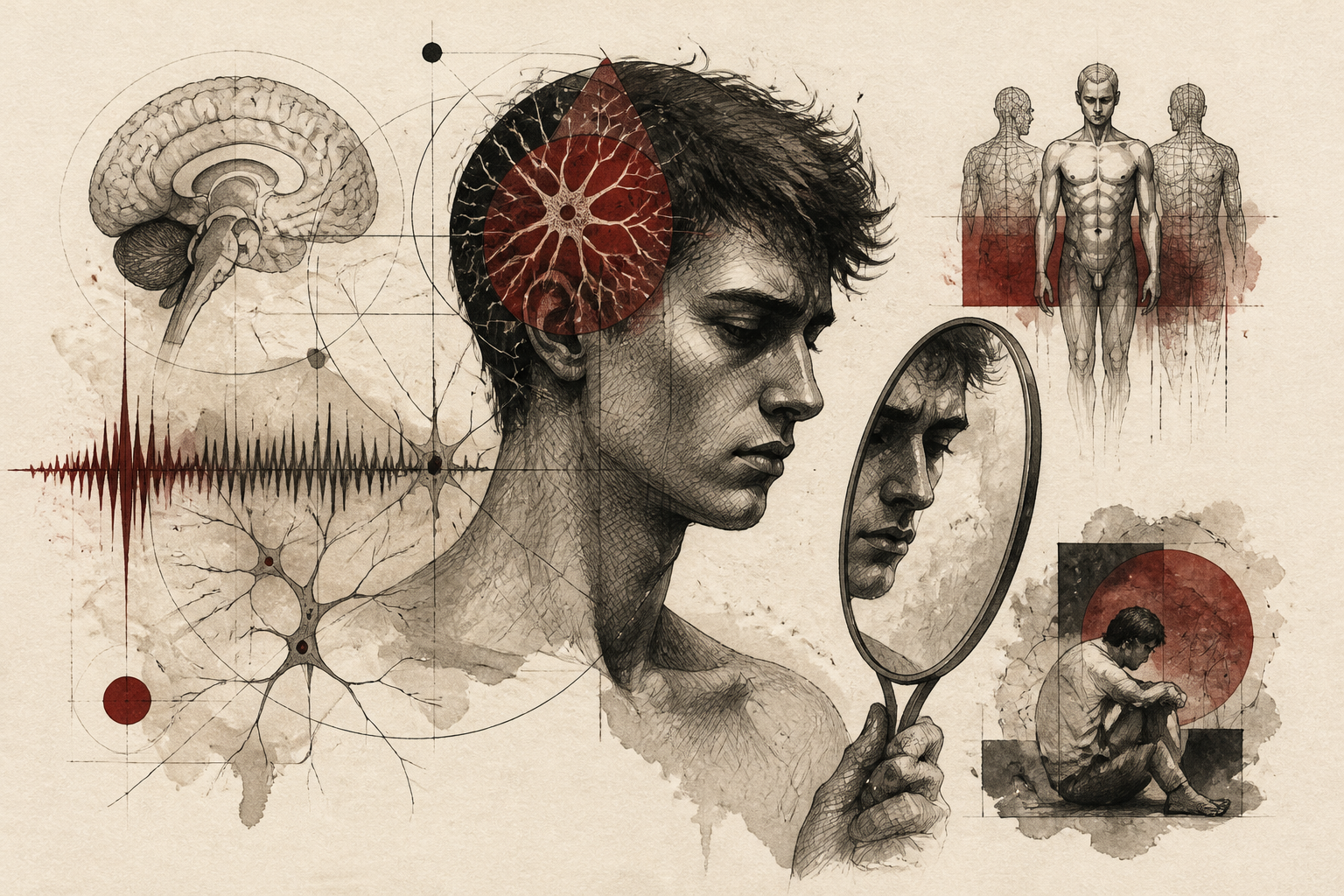
The contemporary landscape of digital self-presentation has shifted significantly, moving beyond the curated imagery of lifestyle influencers toward a more structured and often punitive aesthetic framework known as looksmaxxing. While online communities focused on physical enhancement have existed for decades, this specific subculture has gained unprecedented momentum on social media platforms, drawing a younger demographic into rigorous regimens of physical optimization. However, a recent critical commentary published in the Journal of Adolescent Health warns that this trend is not merely a benign pursuit of self-improvement. Instead, researchers argue that it serves as a gateway to severe mental health pathologies, including body dysmorphic disorder, and encourages physically hazardous behaviors ranging from extreme caloric restriction to the self-inflicted trauma of bone-smashing. By framing aesthetic value as a quantifiable and mandatory metric, the looksmaxxing movement creates a psychological environment where biological reality is often viewed as a failure of willpower, leading to a dangerous intersection of aesthetic obsession and clinical distress.
The Evolution of Aesthetic Extremism
To understand the current prevalence of looksmaxxing, one must examine its origin within niche internet subcultures that prioritize a hyper-masculine ideal. According to the report in the Journal of Adolescent Health, the movement is characterized by a hierarchy of interventions categorized as softmaxxing and hardmaxxing. The former generally includes socially acceptable practices such as skincare, fitness, and fashion. The latter, however, involves high-risk behaviors including the use of unregulated anabolic steroids, elective cosmetic surgeries, and dangerous DIY practices intended to permanently alter the skeletal structure of the face. The rapid dissemination of these concepts via algorithmic social media feeds has democratized access to these extreme ideologies, ensuring that adolescent boys, who may be developmentally vulnerable to peer validation and body dissatisfaction, are frequently exposed to content that equates their worth with a specific set of facial ratios and muscular dimensions. This environment does not merely suggest improvement; it demands a total optimization that is often biologically unattainable for the average individual.
Clinical Implications and Behavioral Risks
Central to the concerns raised by researchers is the documented correlation between looksmaxxing and the development of body dysmorphic disorder (BDD). The Journal of Adolescent Health highlights that the trend fosters a hyper-fixation on perceived flaws that are often unnoticeable to others. One of the most alarming manifestations discussed in the original commentary is 'bone-smashing,' a practice where individuals use heavy objects to strike their facial bones, specifically the jawline or brow ridge, under the pseudoscientific belief that the bones will heal in a thicker, more prominent shape. There is no clinical evidence to support the efficacy of this practice; rather, it leads to soft tissue damage, permanent nerve injury, and fractures that require surgical correction. Beyond physical trauma, the pressure to achieve a 'chiseled' appearance has driven many young men toward extreme starvation diets or the consumption of performance-enhancing drugs without medical supervision. The unregulated nature of these substances poses long-term risks to cardiovascular health, hormonal balance, and kidney function, creating a public health crisis that is often hidden behind the veil of fitness and self-care.
The Psychological Mechanism of Quantified Beauty
The psychological mechanism that sustains the looksmaxxing trend is rooted in the quantification of human features. Participants often use software or community-driven 'ratings' to assign numerical values to their eyes, midface length, and jaw angle. As noted by the analysis in Neuroscience News, this reduction of the human face into a series of geometric problems removes the holistic sense of self and replaces it with a fragmented view of the body as a machine that must be tuned. This fragmented perception is a hallmark of dysmorphia. When young men are taught to see their faces as a collection of failures, the psychological barrier to engaging in self-harming behaviors, such as bone-smashing or extreme caloric deficits, is significantly lowered. The digital communities providing these ratings often employ an aggressive and derogatory vocabulary to describe those who do not meet the aesthetic standard, further reinforcing a cycle of shame and compensatory behavior that can lead to clinical depression and social withdrawal.
Limitations in Current Clinical Recognition
While the trend is gaining visibility, one of the primary limitations identified by researchers is the lack of clinical awareness among healthcare providers regarding this specific subculture. The vocabulary of looksmaxxing—terms like 'mewing,' 'hunter eyes,' and 'canthal tilt'—is often unknown to pediatricians and mental health professionals, making it difficult to identify the underlying cause of an adolescent's distress. Furthermore, the gendered nature of body dysmorphia has historically focused on young women, meaning that the symptoms of muscle dysmorphia or facial obsession in young men may be overlooked or misinterpreted as typical interest in fitness. The Journal of Adolescent Health emphasizes that without a nuanced understanding of these digital subcultures, clinicians may miss the warning signs of self-harm or steroid abuse until significant damage has occurred. There is also a critical need for longitudinal data to determine how these early-onset aesthetic obsessions impact long-term mental health outcomes and whether they serve as precursors to more severe eating disorders or personality pathologies.
Why Aesthetic Optimization Requires Intervention
The significance of this trend extends beyond individual health, pointing to a broader societal shift in how masculinity and value are constructed in the digital age. As the Journal of Adolescent Health commentary suggests, the intersection of algorithmic amplification and aesthetic insecurity has created a potent environment for the radicalization of self-image. It is no longer enough for young men to be healthy; they are pressured to meet an idealized, often digitally manipulated, standard of perfection. Addressing this issue requires a multi-faceted approach involving digital literacy education, increased clinical screening for male body dysmorphia, and greater accountability for platforms that host content promoting self-harming practices like bone-smashing. By recognizing looksmaxxing as a serious psychological phenomenon rather than a mere internet fad, researchers and educators can begin to develop interventions that promote a more realistic and compassionate understanding of the human body, ultimately protecting a generation of young men from the physical and mental scars of extreme optimization.
Quick answers
- What is looksmaxxing and why is it dangerous?
- Looksmaxxing is a trend where individuals, mostly young men, attempt to maximize their physical attractiveness through extreme methods. It is dangerous because it encourages 'hardmaxxing' behaviors like bone-smashing, steroid use, and extreme dieting, which can lead to permanent physical injury and body dysmorphic disorder.
- What does the Journal of Adolescent Health say about bone-smashing?
- A commentary in the journal warns that 'bone-smashing'—striking facial bones to change their shape—is a form of self-harm with no scientific basis, leading to fractures, nerve damage, and the need for surgery.
- How can clinicians identify looksmaxxing-related distress?
- Clinicians are encouraged to learn the specific subculture vocabulary (e.g., 'canthal tilt', 'mewing') and screen young men for hyper-fixations on facial ratios and muscularity, which may signal underlying body dysmorphia.
Rewritten by Zeit editorial AI. Based on original reporting at NeuroscienceNews.com.