The Cognitive Safeguards of Nostalgia: How the Brain Mediates Moral Scandals
Recent research reveals a neural process termed 'moral surgery' that allows individuals to preserve positive artistic memories while simultaneously devaluing a creator's moral standing.
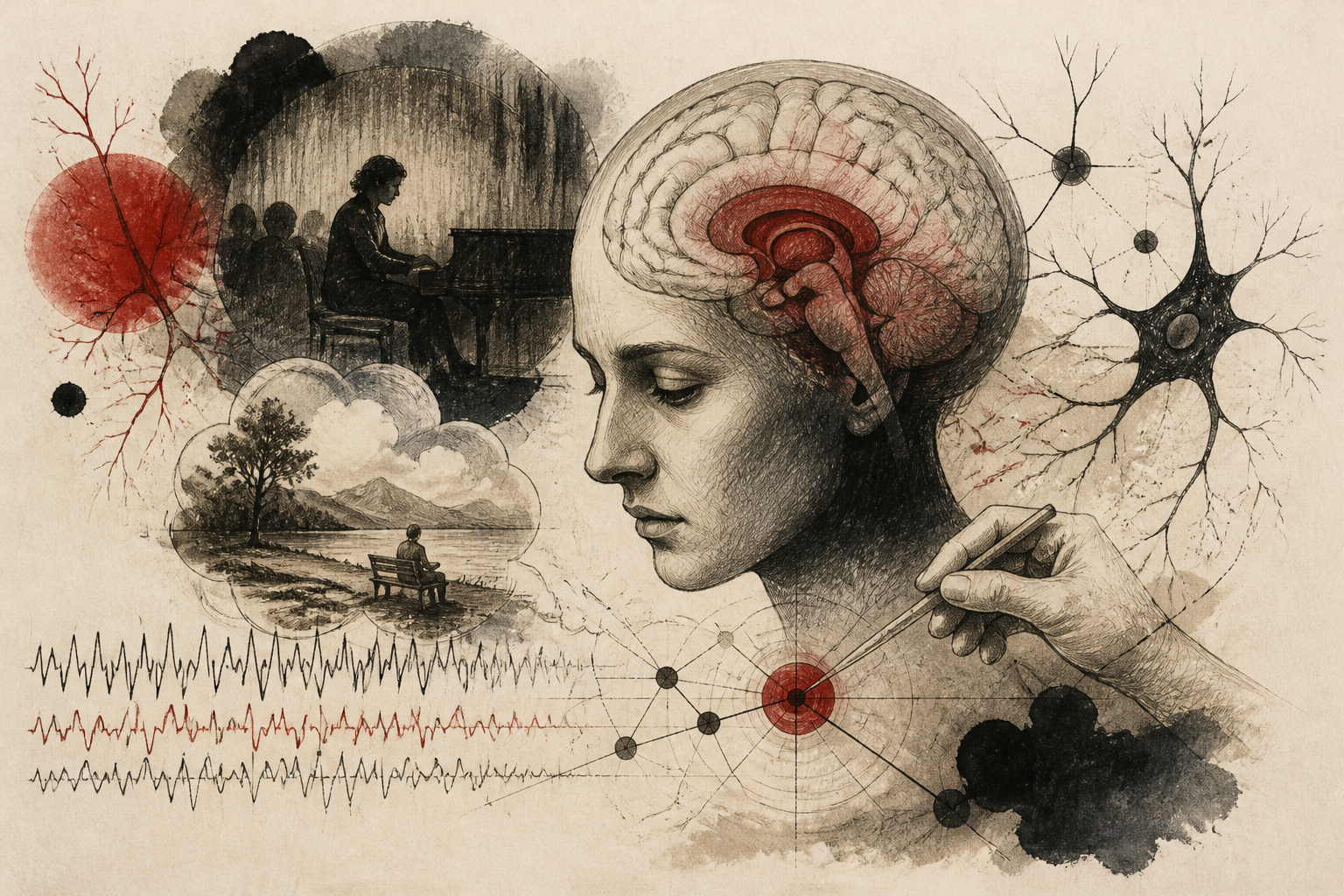
In the contemporary cultural landscape, the phenomenon of the public figure falling from grace has become a recurring motif. When a beloved artist, musician, or creator is implicated in moral or legal transgressions, the audience is often plunged into a state of acute cognitive dissonance. However, new research highlights a sophisticated psychological and neurological mechanism that allows the human brain to navigate this tension. According to a study recently highlighted by NeuroscienceNews.com, the human mind engages in a form of selective memory preservation, effectively separating the creative output from the character of the creator to protect the individual's own nostalgic history. This process suggests that our brains are naturally wired to perform a type of internal mediation, ensuring that a personal connection to a piece of art can survive the social collapse of its author.
The Mechanism of Moral Surgery
The central finding of the research revolves around a concept described as moral surgery. This metaphorical procedure involves the brain’s ability to excise the negative traits or actions of a person from the aesthetic and emotional value of the work they produced. When a subject is presented with evidence of a creator's wrongdoing, the brain does not simply discard all associations with that individual. Instead, it performs a complex re-evaluation where the moral standing of the person is downgraded while the nostalgic value of the art remains relatively untouched. This separation serves as a protective layer for the consumer’s own identity, as many people link their formative years and significant emotional milestones to specific artistic works. To reject the art entirely would be to reject a part of one's own history, a cost the brain seems unwilling to pay.
The research indicates that this is not a conscious choice made by the individual to ignore wrongdoing, but rather an automated cognitive response. Cognitive dissonance theory posits that humans have a fundamental drive to maintain internal consistency. When we learn that a person we admire has done something reprehensible, it creates a conflict between our positive memory of the art and our negative judgment of the artist. The brain resolves this by compartmentalizing the two. By treating the art as an independent entity, the mind can continue to derive pleasure or meaning from it without endorsing the behavior of the creator. This allows the individual to maintain their moral standards regarding the person's actions while retaining the emotional benefits associated with the creative work.
Neurological Patterns and Behavioral Outcomes
Methodologically, the researchers looked at how subjects responded to shifts in the reputation of figures associated with their past. The study utilized behavioral assessments to gauge how information regarding scandals influenced the subjects' willingness to engage with the work of these artists. The findings suggested that while the perception of the artist’s personality and ethics plummeted, the reported intensity of nostalgia associated with their work remained remarkably stable. This suggests that nostalgia acts as a psychological buffer, resistant to the corrosive effects of new, negative information. The neural pathways involved in episodic memory—those that store personal experiences and the emotions attached to them—appear to be distinct from the pathways used for social judgment and moral evaluation.
This distinction is critical for understanding why some fans remain loyal to a brand or an artist despite overwhelming evidence of misconduct. The brain prioritizes the preservation of the self-narrative. If a specific song was played at a wedding or a specific book was read during a difficult period of one's life, that object becomes an anchor for the self. The study shows that the brain classifies these anchors as personal property rather than extensions of the creator's current moral status. Consequently, the 'moral surgery' identified by the researchers acts as a cognitive survival tool, preventing the retroactive poisoning of one's own life experiences by the actions of a third party.
Limitations and Theoretical Implications
While these findings offer a profound look into the resilience of memory, there are inherent limitations and open questions that warrant further academic scrutiny. One primary consideration is the threshold of the transgression. The study explores how the brain handles scandals, but it remains unclear if there is a point at which a moral violation becomes so severe that the cognitive buffer of nostalgia fails. Furthermore, the degree of separation may be influenced by the medium of the art. It is possible that art forms which are more intimately tied to the creator’s persona, such as acting or live performance, might be harder for the brain to decouple than more abstract forms like instrumental music or literature. The research currently focuses on the cognitive capacity for this separation rather than the varying degrees of success across different demographics or personality types.
Another open question involves the long-term sustainability of this compartmentalization. While the brain can perform moral surgery in the short term to resolve immediate dissonance, it is unknown whether repeated exposure to the creator’s scandals eventually erodes the nostalgic value of the work over time. Societal pressure also plays a significant role; the brain does not operate in a vacuum, and the social cost of publicly supporting a disgraced figure may eventually override the internal desire to preserve the nostalgic connection. These factors suggest that while the brain has an automatic mechanism for protection, environmental and social variables continue to exert pressure on how we process the legacy of controversial figures.
The Broader Impact on Psychological Theory
Understanding the process of moral surgery has significant implications for both social psychology and the study of consumer behavior. It explains the persistent disconnect between public outcry and the continued commercial viability of certain 'canceled' figures. From a clinical perspective, it provides insight into how individuals manage conflicting information about people they are close to, not just public figures. The ability to separate an action from an emotional history is a fundamental component of human relationships and conflict resolution. By identifying the specific cognitive architecture that allows for this separation, researchers can better understand how humans maintain stable identities in a rapidly changing social world.
In conclusion, the study highlighted by NeuroscienceNews.com underscores the complexity of the human memory system. Rather than being a simple recorder of facts, the brain acts as an active editor of our personal histories. By performing moral surgery, it ensures that our past remains a source of comfort and identity, even when the people who helped shape that past fail to live up to our moral expectations. This research reinforces the idea that nostalgia is not merely a sentimental longing for the past, but a robust psychological structure that protects the integrity of the self against the unpredictable nature of external reality.
Quick answers
- What is the concept of moral surgery in psychology?
- Moral surgery is a cognitive process where the brain separates the positive emotional value of a creative work from the negative moral judgment of its creator to reduce cognitive dissonance.
- How does the brain handle nostalgia when a celebrity is involved in a scandal?
- The brain tends to protect nostalgic memories by compartmentalizing them, allowing an individual to retain their personal connection to a work of art while simultaneously downgrading their opinion of the artist.
- Why is it difficult to stop liking art after an artist's reputation is ruined?
- Because art is often tied to an individual's personal identity and history, the brain treats the nostalgic memory as an anchor of the self, which it prioritizes over new negative information about the artist.
Rewritten by Zeit editorial AI. Based on original reporting at NeuroscienceNews.com.