Synaptic Signaling Repurposed to Eradicate Diffuse Midline Glioma in Preclinical Models
University of California, San Francisco researchers utilize B-SYNC CAR-T cells to selectively target childhood brain tumors, achieving total remission in every mouse tested.
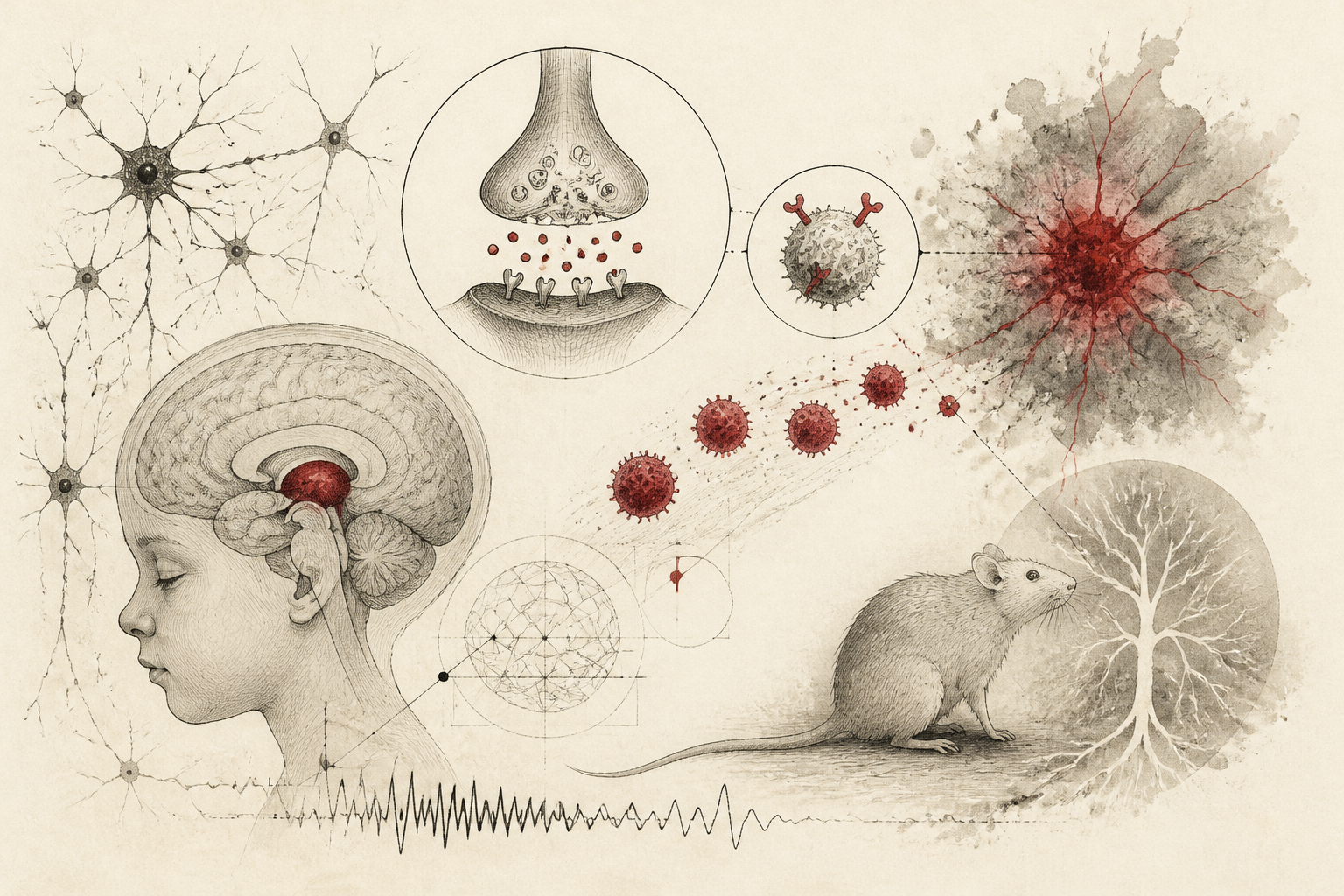
The pursuit of effective interventions for high-grade pediatric brain tumors has long been hampered by the intricate biological barriers protecting the central nervous system and the inherent risks of off-target toxicity. Diffuse midline glioma, or DMG, represents one of the most formidable challenges in pediatric oncology, characterized by its aggressive infiltration of the brainstem and a prognosis that typically spans less than one calendar year from diagnosis. Conventional therapies, including radiotherapy and systemic chemotherapy, often fail to penetrate the blood-brain barrier or distinguish malignant cells from the vital neural architecture. However, in a significant advancement reported in current research, scientists at the University of California, San Francisco (UCSF) have engineered a specialized class of immune cells that remain dormant until they interface with the unique environment of the brain. This methodology, centered on the B-SYNC CAR-T cell platform, has demonstrated an unprecedented ability to completely eliminate DMG in every animal subject tested, offering a prospective paradigm shift in how neuro-oncologists approach the most recalcitrant forms of childhood cancer.
The Biological Impasse of Pediatric Neuro-Oncology
To understand the significance of the UCSF study, one must first consider the physiological constraints that render DMG nearly untreatable. Unlike localized tumors that can be surgically resected, DMGs are diffuse and often weave through the pons and other midline structures, making surgical intervention impossible. Furthermore, the blood-brain barrier serves as an evolutionary filter, preventing many therapeutic agents from reaching the tumor at concentrations sufficient to be effective. While Chimeric Antigen Receptor (CAR) T-cell therapy has revolutionized the treatment of liquid malignancies such as leukemia, its application in the solid tumors of the brain has been limited by "on-target, off-tumor" toxicity. Because the antigens targeted by CAR-T cells are often expressed, even at low levels, in peripheral organs like the lungs or the heart, the infusion of traditional CAR-T cells can lead to systemic inflammatory responses that are life-threatening to the patient. The challenge for the UCSF team was to create a sentinel cell that could circulate through the body without mounting an attack until it reached the specific localized environment of the brain tumor.
Synergistic Targeting and the B-SYNC Mechanism
The technological innovation driving this breakthrough is the B-SYNC CAR-T cell. Unlike first-generation immunotherapy, which relies on a single receptor to trigger an immune response, the B-SYNC system utilizes a dual-gating logic circuit. The researchers at UCSF recognized that DMG cells often express specific markers that are also found in vanishingly small amounts in other tissues. To prevent systemic toxicity, the B-SYNC cells are engineered to require two distinct signals to activate. The first signal is initiated by the detection of the brain's unique neurochemical environment or specific localized markers. Only after this initial signal is received do the cells "prime" themselves for combat. The second signal is the detection of the tumor-associated antigen itself. This “AND” gate logic ensures that the potent cell-killing machinery of the T-cell is only unleashed within the targeted region of the central nervous system. In the preclinical trials involving two different mouse models of human DMG, the results were unequivocal: the B-SYNC cells remained inactive while circulating through the body and only engaged upon entering the brain’s parenchyma. Once activated, they pursued the malignant cells with such efficiency that the tumors were completely eradicated in 100 percent of the experimental cohort.
From Biological Circuitry to Therapeutic Remission
The methodology employed by the UCSF investigators focused on the precise manipulation of synthetic biology to overcome the "brain-access" problem. By utilizing mouse models that closely mimic the genetic profile and growth pattern of human pediatric gliomas, the team was able to observe the B-SYNC cells in real-time. They found that the engineered cells could cross the blood-brain barrier in therapeutic quantities, a feat that has stymied researchers for decades. Once across, the cells responded to local cues—likely specific proteins or synaptic signaling environments—that served as the "on" switch. The data indicates that the cells did not merely slow the progression of the disease; they achieved what the researchers described as complete elimination. This total response rate in every mouse tested suggests that the B-SYNC architecture is remarkably robust. Furthermore, the researchers noted a lack of systemic inflammation or damage to peripheral organs, providing a proof-of-concept that high-potency immunotherapy can be safely localized to the central nervous system through sophisticated genetic engineering.
Constraints and the Path toward Human Translation
While the eradication of deadly tumors in animal models is a monumental milestone, the transition to human clinical application is fraught with complexities that must be addressed. One primary limitation is the fundamental difference between the murine immune system and that of a human child. The brain of a mouse is significantly smaller and less complex, and the metabolic rates of the two species differ in ways that can affect the longevity and exhaustion of T-cells. Additionally, while the B-SYNC cells were successful in these specific models, human DMGs are notoriously heterogeneous, meaning that tumor cells within a single patient may express different markers. There is also the concern of the “cytokine storm” within the brain; even if a therapy is localized, the rapid destruction of a tumor in the brainstem can lead to localized swelling (edema), which in itself can be fatal in the confined space of the skull. Future research will need to establish dosage protocols and monitor for potential delayed neurotoxicity or the possibility of tumor escape, where a small subset of cells lacking the target antigen survives to cause a relapse.
Redefining the Future of Neuro-Immunotherapy
The implications of the UCSF study extend far beyond the treatment of diffuse midline glioma. If the B-SYNC platform proves effective in human subjects, the same logic-gated approach could theoretically be adapted for other aggressive brain cancers, such as glioblastoma multiforme in adults, or even metastatic cancers that have spread to the brain from the lungs or breast. The ability to “program” immune cells to recognize geographical locations within the body, rather than just molecular signatures, represents a new frontier in precision medicine. At Zeit Psychology Online University, we observe that these advancements also necessitate a dialogue regarding the psychological impact on families and the ethical integration of high-risk, high-reward biotherapies. For now, the successful elimination of DMG in preclinical trials stands as a beacon of hope for a condition that has remained a death sentence for children for generations. By turning the brain’s unique biology from a barrier into a trigger for healing, scientists are rewriting the rules of what is possible in the fight against pediatric cancer.
Quick answers
- What is diffuse midline glioma (DMG)?
- DMG is an aggressive, usually fatal pediatric brain cancer that infiltrates the brainstem and is difficult to treat with surgery or traditional drugs.
- How do B-SYNC CAR-T cells work?
- They use a dual-gate logic circuit that keeps the immune cells inactive until they reach the specific environment of the brain and detect tumor markers.
- Were the UCSF brain tumor trials successful in animals?
- Yes, the study reported a 100% success rate in eliminating tumors across two different mouse models of human DMG.
Rewritten by Zeit editorial AI. Based on original reporting at ScienceDaily — Mind & Brain.