Semaglutide and Longevity: GLP-1 Agonists as Potential Modulators of the Aging Process
Recent research suggests that semaglutide may slow biological aging in mice, offering benefits for memory and muscle function that exceed traditional caloric restriction methods.
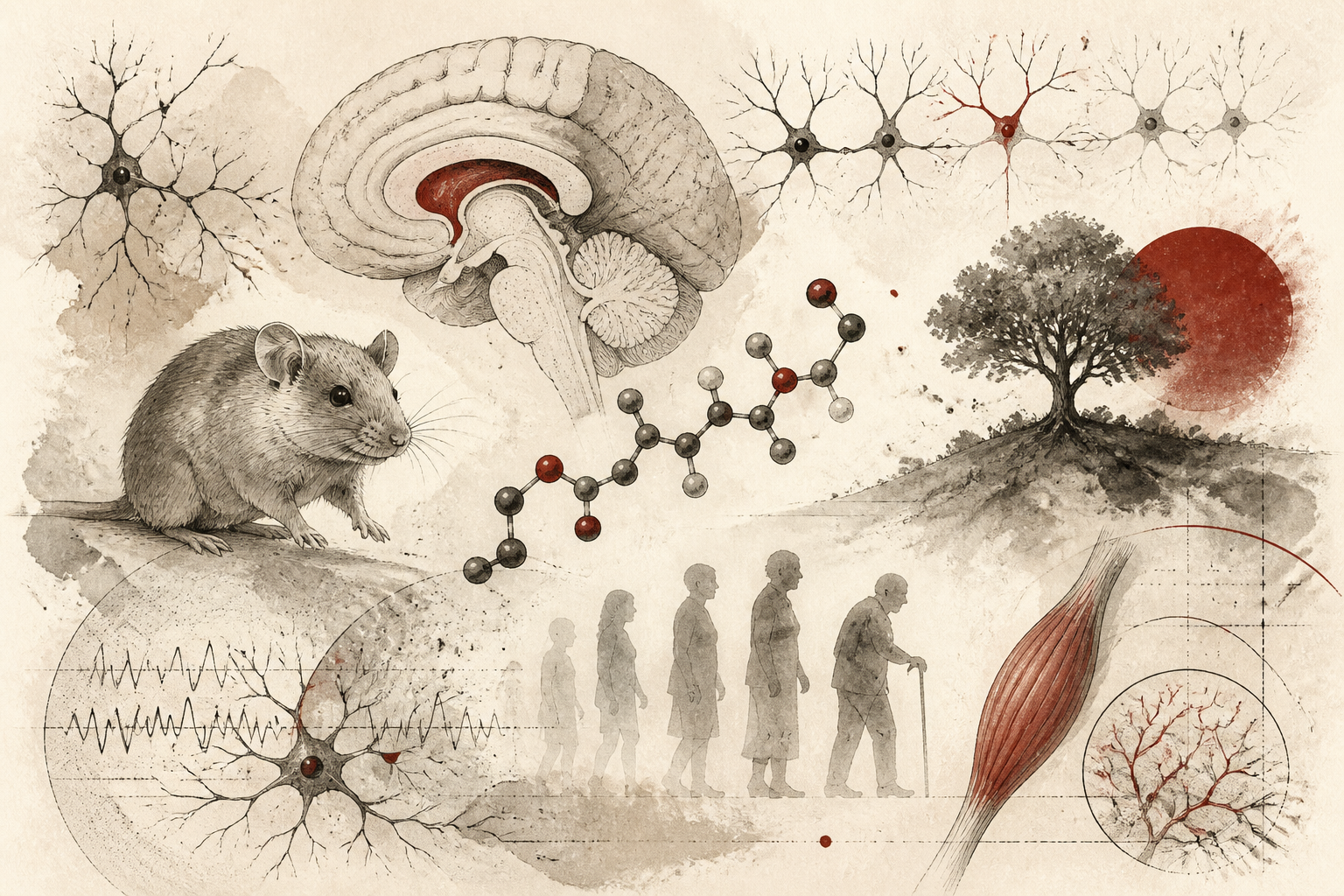
The pharmaceutical landscape has been fundamentally reshaped by the emergence of glucagon-like peptide-1 (GLP-1) receptor agonists, primarily known for their efficacy in managing type 2 diabetes and obesity. However, a compelling new study reported by ScienceDaily suggests that the implications of these drugs may extend far beyond metabolic control. Recent experimental findings indicate that semaglutide, the active compound in medications such as Ozempic, appears to exert a systemic influence on the biological markers of aging. In longitudinal observations of older healthy mice, researchers noted not only an extension of lifespan but also significant improvements in physiological and cognitive health, sparking a rigorous academic debate regarding the potential for these agents to serve as true geroprotectors.
Historically, the most robust intervention for extending lifespan across species has been caloric restriction. By reducing energy intake without malnutrition, various organisms show a deceleration in cellular senescence and age-related disease. Yet, the data emerging from recent trials involving semaglutide suggest that the drug may activate distinct biological pathways that complement or even surpass the benefits of simple caloric reduction. If these findings are validated through human clinical trials, the medical community may be on the threshold of a new era in preventative gerontology, where pharmacological interventions do more than treat age-related symptoms; they may actually alter the rate at which the body declines.
Physiological and Cognitive Enhancements in Aged Models
The study’s findings are particularly noteworthy for their breadth, covering multiple systems that typically undergo attrition during the aging process. The cohort of older, healthy mice treated with semaglutide demonstrated a marked improvement in muscle function and physical endurance compared to age-matched controls. This is of significant clinical interest, as sarcopenia—the age-related loss of muscle mass and strength—is a primary driver of frailty and loss of independence in elderly human populations. The preservation of muscular integrity suggests that GLP-1 agonists might help maintain physical autonomy longer into the twilight years.
Beyond physical performance, the research highlighted significant cognitive benefits. Memory retention and spatial learning, which usually decline as neural plasticity wanes with age, were notably enhanced in the treated subjects. This indicates a potential neuroprotective role for semaglutide, perhaps through the reduction of neuroinflammation or the stabilization of cerebral glucose metabolism. Furthermore, the subjects displayed superior blood sugar control, which was expected given the drug's primary mechanism, yet the systemic impact on other biological signs of aging suggested a holistic improvement in homeostatic regulation. These multi-systemic benefits provide a strong foundation for the hypothesis that GLP-1 receptors play a central role in modulating the aging phenotype.
Mechanisms Beyond Caloric Intake
A critical question arising from this research is whether the benefits of semaglutide are merely a byproduct of reduced appetite and subsequent weight loss—effectively mimicking caloric restriction—or if the drug interacts with the aging process via a unique molecular route. The evidence reported by ScienceDaily suggests the latter. While the treated mice did exhibit metabolic changes consistent with reduced intake, their improvements in longevity and functional health exceeded those observed in control groups subjected to standard caloric restriction protocols. This discrepancy points toward the existence of a separate biological pathway linked to longevity that GLP-1 drugs are uniquely positioned to tap into.
One hypothesized mechanism involves the drug’s influence on systemic inflammation, often referred to as 'inflammaging.' Chronic low-grade inflammation is a hallmark of the aging process and a contributor to various chronic diseases. By binding to GLP-1 receptors, semaglutide may suppress inflammatory cytokines and oxidative stress across various tissues, including the brain and heart. Additionally, the drug may influence mitochondrial efficiency or autophagy—the body’s cellular recycling program—more effectively than lifestyle interventions alone. The ability of semaglutide to improve metabolic flexibility at a cellular level suggests that it helps maintain a more 'youthful' state of energy production, which is vital for maintaining the high-energy demands of the brain and muscular system.
Limitations and the Transition to Human Contexts
Despite the enthusiasm surrounding these findings, significant academic caution is required when translating results from murine models to human applications. Mice are distinct from humans in their metabolic rates, lifespan, and environmental stressors, meaning that the longevity benefits observed in a controlled laboratory setting may not mirror human outcomes perfectly. The study focused on 'healthy' older mice, which leaves open the question of how the drug interacts with pre-existing age-related comorbidities such as chronic kidney disease or advanced cardiovascular issues in humans.
Furthermore, the long-term safety profile of GLP-1 agonists when used specifically for longevity in non-diabetic and non-obese populations remains uncharacterized. Potential side effects, such as gastrointestinal distress or changes in bone density, must be weighed against the hypothetical benefits of life extension. There is also the matter of 'biological cost'; while the drug improves certain markers of health, the long-term impact on the hormonal axis and metabolic feedback loops requires further longitudinal study. As of now, the research provides a proof-of-concept rather than a clinical recommendation, emphasizing the need for rigorous, double-blind human trials to determine the optimal dosage and duration for potential geroprotective effects.
The Future of Geroprotective Pharmacology
The implications of this research are profound for the field of public health and the economics of aging. If GLP-1 agonists are indeed capable of slowing biological aging, the focus of medicine could shift from the reactive treatment of chronic illnesses to the proactive maintenance of biological resilience. This study serves as a catalyst for a broader investigation into how metabolic signaling molecules interact with the fundamental hallmarks of aging. It challenges the traditional view that aging is an inevitable, unidirectional process of decay, suggesting instead that it is a plastic process subject to pharmacological modulation.
Moving forward, the scientific community must address several open questions. Does the timing of the intervention matter? Could starting semaglutide in middle age yield greater benefits than starting in late life? Additionally, the potential synergy between GLP-1 agonists and other longevity-linked compounds remains an untapped area of research. As researchers delve deeper into these pathways, the goal remains to not just add years to life, but to ensure those years are characterized by health, cognitive clarity, and physical vigor. The findings reported via ScienceDaily represent a significant milestone in this journey, positioning semaglutide as a primary candidate in the search for effective interventions against the multifaceted challenges of aging.
Quick answers
- How does semaglutide affect the aging process in mice?
- Semaglutide was found to extend lifespan, improve memory, and enhance muscle function in older healthy mice, performing better than caloric restriction alone.
- Is Ozempic a proven anti-aging drug for humans?
- No, while recent studies in mice show promising geroprotective effects, human clinical trials are necessary to confirm safety and efficacy for anti-aging purposes.
- What biological pathway does semaglutide use to slow aging?
- The drug appears to tap into a separate pathway from caloric restriction, likely involving systemic inflammation reduction and improved glucose metabolism via GLP-1 receptors.
Rewritten by Zeit editorial AI. Based on original reporting at ScienceDaily — Mind & Brain.