Protein SORLA Identified as Potential Defense Against Alzheimer's Disease
Researchers discover that high levels of the SORLA protein may mitigate neurodegeneration by reducing toxic tau accumulation and preserving neural connections.
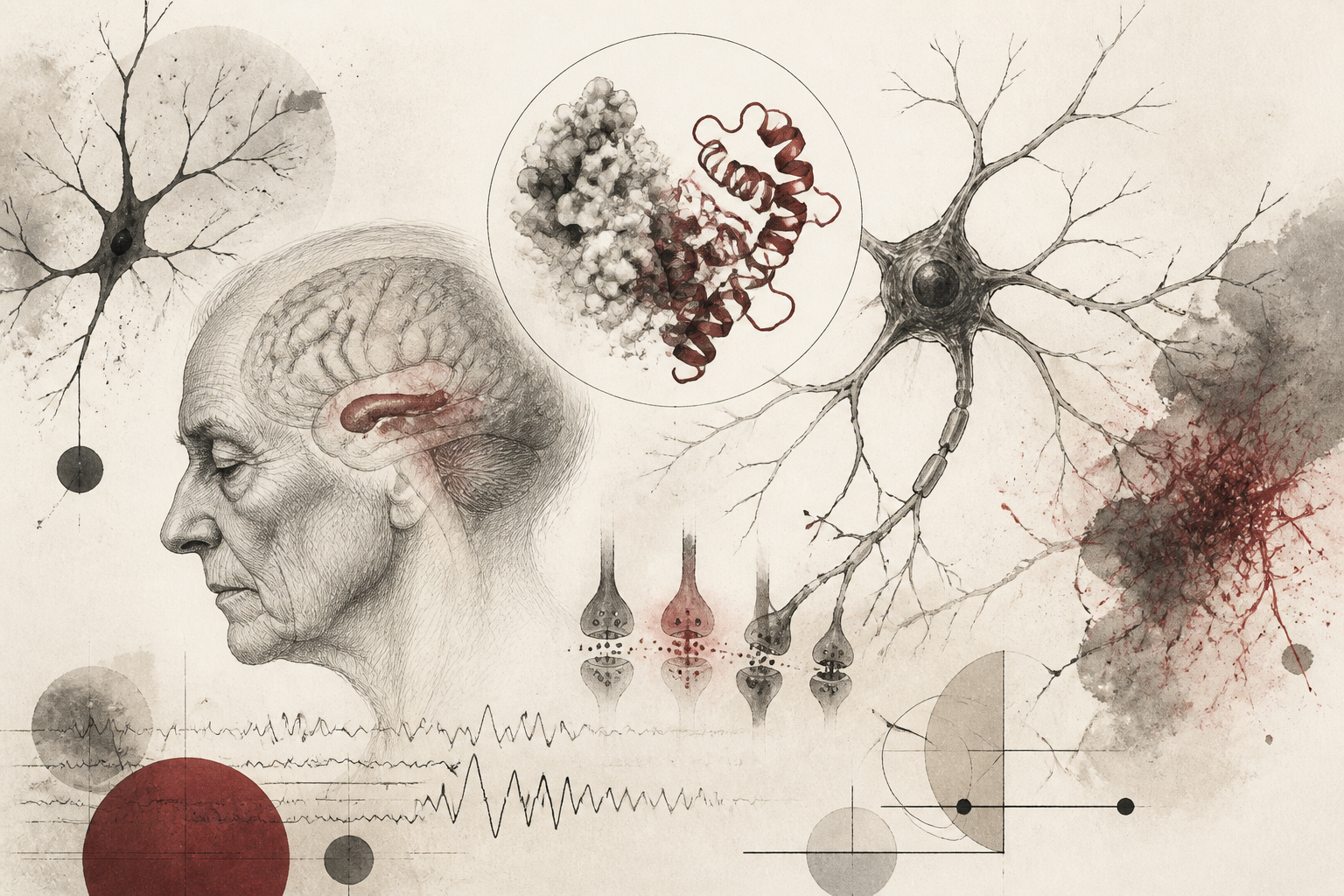
Researchers have identified a potential therapeutic target in the fight against Alzheimer’s disease: a protein known as SORLA. According to a recent report from *ScienceDaily*, new experimental data suggests that SORLA plays a critical role in protecting the brain from the pathological hallmarks of the disease, specifically the accumulation of toxic tau protein tangles.
Alzheimer’s disease is characterized by the buildup of misfolded proteins that lead to the degradation of synapses and eventual brain atrophy. In this study, scientists utilized murine models to observe the impact of varying SORLA levels on neurological health. The results were striking: mice engineered to express higher levels of the SORLA protein exhibited significantly lower concentrations of tau tangles. Furthermore, these subjects showed reduced levels of brain atrophy and maintained more robust connections between neurons compared to control groups.
Conversely, the research demonstrated that the absence of SORLA exacerbated the condition. Mice lacking the protein experienced accelerated damage, reinforcing the hypothesis that SORLA acts as a molecular safeguard. Beyond direct protein interaction, the findings shed light on the role of supporting brain cells, or glia. The study indicates that SORLA may help regulate harmful inflammatory activity within these cells, providing a dual layer of protection for the brain's delicate architecture.
While further research is required to translate these findings into human clinical applications, the study identifies SORLA as a viable drug target. By developing therapies that enhance SORLA production or mimic its function, clinicians may eventually be able to slow or even halt the progression of neurodegeneration. This discovery offers a promising new avenue for addressing the complex biological mechanisms that drive Alzheimer's and related cognitive disorders.
*Original source: ScienceDaily — Mind & Brain*
Quick answers
- What is the function of the SORLA protein in the brain?
- SORLA acts as a defensive mechanism that reduces the accumulation of toxic tau tangles and helps maintain healthy connections between neurons.
- How was the SORLA protein tested in this study?
- Researchers used mice with varying levels of SORLA, finding that those with extra protein had less brain damage, while those without it had more severe symptoms.
- Could SORLA become a treatment for Alzheimer's?
- Yes, scientists believe SORLA is a possible drug target; increasing its activity could potentially control harmful inflammation and protect brain health.
Rewritten by Zeit editorial AI. Based on original reporting at ScienceDaily — Mind & Brain.