Protein Signaling in the Hypothalamus Identified as Potential Key to Lipid Overconsumption
Recent research suggests a specific protein within the brain’s appetite-regulating circuitry may be fundamental in preventing obesity, revealing unexpected sexual dimorphism.
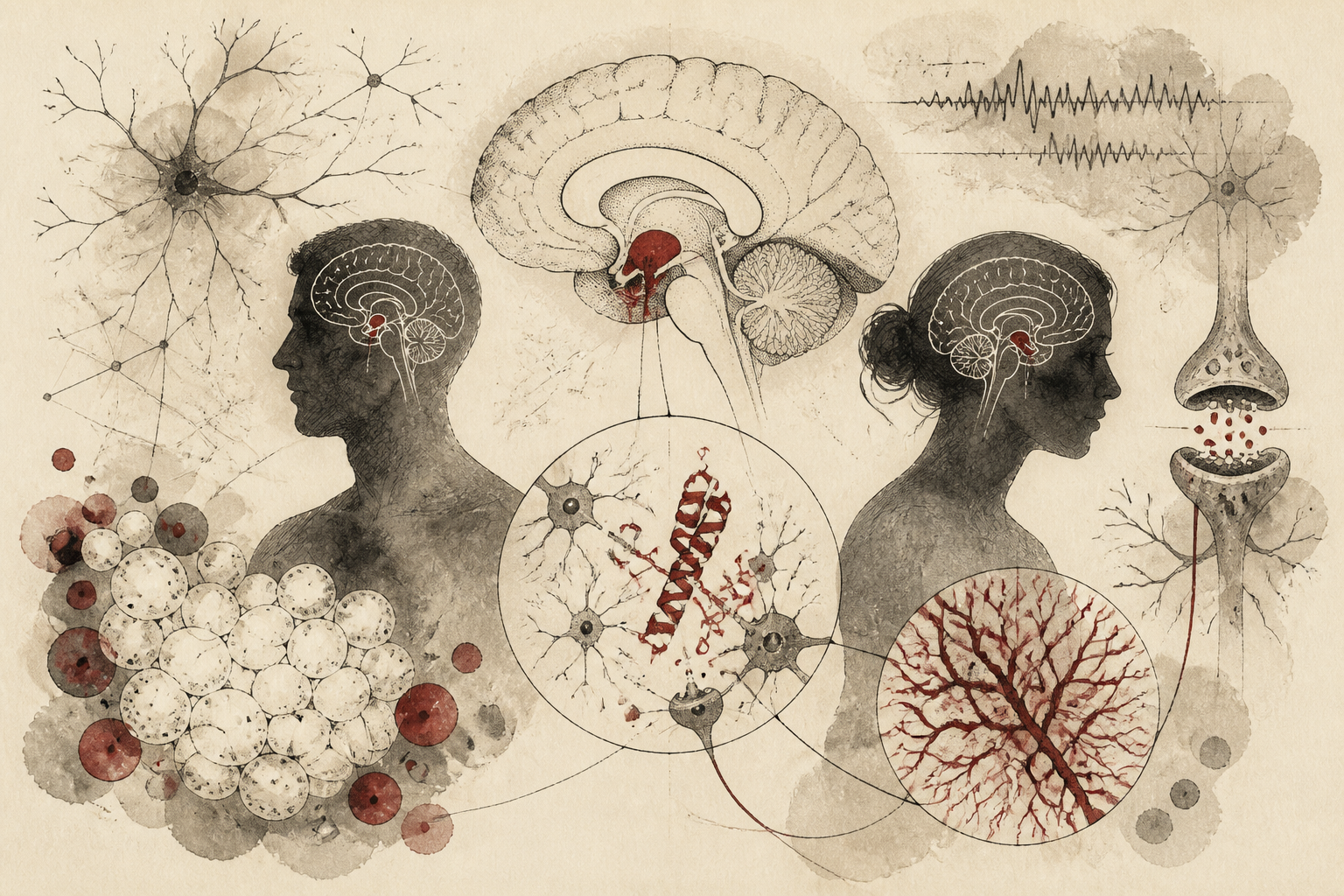
In the modern nutritional landscape, where energy-dense and lipid-rich foods are ubiquitously available, the biological mechanisms governing appetite regulation face unprecedented challenges. Recent evidence published in the journal Science and reported via ScienceDaily suggests that the struggle against overconsumption may be deeply rooted in a specific protein situated within the brain's appetite-controlling neurons. This discovery offers a fresh perspective on the physiological foundations of obesity, particularly highlighting how certain molecular pathways serve as a defensive barrier against the allure of high-fat diets. By isolating the role of this protein, researchers have opened a new chapter in understanding why the homeostatic drive to maintain a healthy weight often fails in the presence of modern dietary options.
The findings center on the hypothalamus, a region of the brain long recognized as the central hub for metabolic regulation and hunger signaling. Within this complex neural architecture, specific cells are tasked with monitoring the body’s energy status and responding to fluctuations in nutrient availability. The study identifies a singular protein as a critical regulator of this process, acting as a molecular brake that prevents the escalation of caloric intake when fatty foods are consumed. This identifies a previously underappreciated layer of control within the neural circuitry, suggesting that the propensity for weight gain is not merely a matter of willpower but is significantly influenced by the functional integrity of specific intracellular signals.
Neurobiological Framework of Lipid Regulation
To understand the significance of this discovery, one must consider the historical context of neuro-metabolic research. For decades, scientists have mapped the pathways through which the brain detects leptin, ghrelin, and other hormonal signals. However, the internal mechanisms that allow individual neurons to process these signals and decide when to terminate a meal have remained partially obscured. This latest research focuses on the intracellular environment, demonstrating that when the target protein is present and functioning correctly, it helps the brain recognize the high caloric density of lipids more efficiently. Without it, the signaling loop remains open, leading to a delayed satiety response and subsequent overeating.
The investigation utilized advanced genetic modeling to observe how the absence of this protein influenced dietary habits. In environments where food was balanced and nutritious, the absence of the protein had a noticeable but manageable impact. However, the introduction of a high-fat diet acted as a catalyst for significant metabolic disruption. Subjects lacking the protein demonstrated a marked inability to self-regulate their intake of fats, leading to rapid weight gain and the development of obesity-related markers. This suggests that the protein's primary role is most critical when the organism is faced with the specific metabolic pressure of a high-fat diet, which is increasingly the norm in contemporary human societies.
Sexual Dimorphism in Metabolic Response
Perhaps the most striking aspect of the study is the revelation of distinct differences between males and females regarding how this protein influences weight management. Traditionally, metabolic studies have often generalized findings across sexes or focused primarily on one, but this research highlights a significant divergence in biological response. The data indicates that the protein’s influence on appetite and the subsequent risk of obesity varies significantly based on biological sex. This sexual dimorphism suggests that the neural pathways governing satiety are not identical across the species, which may account for the long-observed variations in obesity rates and fat distribution patterns seen in clinical populations.
These gender-based differences extend beyond simple weight gain and touch upon the efficacy of pharmacological interventions. The study posits that because the underlying molecular mechanisms differ, the way males and females respond to weight-loss medications may also be fundamentally distinct. This finding provides a potential explanation for why certain GLP-1 agonists or other metabolic drugs yield inconsistent results across different patient groups. It underscores the necessity for a more personalized approach to metabolic medicine, where treatment protocols are tailored to the specific molecular and hormonal profile of the individual rather than a one-size-fits-all model.
Mechanisms of Cellular Overconsumption
The underlying mechanism identified by the research team involves the interaction between this specific protein and the firing rates of appetite-controlling neurons. In a healthy state, the consumption of lipids triggers a cascade of signals that increase the activity of satiety neurons. The protein in question appears to facilitate this cascade, ensuring that the signal is loud and clear enough to override the hedonic drive to continue eating. When the protein is deficient, the neuronal response is muted. The brain effectively 'under-counts' the calories being consumed, leading to a state of perceived deprivation despite an actual caloric surplus.
Furthermore, the research delves into the plasticity of these neural circuits. It appears that chronic exposure to high-fat diets may further degrade the efficiency of this protein-mediated signaling. This creates a feedback loop where the more high-fat food an individual consumes, the less capable their brain becomes at signaling the need to stop. This molecular 'exhaustion' provides a compelling biological explanation for the difficulty many individuals face when attempting to reverse obesity through dietary changes alone. The system becomes recalibrated to a higher threshold of fat intake, making standard caloric restriction feel like starvation to the affected neural pathways.
Limitations and Future Directions
While the discovery is a significant leap forward, the researchers emphasize that further study is required to translate these findings into human clinical applications. The current data is derived from highly controlled biological models, and while the hypothalamic pathways are conserved across many species, human metabolism is influenced by an additional layer of psychological and environmental complexities. Factors such as chronic stress, sleep deprivation, and the presence of ultra-processed additives may interact with this protein in ways that have not yet been fully mapped. Additionally, the exact molecular triggers that cause the protein to malfunction or decrease in expression over time remain a subject for future inquiry.
One open question is whether this protein can be targeted through exogenous means. If a pharmaceutical agent could mimic the function of this protein or enhance its natural expression, it could provide a new avenue for treating obesity at the source—within the brain's own regulation center. However, the challenge remains in delivering such treatments across the blood-brain barrier and ensuring they target the specific hypothalamic neurons without disrupting other essential cognitive or motor functions. The specificity of the protein's location makes it a promising target, but also a difficult one to reach.
Implications for Clinical Psychology and Public Health
The broader implications of this study for the field of psychology and public health are profound. By identifying a clear biological driver for overeating, the research helps to destigmatize obesity, reframing it as a complex neurobiological condition rather than a failure of individual discipline. This shift in perspective is crucial for developing more empathetic and effective treatment strategies. Understanding that a patient’s brain may literally be unable to 'see' the fat they are consuming allows for interventions that combine nutritional education with an awareness of the underlying biological resistance.
Ultimately, this research highlights the intricate dance between our evolutionary biology and our modern environment. The proteins that once protected our ancestors from starvation by encouraging the consumption of rare, calorie-dense fats are now being overwhelmed by a surplus of those very same nutrients. As we continue to uncover the molecular basis of appetite, we move closer to a future where obesity can be managed through a precise understanding of the brain's internal signaling, leading to better health outcomes for both men and women across the globe.
Quick answers
- What is the role of the newly discovered protein in the brain?
- The protein acts as a molecular regulator in the hypothalamus, helping neurons recognize when enough high-fat food has been consumed to signal satiety.
- How does the research explain gender differences in weight loss?
- The study found sexual dimorphism in how this protein functions, suggesting that the underlying neural pathways for appetite differ between males and females, affecting drug efficacy.
- Why does a high-fat diet make this protein so important?
- The protein is specifically critical for curbing the overconsumption of lipids; without it, the brain fails to detect the high energy density of fats, leading to rapid weight gain.
Rewritten by Zeit editorial AI. Based on original reporting at ScienceDaily — Mind & Brain.