Predictive Biomarkers: Blood Testing as a Decadal Foresight for Alzheimer’s Risk
Recent international research demonstrates that specialized blood tests can quantify the probability of cognitive impairment up to a decade before clinical symptoms manifest.
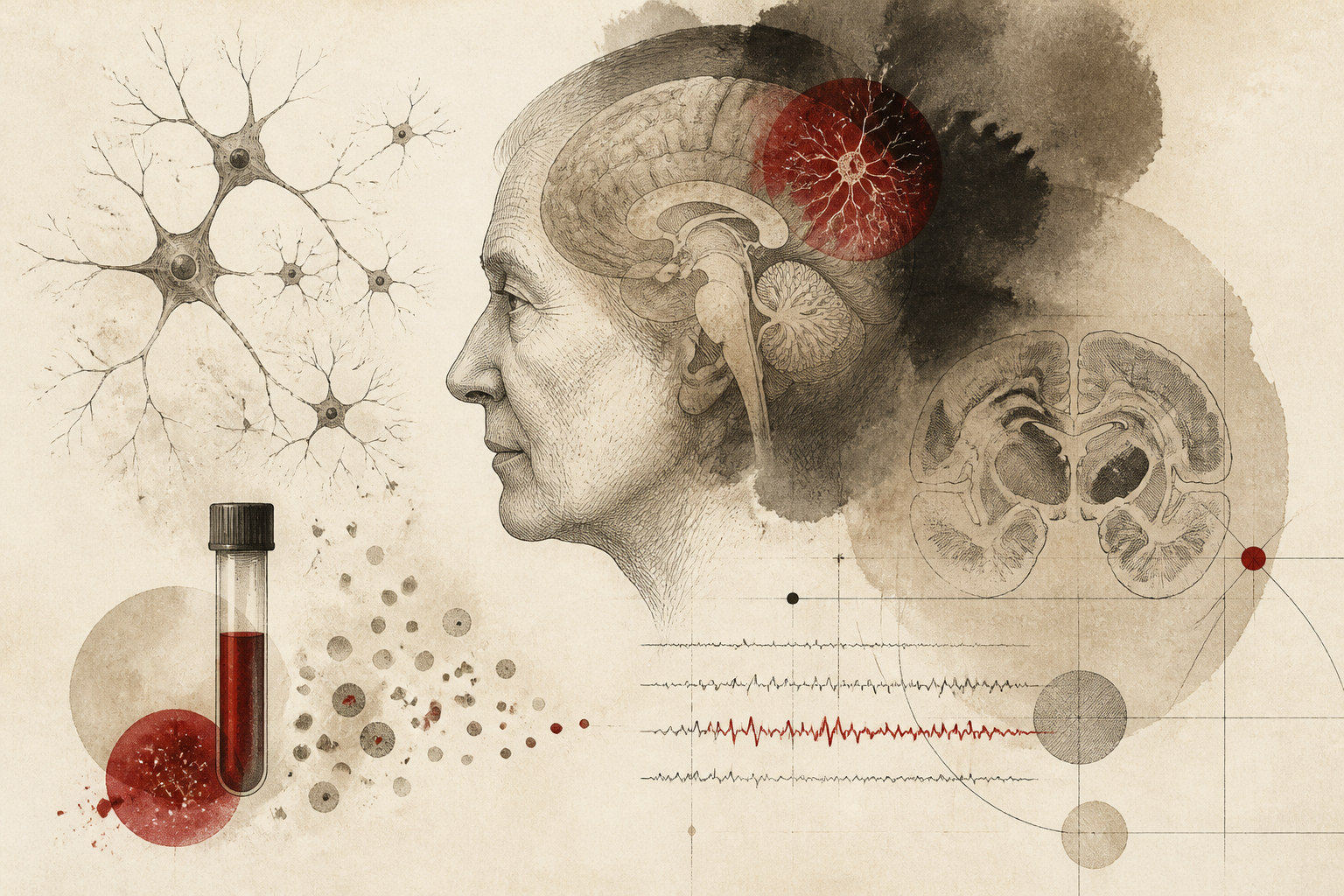
In the landscape of neurodegenerative medicine, the ability to identify pathological changes before they translate into irreversible cognitive decline has long been considered the premier objective. A significant international study, as reported by ScienceDaily, has now provided empirical evidence that a relatively non-invasive blood test could serve as a predictive tool for Alzheimer’s disease, identifying at-risk individuals up to ten years before the onset of symptomatic memory loss. This development represents a shift from reactive diagnosis toward a proactive, biomarker-driven model of geriatric psychiatry and neurology. By analyzing specific proteins and indicators within the bloodstream, researchers have established a statistical framework that correlates biological markers with the probability of future cognitive impairment, potentially altering the trajectory of patient care and pharmaceutical intervention.
The Landscape of Early Detection and Biomarker Identification
The clinical challenge of Alzheimer’s disease resides largely in its lengthy prodromal phase. By the time a patient presents with noticeable memory deficits or executive dysfunction, the underlying neurological damage—characterized by the accumulation of amyloid-beta plaques and tau tangles—is often extensive. Historically, definitive identification of these markers required expensive positron emission tomography (PET) scans or invasive cerebrospinal fluid (CSF) extractions via lumbar puncture. The recent study published via ScienceDaily highlights a transition toward blood-based biomarkers, which offer a more scalable and accessible alternative for large-scale screening. This international effort focused on refining the sensitivity of these tests to ensure they could distinguish between normal age-related fluctuations and the early biological signatures of neurodegeneration. The ability to look ten years into the future of a patient’s cognitive health provides a critical window for lifestyle modifications and the application of emerging therapeutic agents designed to clear proteopathic aggregates before they cause widespread neuronal death.
Statistical Findings and Risk Stratification
The data derived from this international cohort study provides a striking look at the predictive power of blood-based diagnostics. According to the research findings, individuals identified within the highest-risk tier based on their blood profiles faced a 38% probability of developing cognitive impairment within a five-year window. Even more significant was the long-term projection: these same high-risk individuals were estimated to have a 78% chance of impairment within ten years. These percentages represent a significant departure from baseline population risks and suggest that blood biomarkers are capturing the early stages of a progressive pathological process. The study underscores that Alzheimer’s is not a sudden event but a decades-long biological cascade. By quantifying this risk in such specific terms, the medical community can better categorize patients, ensuring that those with the highest statistical likelihood of decline receive prioritized monitoring and enrollment in clinical trials. This stratification is essential for the efficiency of future healthcare systems as the global population continues to age.
Methodological Framework and Biological Mechanisms
The mechanism behind this predictive capability lies in the detection of minute concentrations of brain-derived proteins that leak through the blood-brain barrier. While the ScienceDaily report focuses on the clinical utility of the test, the underlying methodology involves high-sensitivity assays capable of measuring p-tau levels and other neurofilament lights in the plasma. The international research team utilized longitudinal data, tracking participants over several years to correlate their initial blood chemistry with their subsequent cognitive outcomes. This longitudinal approach is what allowed the researchers to establish the ten-year predictive horizon. By comparing blood samples against traditional diagnostic benchmarks like cognitive testing and neuroimaging, the scientists validated that the blood test reflects real-time changes in brain health. The methodology suggests that the blood’s chemical composition acts as a mirror for the brain’s proteomic environment, providing a window into the metabolic and structural shifts that precede the functional failure of neural circuits.
Clinical Interpretations, Limitations, and Ethical Considerations
While the prospect of a decadal warning system for Alzheimer’s is scientifically significant, it brings about complex interpretations and inherent limitations. A 78% chance of impairment within ten years is a high probability, but it is not a 100% certainty. This leaves a margin of 22% for individuals who, despite possessing high-risk biomarkers, may remain cognitively resilient. Factors such as cognitive reserve, genetics, and environmental influences likely play a role in this discrepancy. Furthermore, the psychological impact of receiving a high-risk score a decade before symptoms appear cannot be understated. Without a definitive cure currently available, clinicians must weigh the benefits of early knowledge against the potential for increased patient anxiety. The study emphasizes that these tests are currently tools for risk assessment rather than definitive diagnostic sentences. There are also questions regarding the standardization of these tests across different laboratories and diverse ethnic populations, as biological baselines can vary. Future research must address whether these predictive markers remain equally accurate across various demographic groups to ensure equitable application of the technology.
The Path Toward Early Intervention and Preventative Care
The ultimate value of this discovery lies in its potential to facilitate early intervention. The researchers believe that by identifying Alzheimer’s risk in the preclinical stage, the medical community can move toward a model of prevention. Current research into monoclonal antibodies and other disease-modifying therapies suggests that these treatments are most effective when administered early in the disease course, before the brain has lost a significant number of neurons. A simple blood test could serve as the primary screening tool to identify candidates for these therapies. Beyond pharmacology, a ten-year lead time allows for aggressive management of cardiovascular health, sleep hygiene, and cognitive engagement—all of which have been shown to influence the rate of cognitive decline. As this technology moves from the research phase toward clinical implementation, it promises to redefine the aging process, transforming Alzheimer’s from a mysterious and sudden decline into a manageable, predictable, and potentially preventable condition. The findings reported by ScienceDaily mark a pivotal moment in neurobiology, suggesting that the future of brain health may be found within a single vial of blood.
Quick answers
- How accurate is the new blood test for predicting Alzheimer's risk?
- The study indicates that individuals in the highest-risk category have a 38% chance of impairment within five years and a 78% chance within ten years.
- When can this blood test detect signs of Alzheimer's?
- Research suggests the test can identify biological markers of the disease up to 10 years before cognitive symptoms like memory loss become apparent.
- What is the benefit of testing for Alzheimer's a decade early?
- Early detection allows for earlier medical intervention, recruitment into clinical trials for new treatments, and lifestyle changes that may slow cognitive decline.
Rewritten by Zeit editorial AI. Based on original reporting at ScienceDaily — Mind & Brain.