Oxytocin Identified as Key Catalyst in Socially Induced Cataplexy
Researchers have discovered that the 'social hormone' oxytocin plays a critical role in triggering sudden muscle weakness during positive social interactions in narcoleptic models.
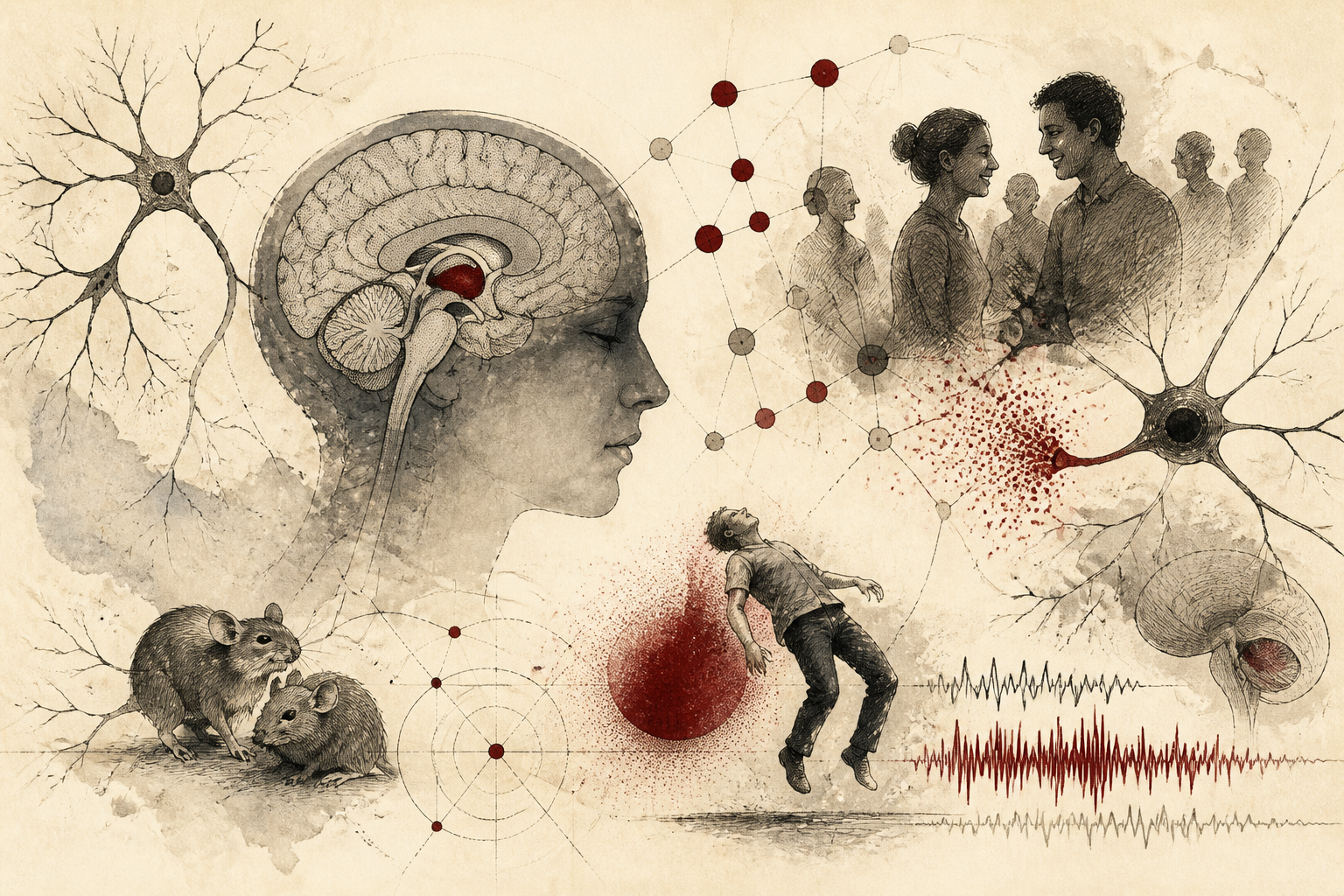
Recent research published in *Nature Neuroscience* has unveiled a surprising link between oxytocin—a hormone traditionally associated with social bonding and trust—and the onset of cataplexy, a debilitating symptom of narcolepsy. Cataplexy is characterized by a sudden, involuntary loss of muscle tone, typically triggered by intense emotions such as laughter or social joy. While the loss of orexin-producing neurons has long been known as the primary cause of narcolepsy, the specific chemical pathways that translate social emotions into physical collapse remained poorly understood.
The study, conducted by an international team of neuroscientists, utilized mouse models to observe how social interactions stimulate oxytocin-secreting neurons in the hypothalamus. The findings indicate that these neurons project directly to areas of the brainstem responsible for motor control. When these circuits are activated during social play or grooming, the resulting surge of oxytocin inhibits motor neurons, leading to the characteristic muscle paralysis of a cataplectic attack.
Critically, the investigators found that by pharmacological blocking oxytocin receptors or using chemogenetic tools to silence specific oxytocin-producing cells, they could significantly reduce the frequency of cataplectic episodes without impacting other social behaviors. This suggests that the oxytocin system is a necessary component of the emotional-to-motor bridge that malfunctions in the absence of orexin.
According to the original report in *Nature Neuroscience*, these insights offer a potential new therapeutic target for managing narcolepsy. Current treatments often rely on broad stimulants or antidepressants that may have systemic side effects. By focusing on the oxytocin signaling pathway, future pharmacological interventions might specifically prevent the physical symptoms of cataplexy while preserving the patient’s ability to engage in rewarding social experiences. This discovery shifts the academic understanding of oxytocin from a purely pro-social hormone to a complex modulator of motor stability in the neurologically compromised brain.
Quick answers
- What is the relationship between oxytocin and cataplexy?
- Oxytocin acts as a trigger in the brainstem that causes sudden muscle weakness when a person with narcolepsy experiences strong positive social emotions.
- How does this study change our understanding of narcolepsy?
- It identifies oxytocin as a specific chemical bridge between social emotion and motor paralysis, moving beyond the general loss of orexin cells.
- Could these findings lead to new medical treatments?
- Yes, blocking oxytocin receptors may provide a way to prevent cataplectic attacks without interfering with general brain function or social behavior.
Rewritten by Zeit editorial AI. Based on original reporting at Nature Neuroscience.