Novel Genetic Mapping Identifies Potential Targets for Glioblastoma Vaccines
Researchers at Zeit Psychology Online University examine how single-cell long-read sequencing reveals hidden isoforms in brain cancer cells.
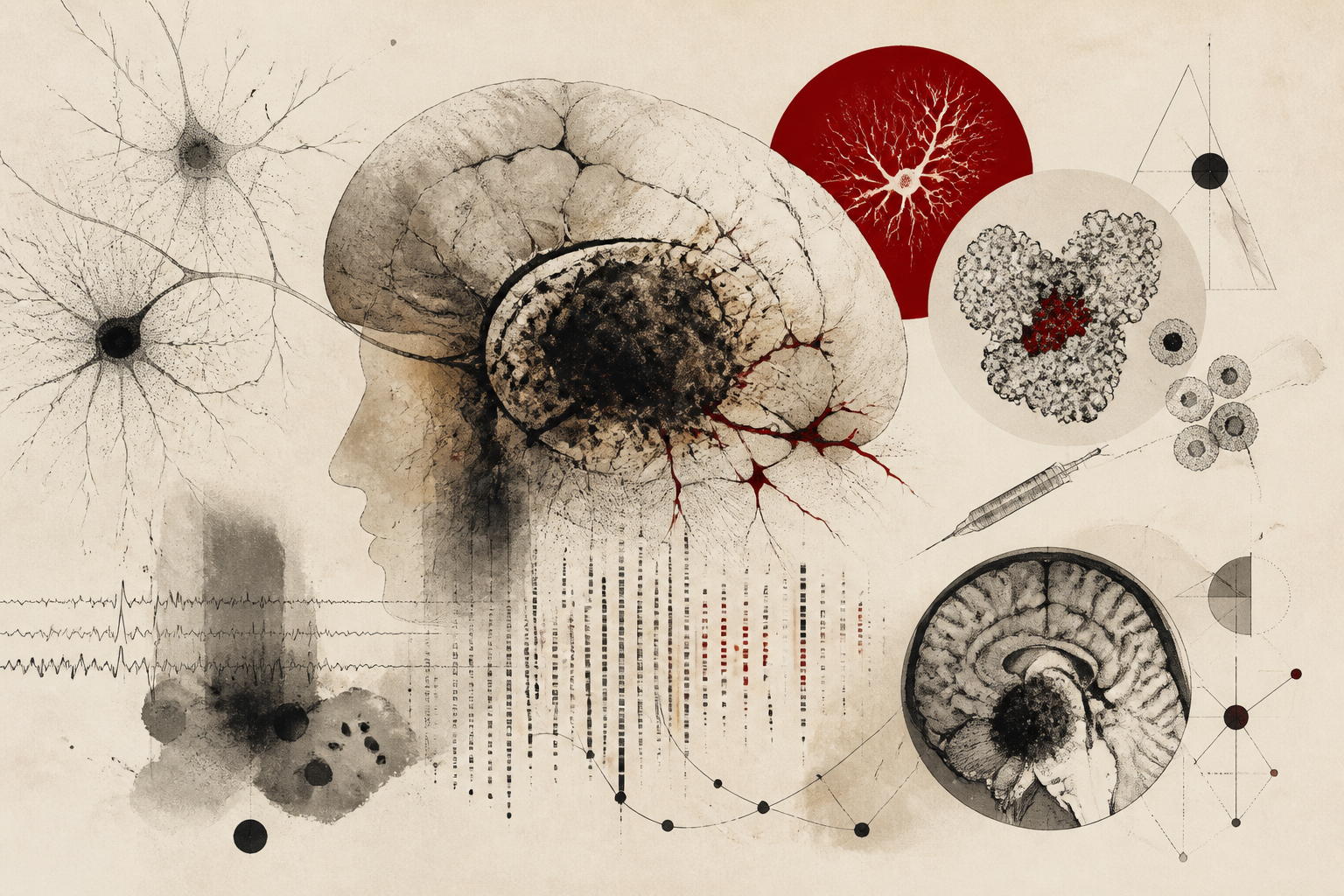
Recent advancements in genomic technology are fundamentally reshaping our understanding of glioblastoma, an exceptionally aggressive and difficult-to-treat form of brain cancer. A new report highlights how researchers have employed single-cell long-read sequencing to uncover previously undetected genetic isoforms within glioblastoma cells. This methodological leap offers a promising avenue for developing highly personalized cancer vaccines, meticulously designed to target the unique molecular blueprint of an individual patient's tumor. The identification of these subtle yet significant genetic variations could mark a pivotal shift in the therapeutic landscape for this devastating neurological malignancy.
The Challenge of Glioblastoma and Traditional Genomic Limitations
Glioblastoma presents formidable challenges to effective treatment, largely due to its inherent heterogeneity and the blood-brain barrier's protective yet restrictive nature. Conventional therapies, including surgery, radiation, and chemotherapy, often yield limited long-term success. A key contributor to this therapeutic resistance lies in the complex genetic landscape of the tumor. Traditional genomic sequencing methods, while powerful, have historically struggled to fully capture this complexity. Specifically, these methods often overlook the intricacies of alternative splicing, a crucial biological process where a single gene can give rise to multiple distinct protein variations, known as isoforms. In the context of glioblastoma, these "hidden" isoforms are not merely genetic curiosities; they can play a critical role in driving tumor proliferation, fostering resistance to established treatments, and enabling the cancer's aggressive spread. Unraveling these previously obscure genetic elements is therefore paramount for developing more effective interventions.
Unveiling Hidden Isoforms Through Advanced Sequencing
The breakthrough detailed in the report centers on the innovative application of single-cell long-read sequencing. This advanced technology departs from conventional short-read sequencing by enabling the direct sequencing of full-length RNA molecules. By providing a comprehensive view of entire transcripts from individual cells, it overcomes the limitations that previously hindered the detection of full-length isoforms. This granular, single-cell resolution offers an unprecedented level of detail regarding the cellular landscape within the tumor microenvironment. It allows researchers to precisely map the specific alternative splicing events occurring in different glioblastoma cells, revealing the full spectrum of genetic variations that contribute to the tumor's unique biological signature. This capability represents a significant methodological advancement, moving beyond averaged bulk analyses to resolve cellular heterogeneity with remarkable clarity.
Implications for Immunotherapy and Precision Medicine
The granular detail provided by single-cell long-read sequencing holds particular significance for the burgeoning field of immunotherapy. The study specifically identifies certain neoantigens—proteins or protein fragments that are uniquely expressed by cancer cells and not by healthy cells. Crucially, many of these neoantigens were previously undetectable by standard diagnostic tools and sequencing approaches. By identifying these heretofore "invisible" unique markers, researchers gain critical targets for therapeutic intervention. The objective is to engineer personalized cancer vaccines that can stimulate a patient's immune system to specifically recognize and eliminate these malignant cells, while critically sparing healthy brain tissue. This approach is rooted in the principles of precision medicine, where treatments are tailored to an individual's specific disease characteristics. The hope is that by leveraging the immune system's exquisite specificity, these vaccines could offer a more targeted and less toxic alternative or adjunct to current treatments.
Experimental Phase, Limitations, and Open Questions
While the findings are highly promising, it is important to acknowledge that the application of these insights is still firmly within the experimental phase. The transition from identifying novel targets in the laboratory to developing safe and effective clinical vaccines involves numerous steps, including rigorous preclinical testing, toxicology studies, and multiple phases of human clinical trials. Furthermore, glioblastoma's complexity extends beyond genetic isoforms, encompassing epigenetic modifications, metabolic reprogramming, and a highly immunosuppressive tumor microenvironment. While this study makes significant strides in understanding genetic drivers, a holistic understanding will require integrating these findings with other biological layers. Open questions remain regarding the immunogenicity of the identified neoantigens in a clinical setting, the optimal vaccine delivery platforms, the potential for immune escape mechanisms, and how these personalized vaccines might integrate with existing treatment paradigms. The sheer genetic and cellular diversity within glioblastoma tumors also presents a continuous challenge in ensuring broad therapeutic efficacy.
Relevance for Psychology and Neuroscience Students and Clinicians
For students and clinicians in psychology and neuroscience, these developments carry profound implications. Psychologists are increasingly involved in neuro-oncology, addressing the cognitive, emotional, and behavioral impacts of brain tumors and their treatments. Understanding the genetic underpinnings of glioblastoma, including novel therapeutic approaches like personalized vaccines, is crucial for appreciating the future trajectory of patient care and the potential for improved quality of life. Neuroscientists, particularly those specializing in neuro-oncology and genomics, will find this research fundamental. It highlights the cutting edge of genomic sequencing and bioinformatics, skills that are becoming indispensable in modern neuroscience research. Moreover, the focus on individualized treatments underscores the shift towards precision medicine, which will require interdisciplinary collaboration between neuroscientists, oncologists, geneticists, and psychologists to optimize outcomes for patients facing such challenging diagnoses.
A Forward Look in Neuro-oncology
This study represents a foundational step in decoding the intricate genetic architecture of glioblastoma and moving towards individualized therapeutic interventions. The ability to identify previously hidden isoforms and their associated neoantigens marks a significant paradigm shift in neuro-oncology, pushing the boundaries of what is possible in targeted therapy. As researchers continue to refine single-cell long-read sequencing technologies and improve our understanding of immune responses to cancer, the prospect of effective, personalized glioblastoma vaccines draws closer. The ongoing monitoring of these developments by institutions like Zeit Psychology Online University underscores the critical role of advanced genomic research in transforming the prognosis and treatment landscape for neurological malignancies. The future of glioblastoma treatment will undoubtedly be characterized by increasingly sophisticated, patient-specific strategies, building upon the insights gleaned from studies such as this.
Quick answers
- What is single-cell long-read sequencing?
- It is a genomic technique that allows researchers to view the entire length of RNA molecules in individual cells, revealing complex genetic variations.
- How can this research help treat glioblastoma?
- By identifying unique genetic isoforms, scientists can create personalized vaccines that train the immune system to attack specific cancer markers.
- What are neoantigens in the context of cancer vaccines?
- Neoantigens are unique proteins found on the surface of tumor cells that the immune system can be trained to recognize and target.
Rewritten by Zeit editorial AI. Based on original reporting at NeuroscienceNews.com.