Novel Compounds Developed to Investigate TAOK-1 Protein in Alzheimer’s Research
Vanderbilt University researchers have developed two pioneering chemical compounds to study the TAOK protein family's role in neurodegeneration.
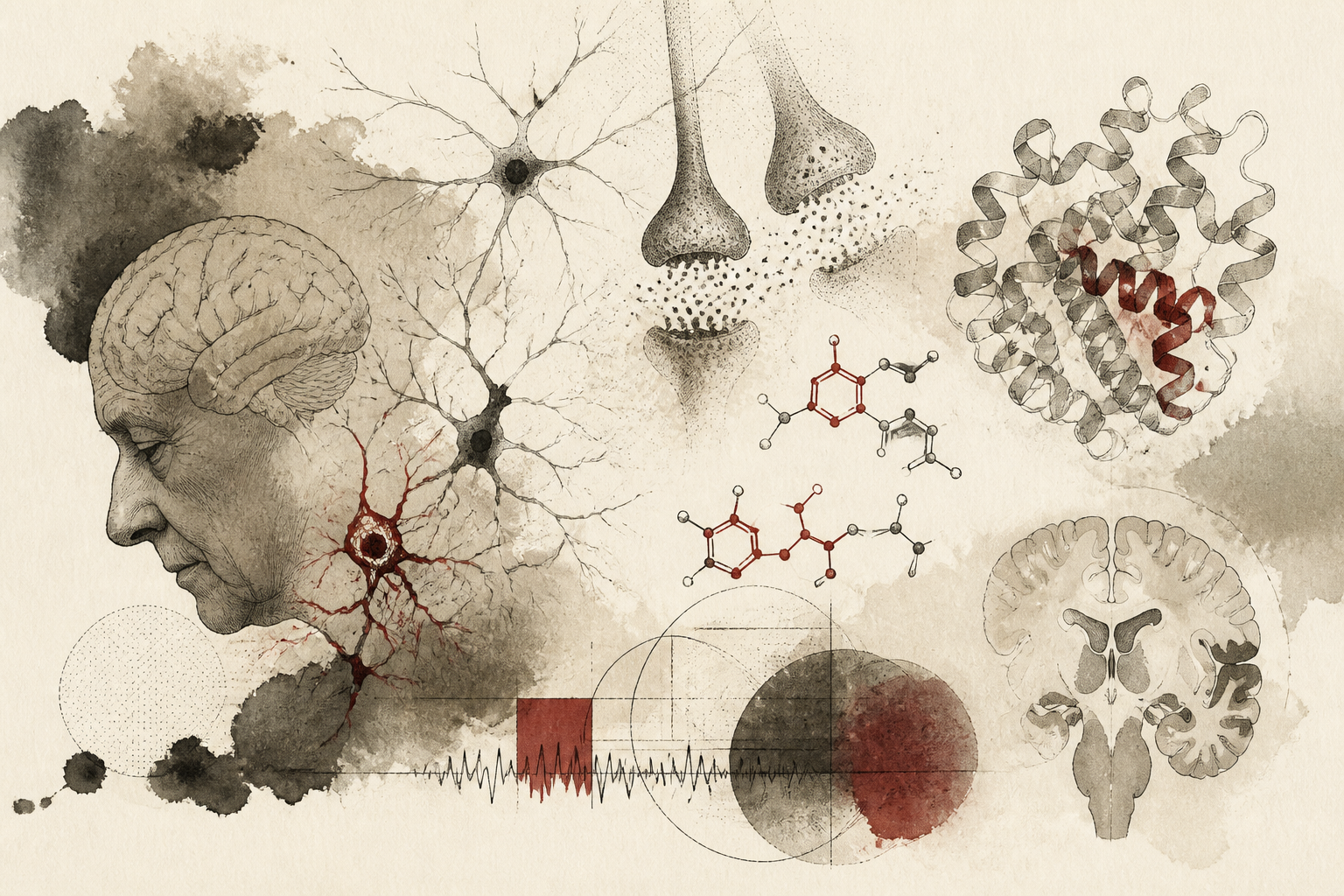
Researchers at Vanderbilt University have recently unveiled a significant advance in the chemical toolkit available for Alzheimer’s disease research, a development poised to deepen our understanding of neurodegenerative processes. This breakthrough involves the successful synthesis of two distinct chemical compounds specifically designed to modulate the activity of Thousand-and-one amino acid kinase 1 (TAOK-1), a protein whose precise role in neurodegeneration has, until now, remained largely enigmatic. The introduction of these novel pharmacological probes is anticipated to accelerate the elucidation of previously obscure disease mechanisms, potentially paving the way for innovative therapeutic strategies against Alzheimer’s disease and related conditions.
The Enigmatic Role of TAOK-1 in Neurodegeneration
Neurodegenerative diseases, including Alzheimer's, are characterized by the progressive loss of neuronal structure and function, leading to cognitive decline, memory loss, and behavioral changes. A hallmark of many of these conditions is the accumulation of abnormal protein aggregates, such as tau tangles and amyloid plaques, and widespread synaptic dysfunction. Despite decades of intensive research, the intricate molecular cascades that drive these pathologies are not fully understood, leaving significant gaps in our ability to effectively treat or prevent these devastating disorders. Protein kinases, enzymes that regulate the activity of other proteins by phosphorylating them, are critical mediators of cellular processes and are frequently implicated in disease states. The TAOK family of protein kinases, in particular, has garnered attention due to its suspected involvement in neuronal signaling and stress responses, making TAOK-1 a compelling target for investigation in the context of neurodegeneration. However, the exact mechanisms by which TAOK-1 contributes to or modulates disease progression have been challenging to delineate, largely due to the absence of specific research tools capable of precisely manipulating its activity in isolation.
Precision Tools for Unraveling Protein Kinase Function
The cornerstone of this Vanderbilt University research lies in the development of a highly selective inhibitor targeting TAOK-1. This compound represents the first of its kind, meticulously engineered to suppress the activity of TAOK-1 without significantly affecting other cellular components or closely related kinases. This specificity is crucial, as it enables researchers to isolate the effects directly attributable to TAOK-1 inhibition. By selectively turning down the activity of this particular protein, scientists can now observe how its reduced presence or complete absence influences key pathological markers associated with Alzheimer's disease. This includes evaluating impacts on the abnormal accumulation of tau proteins, a critical component of neurofibrillary tangles, and assessing changes in synaptic function, which is essential for learning and memory and is often compromised early in the disease process. The ability to precisely target TAOK-1 offers an unprecedented opportunity to dissect its individual contributions to the complex pathophysiology of neurodegeneration.
In a serendipitous yet equally impactful discovery, the research team also identified a second compound that functions as a universal activator for the entire TAOK protein family. While the selective inhibitor allows for targeted suppression of TAOK-1, this broader-acting activator provides the means to stimulate the activity of all TAOK kinases simultaneously. The availability of both a specific inhibitor for TAOK-1 and a general activator for the TAOK family equips neuroscientists with an extraordinary level of control over the TAOK pathway. This dual approach facilitates a more comprehensive exploration of the TAOK family's diverse roles in cellular physiology and pathology. Researchers can now systematically investigate the consequences of both increased and decreased TAOK activity, offering a more complete picture of their involvement in neurodegenerative processes.
Methodological Innovations and Expert Interpretation
The development of these compounds likely involved sophisticated medicinal chemistry techniques, including structure-based drug design and high-throughput screening, followed by rigorous biochemical and cell-based assays to confirm their selectivity and potency. The success in identifying both an inhibitor and an activator underscores a deep understanding of kinase pharmacology and molecular interactions. The ability to develop such precise probes is a testament to advances in chemical biology, allowing for the fine-tuning of molecular tools that can discriminate between highly similar protein targets.
Experts in the field would interpret these developments as a significant step forward in chemical genetics and pharmacological research. The availability of highly specific chemical probes is paramount for establishing causal relationships between protein activity and disease phenotypes. Without such tools, discerning the exact role of a single kinase within a complex signaling network often proves intractable. These compounds enable researchers to move beyond correlational studies to experiments that can definitively demonstrate how modulating TAOK-1 activity directly influences neurodegenerative pathways. This methodological advancement is critical for validating TAOK-1 as a potential therapeutic target. The unexpected discovery of a broad activator further enhances the utility of this toolkit, allowing for a more nuanced investigation of dose-response relationships and potential compensatory mechanisms within the TAOK family.
Limitations and Future Directions
While these compounds represent a substantial leap, certain limitations and open questions remain. The initial studies would likely have been conducted in *in vitro* or cellular models; subsequent research would need to validate their efficacy and selectivity in more complex *in vivo* systems, such as animal models of Alzheimer's disease. Furthermore, the precise mechanism by which TAOK-1 influences tau pathology and synaptic function still requires elucidation. Is it through direct phosphorylation of tau, modulation of other kinases, or alteration of synaptic scaffolding proteins? These compounds provide the means to answer such questions, but the answers themselves will require extensive follow-up research. The potential for off-target effects, even with highly selective inhibitors, must also be continually monitored and characterized as research progresses.
Significance for Psychology and Neuroscience
For psychology and neuroscience students and clinicians, this research holds profound significance. Understanding the molecular underpinnings of cognitive decline and neurological dysfunction is fundamental to both fields. For students, these compounds exemplify how chemical biology intersects with neuroscience to unravel complex biological questions. They represent tangible tools that can be used to investigate the basic mechanisms of learning, memory, and neurodegeneration, bridging the gap between molecular biology and observable behavioral changes. For clinicians, while these compounds are not yet therapeutic agents, they offer hope for the future. By clarifying the role of TAOK-1, this research lays foundational groundwork that could eventually inform the development of novel diagnostic markers or therapeutic interventions for Alzheimer's disease. A deeper understanding of TAOK-1's role in synaptic dysfunction, for example, could lead to strategies aimed at preserving cognitive function.
Looking forward, these pioneering compounds are expected to catalyze a surge in research focused on the TAOK protein family. The ability to precisely manipulate TAOK-1 will undoubtedly accelerate the mapping of its hidden disease drivers and its broader physiological functions. This accelerated understanding is crucial for the scientific community’s collective effort to solve the mysteries of dementia. Ultimately, this research underscores the invaluable importance of biochemical tool development as a cornerstone in the ongoing quest to develop effective treatments for neurodegenerative diseases. The journey from a novel chemical compound to a clinical therapy is long and arduous, but these new tools bring us significantly closer to that crucial goal.
Quick answers
- What is TAOK-1 and why is it important for Alzheimer’s research?
- TAOK-1 is a protein kinase linked to neurodegeneration; understanding its function may reveal how Alzheimer’s progresses at a molecular level.
- How do the two new Vanderbilt compounds differ in their function?
- One compound selectively inhibits the TAOK-1 protein, while the other acts as an activator for the entire TAOK protein family.
- Will these compounds be used as a cure for Alzheimer's?
- Currently, they are research tools designed to help scientists understand disease mechanisms, though they may eventually lead to new treatment strategies.
Rewritten by Zeit editorial AI. Based on original reporting at ScienceDaily — Mind & Brain.