Niacin Supplementation Shows Early Promise in Enhancing Glioblastoma Treatment Outcomes
High-dose Vitamin B3 may revitalize the immune response against glioblastoma, with 82% of trial participants remaining progression-free at six months.
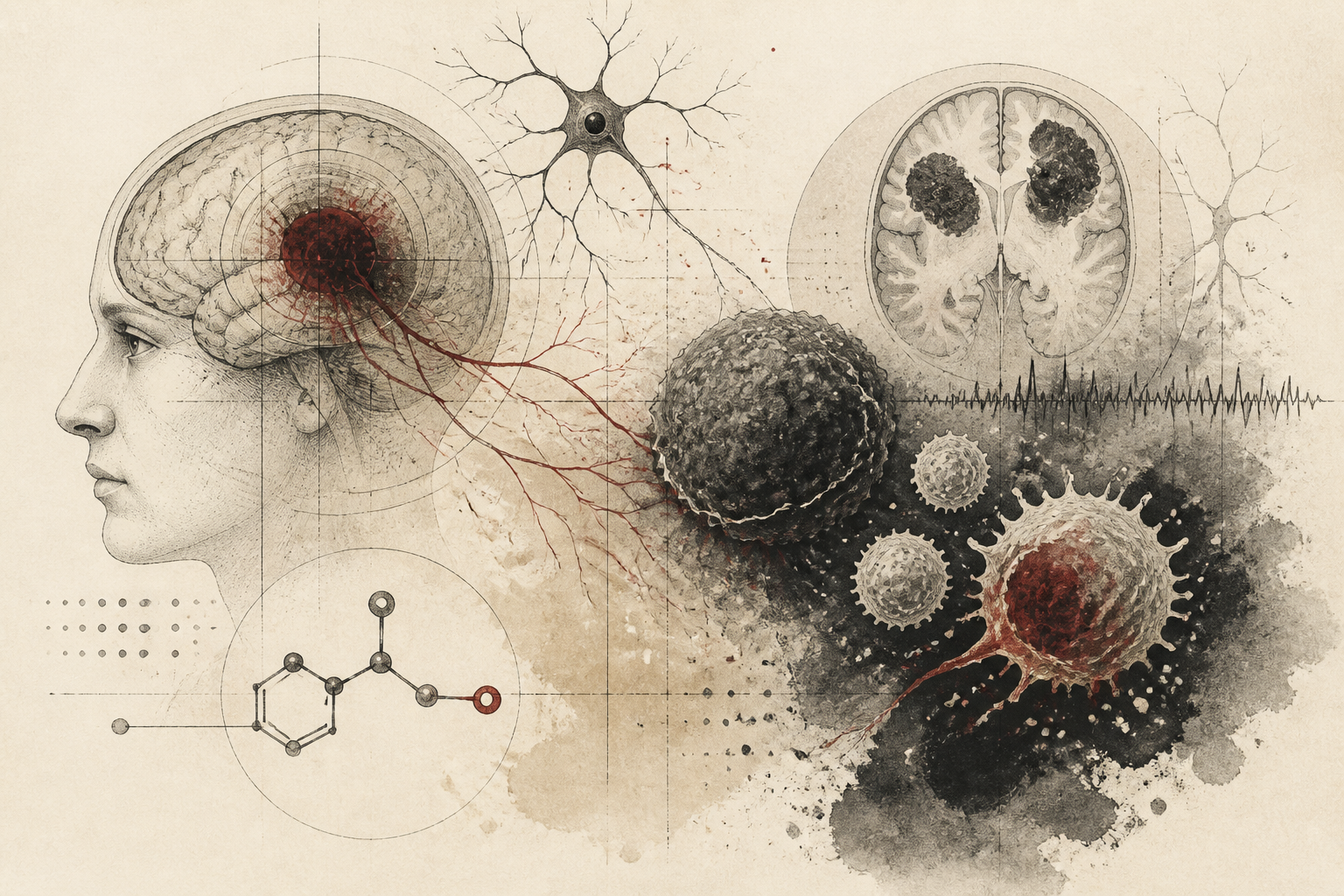
In the landscape of neuro-oncology, few challenges are as formidable as glioblastoma multiforme. As one of the most aggressive and lethal forms of primary brain cancer, its resistance to standard therapies has long necessitated the exploration of novel adjunctive treatments. Recent preliminary data reported by ScienceDaily suggest that a common dietary supplement, high-dose Vitamin B3, or niacin, may offer a significant breakthrough. In a focused clinical trial, researchers observed that a staggering 82% of patients remained progression-free six months after beginning a regimen that integrated niacin with conventional care. While these results are early and derived from a limited sample size, they point toward a potential paradigm shift in how clinicians leverage the body’s own immune system to infiltrate the blood-brain barrier and combat malignant gliomas.
The Immunological Barrier in Glioblastoma Management
To understand why a vitamin supplement might influence brain cancer outcomes, one must first consider the unique immunological environment of a glioblastoma tumor. These tumors are notorious not just for their rapid cellular proliferation, but for their ability to create a 'cold' immune environment. In this state, the cancer effectively cloaks itself from the body's natural defenses, particularly macrophages and T-cells that would otherwise recognize and destroy abnormal cells. Over time, the tumor microenvironment secretes signals that actively suppress immune cell activity, rendering standard treatments like radiation and chemotherapy less effective. Historically, the five-year survival rate for glioblastoma has remained stubbornly low, largely because the cancer evolves faster than the immune system can adapt. The search for an 'immunomodulator'—a substance that can flip the switch back to an active immune state—has been a primary focus of modern oncology.
Clinical Observations and Progression-Free Survival Rates
The recent study highlighted by ScienceDaily involved a small cohort of patients undergoing standard-of-care treatment for glioblastoma, which typically involves surgical resection followed by radiotherapy and chemotherapy. The introduction of high-dose niacin was the primary variable in this experimental arm. The findings were notably distinct: 82% of the participants did not show signs of tumor growth or new lesion development at the six-month mark. In the context of glioblastoma, where recurrence is often measured in weeks or a few months, this period of stability is considered highly encouraging by the research team. This statistic represents a significant departure from historical averages for progression-free survival, suggesting that the addition of Vitamin B3 might be doing more than just supporting general metabolic health; it appears to be interfering with the tumor’s ability to evade the medical interventions already in place.
Mechanisms of Niacin-Induced Immune Revitalization
The hypothesized mechanism behind these results centers on the role of niacin in cellular energy and signaling. Researchers believe that high doses of Vitamin B3 act as a catalyst for immune cells that have been suppressed by the tumor. Specifically, the study suggests that niacin may help 're-program' the tumor-associated macrophages. In a typical glioblastoma environment, these macrophages are often hijacked by the cancer to support tumor growth and suppress inflammation. However, when exposed to high levels of niacin, these same cells appear to regain their original function as defenders. By stimulating these immune cells, niacin helps them overcome the inhibitory signals sent by the cancer, essentially unmasking the tumor and allowing the immune system to participate in the therapeutic process. This process of revitalization suggests that the vitamin is not killing the cancer directly, but rather restoring the biological machinery required for the body to fight back.
Interpretations, Limitations, and the Path Toward Phase III
While the 82% progression-free rate is a reason for optimism within the scientific community, academic rigor requires a cautious interpretation of these early results. The primary limitation of the study is its small scale. Small-group trials are susceptible to selection bias and may not reflect the diverse genetic landscape of glioblastoma across a broader population. Furthermore, the term 'high-dose' is critical; the concentrations of niacin used in this trial far exceed what is typically found in standard multivitamins or dietary sources. Consequently, safety and long-term toxicity must be rigorously monitored in larger, randomized controlled trials. There are also open questions regarding the optimal timing of niacin administration—whether it should begin immediately upon diagnosis or following the completion of primary radiation. Scientists must also determine if specific subtypes of glioblastoma are more responsive to this metabolic intervention than others, as the genetic markers of the tumor often dictate the success of immunotherapy.
Implications for Future Neuro-Oncological Protocols
The significance of this research lies in its potential to provide a low-cost, widely available adjunct to some of the most expensive and complex medical treatments in the world. If larger studies confirm the benefit and safety of niacin, it could become a standard component of the glioblastoma treatment protocol. Beyond the immediate clinical application, this study reinforces the growing understanding of the 'metabolic-immune' connection in oncology. It suggests that the path to curing recalcitrant cancers may not only lie in developing new synthetic drugs but also in repurposing known biological compounds to manipulate the immune microenvironment. For now, the medical community awaits larger-scale validation, but the early promise of Vitamin B3 offers a rare glimmer of hope for patients and families facing a glioblastoma diagnosis. The focus remains on bridging the gap between this intriguing early promise and a verified, safe clinical standard that can be implemented globally.
Quick answers
- How does niacin help in treating glioblastoma?
- Researchers believe high-dose niacin helps revive immune cells that have been suppressed by the cancer, allowing them to better attack the tumor.
- What were the results of the small clinical trial for Vitamin B3 and brain cancer?
- The trial found that 82% of patients remained progression-free for at least six months when high-dose niacin was added to their treatment.
- Is niacin a replacement for standard glioblastoma treatments?
- No, niacin is being studied as an addition to standard treatments like surgery, radiation, and chemotherapy, not as a standalone replacement.
Rewritten by Zeit editorial AI. Based on original reporting at ScienceDaily — Mind & Brain.