New Framework Deciphers the Mechanisms Behind Neural Energy Efficiency
Researchers propose a novel conceptual model to explain how the human brain maintains high-performance computation with minimal power consumption.
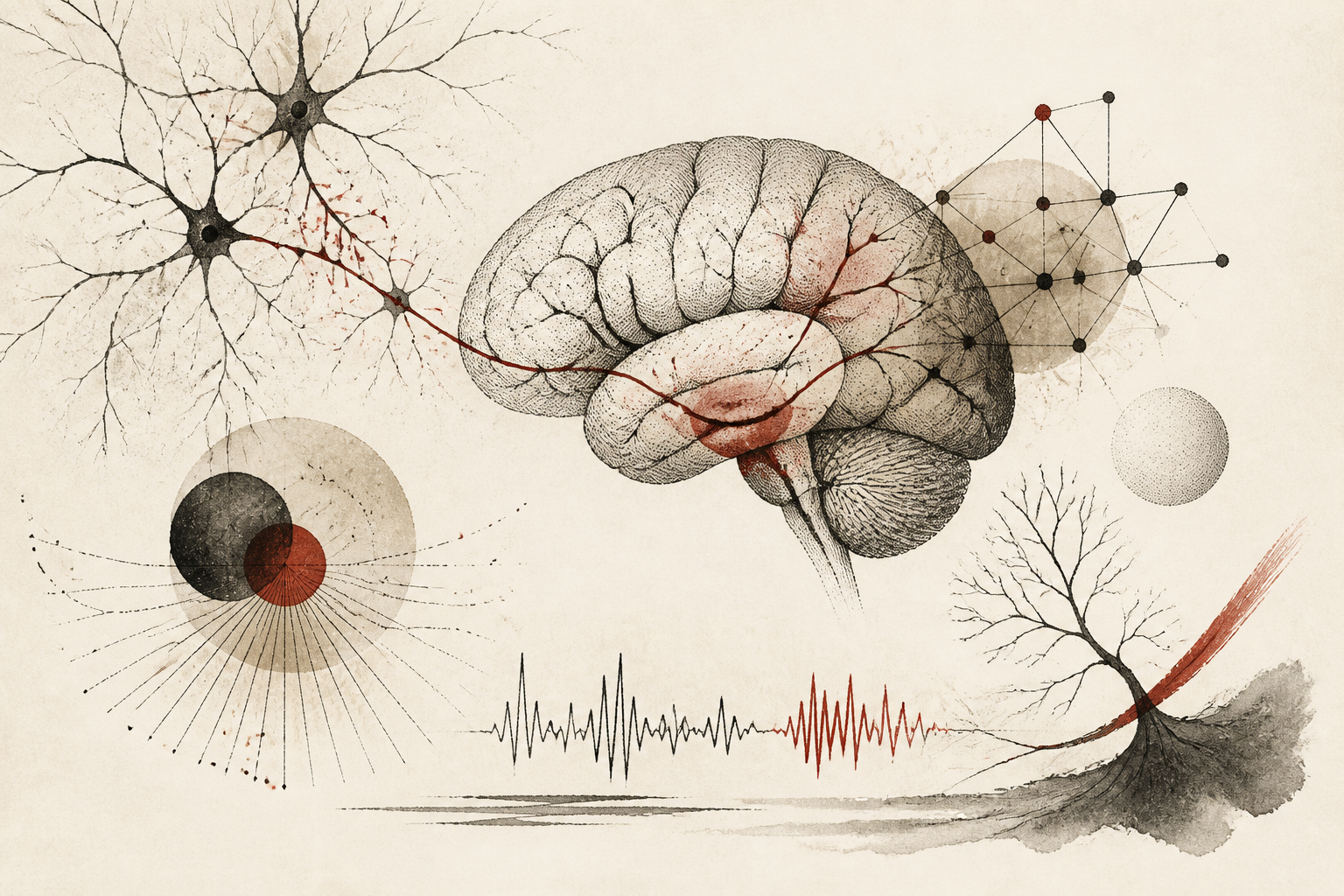
A recent study featured in *Neuroscience News* has introduced a transformative framework aimed at understanding how the human brain achieves its remarkable energy efficiency. While modern artificial intelligence and supercomputing systems require vast amounts of electricity to function, the human brain operates on approximately 20 watts of power—roughly the equivalent of a dim light bulb. This new research suggests that the brain achieves an estimated 79% energy efficiency by utilizing nuanced information-processing strategies.
Central to this theory is the idea that the brain does not operate through simple on-off binary signals seen in traditional silicon architecture. Instead, it utilizes complex temporal patterns and synaptic plasticity to encode information. The proposed model highlights that neural circuits prioritize the reduction of metabolic waste by optimizing the timing of electrical impulses, or 'spikes.' This method ensures that neurons only discharge when the information being relayed is essential, thereby conserving cellular resources.
Furthermore, the framework explores the relationship between structural connectivity and functional output. By leaning on the principles of thermodynamics and information theory, the researchers posit that the brain’s architecture is naturally selected to minimize entropy. This biological streamlining allows the organ to process high-dimensional sensory data without the thermal bottlenecks that plague mechanical hardware.
This breakthrough has significant implications for both basic neuroscience and the future of neuromorphic engineering. By mimicking these biological constraints, computer scientists may be able to develop a new generation of low-power AI systems. As the demand for sustainable technology grows, understanding these organic shortcuts offers a vital roadmap for aligning machine computation with the efficiency of the human mind.
Quick answers
- How much power does the human brain typically use?
- The human brain operates on approximately 20 watts of power, which is significantly less than modern computing hardware.
- What is the estimated energy efficiency of the brain according to the study?
- The recent framework estimates the brain's information processing efficiency at approximately 79%.
- What are the implications for AI technology?
- The research suggests that mimicking the brain's spike-timing and synaptic efficiency could lead to more sustainable, low-power AI systems.
Rewritten by Zeit editorial AI. Based on original reporting at NeuroscienceNews.com.