Multilingualism and Brain Age: A Significant Correlation in Cognitive Longevity
Recent research published in ScienceDaily indicates that speaking multiple languages may significantly reduce the biological age of the human brain, with effects scaling by language count.
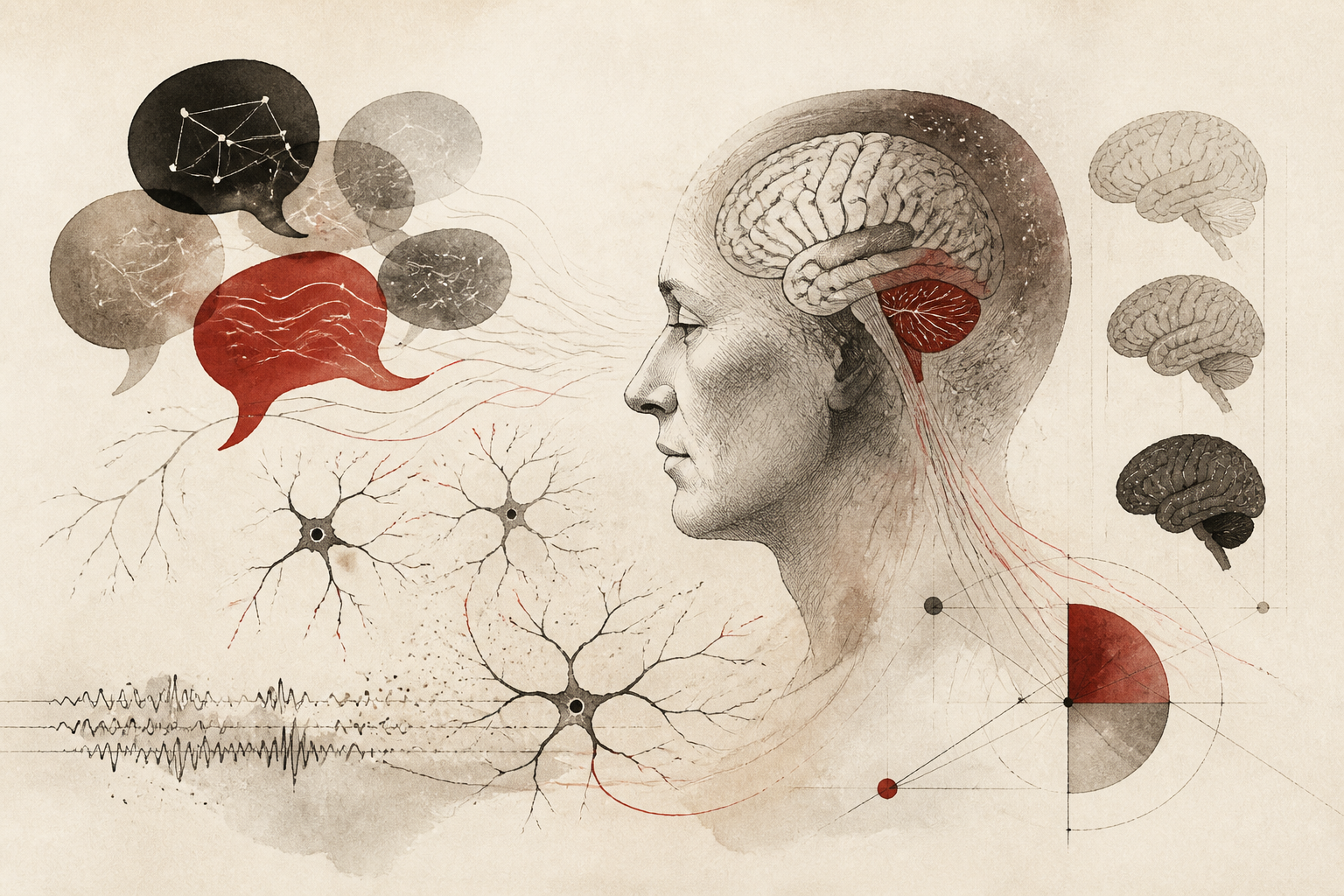
The pursuit of cognitive longevity has long focused on lifestyle interventions, ranging from dietary habits to physical activity. However, emerging research suggests that one of the most potent defenses against age-related neurological decline may be stored within the linguistic structures of the mind itself. According to a new study highlighted by ScienceDaily, individuals who master multiple languages exhibit brain structures that appear significantly younger than their chronological age would suggest. This phenomenon, which highlights the intersection of neuroplasticity and linguistics, offers a compelling look at how the daily complexity of switching between different semantic and syntactic systems serves as a form of high-intensity cognitive training for the aging brain.
The Quantitative Impact of Linguistic Diversity
The central finding of this recent investigation is a striking correlation between the number of languages spoken and the estimated biological age of the brain. While it has long been understood that bilingualism offers certain cognitive advantages, this study quantifies the effect across a broader spectrum of multilingualism. Researchers found that the magnitude of the benefit increases incrementally with each additional language acquired. Specifically, individuals who were proficient in four languages displayed brain structures that were, on average, thirteen years younger than those of their monolingual counterparts. This thirteen-year gap represents a substantial shift in the trajectory of cognitive aging, potentially delaying the onset of symptoms associated with normal senescence and even neurodegenerative pathologies. The data suggests that the brain does not merely plateau after learning a second language; rather, it continues to adapt and strengthen as it integrates third and fourth linguistic systems, suggesting a dose-response relationship between linguistic complexity and neural resilience.
Proficiency, Timing, and the Mechanisms of Neuroprotection
Beyond the raw number of languages spoken, the research identifies two critical moderators that amplify the neuroprotective effects of multilingualism: the age of acquisition and the level of fluency achieved. The findings indicate that while adult language learning is beneficial, those who began their multilingual journey earlier in life showed a more pronounced effect on brain age. This is likely due to the heightened neuroplasticity of the developing brain, which allows for more seamless integration of multiple phonological and grammatical frameworks into the cortical architecture. However, timing is only one part of the equation. High fluency emerged as a vital predictor of brain youthfulness. The cognitive effort required to maintain high-level proficiency—including the suppression of competing languages and the rapid retrieval of specific vocabulary—serves as a constant exercise for the brain's executive control network. This ongoing mental labor appears to preserve grey matter density and maintain the integrity of white matter tracts, which are often the first structures to degrade as a person ages.
Investigating the Cognitive Reserve Hypothesis
The prevailing theoretical framework for interpreting these results is the concept of 'cognitive reserve.' According to this theory, certain life experiences and mental activities build a reservoir of neural resources that allow the brain to function normally despite underlying biological decline. Multilingualism is a unique contributor to this reserve because it involves a wide array of cognitive functions, including sensory processing, memory, and executive inhibitory control. When a multilingual person speaks, their brain must actively inhibit the languages not currently in use to prevent interference. This constant management of competing information strengthens the prefrontal cortex and the anterior cingulate cortex. By reinforcing these pathways, multilingualism provides a buffer—a structural and functional surplus—that compensates for the natural atrophy of aging. The study’s observation of 'younger' brains is essentially a measurement of this enhanced efficiency and structural preservation, providing physical evidence for what was previously a largely theoretical construct.
Analytical Limitations and Future Directions
While the findings are robust, the researchers acknowledge several limitations that warrant further investigation. One primary concern is the direction of causality. While the study suggests that multilingualism leads to a younger brain, it is also possible that individuals with naturally resilient or highly plastic brains are more likely to pursue and succeed in learning multiple languages. This potential for self-selection bias means that while the correlation is clear, further longitudinal studies are required to confirm the preventative impact of language learning over time. Additionally, the study does not fully account for the sociocultural factors that often accompany multilingualism, such as higher education levels or increased social engagement, both of which are independent contributors to brain health. Future research will need to isolate these variables to determine if the linguistic act itself is the primary driver of the observed thirteen-year advantage or if it serves as a proxy for a broader cognitively active lifestyle. Furthermore, questions remain regarding whether the benefits are uniform across all language families or if learning languages that are structurally distinct provides a greater challenge—and thus a greater benefit—than learning closely related ones.
Broader Implications for Public Health and Education
The implications of this research extend far beyond the laboratory, offering significant insights for public health policy and lifelong education. As global populations age, the socioeconomic burden of cognitive decline is projected to rise. If linguistic intervention can truly 'rejuvenate' the brain by over a decade, promoting multilingualism could become a cornerstone of preventative geriatric care. For educational systems, this data provides a strong argument for the integration of foreign language studies at the earliest possible levels, as the long-term neurological dividends are substantial. For the individual, the message is one of empowerment: the brain remains a dynamic organ capable of significant structural preservation well into late adulthood. The effort required to learn and maintain a new language is not merely a cultural or social endeavor but a biological investment in the longevity of one's own mind. As we continue to decode the relationship between communication and cognition, the act of speaking across borders may prove to be one of the most effective tools we have for preserving the self against the passage of time.
Quick answers
- How many years younger can a multilingual brain appear?
- According to the study, individuals who speak four languages have brains that appear approximately 13 years younger than those who speak only one.
- Does it matter when you start learning a second language?
- Yes, starting earlier and achieving high levels of fluency are linked to a stronger neuroprotective effect and a younger biological brain age.
- What is the primary reason multilingualism helps the brain stay young?
- It is believed to build 'cognitive reserve' by constantly challenging the brain's executive functions, such as memory and inhibitory control, which strengthens neural structures.
Rewritten by Zeit editorial AI. Based on original reporting at ScienceDaily — Mind & Brain.