Molecular Switch Linked to Age-Related Neurodegeneration Identified
Recent research suggests the protein EPS8 acts as a catalyst for toxic protein aggregation, offering new insights into the mechanisms of ALS and Huntington’s disease.
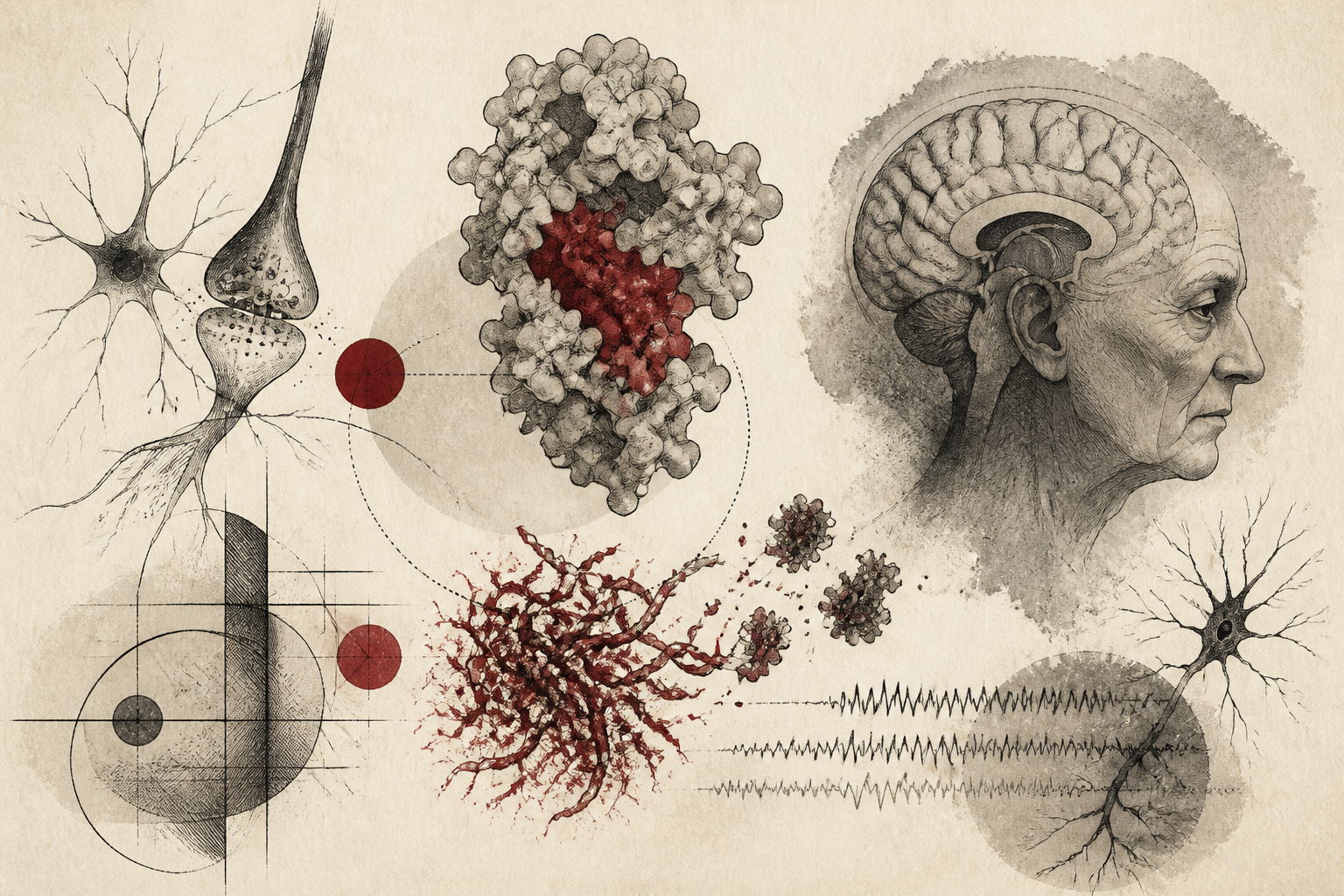
A recent scientific inquiry has uncovered a potential molecular mechanism that clarifies the intricate relationship between biological aging and the emergence of neurodegenerative disorders, specifically Amyotrophic Lateral Sclerosis (ALS) and Huntington’s disease. At the core of this discovery is the protein EPS8, posited as a critical factor in the cellular decline associated with advancing age. This research provides novel insights into the fundamental processes underpinning these debilitating conditions, suggesting new avenues for therapeutic development.
The Age-Neurodegeneration Nexus
Neurodegenerative diseases represent a significant challenge in modern medicine, characterized by the progressive loss of neuronal structure and function. Conditions like ALS, affecting motor neurons, and Huntington’s disease, a hereditary disorder leading to progressive breakdown of nerve cells in the brain, share a common pathological hallmark: the aggregation of misfolded proteins. These protein clumps, often toxic, disrupt cellular processes, impair synaptic communication, and ultimately lead to neuronal death. While genetic predispositions play a role in some neurodegenerative diseases, aging is recognized as the single largest risk factor for most forms. The molecular links between the inexorable process of aging and the increased susceptibility to protein aggregation and neurodegeneration have remained an area of intensive investigation. Understanding this nexus is crucial for developing interventions that can meaningfully alter the trajectory of these diseases.
EPS8: A Molecular Catalyst for Decline
The recent investigation, detailed in a report originally highlighted by *ScienceDaily*, focused on the protein EPS8 and its evolving role over time. Using the model organism *Caenorhabditis elegans*, a nematode widely employed in aging research due to its short lifespan and genetic tractability, researchers observed a significant increase in EPS8 protein levels as the organism aged. This accumulation was not merely an incidental observation; it appeared to function as a biological 'switch,' initiating and amplifying specific signaling pathways. These activated pathways, in turn, facilitated the aggregation of toxic proteins, a process directly implicated in neuronal damage, impaired motor function, and reduced lifespan in various neurodegenerative contexts. The progressive accumulation of EPS8 thus emerges as a potential molecular catalyst that accelerates the hallmarks of neurodegeneration.
Modulating the Molecular Switch
A critical aspect of this research involved manipulating the identified molecular switch. The scientific team demonstrated that by artificially reducing the activity of EPS8, they could significantly mitigate the formation of harmful protein clusters. This intervention yielded observable functional benefits in the test subjects, who maintained neurological function for extended durations compared to controls. This finding suggests a dissociation between the organism's chronological age and the typical rate of cellular degradation and disease progression. The suppression of EPS8 activity effectively uncoupled the aging process from its common downstream neurodegenerative consequences, at least within the parameters of the model organism. This experimental manipulation provides compelling evidence for EPS8's active role in driving protein aggregation and highlights its potential as a therapeutic target.
Broader Implications and Future Directions
While the study was conducted using *Caenorhabditis elegans*, the findings provide a foundational framework for understanding how similar pathways might operate in the more complex environment of the human brain. The evolutionary conservation of many biological processes suggests that mechanisms identified in simpler organisms often have analogous counterparts in higher vertebrates, including humans. By isolating the EPS8 protein as a driver of protein aggregation, scientists may have identified a high-priority target for future pharmacological interventions aimed at age-related neurodegeneration. This discovery shifts the focus toward preventative molecular therapies designed to address the underlying triggers of disease rather than merely managing symptoms once they manifest.
For students and clinicians in psychology and neuroscience, these findings are particularly pertinent. Understanding the molecular underpinnings of neurodegeneration offers a deeper appreciation of disease etiology, moving beyond symptomatic descriptions to mechanistic explanations. For future researchers, it highlights the power of model organisms in dissecting complex biological processes and identifying conserved mechanisms. For clinicians, it opens the door to potential future therapeutic strategies that could fundamentally alter the prognosis for patients with conditions like ALS and Huntington’s disease. Instead of interventions that slow disease progression, targeting EPS8 could theoretically delay disease onset or significantly extend functional lifespan.
However, the path from discovery in a model organism to human clinical application is long and complex. Further research is essential to determine if these findings translate effectively to human physiology. Future studies will need to investigate the role of EPS8 in mammalian models of neurodegeneration, characterize its specific interaction partners and downstream signaling pathways in human neurons, and ultimately assess the safety and efficacy of EPS8 modulation in human clinical trials. The exact mechanisms by which EPS8 promotes aggregation, the precise signaling pathways it activates, and the specificity of its action across different neurodegenerative diseases remain open questions. Nevertheless, this research represents a significant step forward in our understanding of age-related neurodegeneration and offers renewed hope for the development of impactful preventative strategies.
Quick answers
- What is the role of EPS8 in brain aging?
- EPS8 is a protein that accumulates with age, triggering signaling pathways that cause toxic proteins to clump and damage neurons.
- Can neurodegeneration be prevented by targeting EPS8?
- In laboratory models, reducing EPS8 activity prevented protein aggregates and preserved nerve function, suggesting it is a potential therapeutic target.
- Which diseases are associated with these protein aggregates?
- Protein clumping is a primary characteristic of neurodegenerative diseases such as ALS and Huntington’s disease.
Rewritten by Zeit editorial AI. Based on original reporting at ScienceDaily — Mind & Brain.