Moderate Caffeinated Coffee Consumption Linked to Significant Reductions in Dementia Risk
A 43-year longitudinal study suggests that two to three cups of daily caffeinated coffee may offer protective benefits against cognitive decline regardless of genetic predisposition.
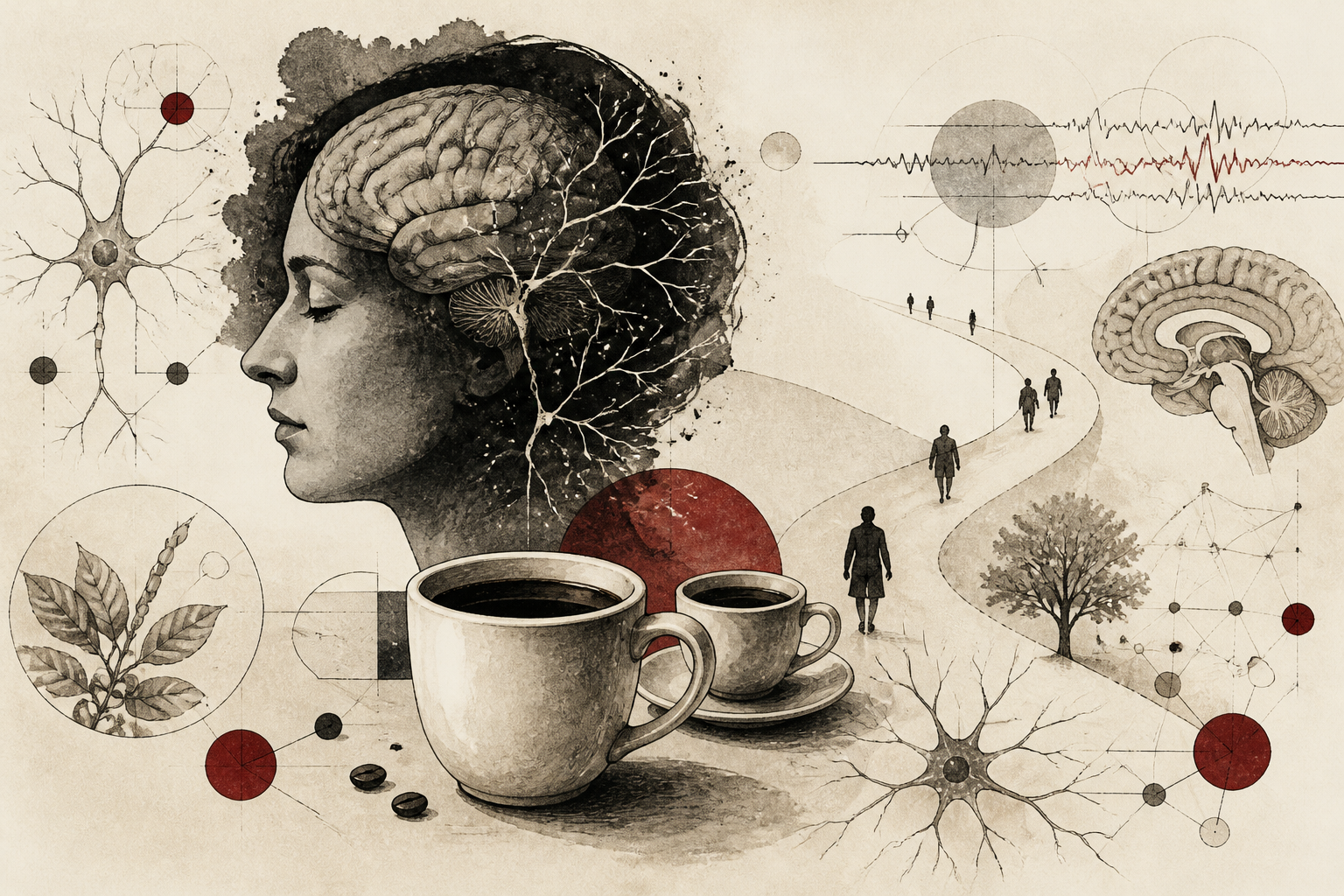
In the burgeoning field of longitudinal geriatric research, few lifestyle interventions have garnered as much consistent interest as the consumption of dietary stimulants. A recent landmark study, as reported by ScienceDaily, has provided some of the most robust evidence to date regarding the relationship between coffee consumption and long-term cognitive health. The research, which tracked participants for up to four decades, indicates that individuals who consume two to three cups of caffeinated coffee daily exhibit a dramatically lower risk of developing dementia compared to non-consumers. Perhaps most significantly, these neurological benefits appear to manifest regardless of an individual's underlying genetic susceptibility to neurodegenerative conditions, positioning caffeine not just as a social staple, but as a potential pillar of preventative cognitive care.
The Longitudinal Framework and Participant Trajectory
To understand the gravity of these findings, one must consider the temporal scale of the investigation. Spanning an impressive 43 years, the study allowed researchers to observe the transition from midlife dietary habits to late-life neurological outcomes. This duration is critical in dementia research because the pathological changes associated with cognitive decline—such as the accumulation of amyloid-beta plaques or tau tangles—often begin decades before clinical symptoms emerge. By monitoring a cohort over such an extensive period, the researchers could account for the slow, insidious progression of neurodegenerative diseases, providing a clearer picture of how early-to-midlife caffeine intake correlates with cognitive resilience in the eighth and ninth decades of life.
Unlike shorter studies that might be susceptible to 'reverse causality'—where individuals in the early stages of dementia change their diet because of the disease—the 43-year window offers a high degree of confidence that the observed habits preceded the onset of cognitive impairment. The participants’ cognitive functioning was assessed through standardized metrics, ensuring that the 'lower risk' cited was based on rigorous clinical evaluation rather than self-reported memory lapses. This longitudinal depth establishes a baseline for understanding how sustained, moderate intake of caffeine interacts with the aging brain over a full adult lifespan.
Neurological Mechanisms and the Caffeine Variable
The study highlights a critical distinction between caffeinated and decaffeinated beverages. According to the data, the protective associations observed with two to three cups of standard coffee were entirely absent in participants who consumed decaffeinated varieties. This suggests that the neuroprotective effect is likely driven by caffeine itself, rather than the various antioxidants or polyphenols that are present in both types of coffee. Caffeine is a known adenosine receptor antagonist; by blocking adenosine, it not only increases alertness but also influences the release of other neurotransmitters like dopamine and serotonin, which play roles in mood and executive function.
From a physiological standpoint, caffeine’s ability to cross the blood-brain barrier allows it to interact directly with the central nervous system. Previous research has suggested that caffeine may reduce the production of beta-amyloid, the protein fragment that forms the primary component of the plaques found in the brains of Alzheimer’s patients. The current study reinforces the hypothesis that regular, moderate doses of caffeine may help maintain the integrity of the blood-brain barrier and reduce chronic neuroinflammation, both of which are key drivers of dementia progression. The specificity of the results—identifying the 'two to three cup' range as the optimal dosage—provides a tangible metric for future dietary guidelines aimed at cognitive preservation.
Genetic Predisposition and Universal Resilience
One of the most striking revelations of this research is the universality of the findings across different genetic profiles. Historically, the presence of the APOE-ε4 allele has been identified as a major genetic risk factor for late-onset Alzheimer’s disease. Many interventions that show promise in the general population often fail to demonstrate the same efficacy for those with a high genetic load. However, the data reported via ScienceDaily suggests that the association between coffee consumption and lower dementia risk remains consistent even among those predisposed to the condition. This implies that the mechanisms through which caffeine protects the brain may bypass or mitigate the specific pathways through which genetic risks manifest.
This finding has profound implications for personalized medicine and public health. If a lifestyle factor as accessible as coffee consumption can provide a 'leveling' effect, it offers a degree of agency to individuals who may feel fatalistic about their genetic heritage. The study suggests that environmental factors and dietary choices can significantly modulate the expression of genetic risk, reinforcing the concept of cognitive reserve—the brain's ability to improvise and find alternate ways of getting a job done even when it is under siege by pathology.
Methodological Considerations and Open Questions
While the results are compelling, the academic community must approach them with the requisite scrutiny regarding limitations. The study primarily establishes a correlation rather than a definitive cause-and-effect relationship. While the long duration helps mitigate some biases, other confounding variables such as socioeconomic status, overall diet, physical activity levels, and sleep patterns could also influence both coffee consumption habits and cognitive outcomes. For instance, individuals who drink coffee in social settings may benefit from the cognitive stimulation of social interaction, which is itself a protective factor against dementia.
Furthermore, the 'dramatic' reduction in risk was specifically tied to a moderate intake of two to three cups. The study does not necessarily suggest that 'more is better.' High doses of caffeine can lead to increased anxiety, heart palpitations, and sleep disturbances, the latter of which is a known risk factor for cognitive decline. Therefore, the relationship between caffeine and brain health likely follows a U-shaped or bell-shaped curve, where the benefits diminish or reverse at excessive levels of consumption. Future research will need to delve deeper into the molecular pathways to explain why decaffeinated coffee lacks these specific benefits and whether other sources of caffeine, such as tea or cocoa, yield similar longitudinal results.
Strategic Implications for Geriatric Public Health
The significance of these findings for the global aging population cannot be overstated. As the prevalence of dementia is projected to rise significantly in the coming decades, identifying low-cost, low-barrier interventions is a priority for healthcare systems worldwide. If moderate coffee consumption is indeed a viable strategy for delaying or preventing cognitive impairment, it represents one of the most scalable public health interventions available. Unlike complex pharmacological treatments, coffee is globally integrated into daily routines across diverse cultures.
In conclusion, the 43-year study provides a powerful piece of the puzzle in the fight against neurodegeneration. By demonstrating that caffeinated coffee is associated with better cognitive functioning and lower dementia risk regardless of genetics, the research encourages a shift toward proactive, habit-based neurological care. For the millions of individuals concerned about their cognitive longevity, the simple act of enjoying two to three cups of coffee a day may be more than a morning ritual—it may be a scientifically backed investment in their future mental clarity.
Quick answers
- How many cups of coffee are linked to lower dementia risk?
- The study found that consuming two to three cups of caffeinated coffee daily was associated with a significant reduction in dementia risk and better cognitive functioning.
- Does decaf coffee prevent dementia?
- No, the study indicated that decaffeinated coffee did not show the same association with lower dementia risk, suggesting caffeine is the key protective component.
- Is coffee beneficial for people with a genetic risk of Alzheimer's?
- Yes, the research found that the link between coffee consumption and lower dementia risk remained consistent regardless of an individual's genetic predisposition.
Rewritten by Zeit editorial AI. Based on original reporting at ScienceDaily — Mind & Brain.