Mitochondrial Proteins Link Mediterranean Diet to Cardiovascular and Neural Longevity
New USC research identifies mitochondrial proteins humanin and SHMOOSE as key mediators in the health benefits of the Mediterranean diet for older adults.
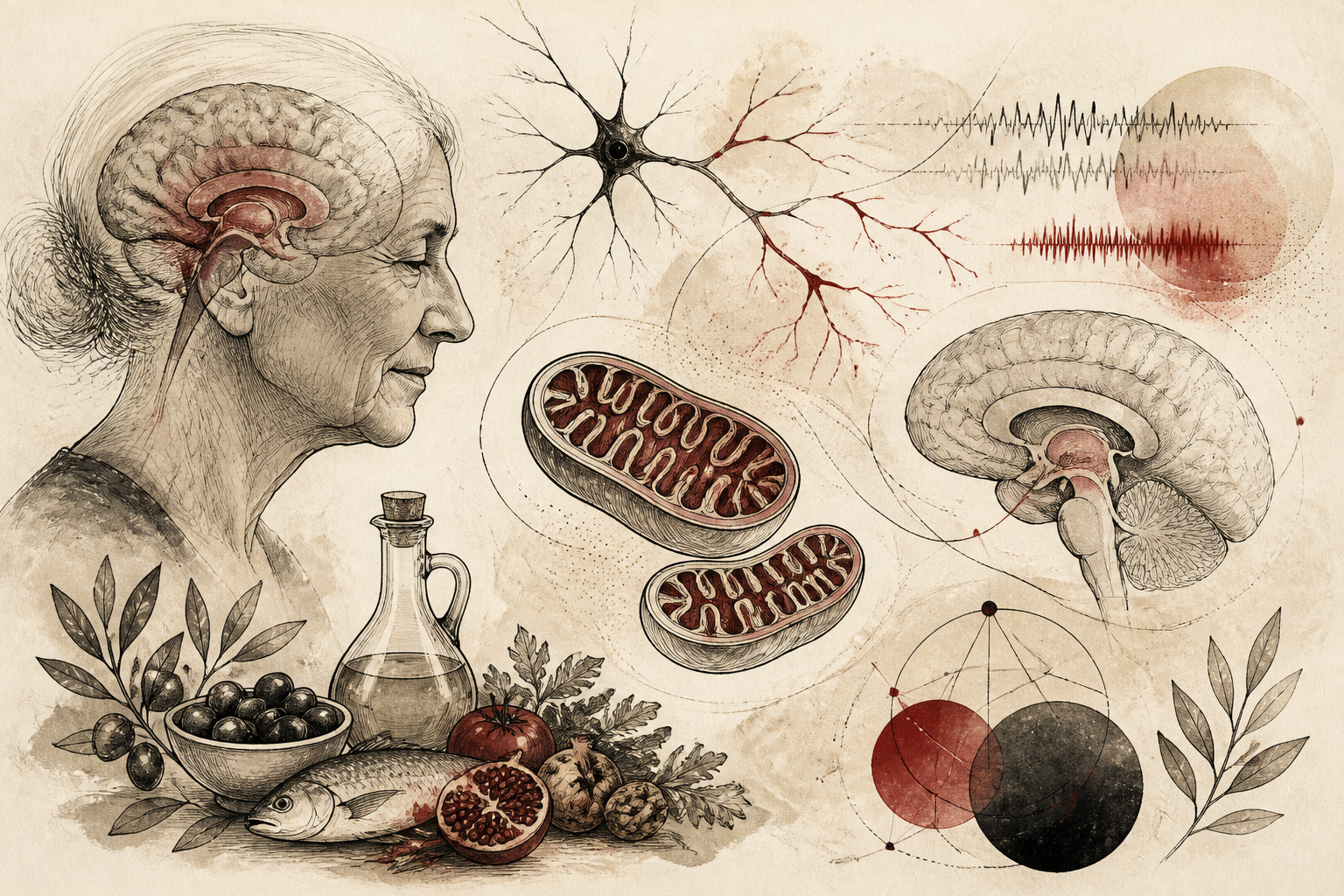
Long-standing epidemiological evidence has consistently positioned the Mediterranean diet as a gold standard for metabolic and neurological health. Characterized by high intakes of plant-based foods, monounsaturated fats, and lean proteins, this dietary pattern is frequently associated with reduced risks of cardiovascular disease and cognitive decline. However, the precise molecular mechanisms facilitating these systemic benefits have remained somewhat elusive. A recent breakthrough by researchers at the University of Southern California (USC), originally reported by ScienceDaily, has identified a potential cellular pathway involving the mitochondria. The study reveals that older adults who strictly adhere to a Mediterranean-style eating pattern exhibit significantly higher concentrations of two specific mitochondrial-derived peptides: humanin and SHMOOSE. These tiny proteins are increasingly recognized as critical regulators of cellular resilience, providing a biological bridge between nutritional input and age-related disease prevention.
The Role of Mitochondrial-Derived Peptides in Cellular Aging
Mitochondria are traditionally defined as the powerhouses of the cell, responsible for generating the adenosine triphosphate (ATP) required for metabolic processes. Yet, modern molecular biology has expanded this definition, viewing mitochondria as signaling hubs that communicate cellular stress and energy status to the rest of the body. Within this framework, mitochondrial-derived peptides (MDPs) have emerged as essential signaling molecules. Humanin, the first MDP discovered, has been shown in various preclinical models to possess potent cytoprotective properties. It acts as an anti-apoptotic agent, preventing programmed cell death in the face of oxidative stress. Similarly, SHMOOSE is a more recently identified microprotein that appears to influence energy metabolism and neuronal health. The USC findings suggest that the Mediterranean diet serves as a dietary stimulus that enhances the production or stability of these peptides, thereby bolstering the body’s natural defenses against the wear and tear of aging. By focusing on these specific proteins, the research moves beyond general observations of health and into the realm of precise molecular endocrinology.
Investigating the Correlation Between Diet and Protein Expression
The methodology employed by the USC research team involved a detailed cross-sectional analysis of older adults, correlating their self-reported dietary habits with blood plasma levels of mitochondrial proteins. Using validated dietary indices, the scientists categorized participants based on their adherence to the Mediterranean diet, which emphasizes fruits, vegetables, legumes, whole grains, and olive oil while limiting red meat and processed sugars. The results were striking: individuals in the highest quintile of diet adherence possessed markedly higher levels of both humanin and SHMOOSE compared to those with lower adherence scores. This correlation suggests that the nutritional components of the diet—perhaps the high antioxidant content or the specific fatty acid profile—exert a regulatory influence on the mitochondrial genome. Unlike the primary nuclear genome, the mitochondrial genome is small and highly responsive to environmental and metabolic cues. The study indicates that a consistent Mediterranean diet may create a metabolic environment that favors the expression of these protective peptides, effectively "upregulating" the cell’s ability to maintain homeostasis.
Protective Mechanisms for the Heart and Brain
The implications of elevated humanin and SHMOOSE levels are particularly profound for the two most energy-intensive organs in the human body: the heart and the brain. Both organs are highly dependent on mitochondrial efficiency and are susceptible to damage as mitochondrial function wanes with age. Humanin has been linked to cardiovascular protection by improving endothelial function and reducing the inflammatory response within arterial walls, which are primary drivers of atherosclerosis. In the context of the brain, both humanin and SHMOOSE have demonstrated neuroprotective effects. They appear to mitigate the toxic effects of amyloid-beta plaques, which are hallmark indicators of Alzheimer’s disease. Furthermore, these proteins support mitochondrial biogenesis, the process by which cells produce new mitochondria, ensuring that neurons have the energy necessary for synaptic plasticity and cognitive function. By boosting these proteins, the Mediterranean diet may act as a systemic shield, slowing the progression of age-related damage that leads to chronic disability.
Limitations and Future Directions in Mitochondrial Research
While the USC study provides a compelling link between diet and molecular markers of health, the researchers emphasize that several questions remain unanswered. As a cross-sectional study, the findings establish a correlation but do not definitively prove causation. It is not yet entirely clear which specific components of the Mediterranean diet are most responsible for the increase in humanin and SHMOOSE. Is it the presence of specific phytonutrients, or is it the absence of inflammatory triggers found in Western diets? Additionally, the study focused on older adults, meaning the long-term impact of adopting such a diet earlier in life remains a subject for prospective longitudinal research. The variability of protein expression across different ethnic and genetic backgrounds also requires further investigation to ensure these findings are universally applicable. Understanding the half-life of these proteins in the bloodstream and how quickly they respond to dietary changes will be crucial for developing clinical interventions or diagnostic markers for aging.
Toward a New Understanding of Nutritional Science
The significance of this research lies in its ability to quantify the "why" behind dietary recommendations that have existed for decades. For institutions like Zeit Psychology Online University, these findings underscore the importance of integrating molecular biology with behavioral science. Understanding that dietary choices directly influence mitochondrial signaling provides a powerful motivation for lifestyle modification. It shifts the narrative of healthy eating from a vague concept of "wellness" to a targeted strategy for cellular preservation. As the global population ages, the burden of neurodegenerative and cardiovascular diseases continues to grow. Identifying endogenous proteins like humanin and SHMOOSE that can be modulated through simple dietary interventions offers a low-cost, high-impact approach to public health. The USC study marks a pivotal step in bridging the gap between clinical nutrition and molecular aging research, suggesting that the path to longevity may indeed be paved with the very molecules that power our cells.
Quick answers
- What are humanin and SHMOOSE?
- Humanin and SHMOOSE are small proteins (peptides) produced within the mitochondria that help protect cells from age-related damage and disease.
- How does the Mediterranean diet affect mitochondrial proteins?
- Research from USC indicates that high adherence to the Mediterranean diet correlates with higher levels of humanin and SHMOOSE in the blood.
- Can these proteins prevent Alzheimer's disease?
- While not a total preventative, these proteins have been linked to neuroprotection and a reduction in the damage associated with Alzheimer's and heart disease.
Rewritten by Zeit editorial AI. Based on original reporting at ScienceDaily — Mind & Brain.