Mitigating the Impact of the APOE4 Allele on Cerebrovascular Integrity
Recent findings suggest that the Alzheimer's risk gene APOE4 damages brain blood vessels, but researchers have identified cellular pathways that may reverse these neurodegenerative effects.
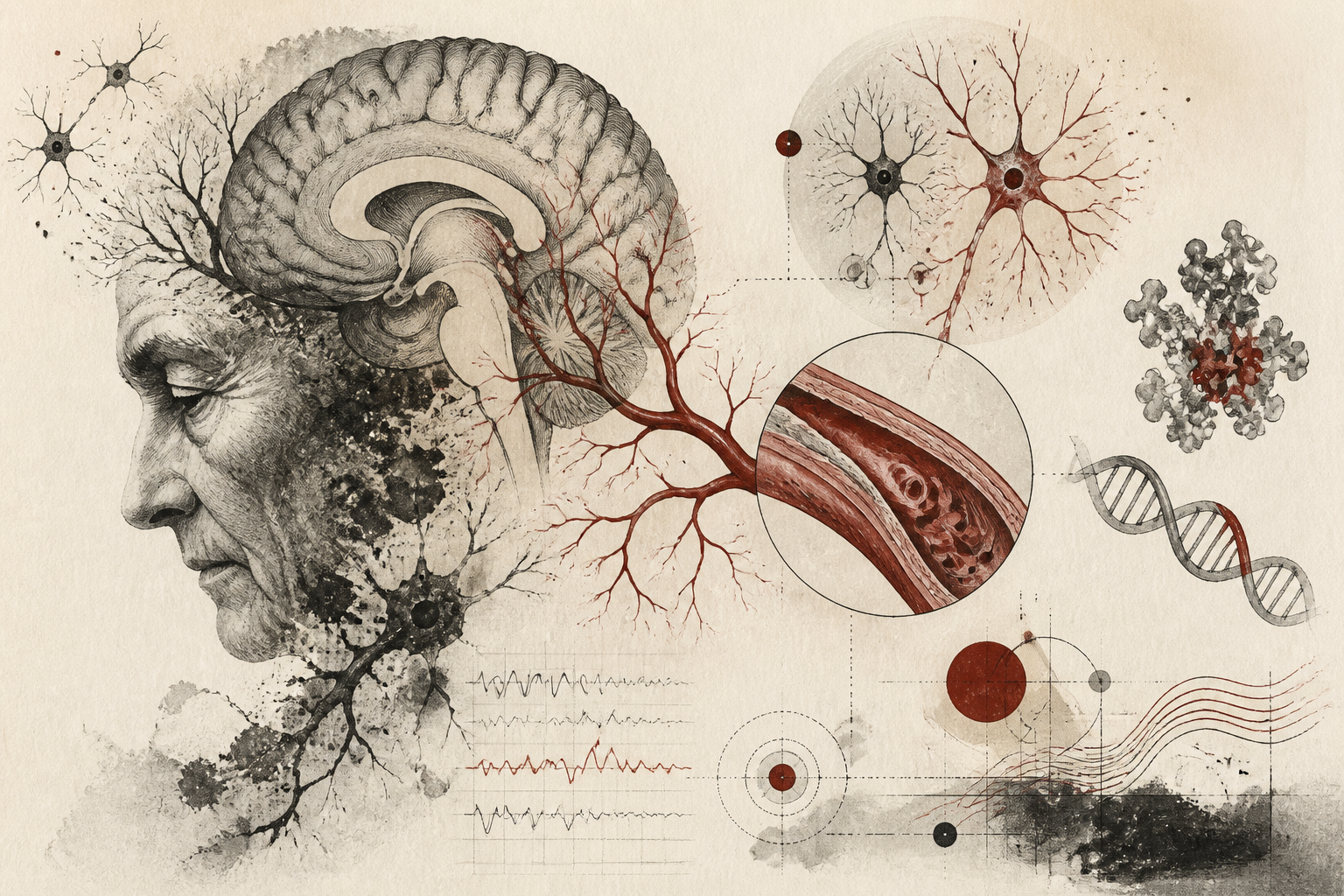
The genetic landscape of late-onset Alzheimer’s disease has long been dominated by the presence of the apolipoprotein E epsilon 4 (APOE4) allele. While the correlation between this genetic variant and cognitive decline is well-documented, the precise physiological mechanisms through which it exerts its deleterious effects have remained a subject of intense scientific inquiry. According to a report by ScienceDaily, recent experimental findings have illuminated a critical pathway involving the cerebrovascular system. The study suggests that APOE4 does not merely contribute to the accumulation of amyloid-beta plaques within the brain parenchyma; rather, it may actively destabilize the integrity of the brain’s blood vessels and interfere with the essential cellular systems responsible for clearing metabolic waste and toxic proteins. This discovery represents a significant shift in neurovascular research, as it highlights a potentially reversible weakness in what has historically been considered a deterministic genetic risk factor.
The Neurovascular Hypothesis and APOE4 Pathophysiology
For decades, the "amyloid cascade hypothesis" served as the primary framework for understanding Alzheimer’s disease, focusing on the buildup of protein aggregates. However, the emerging field of neurovascular biology suggests that the health of the brain’s microcirculation is equally vital for cognitive preservation. The APOE gene provides instructions for making a protein that helps carry cholesterol and other types of fats in the bloodstream. While the APOE3 variant is considered neutral and APOE2 may offer protective benefits, the APOE4 variant is associated with a significantly increased risk of developing neurodegenerative conditions. The latest research indicates that the damage caused by APOE4 begins at the blood-brain barrier, the highly selective semipermeable border that prevents solutes in the circulating blood from non-selectively crossing into the extracellular fluid of the central nervous system. When this barrier is compromised, inflammatory markers and toxins can enter the brain, while harmful metabolic byproducts fail to exit, creating a toxic environment for neurons.
Scientists observed that in the presence of the APOE4 allele, the pericytes—cells that wrap around the endothelial cells of capillaries—begin to malfunction. These cells are crucial for maintaining the structural integrity of the blood-brain barrier and regulating blood flow. The failure of these vascular components appears to precede the onset of memory loss and clinical dementia symptoms, suggesting that vascular dysfunction is an early, driving event in the disease process rather than a secondary consequence of neuronal death. By identifying the specific cellular systems that APOE4 sabotages, researchers have opened a new window into the early stages of neurodegeneration, shifting the focus toward the preservation of the brain's circulatory infrastructure.
Experimental Mechanisms and the Reversal of Cellular Damage
The methodology employed in this study involved sophisticated laboratory experiments designed to isolate the effects of the APOE4 protein on vascular cells. By utilizing advanced imaging and molecular biology techniques, the research team was able to track how the protein interacts with the basement membrane of the blood vessels. They discovered that APOE4 triggers a specific inflammatory pathway that leads to the degradation of the vascular wall. Crucially, the researchers did not stop at observation; they attempted to intervene in this pathway to determine if the damage was permanent. By applying targeted molecular inhibitors to neutralize the specific enzymes activated by APOE4, the team successfully reversed some of the vascular damage in experimental models. This reversal not only restored the integrity of the blood-brain barrier but also improved the efficiency of the cellular systems responsible for protein clearance.
This "clearance system," often referred to in the context of the glymphatic system, is the brain’s waste management network. Under normal conditions, this system flushes out amyloid-beta and tau proteins before they can form the plaques and tangles characteristic of Alzheimer's. The study demonstrated that APOE4 effectively "clogs" this system by damaging the very vessels that facilitate this transport. The ability to reverse these effects experimentally suggests that the genetic risk conferred by APOE4 is not an immutable sentence. Instead, it points toward a therapeutic window where pharmacological intervention could potentially bolster the brain's vascular defenses, even in individuals who are genetically predisposed to the disease.
Clinical Interpretations and Broader Implications
The implications of these findings extend beyond Alzheimer’s disease, potentially impacting the treatment of other neurodegenerative disorders such as Parkinson’s disease. While the primary focus of the study was the APOE4 gene, the underlying mechanism of vascular frailty and impaired protein clearance is a common thread across various forms of cognitive decline. If the vascular systems can be protected or repaired, the progression of these diseases might be significantly slowed. This research shifts the therapeutic focus from reactive treatments—which attempt to remove plaques after they have already formed—to proactive strategies that maintain the physiological health of the neurovascular unit. This transition is essential for developing interventions that can be administered during the long preclinical phase of the disease, years before cognitive impairment becomes apparent.
Furthermore, this study provides a biological explanation for why lifestyle factors that affect vascular health, such as exercise and diet, have such a profound impact on dementia risk. By maintaining cardiovascular health, individuals may be able to counteract some of the genetic vulnerabilities introduced by the APOE4 allele. The research underscores the necessity of a holistic approach to brain health, one that recognizes the brain as a highly vascularized organ that is dependent on a steady supply of nutrients and the efficient removal of waste. The identification of a "reversible weakness" in a major genetic risk factor provides a new sense of optimism for the development of targeted therapies that could mitigate the impact of APOE4 on the aging population.
Limitations and Future Directions in Genomic Research
Despite the promising nature of these results, several limitations must be considered. The research, as reported by ScienceDaily, was primarily conducted in controlled experimental environments, such as cell cultures and animal models. While these models are invaluable for understanding molecular pathways, they do not always perfectly replicate the complexity of the human brain over the course of several decades. The transition from laboratory success to clinical application in humans involves significant hurdles, including the development of drugs that can safely cross the blood-brain barrier and reach their intended cellular targets without causing systemic side effects. Additionally, the study focuses on a specific inflammatory pathway, but the pathology of Alzheimer’s is multifaceted, likely involving numerous overlapping genetic and environmental factors.
Open questions remain regarding the timing of intervention. If vascular damage begins in early adulthood for APOE4 carriers, when should preventative treatments begin? Moreover, researchers need to determine if reversing vascular damage is sufficient to stop the progression of the disease once neuronal death has already commenced. Future studies will need to explore the long-term effects of these interventions in diverse human populations to ensure that the findings are broadly applicable. Investigating how APOE4 interacts with other risk genes will also be critical for developing personalized medicine approaches for those at highest risk.
Conclusion: A New Frontier in Neuroprotection
In summary, the revelation that the APOE4 gene targets brain blood vessels provides a vital piece of the puzzle in the fight against neurodegeneration. By demonstrating that the cellular systems damaged by this gene can be repaired or protected through targeted intervention, researchers have identified a promising new avenue for therapeutic development. This shift toward a neurovascular perspective emphasizes the importance of maintaining the brain's circulatory integrity as a primary defense against cognitive decline. While the road to a widely available clinical treatment is long, this research offers a clear path forward, suggesting that even the most formidable genetic risks may have vulnerabilities that can be exploited to preserve human health and cognition. As reported by ScienceDaily, these findings represent a significant step toward transforming Alzheimer’s from an inevitable outcome for many into a manageable or even preventable condition through the targeted protection of the brain's essential vascular infrastructure.
Quick answers
- What is the role of the APOE4 gene in Alzheimer's disease?
- The APOE4 allele is a major genetic risk factor that is believed to damage the brain's blood vessels and impair the systems that clear toxic proteins like amyloid-beta.
- Can the damage caused by the APOE4 gene be reversed?
- Recent experimental studies have shown that by targeting specific inflammatory pathways, researchers can reverse some of the vascular damage and restore the brain's protein clearance mechanisms.
- How does APOE4 affect the blood-brain barrier?
- APOE4 causes malfunction in pericytes, which are cells essential for maintaining the integrity of the blood-brain barrier, leading to the entry of toxins and failure of waste removal.
Rewritten by Zeit editorial AI. Based on original reporting at ScienceDaily — Mind & Brain.