Midlife Activity and Metabolic Health Linked to Long-Term Cognitive Resilience
Recent longitudinal research indicates that moderate physical activity and blood sugar regulation in midlife provide significant neuroprotective benefits decades later.
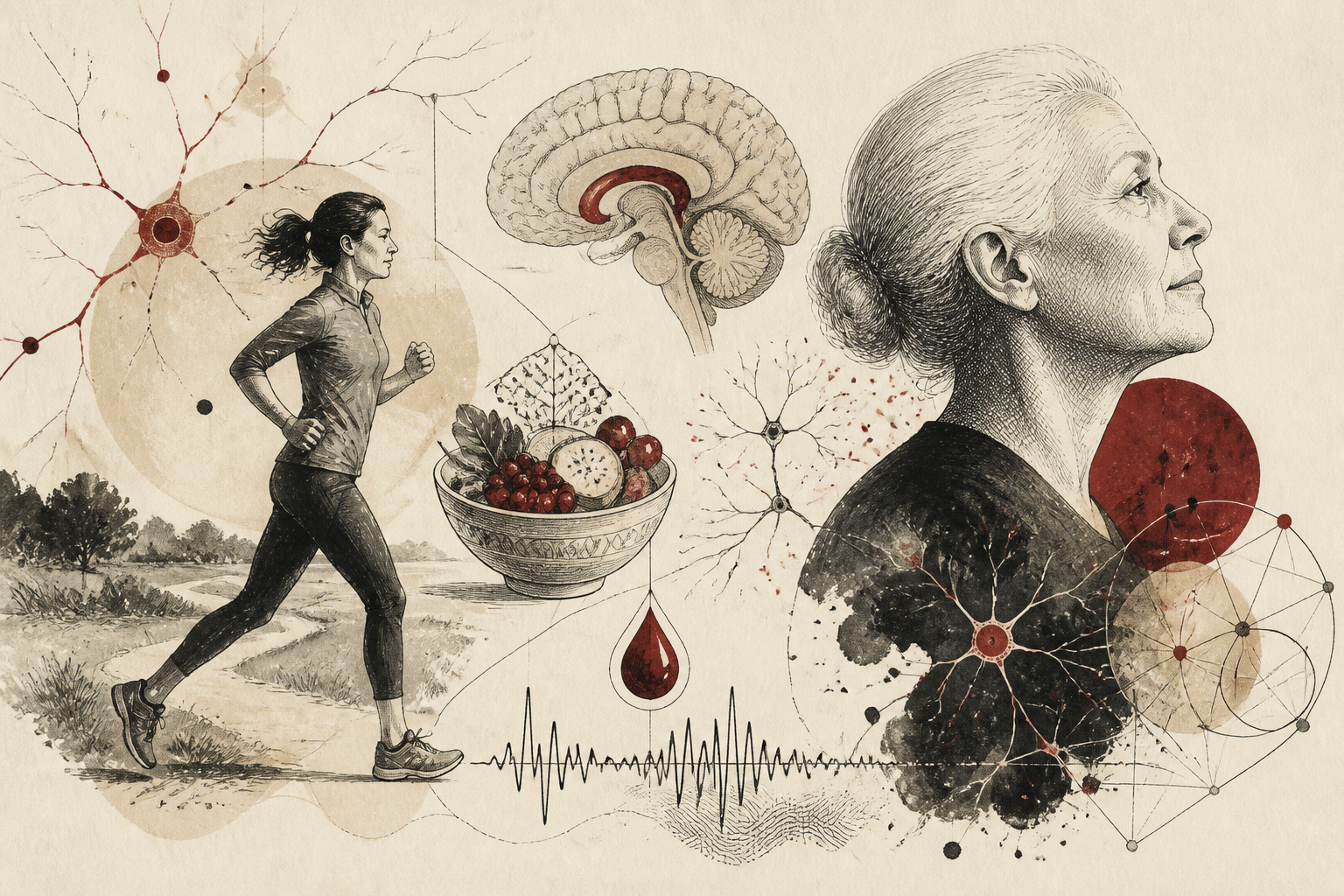
The trajectory of human cognitive aging is not a predetermined decline but rather a complex process influenced by decades of physiological and behavioral variables. Recent longitudinal evidence published in the field of neurobiology suggests that the foundations for cognitive health in later life are laid during the middle years, specifically through the maintenance of physical activity and the stabilization of metabolic markers. According to a report by ScienceDaily, researchers have identified a significant correlation between midlife exercise habits, blood sugar levels, and the rate of cognitive decline as individuals enter their senior years. This research underscores a critical window of intervention, suggesting that even modest behavioral adjustments during one’s 40s and 50s can yield substantial dividends for neurological integrity decades thereafter.
Historically, geriatric research has focused on interventions initiated after the onset of cognitive impairment or the diagnosis of dementia. However, this shift toward midlife preventative factors represents a burgeoning paradigm in preventative neurology. By tracking participants over several decades, scientists are beginning to understand how early cardiovascular health translates into the preservation of executive function and memory. The findings highlight that midlife is not merely a chronological midpoint but a physiological crossroads where the management of metabolic health becomes a primary determinant of long-term brain vitality. The study emphasizes that the brain’s ability to resist atrophy and functional decay is deeply intertwined with systemic health, particularly the body’s ability to process glucose and the frequency of physical exertion.
Metabolic Synergy and Neuroprotection
The relationship between blood sugar levels and brain health is a cornerstone of this recent investigation. Chronic hyperglycemia, or elevated blood sugar, has long been associated with microvascular damage, which can impair the blood-brain barrier and lead to silent neuroinflammation. The study highlights that individuals who maintained healthy blood sugar levels during midlife demonstrated a significantly slower rate of cognitive decline as they aged. This suggests that the brain is highly sensitive to the metabolic environment of the body. When glucose levels are regulated, the risk of developing neurodegenerative conditions or vascular-related cognitive impairment appears to diminish. This metabolic stability provides a protective buffer, allowing the brain to maintain its neural pathways even as biological aging progresses.
Furthermore, the research points to a synergistic effect between glucose regulation and physical activity. Exercise does not only serve as a means of caloric expenditure; it acts as a powerful modulator of insulin sensitivity. By improving how the body utilizes insulin, physical activity indirectly protects the brain from the toxic effects of excess glucose. The study suggests that even small amounts of movement—which the researchers categorize as "a little movement"—can trigger physiological cascades that benefit the brain. These include the release of brain-derived neurotrophic factor (BDNF) and the improvement of cerebral blood flow, both of which are essential for maintaining the health of neurons and the plasticity of their connections.
Population-Specific Findings and Mexican American Health
One of the most compelling aspects of this research is the observation that brain-protective factors may not manifest uniformly across all demographic groups. The study specifically noted that physical activity appeared to be exceptionally beneficial for Mexican American adults. This finding is significant because it suggests that genetic, environmental, or lifestyle factors inherent to different populations can influence how the brain responds to preventative measures. For Mexican American participants, the correlation between midlife movement and late-life cognitive resilience was particularly robust, suggesting that targeted public health interventions for this demographic could have an outsized impact on reducing the burden of cognitive disease.
This demographic nuance challenges the "one size fits all" approach to neurological health recommendations. The researchers posit that because certain populations may face higher baseline risks for metabolic disorders like Type 2 diabetes, the protective power of exercise and blood sugar management becomes even more critical. By identifying these population-specific benefits, the medical community can better tailor cognitive health strategies to those who stand to gain the most. The data implies that for some groups, physical activity is not just a general health recommendation but a primary defense mechanism against the disproportionate impact of cognitive decline.
Mechanisms of Long-Term Cognitive Retention
To understand why midlife movement pays off years later, one must examine the underlying biological mechanisms. The researchers utilized longitudinal data to track how physical activity impacts the brain's structural and functional markers over time. The mechanism appears to be twofold: the reduction of systemic inflammation and the enhancement of vascular health. Movement stimulates the cardiovascular system, ensuring that the brain receives a steady supply of oxygenated blood. Over decades, this consistent perfusion prevents the accumulation of small-scale white matter lesions that are often the precursors to cognitive dysfunction.
The methodological approach of the study involved long-term monitoring of participants, allowing for a clear distinction between short-term fluctuations in health and long-term trends. By measuring blood sugar at multiple intervals and correlating those measurements with cognitive testing in later life, the researchers could isolate midlife as the key period for intervention. This long-term perspective is crucial, as it filters out the "noise" of temporary lifestyle changes and focuses on the sustained physiological states that truly impact the brain’s architecture. The findings suggest that the brain possesses a form of "metabolic memory," where the health of the body in one's 40s sets the stage for the cognitive capabilities of one's 70s.
Limitations and Future Directions
While the study provides robust evidence for the benefits of midlife movement, there are inherent limitations to consider. Longitudinal studies, while valuable, are often observational, meaning they can establish correlations but cannot definitively prove causation. Factors such as diet, sleep quality, and socioeconomic status also play roles in both metabolic health and cognitive outcomes, and these variables can be difficult to fully isolate. Additionally, the definition of "a little movement" requires further refinement. Future research is needed to determine the exact threshold of physical activity required to trigger these neuroprotective benefits—whether it is a daily walk, vigorous exercise, or simply avoiding sedentary behavior.
Another open question remains regarding the timing of interventions. While midlife is highlighted as a critical period, it is not yet clear if starting these habits later in life can provide similar levels of protection, or if the window of opportunity begins to close as one reaches old age. Scientists are also interested in exploring the specific types of cognitive functions that are most protected. Does midlife exercise specifically preserve memory, or does it have a broader impact on executive function and processing speed? Continued research into the molecular pathways involved in the interaction between glucose and neural health will be essential for developing future pharmacological or behavioral therapies.
The Broader Implications for Public Health
The implications of this research for public health policy and individual lifestyle choices are profound. As the global population ages, the prevalence of cognitive decline and dementia is expected to rise, placing an immense burden on healthcare systems and families. The discovery that midlife metabolic health and physical activity are key drivers of late-life cognitive resilience offers a scalable and cost-effective strategy for aging populations. Rather than focusing solely on treating the symptoms of decline, public health initiatives can pivot toward encouraging midlife wellness as a form of neurological insurance.
In conclusion, the work reported by ScienceDaily serves as a call to action for individuals in their middle years. The evidence suggests that the choices made today—monitoring blood sugar, engaging in regular movement, and maintaining metabolic health—have a cumulative effect on the brain. For populations like Mexican Americans, the benefits are even more pronounced, highlighting the need for culturally relevant health advocacy. By viewing midlife as a critical phase for brain preservation, society can move toward a future where cognitive longevity is a standard outcome of a healthy life rather than a rare exception. The payoff for a little movement today is nothing less than the preservation of one's cognitive self in the years to come.
Quick answers
- How does midlife exercise affect brain health in later years?
- Exercise in midlife helps regulate blood sugar and improve vascular health, which slows cognitive decline by reducing neuroinflammation and protecting brain structure decades later.
- Why is blood sugar regulation important for preventing dementia?
- Healthy blood sugar levels prevent microvascular damage and insulin resistance, both of which are linked to increased risks of neurodegeneration and cognitive impairment.
- Does the benefit of exercise vary by ethnicity?
- Yes, research indicates that physical activity may be particularly effective for Mexican American adults, suggesting that demographic factors influence how lifestyle changes protect the brain.
Rewritten by Zeit editorial AI. Based on original reporting at ScienceDaily — Mind & Brain.