Microglia identified as key drivers of sleep disruption in Alzheimer’s models
Researchers discover that targeting brain immune cells, rather than amyloid plaques, can restore restorative sleep in Alzheimer’s models.
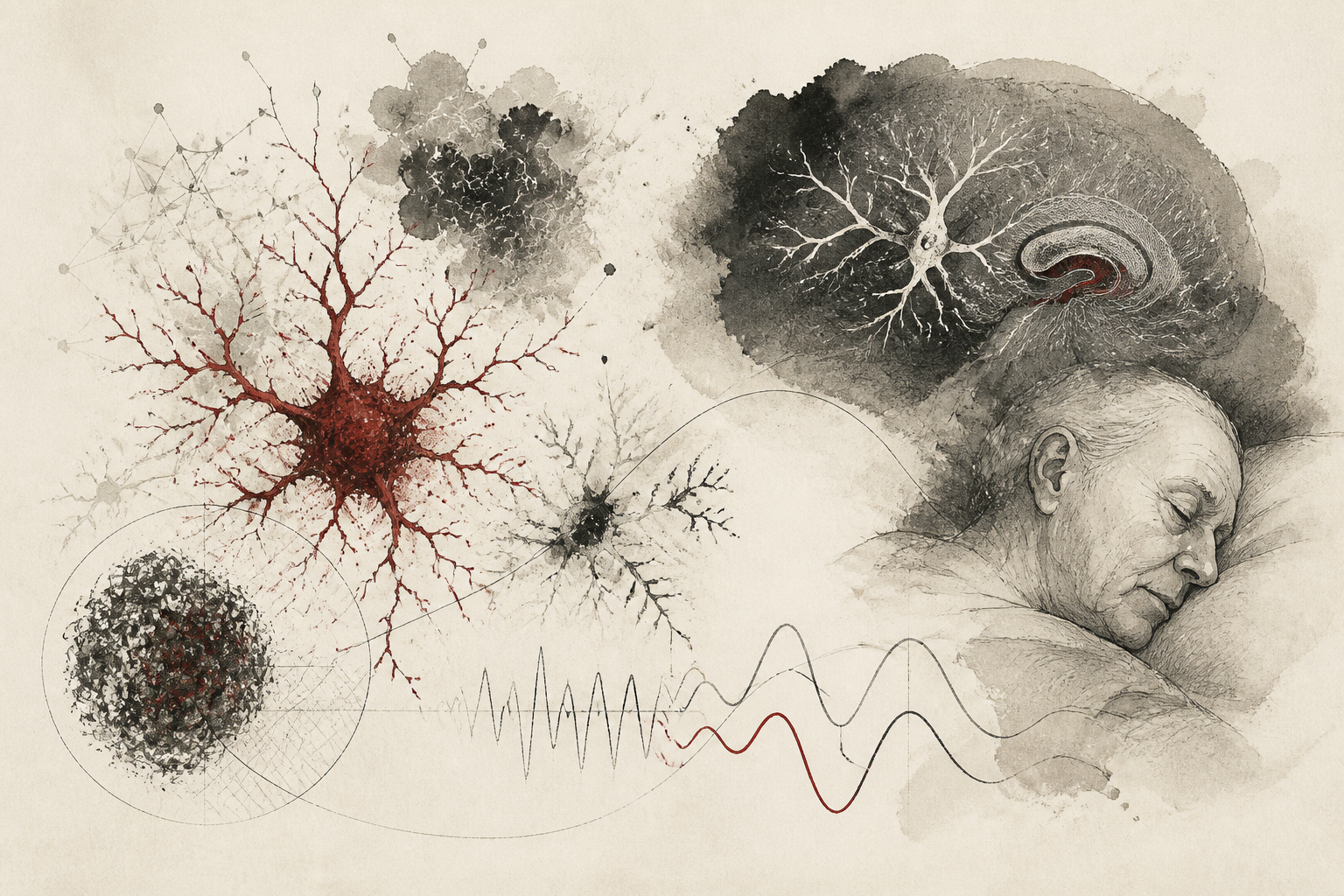
Significant progress has been made in understanding the mechanisms behind sleep deprivation in Alzheimer's disease. According to a recent study published via ScienceDaily, researchers have identified that the brain's innate immune cells, known as microglia, play a more direct role in sleep disruption than previously understood. Traditionally, the accumulation of amyloid-beta plaques was considered the primary cause of neurodegenerative symptoms; however, this new evidence suggests that the inflammatory response of microglia may be the actual culprit behind chronic insomnia and fragmented rest.
In laboratory experiments involving murine models with established amyloid plaques, scientists observed that microglia became chronically overactive. This state of hyper-inflammation appeared to interfere with the neurological transitions required for deep, restorative sleep. In a surprising turn, when researchers temporarily depleted the population of these immune cells, the subjects regained over two hours of sleep per day. Notably, this improvement occurred without any reduction in the density of the existing amyloid plaques, suggesting that sleep quality is governed by neuroinflammation rather than the physical presence of protein deposits.
This discovery marks a shift in potential therapeutic strategies for Alzheimer’s patients. While much of the current clinical focus remains on clearing plaques, these findings indicate that modulating the immune response could provide immediate symptomatic relief. Restoring sleep is critical not only for patient quality of life but also for cognitive maintenance, as deep sleep is essential for metabolic waste clearance in the brain.
Experts at ZU Psychology and Neuroscience emphasize that while these results from animal models are promising, further research is required to determine if pharmacological interventions targeting microglial activity can safely achieve similar results in humans. This research was originally reported by ScienceDaily and offers a new perspective on the complex interplay between immunology and sleep architecture.
Quick answers
- How did researchers restore sleep without removing brain plaques?
- By temporarily depleting overactive microglia, the brain's immune cells, researchers reduced inflammation and restored two hours of daily sleep.
- What role do microglia play in Alzheimer's sleep loss?
- Overactive microglia trigger neuroinflammation that prevents the brain from entering deep, restorative sleep cycles.
- Why is this study's finding significant for future treatments?
- It suggests that treating neuroinflammation may improve patient symptoms like sleep loss even if protein plaques remain in the brain.
Rewritten by Zeit editorial AI. Based on original reporting at ScienceDaily — Mind & Brain.