Microbial Markers: Study Links Gut Microbiome Composition to Accelerated Brain Aging
UCLA researchers identify specific gut bacteria and metabolites as potential biomarkers for premature neurological decline and cognitive impairment.
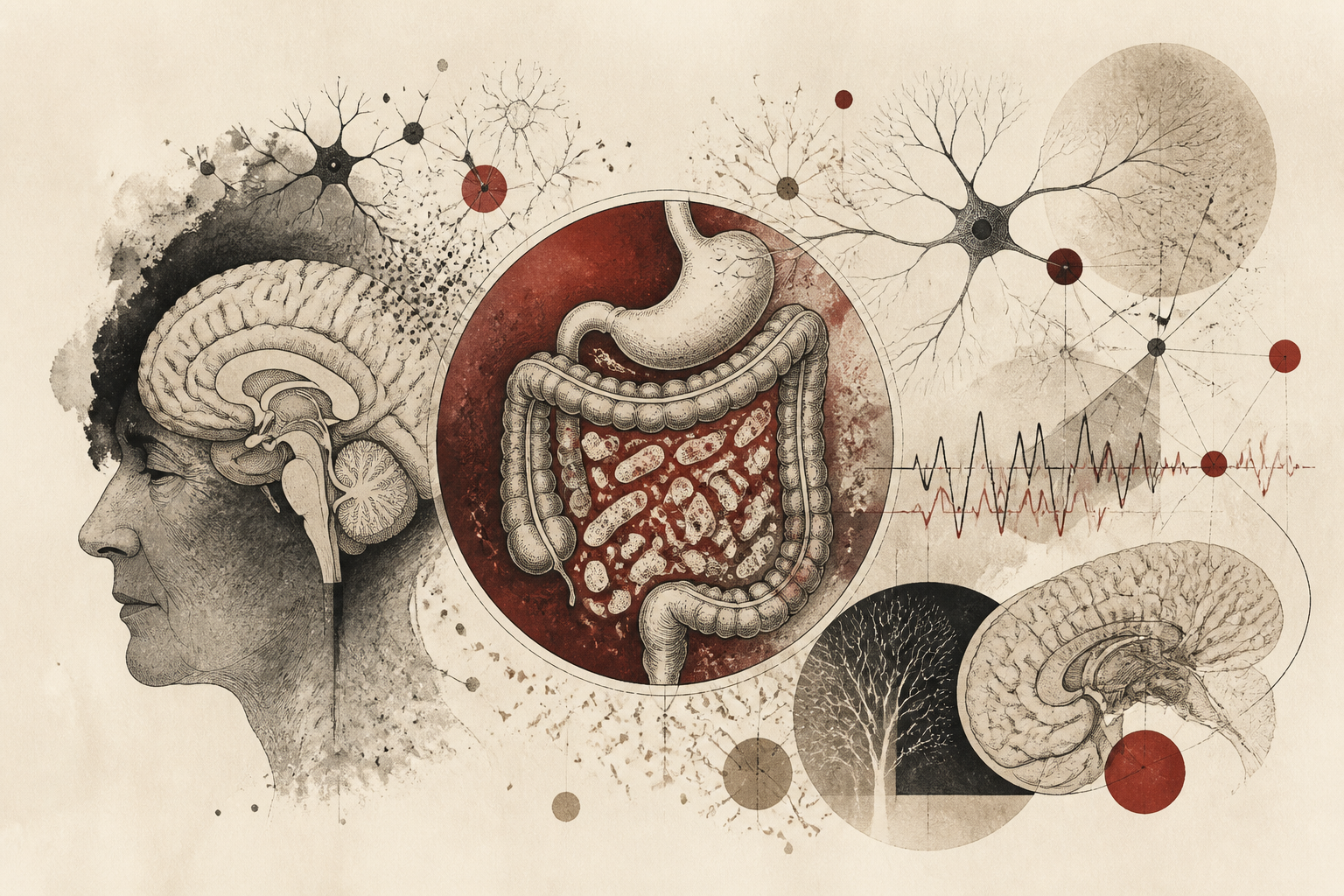
In the burgeoning field of the gut-brain axis, recent investigations have increasingly pointed toward the digestive system as a potential harbinger of neurological health. A significant study conducted by researchers at the University of California, Los Angeles (UCLA), has provided new evidence suggesting that the composition of an individual’s gut microbiota may serve as a reliable indicator of the rate at which their brain is aging. The research, which bridges the gap between gastroenterology and neurobiology, suggests that specific bacterial populations and their metabolic byproducts are intricately linked to structural changes in the brain that typically characterize advanced age. These findings imply that biological signatures of cognitive decline may be detectable in the gut decades before the onset of overt clinical symptoms, such as dementia or severe memory loss.
Establishing the Microbiome-Neurodegeneration Connection
The premise of the UCLA study centers on the concept of 'biological age' versus 'chronological age.' While chronological age is a simple measure of time, biological age reflects the actual physiological state of an organism’s tissues. In the context of the brain, some individuals exhibit neural structures that appear significantly older than their years would suggest—a phenomenon known as accelerated brain aging. This study sought to determine whether the trillions of microorganisms residing in the human digestive tract, collectively known as the microbiome, influence this acceleration. By analyzing stool samples and neuroimaging data, the research team identified distinct microbial patterns that distinguish individuals with 'older' brains from those whose brains align more closely with their chronological age. This connection underscores the complexity of the gut-brain axis, a bidirectional communication network that utilizes the vagus nerve, the immune system, and biochemical signaling to maintain systemic homeostasis.
Methodological Approaches to Brain Age Estimation
To reach these conclusions, the investigators utilized advanced neuroimaging techniques to assess the structural integrity of the brain. Through high-resolution magnetic resonance imaging (MRI), the team measured various parameters, including cortical thickness and white matter volume, which are known to decrease as the brain ages. These metrics were then processed through machine learning algorithms designed to estimate a 'brain age' for each participant. Simultaneously, the researchers conducted a comprehensive analysis of the participants' gut microbiomes using 16S rRNA sequencing and metabolomic profiling. This dual approach allowed the team to correlate the presence of specific bacterial taxa and chemical byproducts—metabolites—with the gap between a participant's chronological age and their estimated brain age. The integration of these disparate data sets required sophisticated statistical modeling to ensure that variables such as diet, medication, and lifestyle did not confound the primary findings regarding the microbial influence on neural health.
Chemical Byproducts and Neural Integrity
One of the most compelling aspects of the UCLA findings involves the role of bacterial metabolites. The study identified specific chemical compounds produced by gut bacteria that appear to circulate in the bloodstream and interact with the blood-brain barrier. In participants exhibiting signs of accelerated brain aging, the researchers observed a higher prevalence of certain inflammatory markers and a deficiency in short-chain fatty acids (SCFAs), which are typically associated with neuroprotective effects. These chemical signatures were not only linked to the physical structure of the brain but also to functional outcomes. Individuals with older-looking brains, as predicted by their gut profile, demonstrated poorer performance on standardized tests of memory, cognitive focus, and executive function. Furthermore, the data suggested a correlation between these microbial markers and mood regulation, indicating that the health of the microbiome may have far-reaching implications for both cognitive and psychological well-being throughout the lifespan.
Interpretations and Potential Mechanisms
The researchers propose several mechanisms through which gut bacteria might influence the rate of brain aging. One primary hypothesis involves systemic inflammation. When the gut microbiome is in a state of dysbiosis—an imbalance of beneficial and harmful bacteria—the intestinal barrier can become compromised, leading to the leakage of pro-inflammatory molecules into the circulation. This chronic, low-grade inflammation, often referred to as 'inflammaging,' is known to accelerate the degradation of neural tissues. Additionally, the study suggests that certain bacteria may interfere with the production of neurotransmitters or other essential metabolites that support synaptic plasticity. By identifying the specific microbial actors involved in these processes, the UCLA team has provided a roadmap for future investigations into how metabolic interventions might slow the progression of aging in the brain. The possibility that the gut serves as an early-warning system for neurological decline offers a shift in how clinicians might approach preventative geriatric care.
Limitations and Future Directions
Despite the promising nature of these results, the researchers at UCLA emphasize the need for caution in interpreting the causality of the relationship. As a cross-sectional study, these findings represent a snapshot in time, making it difficult to definitively prove whether a specific microbiome composition causes brain aging or if a declining brain influences the environment of the gut. Furthermore, while the study identified strong correlations, the diversity of human diets and environmental exposures means that a 'universal' microbiome profile for brain health remains elusive. Future research will need to employ longitudinal designs, tracking participants over several decades to observe how changes in the gut microbiome precede or follow changes in brain structure. There is also a significant need for clinical trials to determine if dietary interventions, probiotics, or fecal microbiota transplants can effectively modulate the brain's aging trajectory. These open questions highlight the nascent stage of microbiome-based neurotherapeutics.
The Gut as a Target for Preventative Intervention
The significance of this research lies in its potential for early detection and intervention. Traditionally, neurodegenerative diseases are diagnosed only after substantial and often irreversible damage has occurred. If the gut microbiome indeed reflects the early stages of brain aging, it could provide a non-invasive and highly accessible biomarker for identifying at-risk individuals decades before symptoms arise. This would open a window of opportunity for preventative strategies, ranging from targeted nutritional programs to the development of new pharmacological agents that mimic the effects of neuroprotective bacterial metabolites. As the scientific community continues to unravel the intricacies of the gut-brain axis, the possibility of maintaining cognitive health through the management of the internal microbial ecosystem becomes an increasingly tangible goal. Ultimately, the UCLA study reinforces the idea that the brain does not age in isolation, but is deeply connected to the broader physiological environment of the body, starting in the gut.
Quick answers
- How can gut bacteria indicate how fast the brain is aging?
- Specific bacteria produce metabolites and inflammatory markers that correlate with structural brain changes, such as reduced cortical thickness, which are markers of biological aging.
- Can brain aging be detected before symptoms appear?
- Yes, the study suggests that microbial signatures in the gut may reveal signs of accelerated brain aging decades before cognitive symptoms like memory loss become apparent.
- What were the cognitive effects associated with 'older' brains in the study?
- Participants with brains that appeared older than their chronological age typically showed poorer performance in memory, focus, and mood regulation.
Rewritten by Zeit editorial AI. Based on original reporting at ScienceDaily — Mind & Brain.