Mapping the Sleep-Disease Nexus: The Protean Role of REM and NREM Architecture
Extensive UK Biobank research reveals that Rapid Eye Movement and deep sleep stages provide differential protection against 83 distinct chronic and acute medical conditions.
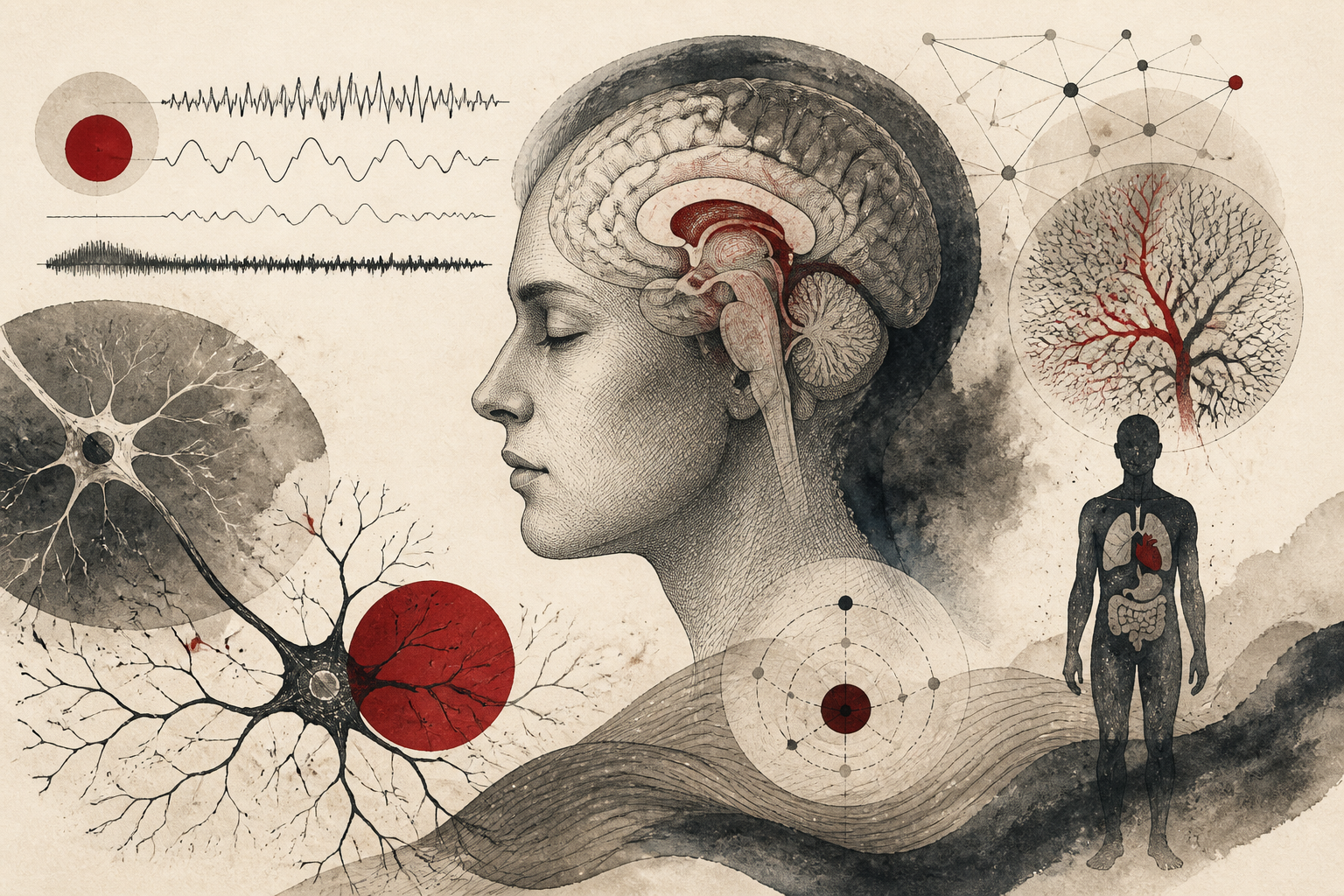
In the burgeoning field of sleep medicine, the correlation between nocturnal rest and systemic health has long been established, yet the granular specifics of how distinct sleep stages contribute to individual disease trajectories have remained elusive. A landmark investigation, recently detailed in ScienceDaily, has utilized one of the most comprehensive datasets available to delineate these connections. By tracking over 95,000 participants from the UK Biobank, researchers have identified a profound relationship between sleep architecture—specifically Rapid Eye Movement (REM) and non-REM deep sleep—and the long-term risk of developing 83 separate medical conditions. This study represents a significant leap forward in understanding the prophylactic power of specific neural states during the night, suggesting that sleep is not merely a period of inactivity but a highly specialized physiological intervention against chronic illness.
The Differential Impact of REM and Deep Sleep
The study’s findings emphasize a bifurcation in how different stages of sleep protect the human body. Rapid Eye Movement sleep, characterized by heightened brain activity and vivid dreaming, emerged as a particularly potent indicator of neurological and cardiovascular resilience. According to the research, individuals who consistently achieved higher percentages of REM sleep exhibited a significantly lower risk of developing a broad spectrum of 83 conditions. Most notably, this included a reduced incidence of neurodegenerative disorders such as Alzheimer’s-related dementia and Parkinson’s disease. The data also indicated that REM sleep duration is inversely correlated with the risk of heart failure, suggesting that the brain's activity during this stage plays a critical role in systemic autonomic regulation.
Conversely, the study identified unique protective benefits associated with non-REM deep sleep, often referred to as slow-wave sleep. While REM appeared more closely tied to neurological stability, deep sleep demonstrated a robust association with metabolic and psychological health. Participants with greater durations of deep sleep were found to have a lower risk of developing Type 2 diabetes and major depressive disorder. These findings align with existing metabolic theories suggesting that the hormonal regulation and glucose clearance occurring during deep sleep are vital for preventing endocrine dysfunction. The distinction between these two sleep states highlights that sleep quality is not a monolithic concept; rather, it is a complex tapestry of stages that each serve unique biological masters.
Mechanisms of Protection and Methodological Rigor
The strength of this study lies in its scale and the methodology employed by the researchers. By utilizing the UK Biobank’s vast repository of health data, the team was able to analyze the sleep patterns of over 95,000 individuals using objective measures rather than relying solely on self-reported diaries, which are often prone to recall bias. This objective tracking allowed for a precise calculation of the time spent in various sleep cycles, which was then cross-referenced against years of medical records and diagnostic codes. The sheer volume of the cohort allowed the researchers to control for a multitude of confounding variables, including age, socioeconomic status, and pre-existing health conditions, thereby isolating the impact of sleep architecture itself.
The biological mechanisms underlying these findings are theorized to involve the glymphatic system and the regulation of the hypothalamic-pituitary-adrenal (HPA) axis. During REM sleep, the brain is thought to engage in intensive emotional processing and the consolidation of neural pathways, which may explain its protective effect against cognitive decline and Parkinsonian symptoms. Meanwhile, the physical restoration that occurs during deep sleep involves the clearing of metabolic waste products from the brain and the stabilization of insulin sensitivity. When these cycles are truncated or disrupted, the body enters a state of chronic physiological stress, which acts as a catalyst for the 83 conditions identified in the study. The longitudinal nature of the data suggests that these sleep deficits precede the clinical onset of disease, positioning sleep architecture as a predictive biomarker.
Interpretations, Limitations, and Clinical Trajectories
While the study provides compelling evidence for the protective effects of sleep, the researchers urge a nuanced interpretation of the results. One of the primary limitations inherent in such large-scale observational data is the challenge of establishing definitive causality. While the correlation between sleep stages and disease risk is statistically significant, it remains to be determined whether poor sleep quality is a precursor to disease or an early symptomatic manifestation of an underlying pathology already in progress. For instance, the reduction in REM sleep observed in those who later developed dementia may be an early indicator of neuroanatomical changes rather than the sole cause of the condition.
Furthermore, the study’s reliance on the UK Biobank cohort, while expansive, may not fully represent global genetic and cultural diversity in sleep habits. Environmental factors such as urban noise, shift work, and regional dietary patterns were not the primary focus of this specific analysis, leaving open questions about how external stressors interact with internal sleep architecture. There is also the question of the 'ceiling effect'—whether there is a point of diminishing returns where excessive sleep no longer provides additional protection or perhaps even correlates with negative health outcomes. These nuances are essential for clinicians who must translate these findings into actionable advice for patients.
The Future of Preventative Sleep Medicine
The implications of this research for public health are transformative. By identifying sleep architecture as a major determinant in the risk profile of dozens of diseases, the study advocates for a paradigm shift in how we approach preventative medicine. If REM and deep sleep can be reliably linked to the prevention of heart failure and diabetes, then sleep hygiene must be elevated to the same level of clinical importance as nutrition and physical exercise. The research suggests that monitoring sleep stages through wearable technology or clinical polysomnography could become a standard component of routine health screenings, allowing for early interventions before chronic conditions manifest.
Moving forward, the scientific community must address the open questions regarding the optimization of sleep stages. Future research should focus on whether pharmacological or behavioral interventions designed to specifically increase REM or deep sleep can successfully reverse disease risk. As we continue to decode the relationship between the sleeping brain and the physical body, it becomes increasingly clear that the hours spent in slumber are the foundation upon which daily health is built. This study, sourced from ScienceDaily and based on the UK Biobank data, serves as a definitive roadmap for understanding how the architecture of our nights dictates the quality and longevity of our lives.
Quick answers
- How does REM sleep affect the risk of dementia and Parkinson's?
- Increased REM sleep is associated with a lower risk of neurodegenerative diseases like dementia and Parkinson's, likely due to its role in neural consolidation and waste clearance.
- What is the relationship between deep sleep and diabetes?
- Deep sleep, or slow-wave sleep, helps regulate glucose metabolism and insulin sensitivity; higher amounts of deep sleep are linked to a lower risk of developing Type 2 diabetes.
- How many diseases were linked to sleep quality in the UK Biobank study?
- The study identified that variations in sleep architecture, specifically REM sleep, were linked to the risk levels of 83 different medical conditions.
Rewritten by Zeit editorial AI. Based on original reporting at ScienceDaily — Mind & Brain.