Mapping Synaptic Atrophy: New Insights Into Schizophrenia’s Structural Progression
Researchers identify a systematic pattern of left-hemisphere synaptic loss in schizophrenia, offering a new roadmap for understanding how the disorder alters brain connectivity.
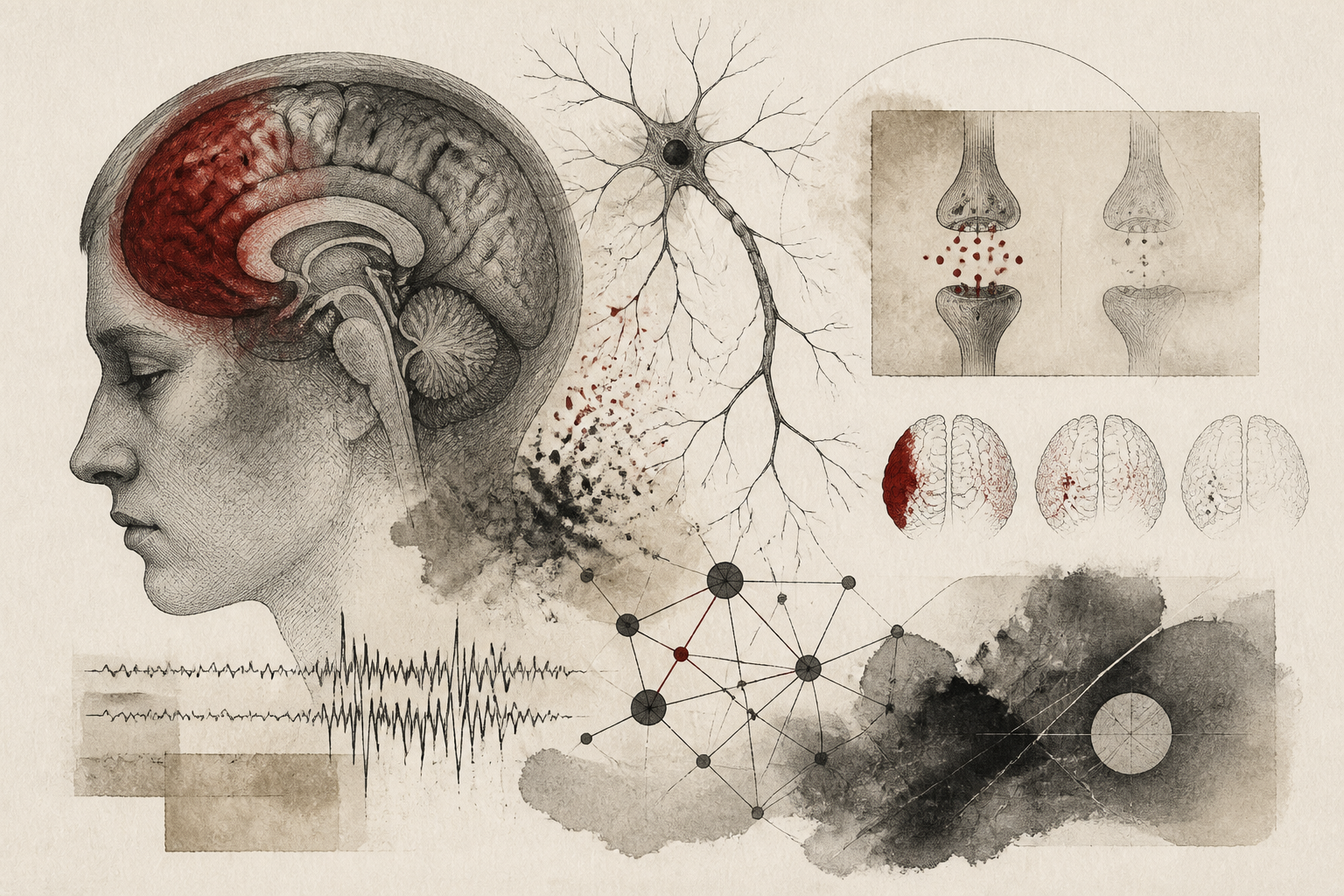
Recent advancements in neuroimaging have provided a more granular perspective on the structural deterioration associated with schizophrenia, revealing that the disorder does not cause random damage but rather follows a highly structured trajectory of synaptic loss. According to a study reported by ScienceDaily, specialized brain scans have uncovered that schizophrenia is fundamentally linked to a widespread reduction in synapses—the critical junctions that allow neurons to communicate. While the discovery of synaptic loss itself confirms long-standing hypotheses in neuropsychiatry, the spatial distribution of this loss was unexpected. The data suggests that the left hemisphere of the brain is disproportionately affected, exhibiting a more severe decline in connectivity compared to the right. This discovery challenges previous assumptions about the uniformity of the condition and suggests that the progression of schizophrenia is governed by specific biological principles rather than stochastic cellular decay.
The Neurochemical Blueprint of Synaptic Decay
The study’s findings emphasize that the observed damage follows a surprisingly organized pattern, one that aligns closely with the brain’s underlying neurochemistry and existing structural wiring. Traditionally, schizophrenia has been viewed through the lens of neurotransmitter imbalances, particularly involving dopamine and glutamate. However, this new research shifts the focus toward the physical infrastructure of the brain. By mapping the areas of highest synaptic density loss, researchers observed that the degradation adheres to specific functional networks. This suggests that the vulnerability of certain brain regions is not incidental but is perhaps dictated by the metabolic demands or the specific chemical environments of those areas. The correlation between the brain’s natural wiring and the pattern of loss indicates that the disease may spread or intensify along pre-existing neural pathways, utilizing the brain’s own architectural framework as a conduit for progression.
Identifying a Left Frontal Epicenter
One of the most significant aspects of the research is the identification of a potential point of origin for this synaptic erosion. The researchers highlighted a specific region within the left frontal cortex that appears to serve as a starting point for the subsequent widespread loss. In clinical neurology, the left frontal lobe is traditionally associated with complex functions including language production, executive function, and social cognition—areas that are frequently impaired in individuals living with schizophrenia. The concentration of initial damage in this hemisphere explains why linguistic disruptions and disorganized thinking are such hallmark symptoms of the disorder. By pinpointing this left frontal region as a primary site of vulnerability, the study provides a vital target for future longitudinal research. Understanding why this specific area is the first to succumb to synaptic loss could be the key to developing early intervention strategies that aim to preserve connectivity before it spreads across the broader cortical landscape.
Advanced Imaging and Methodological Rigor
The methodologies employed in this study represent a significant leap forward from traditional Magnetic Resonance Imaging (MRI) techniques, which typically measure larger-scale changes like gray matter volume or cortical thickness. By utilizing specialized scans capable of detecting synaptic density, the research team was able to visualize the microscopic environment of the living brain with unprecedented clarity. This approach allows scientists to observe the 'connectome' at a level of detail that was previously only possible through post-mortem tissue analysis. The use of these specialized scans ensures that the findings are reflective of the active disease state, providing a real-time snapshot of how the brain’s communication network is being dismantled. This technological precision was essential in revealing the asymmetrical nature of the damage, as the subtle differences between left and right hemisphere synaptic density might have been overlooked by less sensitive diagnostic tools.
Limitations and Theoretical Implications
Despite the breakthrough nature of these findings, the study acknowledges several limitations that warrant further investigation. While the pattern of synaptic loss is now clearer, the specific mechanism that triggers the initial decay in the left frontal region remains an open question. It is not yet determined whether the loss is driven by genetic predispositions, environmental stressors, or a combination of both interacting with the brain's developmental phases. Furthermore, while the study establishes a correlation between synaptic loss and the disorder, it does not fully elucidate the temporal progression—specifically, how rapidly this loss occurs after the first psychotic episode. There is also the question of whether this pattern is unique to schizophrenia or if it overlaps with other psychotic or neurodegenerative conditions. Addressing these gaps will require large-scale, longitudinal studies that track patients from the earliest stages of the prodromal phase through the chronic stages of the illness.
Future Directions in Psychiatric Treatment
Why does this research matter for the future of psychiatry? The identification of a systematic, predictable pattern of brain decay transforms our understanding of schizophrenia from a vague systemic disorder to a targeted neuroanatomical challenge. If the loss of connections follows a specific map, then therapeutic interventions can, in theory, be designed to protect those specific circuits. This research paves the way for a more personalized approach to neuropharmacology and brain stimulation therapies. Instead of broad-spectrum treatments, clinicians might one day target the left frontal regions to bolster synaptic resilience early in the diagnosis. By centering the conversation on the physical preservation of synapses, the psychiatric community can move closer to treatments that do not just manage symptoms, but actively slow or halt the structural progression of the disease. The revelation that the brain’s own wiring dictates the path of the illness is, paradoxically, a source of hope: it suggests that the disease is not an agent of chaos, but a process with a logic that can be decoded and, eventually, interrupted.
Quick answers
- How does schizophrenia affect brain connections according to the new study?
- Schizophrenia causes a widespread loss of synapses, the connections between brain cells. This loss is not random; it follows an organized pattern linked to the brain's chemistry and primarily impacts the left hemisphere.
- Which part of the brain is most affected by synaptic loss in schizophrenia?
- The left side of the brain is hit especially hard, with researchers identifying a specific region in the left frontal cortex that may serve as the starting point for this loss.
- What technology did researchers use to discover these brain patterns?
- Scientists used specialized brain scans capable of measuring synaptic density in living patients, allowing them to see changes that traditional imaging might miss.
Rewritten by Zeit editorial AI. Based on original reporting at ScienceDaily — Mind & Brain.