Lysosomal Failure in Microglia Identified as Key Driver of Chronic Demyelination
Researchers discover that the brain's immune cells lose the ability to clear myelin debris during chronic disease, potentially unlocking new therapeutic targets for progressive MS.
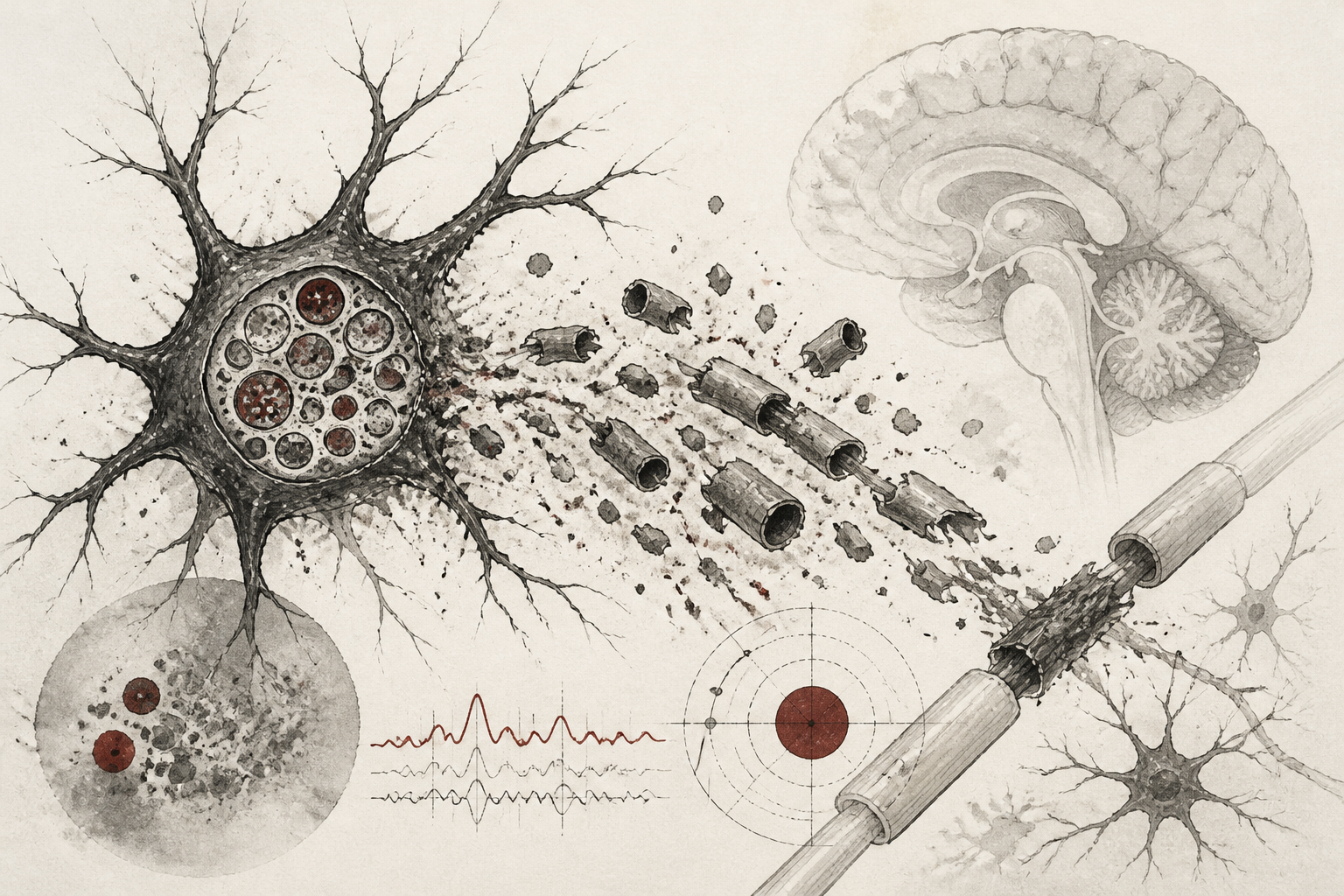
The delicate architecture of the central nervous system relies on the integrity of myelin, the insulating fatty layer that ensures efficient electrical signaling between neurons. When this insulation is damaged, as seen in neurodegenerative conditions like multiple sclerosis, the brain’s innate immune system, specifically the microglia, is tasked with the cleanup and repair of the debris. However, a new study published in Nature Neuroscience reveals that in cases of chronic, progressive demyelination, this repair mechanism does not merely slow down; it undergoes a fundamental metabolic collapse. By examining the transition from acute to chronic injury, researchers have identified a specific microglial state characterized by lysosomal dysfunction, where the cells become so overwhelmed by the persistent influx of myelin lipids that they effectively lose their ability to process waste, leading to a stalled state of tissue regeneration.
The Shift from Protection to Pathology
In the early stages of demyelination, microglia play a protective role. They are highly mobile and responsive, migrating to sites of injury to engulf myelin fragments through a process known as phagocytosis. Under normal circumstances, these fragments are broken down within lysosomes—the cell’s recycling centers—and the resulting lipids are either processed for reuse or safely expelled. This clearance is a prerequisite for remyelination, as the presence of old, damaged myelin acts as a potent inhibitor to the differentiation of oligodendrocyte precursor cells, which are responsible for generating new myelin. The research team focused on why this process, which is highly efficient in acute scenarios, fails so dramatically when the pathology becomes chronic.
Historically, the failure of remyelination in progressive neurodegenerative diseases was attributed to a general exhaustion of the cellular environment or the senescence of precursor cells. However, by utilizing advanced single-cell transcriptomics and longitudinal imaging, the authors of the current study demonstrated that the microglia themselves undergo a specific phenotypic shift. In the chronic phase, these cells transition into a state that is morphologically and transcriptomically distinct from their acute-phase counterparts. Instead of maintaining an anti-inflammatory and regenerative profile, they enter a stagnant, dysfunctional state that the researchers have linked to a breakdown in intracellular lipid trafficking.
Mechanisms of Lysosomal Overload
At the heart of this dysfunction is the lysosome. The study provides a detailed view of how the persistent accumulation of myelin-derived lipids—specifically cholesterol and various phospholipids—places an unsustainable burden on the microglial digestive system. In the acute phase of injury, microglia upregulate genes associated with lipid metabolism, such as those involved in cholesterol transport. This allows them to handle a sudden burst of debris. However, in the face of chronic, low-level, but relentless demyelination, the lysosomal membrane integrity begins to fail. The researchers observed that the lysosomes in these chronic-state microglia become enlarged and functionally impaired, leading to the accumulation of undigested material.
This lysosomal "clogging" has a ripple effect throughout the cell. When the lysosome fails, the cell can no longer effectively signal its metabolic needs, leading to a buildup of toxic lipid species that trigger inflammatory pathways. The study utilized a model of chronic progressive demyelination to show that this state is not just a passive byproduct of disease but an active driver of the inability to repair. By comparing the genetic signatures of these dysfunctional cells with those found in human multiple sclerosis lesions, the team confirmed that this lysosomal stress is a clinically relevant feature of the human disease landscape. The cells are essentially choked by the very material they are trying to clear, creating a feedback loop that prevents the return to homeostasis.
Reversing the Stagnant State
One of the most significant findings of the research involves the potential to pharmacologically intervene in this process. After identifying the lysosomal dysfunction as a primary bottleneck, the team investigated whether enhancing the cell's lipid-processing capacity could restore its regenerative function. They found that by targeting specific metabolic pathways—specifically those that promote the efflux of cholesterol from the cell—they could partially alleviate the lysosomal burden. In experimental models, this intervention allowed the microglia to exit their dysfunctional state and resume their role in facilitating myelin repair.
This suggests that the microglial state in chronic disease is not an irreversible "end-point" but rather a metabolic arrest that can be addressed. The researchers highlighted that the transition to this state is gradual, providing a window of opportunity for therapeutic stabilization. By focusing on the metabolic health of microglia, rather than simply suppressing their inflammatory activity, it may be possible to keep the brain's internal environment conducive to repair for much longer periods. This represents a paradigm shift in how we approach neuroinflammation, moving from broad-spectrum immune suppression toward targeted metabolic support of the brain's resident immune cells.
Limitations and Future Directions
While the study provides a robust framework for understanding microglial failure, it also opens several new questions. The researchers noted that while lipid overload is a primary driver, the specific triggers that tip a cell from a functional to a dysfunctional state remain partially obscured. It is unclear, for instance, why some microglia seem more resilient to lysosomal stress than others within the same environment. Furthermore, while the study used models that closely mimic aspects of human disease, the sheer complexity of the human central nervous system means that other factors—such as aging, genetic predisposition, and the presence of other co-morbidities—likely influence the speed and severity of this lysosomal collapse.
Another area for further investigation is the interaction between these dysfunctional microglia and other glial cells, such as astrocytes. The study focused heavily on the internal mechanics of the microglial cell, but in a living brain, these cells exist in a complex signaling network. How a "clogged" microglial cell communicates with its neighbors could have profound implications for the overall inflammatory tone of the brain. Future research will need to map these intercellular signals to determine if the lysosomal dysfunction in microglia acts as a signal for other cells to enter a similarly pathological state.
Implications for Progressive Neurology
The significance of this work for the field of psychology and neuroscience cannot be overstated. For decades, the primary challenge in treating progressive forms of multiple sclerosis and similar demyelinating conditions has been our inability to stop the slow, steady decline of neurological function once the acute inflammatory phase has passed. By identifying lysosomal dysfunction as a hallmark of chronic disease, this research provides a new set of biomarkers to monitor disease progression and a fresh target for drug development. It shifts the focus of clinical research toward the internal waste-management systems of the brain, suggesting that the key to longevity in neural health may lie in the humble lysosome. As we move toward more personalized medicine, understanding the metabolic state of a patient’s microglia could become a cornerstone of long-term neuroprotective strategies.
Quick answers
- What is the main cause of microglial failure in chronic demyelination?
- According to the study, the primary cause is lysosomal dysfunction caused by the excessive accumulation of myelin-derived lipids, which overwhelms the cell's recycling capacity.
- How does myelin debris prevent brain repair?
- Damaged myelin fragments act as a chemical inhibitor that prevents precursor cells from maturing into new myelin-producing cells; if microglia cannot clear this debris, repair stalls.
- Can the dysfunctional state of microglia be reversed?
- Yes, researchers found that enhancing lipid efflux and metabolic pathways in microglia can help clear lysosomal blockages and restore their ability to support tissue regeneration.
Rewritten by Zeit editorial AI. Based on original reporting at Nature Neuroscience.