Longitudinal Study Links Estrogen Therapy to Reduced Alzheimer’s Pathology and Risk
Recent research involving 21,000 participants indicates that late-life estrogen-only therapy correlates with significantly lower levels of dementia and Alzheimer’s-related brain changes.
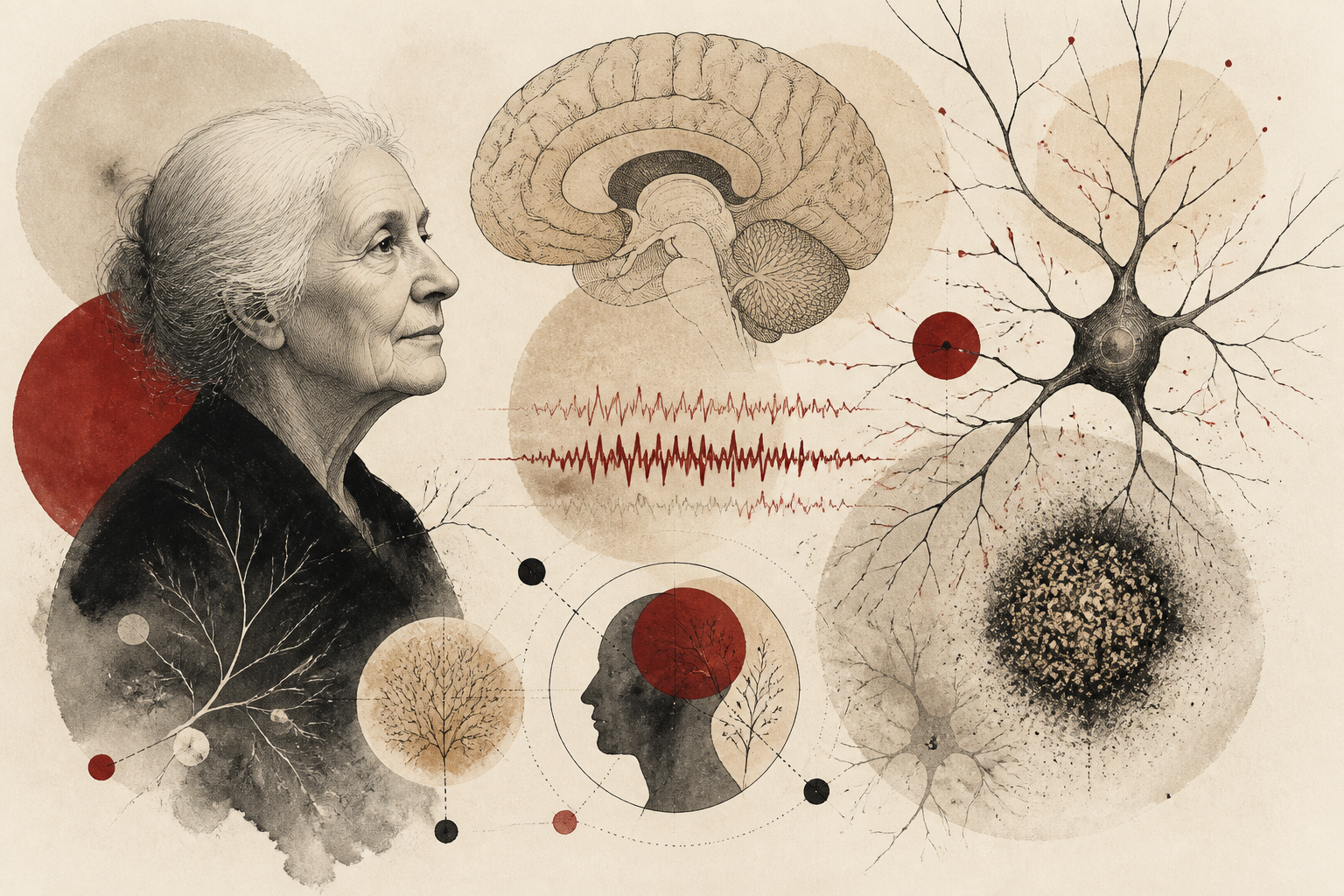
The trajectory of neurodegenerative research has long focused on the intersection of endocrine health and cognitive decline, particularly regarding the significant gender disparities observed in Alzheimer’s disease prevalence. A substantial new study, involving a cohort of over 21,000 participants, has provided compelling evidence that hormone replacement therapy—specifically estrogen-only regimens—may serve as a protective factor against the physiological hallmarks of dementia. The findings, originally reported by ScienceDaily, suggest that women utilizing these therapies later in life exhibit a markedly lower incidence of both clinical dementia diagnoses and the physical markers of Alzheimer’s disease within brain tissue. This investigation adds a significant layer to the ongoing discourse surrounding post-menopausal health management and long-term neurological outcomes.
The Neuro-Endocrine Interface and Cognitive Preservation
The biological basis for investigating estrogen in the context of brain health stems from the hormone's multi-faceted role in maintaining neuronal integrity. Estrogen is not merely a reproductive hormone; it acts as a potent neuroprotectant, influencing glucose metabolism in the brain, promoting synaptic plasticity, and potentially mitigating the inflammatory responses that lead to cellular death. As women transition through menopause and experience a sharp decline in endogenous estrogen levels, the brain may become more susceptible to the stressors that trigger neurodegeneration. This study sought to quantify the impact of exogenous estrogen supplementation on this vulnerability, tracking thousands of individuals over an extended period to observe how hormone use influenced their cognitive trajectories and brain morphology.
Data from the study indicates a profound correlation: women who engaged in estrogen-only hormone therapy demonstrated a 39% reduction in the odds of receiving a formal dementia diagnosis compared to their counterparts who did not use such therapies. This statistical significance suggests that the endocrine system's influence on the brain remains a critical area for therapeutic intervention. The research does not merely look at behavioral symptoms but digs deeper into the physiological reality of the aging brain, attempting to reconcile clinical observations with pathological evidence. By focusing on a large-scale population, the researchers were able to filter through the noise of individual lifestyle factors to identify a consistent trend linking estrogen to cognitive resilience.
Pathological Findings and Biomarker Indicators
Perhaps the most striking aspect of this research is the correlation between hormone therapy and the reduction of physical Alzheimer’s markers at the cellular level. When examining brain tissue through autopsy, researchers found that hormone therapy users were 35% less likely to exhibit the traditional signatures of Alzheimer’s disease, such as the accumulation of amyloid-beta plaques and the formation of neurofibrillary tau tangles. These two proteins are considered the primary culprits in the degradation of the brain’s communication networks. Amyloid plaques build up between neurons and disrupt cell-to-cell signaling, while tau tangles destroy the internal transport system of the neurons themselves. The fact that estrogen therapy is linked to a reduction in these specific markers suggests that the hormone may interfere with the very mechanisms of protein misfolding and aggregation.
Furthermore, the study utilized advanced biomarker tests to assess the living brain, finding that estrogen users consistently showed less amyloid buildup. This dual approach—combining clinical diagnosis rates, post-mortem tissue analysis, and in-vivo biomarker assessment—provides a robust framework for the study’s conclusions. It suggests that the protective effects of estrogen are not merely masking symptoms but are actively slowing the progression of the disease’s biological footprint. The presence of fewer plaques and tangles implies a higher level of structural integrity in the brain, which translates to a longer period of cognitive stability and a delayed onset of dementia symptoms.
Methodological Framework and Population Scope
The scale of this investigation—encompassing more than 21,000 participants—allows for a level of statistical power that smaller clinical trials often lack. By following such a vast cohort, the researchers could account for the variability inherent in human aging. The study focused specifically on estrogen-only therapy, which is a critical distinction in hormone research. Previous studies have sometimes conflated different types of hormone replacement, including combined estrogen-progestogen therapies, which can yield different cardiovascular and neurological results. By isolating estrogen-only users, the study provides a clearer picture of how this specific molecule interacts with the aging nervous system.
Methodologically, the integration of autopsy data is particularly noteworthy. While cognitive testing is a standard tool for diagnosing dementia, it can be influenced by education level, socioeconomic status, and compensatory cognitive strategies. Autopsy data, however, provides an objective measure of disease presence. By matching the clinical history of the participants with the physical state of their brains after death, the researchers established a direct link between the use of estrogen and the mitigation of Alzheimer’s-related damage. This high level of corroboration between different types of data strengthens the validity of the findings and provides a more comprehensive understanding of how hormones influence brain aging.
Limitations and Future Research Directions
Despite the encouraging results, the researchers emphasize that this is not a universal recommendation for hormone therapy, as the application of such treatments involves a complex risk-benefit analysis. One of the primary limitations of the study is the timing of the therapy. The participants in this cohort utilized estrogen later in life, and while the results were positive, there remains an ongoing debate in the medical community regarding the "critical window" for hormone intervention. Some theories suggest that starting therapy earlier, during the perimenopausal transition, might provide even greater benefits, while others caution that late-life initiation could carry different risks, particularly regarding cardiovascular health.
Additionally, the study's focus on estrogen-only therapy limits its generalizability to women who take combined hormones or to those who are not candidates for estrogen replacement due to other health factors, such as a history of certain cancers or blood clots. There is also the question of causality versus correlation. While the link is strong, researchers must continue to investigate the precise biochemical pathways through which estrogen prevents protein aggregation. Are the hormones directly inhibiting the production of amyloid, or are they enhancing the brain's ability to clear these proteins through the glymphatic system? Answering these questions will be essential for developing targeted pharmacological interventions that mimic the neuroprotective effects of estrogen without the systemic side effects of hormone therapy.
The Clinical and Societal Implications
The findings of this study have significant implications for how clinicians approach post-menopausal care and dementia prevention. As the global population ages, the burden of Alzheimer’s disease is expected to rise exponentially, placing a massive strain on healthcare systems and families. If hormone therapy can be validated as a safe and effective method for reducing the odds of Alzheimer’s by nearly 40%, it could become a cornerstone of preventative neurology. This shift would require a more personalized approach to medicine, where a woman's hormonal profile and genetic risk factors for dementia are considered in tandem when deciding on a course of treatment.
Ultimately, this research underscores the importance of longitudinal, large-scale studies in understanding the complexities of the human brain. By highlighting the link between estrogen and reduced Alzheimer’s pathology, the study provides a roadmap for future investigations into neuroprotection. It offers hope that through a deeper understanding of the body's internal chemistry, we may find new ways to preserve cognitive function and ensure a higher quality of life for the aging population. The findings serve as a call to action for the medical community to refine the use of hormone therapies and to continue exploring the delicate balance between endocrine health and neurological longevity.
Quick answers
- What were the main findings regarding estrogen and dementia risk?
- Women using estrogen-only therapy had 39% lower odds of a dementia diagnosis and 35% fewer Alzheimer’s-related brain changes, such as amyloid plaques.
- Did the study look at actual brain tissue or just symptoms?
- The study analyzed both clinical diagnoses and physical brain changes at autopsy, including amyloid plaques and tau tangles, across 21,000 participants.
- Is estrogen therapy recommended for all women to prevent Alzheimer's?
- While the results are positive, researchers note limitations regarding timing and individual health risks, requiring further study on the 'critical window' for treatment.
Rewritten by Zeit editorial AI. Based on original reporting at ScienceDaily — Mind & Brain.