Literary Mechanics: How Fictional Remorse Cultivates Real-World Forgiveness
Recent research reveals that engaging with a character's internal remorse in fiction significantly enhances a reader's capacity to forgive real-world interpersonal transgressions.
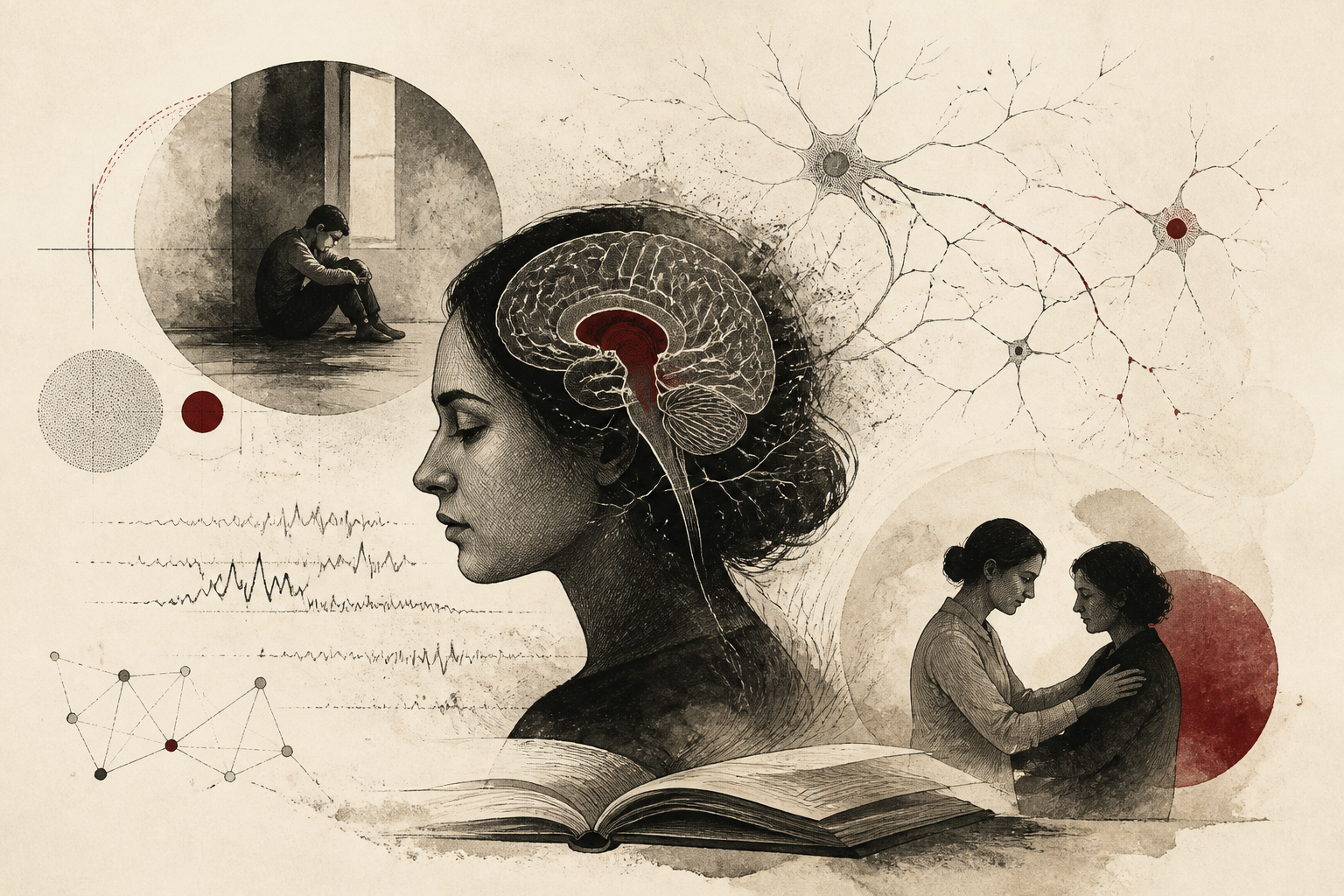
The intersection of literary engagement and social psychology has long been a subject of academic inquiry, yet the specific mechanisms by which narrative consumption translates into prosocial behavioral change remain a critical area of study. According to recent findings published by NeuroscienceNews.com, a substantial study involving 1,563 participants has provided empirical evidence for the transformative power of fiction. The research indicates that the act of reading a character's private remorse fosters a unique form of empathy that directly aids readers in navigating forgiveness within their own real-world relationships. This phenomenon suggests that the simulated social environments provided by novels serve as a cognitive training ground for complex emotional processing, allowing individuals to bridge the gap between abstract storytelling and concrete interpersonal reconciliation.
Traditionally, the benefit of reading has been categorized under cognitive development or linguistic acquisition. However, this large-scale investigation shifts the focus toward the affective and ethical dimensions of the reading experience. By examining how internal character states influence external social attitudes, the study highlights a profound psychological bridge. When readers are granted access to the interiority of a character who has committed a transgression and subsequently feels regret, they undergo a shift in perspective that persists long after the book is closed. This suggests that the literary medium is not merely a passive form of entertainment but a robust tool for socio-emotional recalibration, reinforcing the idea that narratives are essential for the maintenance of social cohesion and individual moral growth.
The Psychology of Narrative Empathy and Forgiveness
At the core of these findings is the concept of narrative empathy—the process by which a reader identifies with the emotional state of a fictional persona. The study identified that the specific catalyst for increased forgiveness was the exposure to a character’s private remorse. In real-world interactions, the internal state of a person who has caused harm is often opaque. We judge others based on their visible actions, which frequently lack the context of their internal guilt or regret. Fiction, however, offers a unique vantage point by revealing the 'hidden' emotions of the offender. When a reader witnesses the internal struggle and genuine remorse of a character who has erred, it lowers the cognitive and emotional barriers to forgiveness. This simulated experience appears to prime the brain to look for or assume similar internal states in real-world offenders, thereby facilitating a more empathetic and less punitive response to interpersonal conflicts.
The research suggests that this process is not merely about feeling sorry for a character but involves a sophisticated cognitive restructuring. By practicing empathy within the safe, low-stakes confines of a fictional world, readers develop the emotional muscles necessary for high-stakes real-world situations. The data indicates that the more deeply a reader engages with a character’s internal turmoil, the more likely they are to exhibit grace toward those who have wronged them in their daily lives. This link between literary consumption and real-world forgiveness underscores the utility of fiction as a pedagogical instrument for developing complex social skills that are often difficult to teach through direct instruction or didactic methods.
Methodological Foundations and Empirical Results
To arrive at these conclusions, the researchers utilized a robust sample size of over 1,500 individuals, ensuring that the findings were statistically significant and representative of a broad demographic. The methodology focused on how different narrative elements influenced the participants' willingness to forgive. The researchers controlled for various factors, including the baseline empathy levels of the participants and their prior reading habits. By isolating the variable of 'private remorse,' the study was able to demonstrate that it was not just the story itself, but the specific exposure to the offender’s internal guilt that drove the change in reader attitudes. This targeted approach provides a clearer understanding of which narrative structures are most effective at eliciting prosocial outcomes.
The findings revealed a consistent correlation: participants who read passages detailing a character’s inner regret reported a significantly higher inclination to forgive real-life transgressions compared to those who read narratives without such emotional depth. This effect was observed across various types of fictional scenarios, suggesting that the mechanism of remorse-driven empathy is a universal psychological response to storytelling. Furthermore, the study noted that the duration of this effect was not fleeting. The psychological priming provided by the narrative appeared to leave a lasting impression on the participants’ social outlook, indicating that regular engagement with literary fiction could contribute to long-term improvements in interpersonal dynamics and conflict resolution strategies.
Limitations, Nuance, and Open Inquiries
While the study provides compelling evidence for the prosocial benefits of fiction, several academic caveats must be considered. First, the reliance on self-reported measures of forgiveness can be subject to social desirability bias, where participants might report more forgiving attitudes than they would actually exhibit in a pressurized real-world situation. Additionally, the study primarily focused on short-term responses to specific narrative stimuli. It remains unclear how long these empathetic gains persist without continued reinforcement from literary engagement. The specific genres of fiction were also not exhaustive; it is possible that different literary styles or mediums, such as drama or poetry, might yield varying degrees of empathetic response or require different cognitive mechanisms to achieve similar results.
Future research is needed to explore the neurobiological underpinnings of this phenomenon. Does reading about remorse activate the same neural pathways as experiencing it firsthand or witnessing it in a loved one? Moreover, questions remain regarding the 'dark side' of narrative empathy. Can fiction be used to elicit empathy for characters who are fundamentally harmful, potentially leading to misplaced forgiveness or the normalization of toxic behaviors? The current study focuses on the positive aspects of this cognitive link, but a holistic understanding of narrative influence must also account for potential misapplications of empathy. Investigating these complexities will be essential for developing comprehensive theories on how media consumption shapes the collective moral landscape of contemporary society.
Theoretical Implications for Social Architecture
The implications of this research extend far beyond the realm of psychology and into the fields of education, restorative justice, and social policy. If fiction can indeed rewire our capacity for forgiveness, there is a strong argument for the integration of literature-based empathy training in diverse professional and educational settings. In the context of the justice system, narratives that highlight the internal growth and remorse of individuals could play a role in restorative practices, helping victims and offenders find a path toward reconciliation. In educational environments, a focus on literature that explores complex moral dilemmas and internal remorse could be a vital component of character education, preparing students to navigate the social complexities of adulthood with greater emotional intelligence.
Ultimately, the study sourced from NeuroscienceNews.com reaffirms the essential nature of the humanities in a technologically driven world. As society becomes increasingly digitized and interpersonal interactions are often mediated by screens, the nuanced, slow-burn empathy fostered by deep reading offers a necessary counterweight. By allowing us to inhabit the minds of others—even those who have failed us—fiction provides a bridge to a more compassionate reality. This research suggests that the stories we tell, and the internal lives we choose to explore through those stories, are not just distractions from life but are the very tools we use to build a more forgiving and empathetic world. The act of reading, therefore, is an act of social engagement that refines the very essence of our humanity.
Quick answers
- How does reading fiction influence real-world forgiveness?
- Reading fiction that depicts a character's internal remorse fosters empathy, which helps readers understand the hidden guilt of real-world offenders, making it easier to forgive them.
- What was the scale of the study on fiction and empathy?
- The study involved 1,563 participants, providing a robust dataset to support the link between reading about character remorse and increased social forgiveness.
- Why is 'private remorse' in stories important for empathy?
- In real life, we rarely see an offender's internal guilt. Fiction allows us to witness this state directly, which trains the mind to consider the internal regret of others in actual conflicts.
Rewritten by Zeit editorial AI. Based on original reporting at NeuroscienceNews.com.