Investigating the Link Between Poly-Metabolic Ovarian Syndrome and Alzheimer’s Disease
Recent research highlights how insulin resistance and obesity in PMOS patients significantly elevate long-term risks for cognitive decline and Alzheimer’s disease.
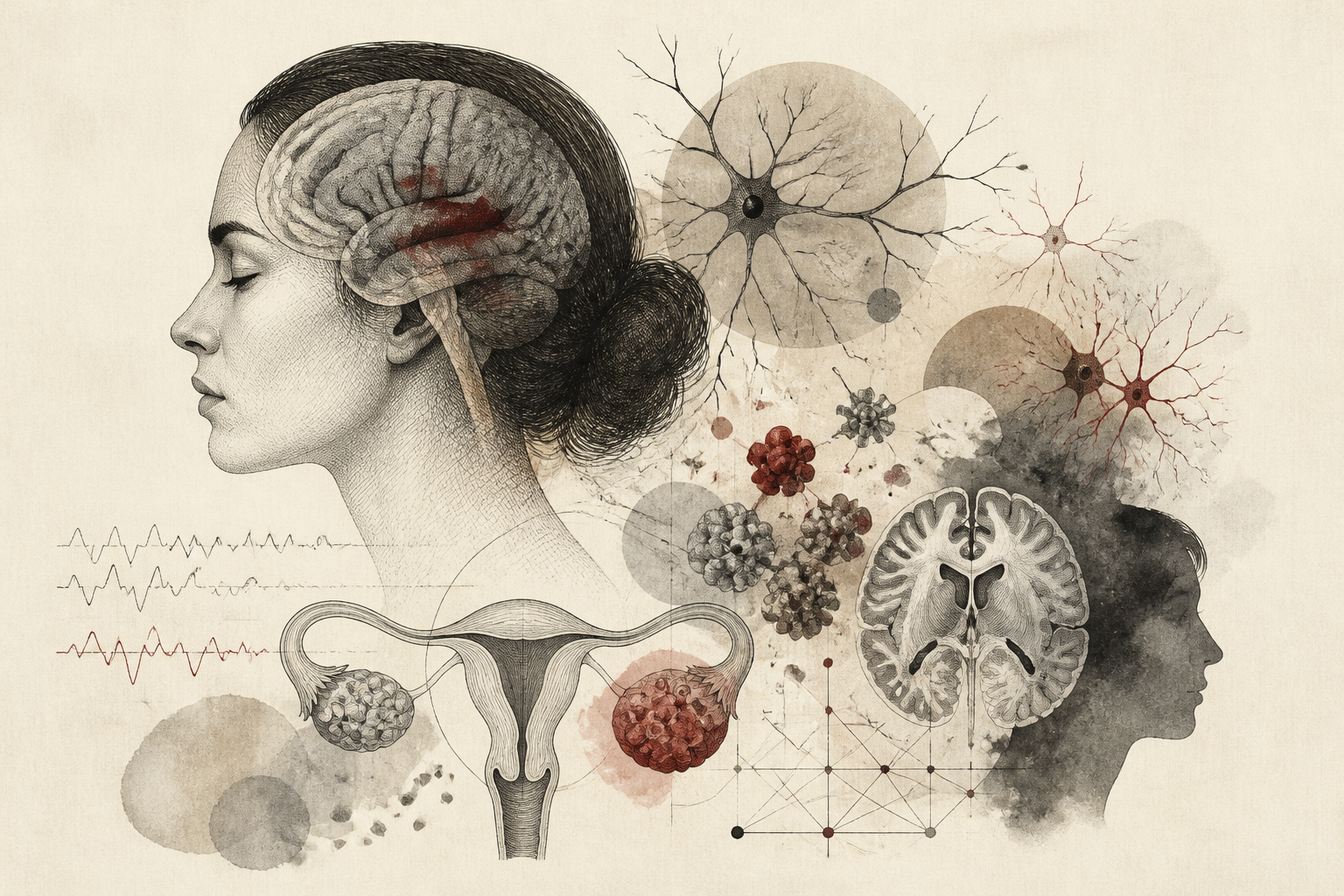
Current clinical understanding of reproductive health is undergoing a significant shift as researchers identify complex intersections between endocrine disorders and long-term neurological health. A growing body of evidence, recently synthesized and reported by Neuroscience News, suggests that individuals diagnosed with Poly-Metabolic Ovarian Syndrome (PMOS)—a condition historically identified as Polycystic Ovary Syndrome (PCOS)—face a markedly higher risk of developing Alzheimer’s disease and related dementias later in life. This correlation does not appear to be a mere coincidence of co-occurring symptoms but rather a systemic manifestation of metabolic dysfunction that transcends reproductive biology to affect the central nervous system. As the medical community reevaluates the nomenclature of this condition to better reflect its metabolic roots, the focus has increasingly turned toward how the early-life physiological environment of PMOS patients creates a vulnerability to neurodegeneration. Understanding this link is essential for developing preventative strategies that address cognitive health decades before the typical onset of dementia symptoms.
The Metabolic Framework of PMOS and Cognitive Decline
To understand the heightened risk of Alzheimer’s in this population, one must first examine the systemic nature of PMOS. While the condition was traditionally viewed through the lens of gynecological health—specifically characterized by irregular cycles and androgen excess—modern research emphasizes its role as a profound metabolic disturbance. The transition from the term PCOS to PMOS reflects a scientific consensus that the syndrome’s primary drivers are often rooted in how the body processes energy and regulates insulin. According to the findings highlighted by Neuroscience News, the elevated risk for Alzheimer’s is not necessarily inherent to the presence of ovarian cysts themselves, but is instead driven by the presence of chronic insulin resistance and obesity, which are hallmark features of the syndrome. These metabolic stressors are known to have a deleterious effect on the blood-brain barrier and the health of neurons over time. By reclassifying the condition as a poly-metabolic disorder, researchers are better able to map how these early-year metabolic profiles contribute to the eventual accumulation of beta-amyloid plaques and tau tangles, the pathological hallmarks of Alzheimer’s disease.
Mechanisms of Insulin Resistance in the Brain
The physiological mechanism linking PMOS to neurodegeneration centers largely on the role of insulin signaling within the brain. In a healthy state, insulin is a neuroprotective hormone that facilitates glucose uptake in neurons and supports synaptic plasticity, which is vital for memory and learning. In individuals with PMOS, systemic insulin resistance means that the body’s cells, including those in the brain, become less responsive to insulin signals. This leads to a state of chronic hyperglycemia and localized neuro-inflammation. The research indicates that when the brain’s insulin receptors fail to function correctly, the clearing of metabolic waste products is hindered. Furthermore, insulin resistance is frequently accompanied by increased systemic inflammation and oxidative stress. These factors collectively accelerate the aging of brain tissue. Obesity, which affects a high percentage of individuals with PMOS, compounds these risks by producing adipokines—pro-inflammatory signaling molecules—that can penetrate the central nervous system and exacerbate the degradation of cognitive function. Thus, the metabolic environment of PMOS acts as a catalyst, potentially triggering the biological pathways associated with dementia at a much younger biological age than the general population.
Methodological Approaches and Population Findings
The data supporting this link are derived from longitudinal studies that track the health outcomes of women diagnosed with the syndrome across several decades. Researchers utilized large-scale health databases to compare the incidence rates of cognitive impairment between those with a PMOS diagnosis and those without. The findings suggest that the risk increase is substantial, prompting a call for earlier screening and intervention. Unlike traditional Alzheimer’s research, which often focuses on elderly cohorts, these studies look backward to mid-life and early adulthood to identify when the trajectory toward cognitive decline begins. By correlating medical records of insulin levels, Body Mass Index (BMI), and reproductive history with later-life neurological assessments, scientists have been able to isolate metabolic dysfunction as the primary mediator of the risk. The methodological strength of these findings lies in the consistency across different populations, suggesting that the metabolic-neurological axis is a universal concern for those with the syndrome, regardless of the specific symptomatic presentation of their reproductive symptoms.
Interpretations and Clinical Implications
The interpretation of these findings suggests a paradigm shift in how we approach the treatment of PMOS. If the syndrome is viewed not just as a barrier to fertility but as a significant risk factor for Alzheimer’s, the clinical goals must expand beyond hormonal regulation. The research implies that aggressive management of insulin sensitivity and weight through both pharmacological and lifestyle interventions could serve as a primary prevention strategy for dementia. For example, the use of insulin-sensitizing medications, which are already common in PMOS treatment, may have untapped benefits for long-term brain health. Furthermore, this research underscores the importance of a multidisciplinary approach to care, where endocrinologists and neurologists collaborate to monitor the cognitive health of patients starting in their thirties and forties. By framing PMOS as a lifespan-wide metabolic challenge, healthcare providers can offer more comprehensive counseling regarding the importance of cardiovascular health and glucose management as a means of preserving cognitive integrity into old age.
Limitations and Future Directions
Despite the compelling nature of these findings, several limitations and open questions remain. Much of the current data is observational, meaning that while a strong correlation exists between PMOS and Alzheimer’s, establishing a direct, singular cause-and-effect relationship is complex. There are potential confounding variables, such as genetic predispositions that might influence both metabolic health and neurological resilience. Additionally, because the term PMOS is relatively new, historical data often rely on varying diagnostic criteria for PCOS, which may lead to inconsistencies in patient cohorts. Future research must focus on whether early intervention—specifically reversing insulin resistance in one's twenties or thirties—actually reduces the incidence of Alzheimer’s decades later. There is also a need for more diverse studies to determine if ethnic or socioeconomic factors influence how PMOS manifests metabolically and how those variations impact brain health. The precise molecular pathways through which androgen excess might interact with metabolic factors to influence the brain also require further investigation.
Conclusion: Why the PMOS-Alzheimer's Link Matters
The revelation that PMOS increases the risk of Alzheimer’s disease is a critical development in the field of public health. It highlights a specific, identifiable group that can benefit from targeted neuroprotective strategies long before cognitive symptoms appear. For the millions of individuals globally living with PMOS, this research provides a powerful incentive to prioritize metabolic health as a cornerstone of long-term wellness. From a policy perspective, it necessitates greater funding for women’s health research that looks beyond reproduction to systemic aging. Ultimately, the transition from PCOS to PMOS is more than a change in terminology; it is a recognition of the intricate connections between our endocrine, metabolic, and neurological systems. By addressing the metabolic roots of this syndrome today, the medical community may be able to significantly reduce the burden of Alzheimer’s disease in the future, providing a clearer path toward healthy aging for a vulnerable population.
Quick answers
- What is the relationship between PMOS and Alzheimer’s disease?
- Research indicates that PMOS (formerly PCOS) significantly increases the risk of Alzheimer's and dementia, primarily driven by insulin resistance and obesity.
- Why was PCOS renamed to PMOS in recent research contexts?
- The name change to Poly-Metabolic Ovarian Syndrome (PMOS) reflects the scientific understanding that the condition is a systemic metabolic disorder rather than just a reproductive one.
- Can treating insulin resistance help prevent dementia in PMOS patients?
- While more research is needed, current findings suggest that managing metabolic factors like insulin sensitivity and weight early in life may reduce long-term neurodegenerative risks.
Rewritten by Zeit editorial AI. Based on original reporting at NeuroscienceNews.com.