Glucosamine Linked to Accelerated Cognitive Decline in Alzheimer's Cases
New longitudinal analysis and laboratory studies suggest the common joint supplement glucosamine may increase the risk of dementia progression via abnormal protein modification.
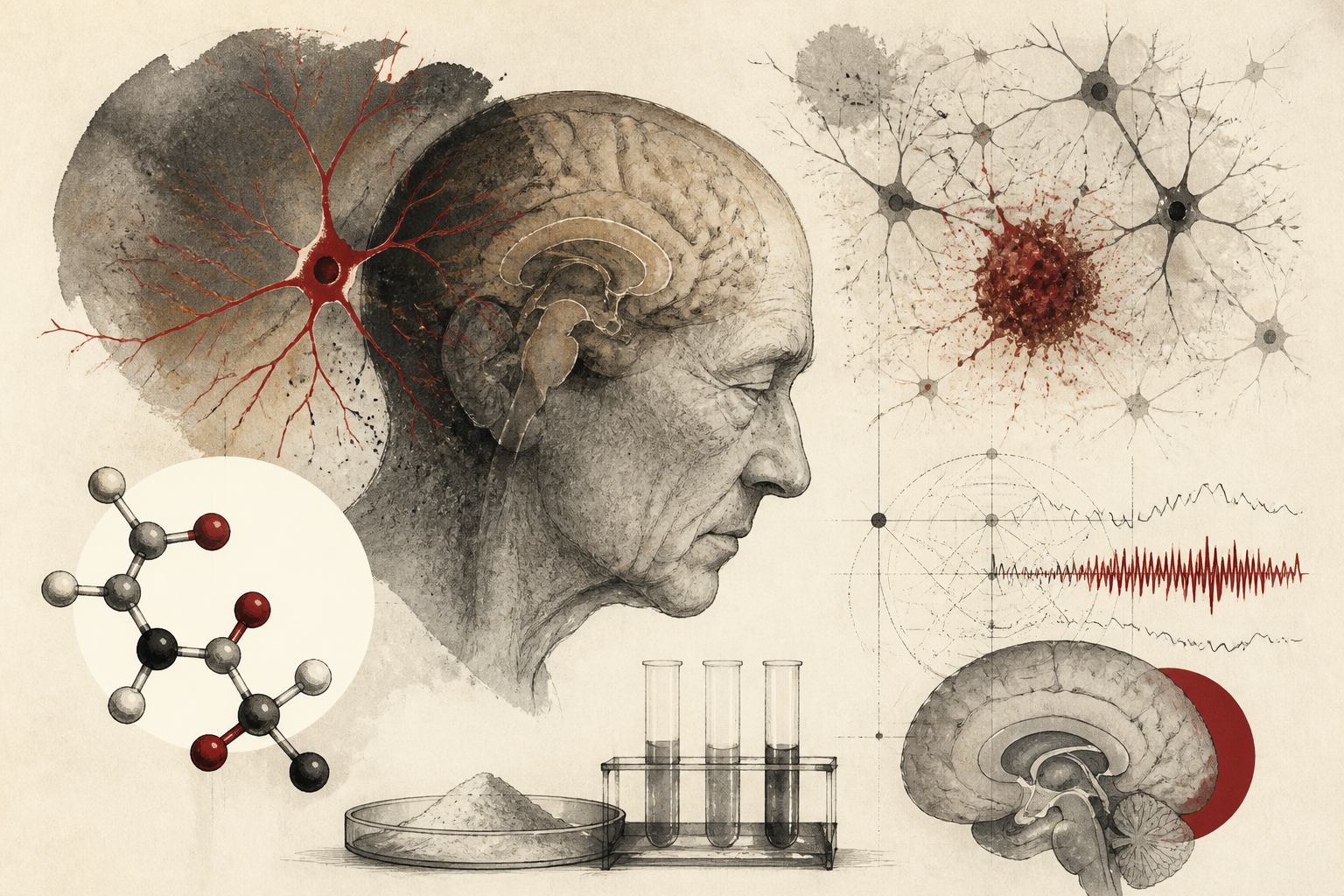
A widely utilized dietary supplement intended for joint health may have unintended consequences for neurological preservation in aging populations. According to a comprehensive health-record analysis recently reported by ScienceDaily, the use of glucosamine is associated with a 25 percent increase in the likelihood that individuals with mild cognitive impairment will progress to a formal diagnosis of dementia. This finding, derived from a large-scale data review, has prompted researchers to investigate the underlying biochemical mechanisms that might explain how a compound typically used to support cartilage could potentially accelerate the pathology of Alzheimer’s disease. While the correlation does not yet prove causation, the strength of the association has necessitated a closer look at the metabolic pathways shared between joint maintenance and brain health.
For decades, glucosamine has been a staple in the regimens of older adults seeking relief from osteoarthritis and general joint stiffness. It is frequently marketed as a safe, over-the-counter option for long-term use. However, the intersection of metabolic health and neurodegeneration is a growing field of study, and these recent findings suggest that the metabolic processing of glucosamine might interfere with sensitive neural pathways. The study’s dual approach—combining epidemiological data with laboratory experimentation—aims to bridge the gap between observed patient outcomes and the microscopic shifts in brain chemistry that characterize Alzheimer’s progression.
The Epidemiological Correlation and Data Foundations
The foundation of this research rests on a large-scale analysis of health records, which tracked the cognitive trajectories of thousands of individuals over an extended period. Researchers focused specifically on patients who had already been diagnosed with mild cognitive impairment, a transitional stage between the expected cognitive decline of normal aging and the more serious decline of dementia. By comparing those who regularly consumed glucosamine supplements with those who did not, the study identified a statistically significant trend: glucosamine users reached the threshold for a dementia diagnosis at a rate 25 percent higher than their non-using counterparts. This longitudinal evidence provides a crucial warning sign that the supplement may not be as inert as previously assumed in the context of brain health.
This statistical divergence remained notable even when researchers adjusted for various confounding factors such as age, baseline health status, and other medication use. The consistency of the 25 percent increased risk across the cohort suggests that the relationship is not merely a byproduct of general aging or the presence of other comorbidities. Instead, it points toward a specific interaction between the supplement and the mechanisms of neurodegeneration. By utilizing a vast repository of health records, the study offers a high level of statistical power, though the researchers caution that observational data cannot definitively establish a direct causal link without further prospective clinical intervention.
Biochemical Mechanisms: The O-GlcNAcylation Pathway
To move beyond simple correlation, the researchers conducted laboratory experiments to identify how glucosamine might physically impact the Alzheimer’s brain. The study points to a process known as O-GlcNAcylation, a form of sugar-tagging where sugar molecules are attached to proteins to regulate their function. In a healthy brain, this process is essential for normal cellular operation; however, in the Alzheimer’s brain, this tagging process often becomes dysregulated. The laboratory findings suggest that the introduction of exogenous glucosamine may intensify this abnormal sugar-tagging, specifically affecting proteins that are already implicated in the development of Alzheimer’s pathology.
Specifically, the researchers observed that excess glucosamine leads to an over-saturation of these sugar tags on critical neural proteins. When these proteins are improperly tagged, they are more likely to malfunction or aggregate into the plaques and tangles that define the disease. This laboratory evidence provides a plausible biological explanation for why a supplement designed to support connective tissue might have a detrimental effect on neurons. The sugar-tagging mechanism serves as a metabolic bridge, showing how a substance that enters the bloodstream via the digestive tract can eventually influence the structural integrity of the brain’s protein landscape.
Interpretations, Limitations, and Clinical Caution
While the 25 percent increase in progression risk is significant, the research team emphasizes that these findings should be interpreted with academic rigor rather than immediate alarm. A primary limitation of the study is its reliance on historical health records, which may not always capture the exact dosage, frequency, or brand of glucosamine used by participants. Furthermore, laboratory models of the Alzheimer’s brain, while sophisticated, cannot perfectly replicate the complex systemic environment of a living human patient. The researchers explicitly state that while the evidence is concerning, clinical trials are still required to determine if glucosamine actually causes the observed harm or if it is a marker for other lifestyle factors.
Another point of interpretation involves the specific population studied. The increased risk was observed in those already experiencing mild cognitive impairment. It is currently unclear whether glucosamine poses a similar risk to healthy individuals with no signs of cognitive decline, or if the supplement only acts as an accelerant once the neurodegenerative process has already begun. This distinction is vital for clinical practitioners who must weigh the benefits of joint pain management against potential cognitive risks for their patients. The current data suggests a need for a precautionary approach, particularly for those already showing early signs of memory loss or executive dysfunction.
Future Directions and the Need for Prospective Trials
The implications of this study extend into the broader realm of geriatric medicine and supplement regulation. Because glucosamine is sold over-the-counter, it often bypasses the rigorous scrutiny applied to prescription pharmaceuticals. This research highlights the necessity of long-term safety studies for supplements, especially those consumed by elderly populations for many years. The next step for the scientific community will be the design of prospective clinical trials that can monitor cognitive health in real-time as participants use glucosamine, allowing for a more definitive assessment of causality.
Furthermore, this study opens new avenues for exploring how other sugar-based supplements or metabolic precursors might influence the O-GlcNAcylation pathway. If sugar-tagging is indeed a primary driver of protein dysfunction in Alzheimer’s, then managing the metabolic intake of these precursors could become a new strategy for slowing the disease. For now, the researchers advise that patients and healthcare providers discuss these findings when considering joint health interventions. As the global population ages and the prevalence of Alzheimer’s disease increases, understanding the subtle interactions between common supplements and brain health remains a critical priority for medical science.
Quick answers
- Does glucosamine cause Alzheimer's disease?
- Current research indicates an association with faster progression from mild impairment to dementia, but does not yet prove glucosamine causes the disease itself. Further clinical trials are needed.
- How does glucosamine affect the brain?
- Lab studies suggest it may intensify an abnormal 'sugar-tagging' process (O-GlcNAcylation) on proteins, which is linked to the development of Alzheimer's pathology.
- Should I stop taking glucosamine for joint pain?
- Patients are advised to consult their healthcare provider, especially if they have early signs of cognitive decline, to weigh the benefits for joints against these potential neurological risks.
Rewritten by Zeit editorial AI. Based on original reporting at ScienceDaily — Mind & Brain.