Gastrointestinal Interventions and Memory Restoration in Fragile X Research
Recent findings suggest that targeting peripheral cannabinoid receptors in the gut may reverse cognitive deficits associated with Fragile X syndrome through the microbiome-gut-brain axis.
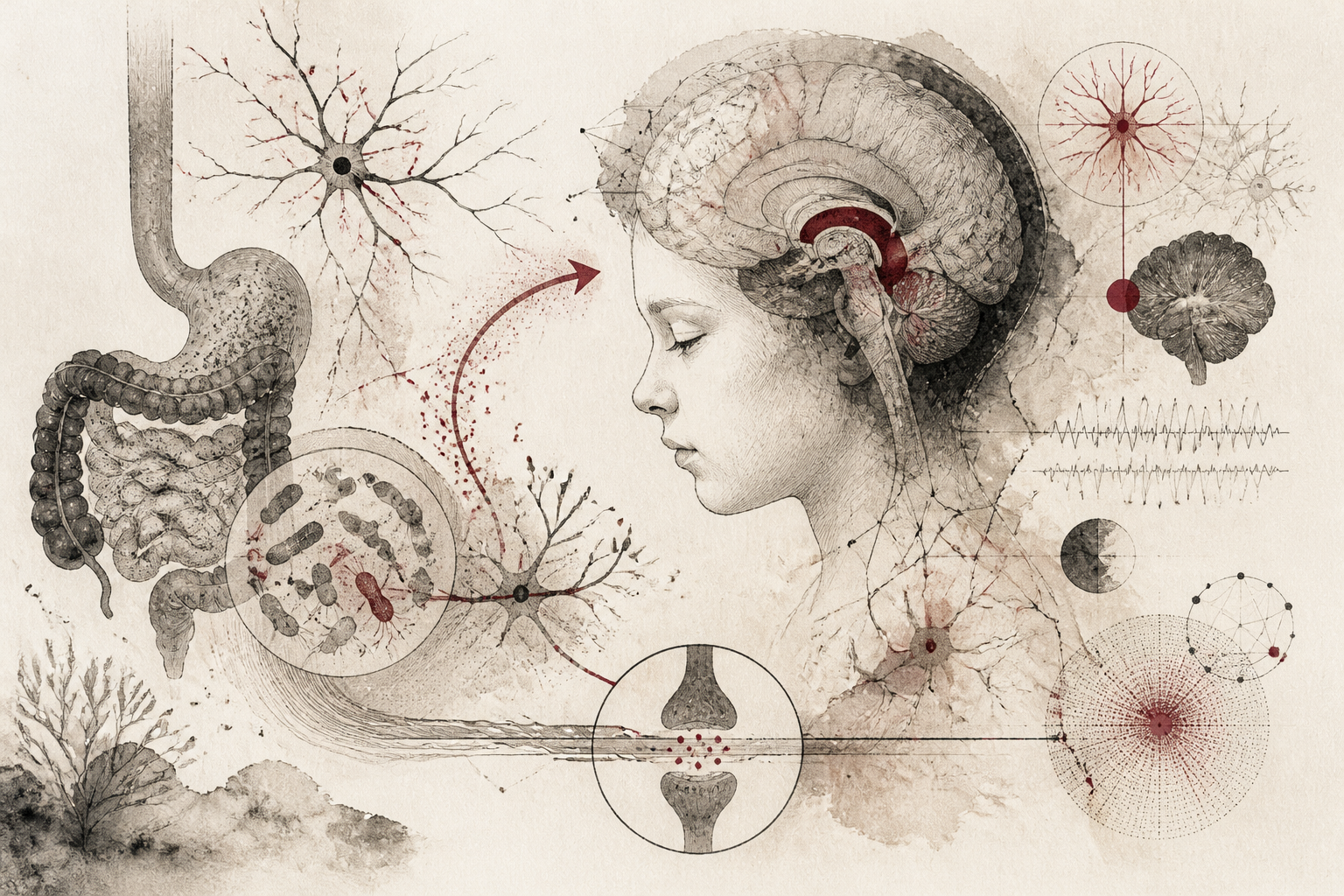
The relationship between gastrointestinal health and neurological function has emerged as one of the most dynamic frontiers in contemporary neuroscience. Recent research reported by Neuroscience News highlights a transformative shift in how clinicians and researchers conceptualize the treatment of Fragile X syndrome, the most prevalent inherited form of intellectual disability and a primary genetic contributor to autism. By shifting focus from direct neural modulation to the management of peripheral systems, specifically the gut-brain axis, researchers have identified a potential pathway for restoring cognitive function. The study demonstrates that by blocking cannabinoid type 1 (CB1) receptors located outside the central nervous system, it is possible to repair the intestinal barrier and modulate the gut microbiome in ways that ultimately enhance memory performance controlled by the hippocampus.
Historically, the management of neurodevelopmental disorders has prioritized the brain as the primary site of intervention. However, the systemic nature of Fragile X syndrome, which involves mutations in the FMR1 gene, manifests in various physiological ways beyond neurological symptoms. Many individuals with the condition experience significant gastrointestinal distress, though these symptoms were often viewed as secondary complications rather than drivers of cognitive impairment. This new research suggests that the physiological disturbances in the gut are not merely peripheral symptoms but are intrinsically linked to the cognitive deficits observed in the syndrome. By addressing the integrity of the gut, researchers are uncovering a method to indirectly influence the brain's internal architecture and memory processing capabilities.
The Role of Peripheral CB1 Receptors
The fundamental mechanism investigated in this study revolves around the endocannabinoid system, a complex cell-signaling network that regulates a wide range of functions, including mood, appetite, and memory. While CB1 receptors are highly concentrated in the brain, they are also found throughout the body, including the gastrointestinal tract. In models of Fragile X syndrome, there is often an overactivity or dysregulation of these receptors. The researchers discovered that this peripheral overactivity contributes to a breakdown of the intestinal barrier—a condition frequently referred to as a "leaky gut." When the intestinal lining is compromised, it allows pro-inflammatory markers and bacterial byproducts to enter the bloodstream, which can subsequently trigger neuroinflammation and impair synaptic plasticity.
By utilizing specific pharmacological agents designed to block CB1 receptors without crossing the blood-brain barrier, the research team was able to isolate the effects of peripheral cannabinoid signaling. This approach is particularly significant because it avoids the psychiatric side effects often associated with drugs that target cannabinoid receptors within the brain. The intervention focused on stabilizing the gut environment, effectively sealing the intestinal barrier and preventing the systemic spread of inflammatory signals. The success of this peripheral blockade suggests that the neurological symptoms of Fragile X are, at least in part, maintained by chronic signals originating from a dysfunctional digestive system.
Microbiome Restoration and Hippocampal Function
Central to the findings was the observation of the gut microbiome's response to the CB1 receptor blockade. The gut-brain axis relies heavily on the diverse community of microbes inhabiting the intestines, which produce essential neurotransmitters and metabolites required for brain health. In the studied models of Fragile X, the microbial composition was significantly altered, favoring strains that promote inflammation and reducing those associated with metabolic health. Following the treatment, the researchers observed a restoration of beneficial gut microbes, which corresponded with a decrease in systemic inflammation.
This shift in the microbial landscape had a direct impact on the hippocampus, the region of the brain responsible for learning and memory. One of the hallmark cognitive deficits in Fragile X is a struggle with spatial memory and the consolidation of new information. The study found that by improving gut health, the integrity of hippocampal neurons was bolstered. The biochemical environment of the brain shifted from a state of chronic stress to one that supports long-term potentiation—the process by which synaptic connections strengthen over time. This suggests that the brain retains a level of plasticity even in the presence of genetic mutations, provided the systemic environment is sufficiently supportive.
Methodological Approaches and Experimental Rigor
The methodology employed in this study involved complex animal models designed to mimic the genetic profile of Fragile X syndrome. By observing these models, researchers could track the progression of intestinal permeability and microbial shifts in real-time. The use of peripheral-only CB1 antagonists served as a critical control, ensuring that the improvements in memory were not the result of the drug acting directly on the brain’s receptors. This distinction is vital for the development of future therapies, as it provides a proof-of-concept for "peripheral-first" treatments that may be safer and better tolerated by patients than traditional psychotropic medications.
Furthermore, the researchers utilized advanced sequencing techniques to profile the gut microbiota before and after the intervention. This data allowed for a granular understanding of which bacterial species were most influential in the recovery process. The correlation between specific microbial changes and behavioral improvements in memory tasks provided a robust dataset linking the gut’s biological state to cognitive outcomes. The study’s reliance on behavioral assays, such as object recognition and spatial navigation tests, grounded the cellular findings in observable functional improvements.
Limitations and Future Academic Directions
While these results are promising, several limitations must be acknowledged within an academic framework. First, the transition from animal models to human clinical trials involves significant biological hurdles. The human microbiome is incredibly diverse and influenced by diet, environment, and lifestyle, variables that are tightly controlled in a laboratory setting but highly volatile in a clinical population. Additionally, while the blocking of peripheral CB1 receptors appears effective in the short term, the long-term consequences of such an intervention on other metabolic processes remain to be fully elucidated. The endocannabinoid system is integrated into many bodily functions, and chronic inhibition could have unforeseen effects on energy balance or immune regulation.
There is also the question of timing in neurodevelopment. The study focuses on the restoration of memory in mature models, but it remains unclear if early intervention during critical periods of development would yield more profound or permanent results. Future research will need to determine whether this gut-targeted approach can prevent the onset of cognitive deficits if administered shortly after birth or if it serves primarily as a management strategy for existing symptoms. The complexity of the FMR1 mutation means that while the gut-brain axis is a major contributor, it is likely one of several pathways that would need to be addressed in a comprehensive treatment plan.
Significance for Neurodevelopmental Therapy
The implications of this research extend beyond Fragile X syndrome. It reinforces a growing body of evidence suggesting that the treatment of neurological and neurodevelopmental disorders must move toward an integrated, whole-body perspective. By validating the gut-brain axis as a viable therapeutic target, this study opens the door for similar investigations into other conditions characterized by both cognitive impairment and gastrointestinal dysfunction, such as Rett syndrome or certain forms of autism spectrum disorder. The shift toward peripheral targets reduces the risk of central nervous system toxicity and provides a new repertoire of biomarkers for monitoring disease progression.
For the academic community at Zeit Psychology Online University, these findings underscore the importance of interdisciplinary study. Understanding the brain now requires a sophisticated grasp of endocrinology, immunology, and microbiology. As we continue to unravel the complexities of the human mind, it is becoming increasingly clear that the path to cognitive health may very well begin in the gut. This research provides a hopeful narrative for the future of genetic medicine, suggesting that while we may not yet be able to easily rewrite the genetic code, we can significantly alter the physiological environment to allow for improved quality of life and cognitive potential.
Quick answers
- How does the gut affect memory in Fragile X syndrome?
- Dysregulation in the gut leads to a leaky intestinal barrier, which allows inflammation to reach the brain and impair hippocampal memory functions.
- What is the role of CB1 receptors in this study?
- Researchers found that blocking CB1 receptors outside the brain (peripheral) repairs the gut lining and restores healthy bacteria, which improves cognitive function.
- Does this treatment affect the brain directly?
- No, the study used pharmacological agents that do not cross the blood-brain barrier, focusing instead on treating the body to indirectly benefit the brain.
Editorial Team