Dietary Patterns and Cortical Integrity: The Impact of the MIND Diet on Neural Longevity
Recent longitudinal research indicates that adherence to the MIND diet may decelerate structural brain aging by up to 2.5 years, highlighting the neuroprotective role of specific nutrients.
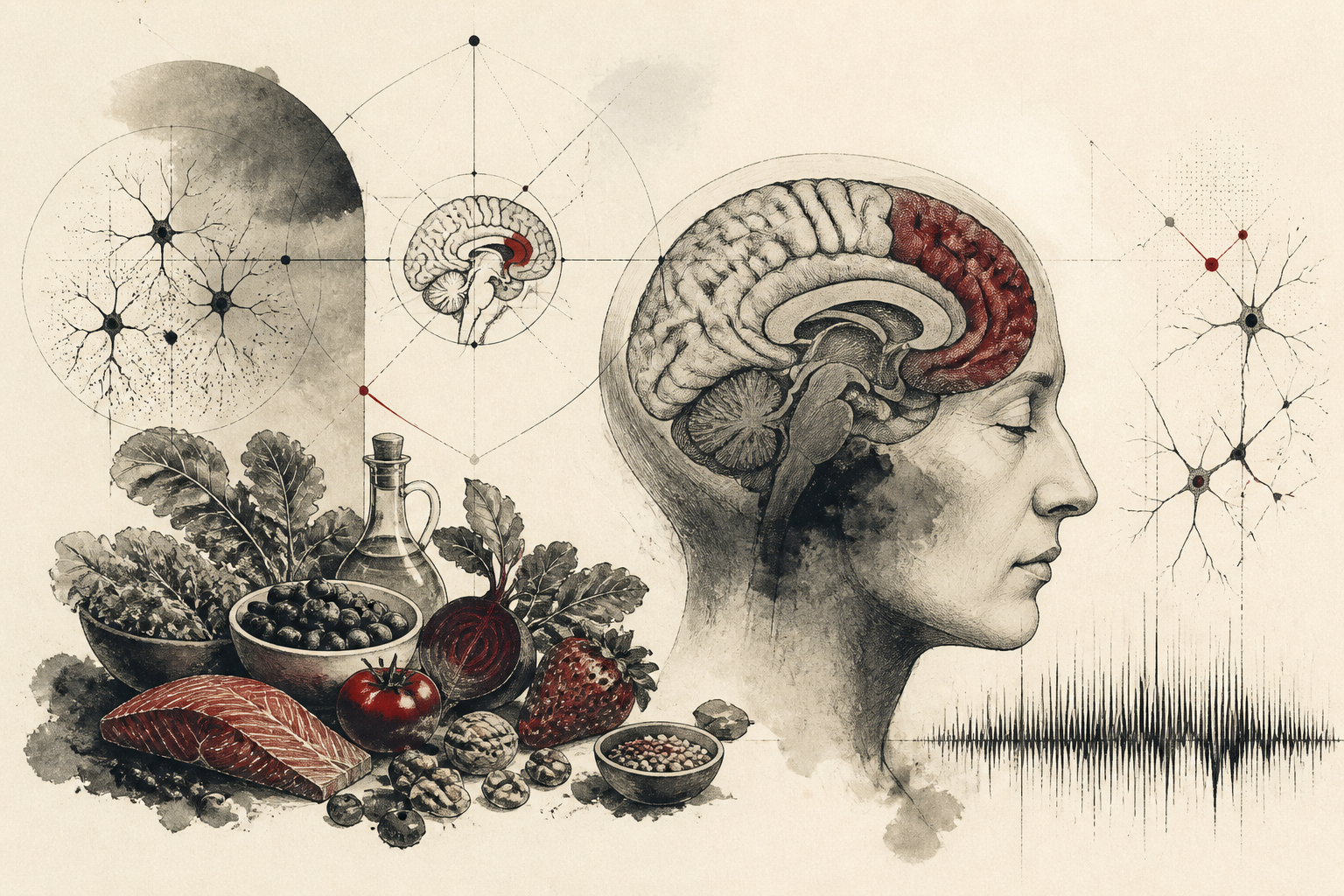
The intersection of nutritional epidemiology and geriatric neuroscience has long sought a non-pharmacological intervention to mitigate the progressive decline of cognitive structures in the aging population. Recent data published via ScienceDaily suggests a significant breakthrough in this domain, indicating that specific dietary patterns are not merely peripheral to health but are central to the maintenance of neural architecture. The study identifies the Mediterranean-DASH Intervention for Neurodegenerative Delay, commonly referred to as the MIND diet, as a primary candidate for slowing the physiological manifestations of brain aging. According to the findings, individuals who strictly adhere to this nutritional regimen exhibit slower rates of brain shrinkage and significantly less grey matter loss over time compared to those with lower adherence scores. The magnitude of this effect is considerable, with the most compliant participants demonstrating a profile of brain health equivalent to being 2.5 years younger than their chronological peers.
The Architecture of Nutritional Neuroprotection
To understand the significance of these findings, one must first examine the composition of the MIND diet itself. It is a hybrid approach, synthesizing elements of the Mediterranean diet and the Dietary Approaches to Stop Hypertension (DASH) diet, specifically tailored to target brain health. The research highlights that not all health foods are created equal in the context of neuroprotection. The study identified specific food groups—most notably berries and poultry—as being uniquely correlated with healthier structural changes in the brain. Conversely, the data demonstrated a deleterious relationship between the consumption of sweets and fried fast foods and the integrity of neural tissue. The latter were associated with accelerated tissue loss, suggesting that the modern Western diet may act as a catalyst for premature cerebral atrophy.
Grey matter, which consists of neuronal cell bodies, neuropil, glial cells, synapses, and capillaries, is essential for processing information in the brain. As humans age, a natural degree of atrophy occurs; however, the acceleration of this process is often a precursor to neurodegenerative diseases such as Alzheimer’s. The findings reported by ScienceDaily suggest that the antioxidants found in berries and the specific lean proteins found in poultry provide the biochemical building blocks necessary to preserve these delicate structures against the oxidative stress and inflammation that typically characterize the aging process.
Methodological Approaches to Measuring Neural Atrophy
The rigor of this study lies in its longitudinal design and its reliance on objective neuroimaging rather than purely cognitive testing. By utilizing repeated magnetic resonance imaging (MRI) scans over an extended period, researchers were able to quantify volumetric changes in the brain with high precision. This methodology allows for a direct observation of how dietary habits influence the physical substance of the brain before cognitive symptoms even manifest. The researchers tracked the rate of global brain shrinkage, which is the overall reduction in total brain volume, as well as specific localized loss in grey matter regions.
This structural focus provides a more stable metric than cognitive assessments, which can be influenced by daily fluctuations in mood, sleep, or environmental factors. The study categorized participants based on their dietary self-reporting, cross-referencing these habits with the observed changes in their brain scans. The resulting correlation was robust: for every increment of higher adherence to the MIND diet, there was a measurable decrease in the rate of tissue loss. The 2.5-year delay in aging represents a statistical average of the delta between the highest and lowest quintiles of diet adherence, providing a tangible benchmark for the efficacy of nutritional intervention.
Mechanisms of Delay and Cognitive Reserve
The biological mechanisms underlying these findings likely involve the reduction of systemic inflammation and the mitigation of oxidative damage. The MIND diet is exceptionally rich in polyphenols and vitamin E, which are known to counteract the free radicals that damage neuronal membranes. Furthermore, by excluding fried foods and high-sugar items, the diet reduces the intake of trans fats and high-glycemic loads that are linked to cerebrovascular issues. When the vascular system of the brain is healthy, the neural tissue is better oxygenated and nourished, thereby resisting the typical shrinkage associated with senescence.
Furthermore, the concept of cognitive reserve is relevant here. By preserving a higher volume of grey matter for a longer duration, individuals may develop a buffer against the pathological changes associated with dementia. Even if the underlying biology of aging continues, a brain that has 'saved' 2.5 years of tissue loss possesses more functional capacity to reroute signals and maintain daily functioning. This study underscores the fact that the brain is a plastic organ, sensitive to the long-term chemical environment provided by our daily food intake.
Limitations and Future Directions in Geriatric Research
While the 2.5-year delay is a compelling statistic, the research community notes several limitations that warrant caution. First, the reliance on self-reported dietary data can introduce recall bias, as participants may overestimate their consumption of healthy foods or underestimate their intake of sweets. Second, while the correlation between the MIND diet and reduced atrophy is strong, establishing direct causation remains a challenge. There may be confounding lifestyle factors—such as physical activity levels, socioeconomic status, or baseline intellectual engagement—that correlate both with a healthy diet and with slower brain aging.
Open questions remain regarding the 'dosage' of specific foods. For instance, while berries and poultry were highlighted, the study does not define the exact quantities required to trigger neuroprotective effects. Additionally, the researchers have yet to determine if switching to the MIND diet in late life can reverse existing atrophy or if the benefits are exclusively preventative. Future studies will need to explore these variables, perhaps through randomized controlled trials where dietary intake is strictly monitored in a clinical setting.
The Clinical and Societal Implications of Dietary Choice
The implications for public health are profound. As the global population ages, the economic and social burden of neurodegenerative conditions is expected to rise exponentially. If a simple shift in dietary patterns—prioritizing berries and poultry while eschewing fried foods—can effectively 'buy' two and a half years of brain health, the potential for reducing the incidence of clinical dementia is significant. For the individual, these findings empower a sense of agency over a process often viewed as inevitable. The brain, much like the heart, responds to the quality of its fuel. This research, as reported by ScienceDaily, provides a clear roadmap for those seeking to maintain their cognitive integrity well into their senior years, framing nutrition not just as a tool for weight management, but as a fundamental pillar of neurological longevity.
Quick answers
- What is the MIND diet?
- The MIND diet is a hybrid of the Mediterranean and DASH diets, specifically designed to prioritize brain health through nutrients that reduce inflammation and oxidative stress.
- Which foods are best for preventing brain shrinkage according to the study?
- Berries and poultry were specifically linked to healthier brain changes and slower tissue loss in the study.
- How much can the MIND diet delay brain aging?
- High adherence to the MIND diet was associated with a 2.5-year delay in structural brain aging compared to low adherence.
Rewritten by Zeit editorial AI. Based on original reporting at ScienceDaily — Mind & Brain.